Round oak dining tables
Complete your dining area.
Choose chairs for your tableFilters0
7 products




No products match this combination
Adjust or remove a filter to see results again.

Looking for a round oak dining table that only grows warmer with age? Solid European oak shows its grain at its best in a round shape, because the figure runs all the way around without a corner cutting the pattern short. On this page you will read which diameter suits which gathering, and how to choose the colour, the base and the finish.
Round oak dining table: warm timber a family can live with
Solid European oak comes into its own in a round shape far more than in a rectangle. On a round top the grain runs in every direction, so the pattern reads differently from every chair at the table. The top is 40 mm thick, which keeps the edge looking substantial even at a large diameter.
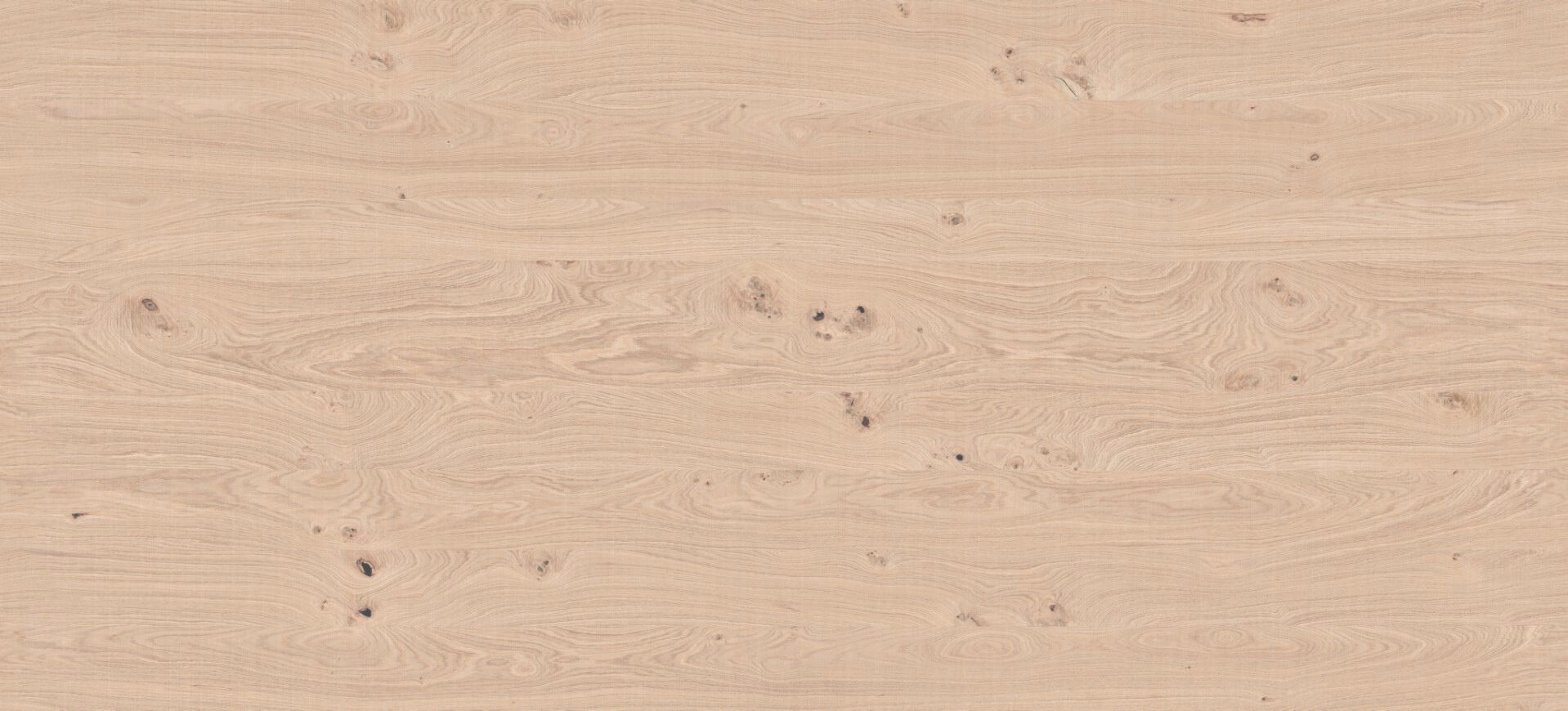
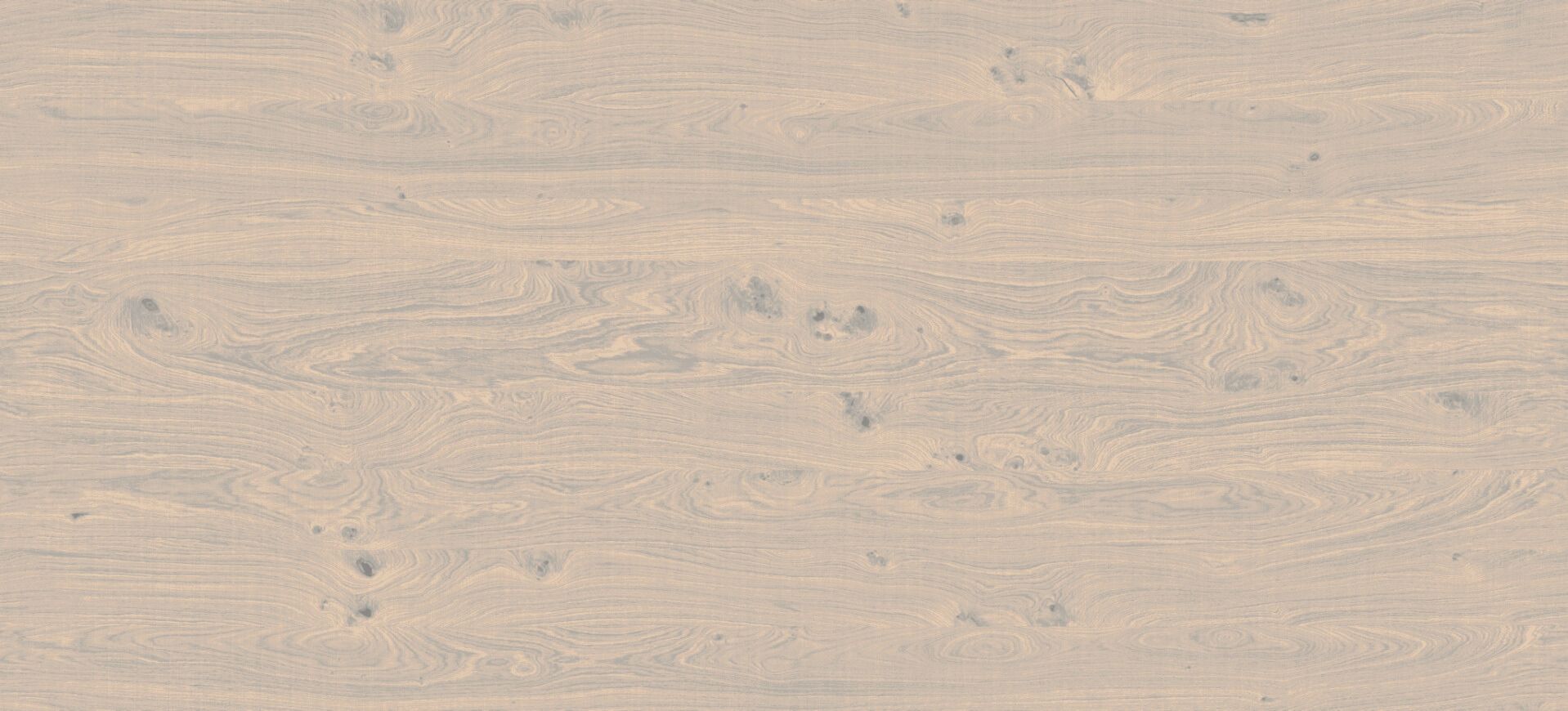
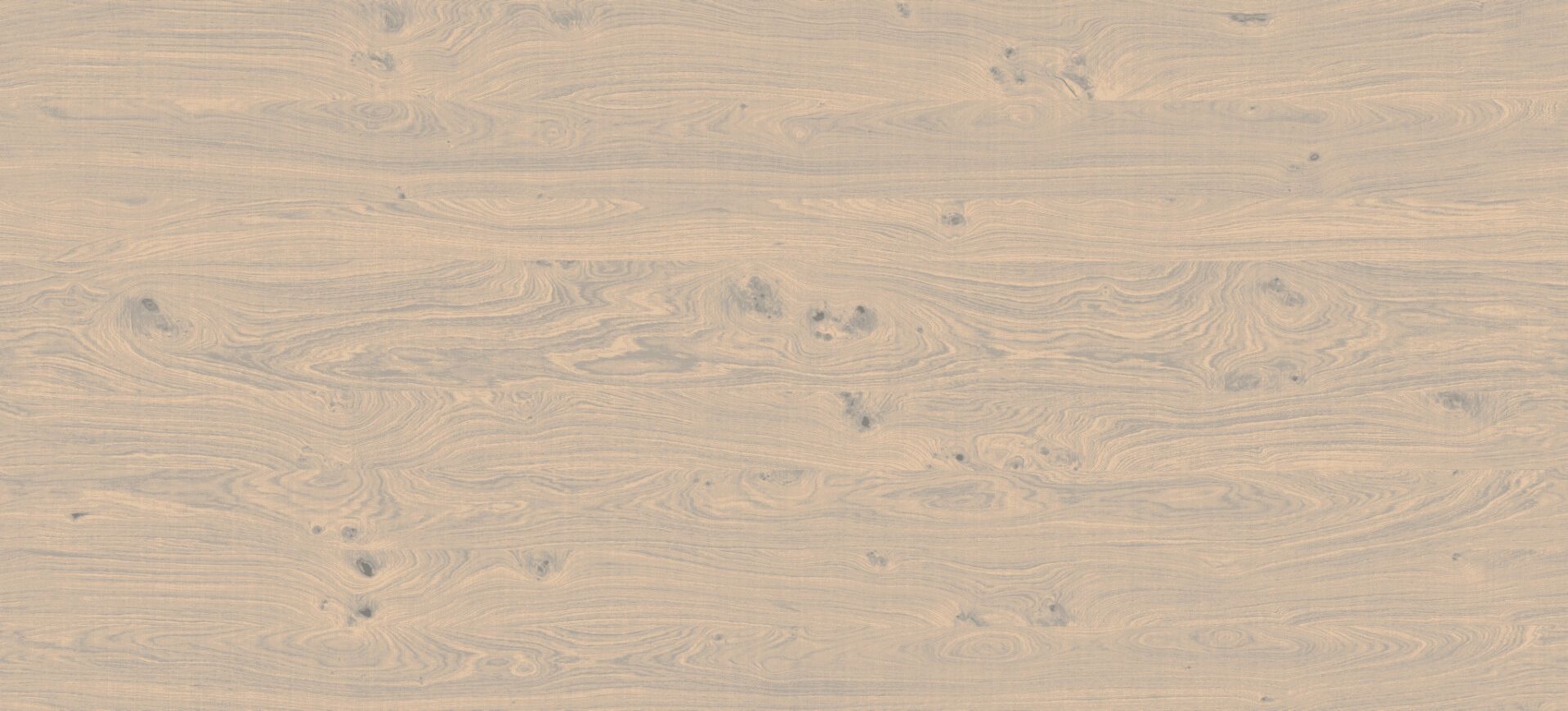
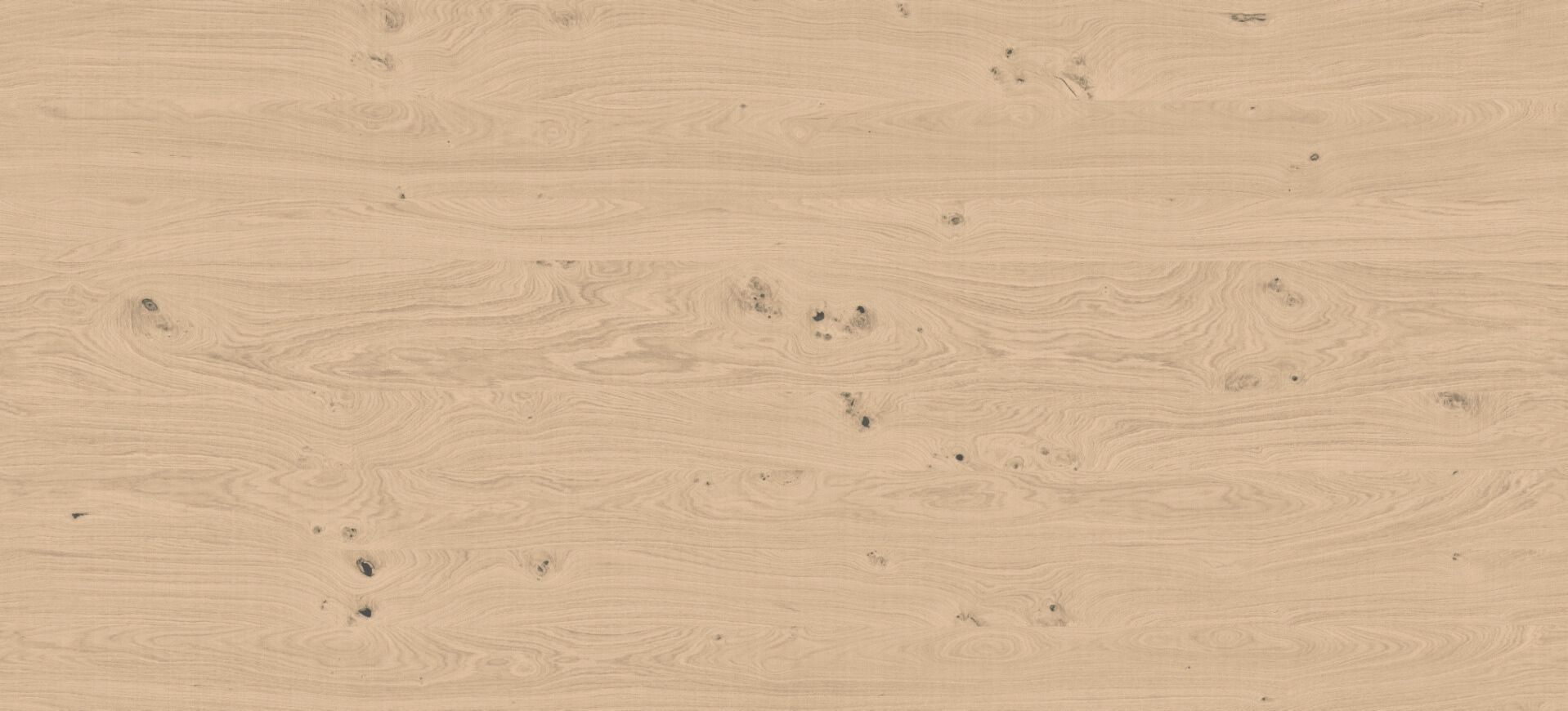
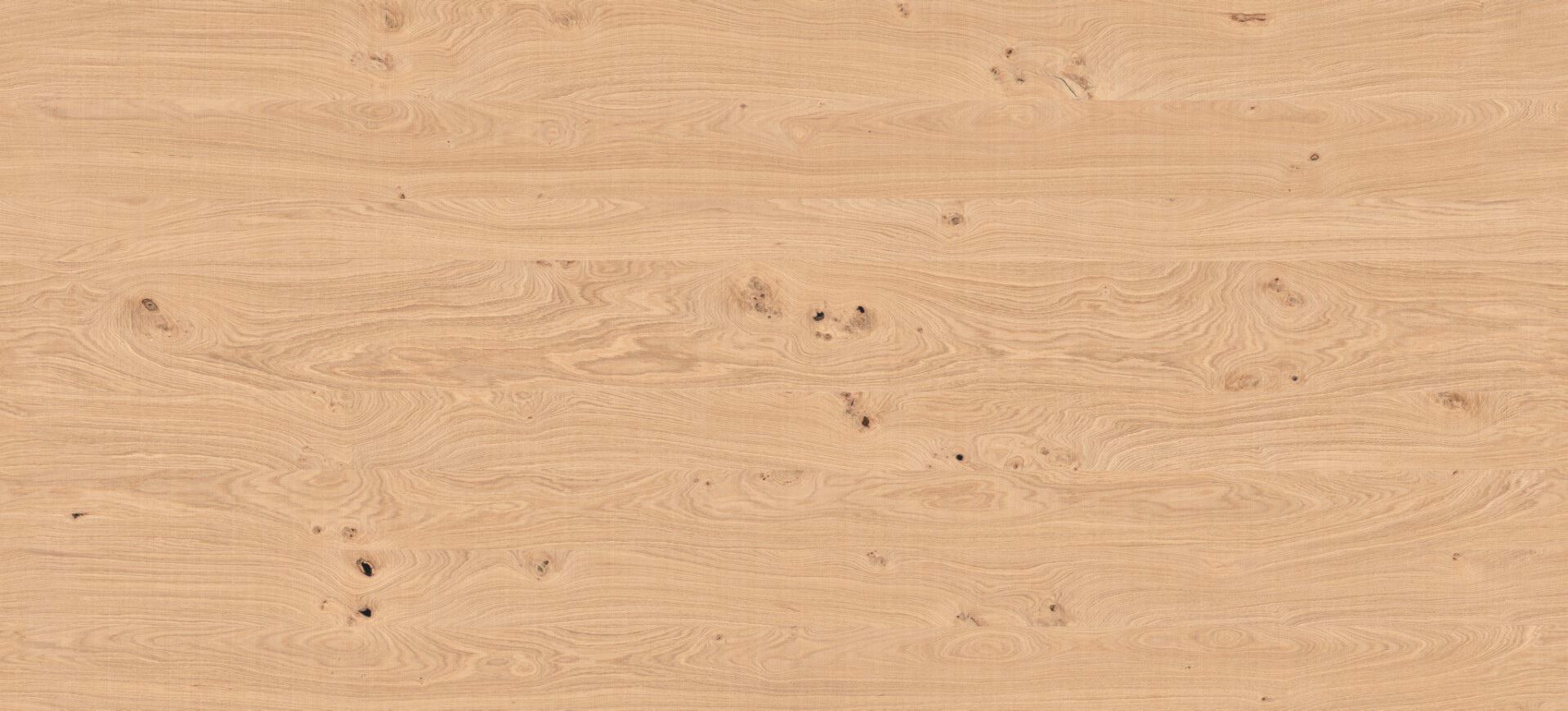
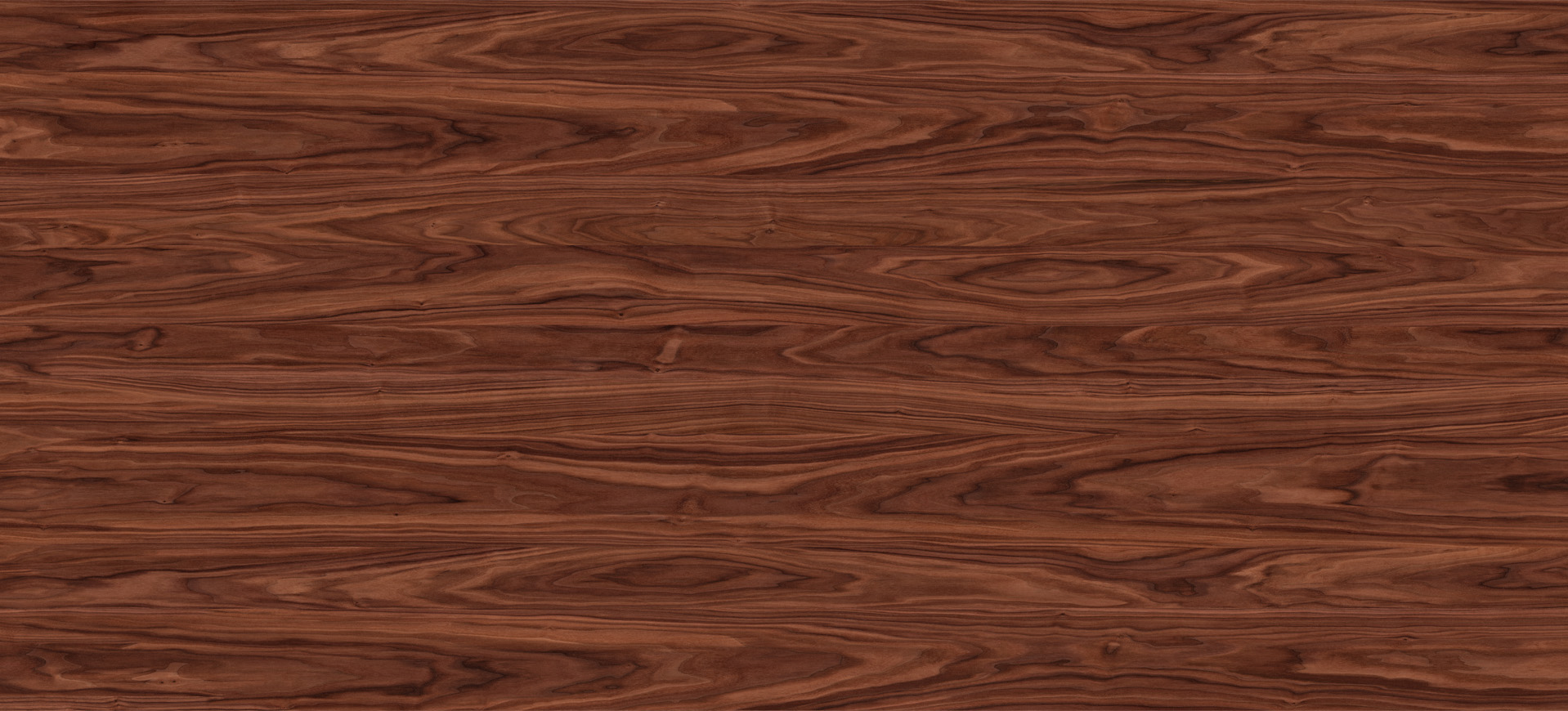
Oak colours honey to golden brown and carries a pronounced open grain. No two tops are alike, because every board brings its own growth rings, medullary rays and colour transitions. On a round top that shows more strongly, because the eye follows the circle instead of tracking one long side.
Oak deepens and warms in colour over the years. That is not wear but maturing, driven by daylight and time. This is the difference with board material that most often tips the balance towards wooden dining tables.
Solid timber can also be sanded back. A veneer layer is far too thin for that, so it cannot be brought back up once it is worn through. For a family this means the top can be restored after years of intensive use instead of replaced.
Oak is medium hard, which in practice means normal family wear is no problem at all. Heavy impact, such as a falling pan or a pointed object, can still leave a scratch. An oak table belongs indoors and is not suitable for outdoor use.
If you want to compare the material with other timbers, have a look at walnut dining tables and at the wider range of oak dining tables. Every round shape in other materials sits together under round dining tables. An overview of the complete collection is on the dining tables page.
19 stain colours: from pale natural to almost black
Every oak top is stained in one of 19 colours and then finished with two coats of clear matt 2K lacquer. That build keeps the grain visible and lays a protective layer over it at the same time. The matt lacquer gives a calm surface without any gloss.
The colour range runs from pale natural to almost black. Light stains hold on to the honey brown character of oak and make a round table read smaller in a compact dining room. Dark stains emphasise the grain instead and set the top up as the centre of the room.
Bear in mind that the colour keeps moving after delivery. Oak carries on maturing and turns deeper and warmer, even underneath the lacquer. A light stain chosen today will therefore read a little fuller in a few years.
The way a stain falls on a round top differs from a rectangular one. On a circle the grain sits at varying angles to the light, so the same colour reads slightly differently on each side of the table. This article about bespoke oak goes deeper into timber selection and the build-up of colour.
It also helps to organise your samples the way the room is actually lit. Lay them on the floor near the window and again under the pendant you eat by, because artificial light pulls a stain in a different direction than daylight. A colour that convinces in both situations rarely disappoints once the table is in place.
Which diameter for how many people?
The rule of thumb for a round table is circumference, not length. Allow 70 to 75 cm of table edge per person and divide the circumference by that figure. You work out the circumference as π times the diameter, so Ø 120 cm gives roughly 377 cm of edge.
| Diameter | Circumference (rounded) | Guideline number of people |
|---|---|---|
| Ø 90 cm | 283 cm | 3 to 4 people |
| Ø 100 cm | 314 cm | 4 people |
| Ø 110 cm | 346 cm | 4 to 5 people |
| Ø 120 cm | 377 cm | 4 to 5 people |
| Ø 130 cm | 408 cm | 5 people, 6 is tight |
These numbers are guidance rather than a hard standard. Narrow chairs without armrests seat more diners than wide carver chairs, and a central base gives more freedom than four legs positioned at the outside. Always check the width of your dining chairs before you settle on a diameter.
Beyond the table itself, the space around it counts just as heavily. Keep at least 80 cm clear between the table edge and a wall or cabinet, so a chair can be pushed back and someone can still walk past. A table of Ø 130 cm therefore asks for a clear area of roughly 290 by 290 cm.
Ø 130 cm is the size we are asked for most often, and it is also our largest round diameter in oak. At that diameter five people sit comfortably and six sit tight, depending on how wide the chairs are. If your ideal size falls somewhere in between, say Ø 118 cm because a cabinet would otherwise be in the way, we simply build that size to the millimetre.
A cheap way to test a diameter is to mark it out on the floor before you order. Cut a piece of string to half the diameter, pin one end where the centre of the table will be and draw the circle with tape. Then put your chairs around it and walk the route you take to the kitchen.
If Ø 130 cm does not match your number of diners, the oval shape is the logical next step. An oval top keeps the soft line of a circle but offers considerably more edge along the long sides. The options are on the oval oak dining tables page.
Advantages and drawbacks of a round table
A round table has clear advantages, yet it does not suit every situation. Both sides are set out plainly below, so you can hold the shape against your own room before you commit.
The advantages of round start with the conversation. Nobody sits at the head, so everyone is an equal distance from everyone else and a conversation across the whole table happens by itself. That makes the shape strong for families and for anyone who often eats with friends.
There are no sharp corners, which helps in a narrow dining room or along a walking route that passes the table. Small children do not run into a point and you slip past the edge more easily. A round top also reads lighter than a rectangle of the same surface area, because the shape puts less visual mass into the corners of the room.
The drawbacks of round are real as well. A round table cannot be extended, so an extra guest means sitting closer together rather than adding a leaf. Anyone who regularly goes from six diners to ten is better served by a rectangular or an oval shape.
A circle also sits less neatly against a wall. It touches the wall at a single point and leaves space open on either side, which costs square metres in a tight dining room. A further weighing up of the shape is in this article on the advantages of a round dining table.
Choosing a base for a round oak table
Under a round table, the base mainly determines legroom. A central base puts the whole construction in the middle, which leaves free legroom around the entire edge. Chairs can then stand anywhere without anyone knocking a knee against a leg.
With a base whose legs sit towards the outside, the picture changes. Those legs stand in fixed positions, which fixes the seating places to a certain extent. For a table used with varying numbers of diners, a central build-up is therefore the more practical answer.
In terms of material you choose between two versions. Powder coated steel receives a fine texture powder coating in any colour you want and is welded in our own workshop in Maasbree; the drawback is that the coating can be damaged by heavy impact. Brushed stainless steel 304 is corrosion resistant by nature and shows fingerprints, which are simple to wipe away.
A dark base under a light oak top creates contrast and makes the top appear to float. A base in a colour close to the stain lets the table and the foot read as one whole. The full overview sits on the table bases page.
Round oak or round ceramic?
The choice between timber and ceramic comes down to character versus ease of care. Oak lives along with the house and shows use, while ceramic stays as it is. The table below sets out the points that most often tip the balance in practice.
| Point | Round solid oak | Round ceramic |
|---|---|---|
| Appearance | Warm, living grain | Crisp and even |
| Colour after years | Turns deeper and warmer | Stays the same |
| Character per top | No two tops alike | Consistent appearance |
| Repairable | Can be sanded back | Cannot be sanded |
| Care | Damp cloth, trivets under hot pans | Low maintenance surface |
| Colour choice | 19 stain colours | Several colours and decors |
Choose round solid oak when you want the table to grow along with the family. The maturing of the colour and the option to sand the top back make it a decision for the long term. If a surface free of traces of use matters more to you than the character of timber, you are better off with round ceramic dining tables.
If you are still in two minds, put both materials physically side by side before you decide. A photograph tells you very little about how a grain feels along the edge or how matt a surface really is. The wider ceramic range is on the ceramic dining tables page.
Configuring your round oak dining table
Every round oak table is made to order, down to the millimetre. The maximum diameter is Ø 1300 mm and the standard table height is 76 cm. Within those limits you decide the diameter, the stain colour and the base yourself.
In the 3D configurator you see the price move with every choice you make. You turn the table around, switch stain colours and compare bases without having to wait for a quotation. That way you know what a particular diameter or finish costs before you send an enquiry.
If you would rather see it in person first, come and visit us in Maasbree. The showroom holds several oak tables in different stains, so you can judge the difference between a pale natural and a dark stain in daylight. The bases are there too, which settles the choice between powder coating and stainless steel quickly.
Construction and finish carry a 2 year guarantee. We deliver throughout the Netherlands, Belgium and North Rhine-Westphalia (Germany), with free delivery on orders above €2500 within the Netherlands and Belgium. If you are looking for a matching side piece, have a look at the coffee tables.
Caring for a lacquered oak table
A lacquered oak table asks very little of you, provided you keep to the basic rules. Wipe the top with a damp cloth and dry it afterwards with a clean one. Use a pH neutral product on stains and stay away from aggressive cleaners.
Heat is the main point to watch. Always put hot pans and dishes on trivets, because direct heat on the lacquer can leave permanent marks. The same goes for standing moisture, so wipe up spilled liquid straight away.
Do not place the table in full sun or directly next to a radiator. Solid timber works with changes in temperature and humidity, and extreme conditions amplify that movement. A normal indoor climate is all that is needed.
If too many traces of use do build up on the top after years, sanding it back and re-lacquering is possible. That is precisely the advantage of solid timber over veneer. The complete instructions per material are on the care page and in this article about caring for an oak table top.
Read moreRead less
Last updated: September 3, 2026