Danish oval dining tables
Complete your dining area.
Choose chairs for your tableFilters0
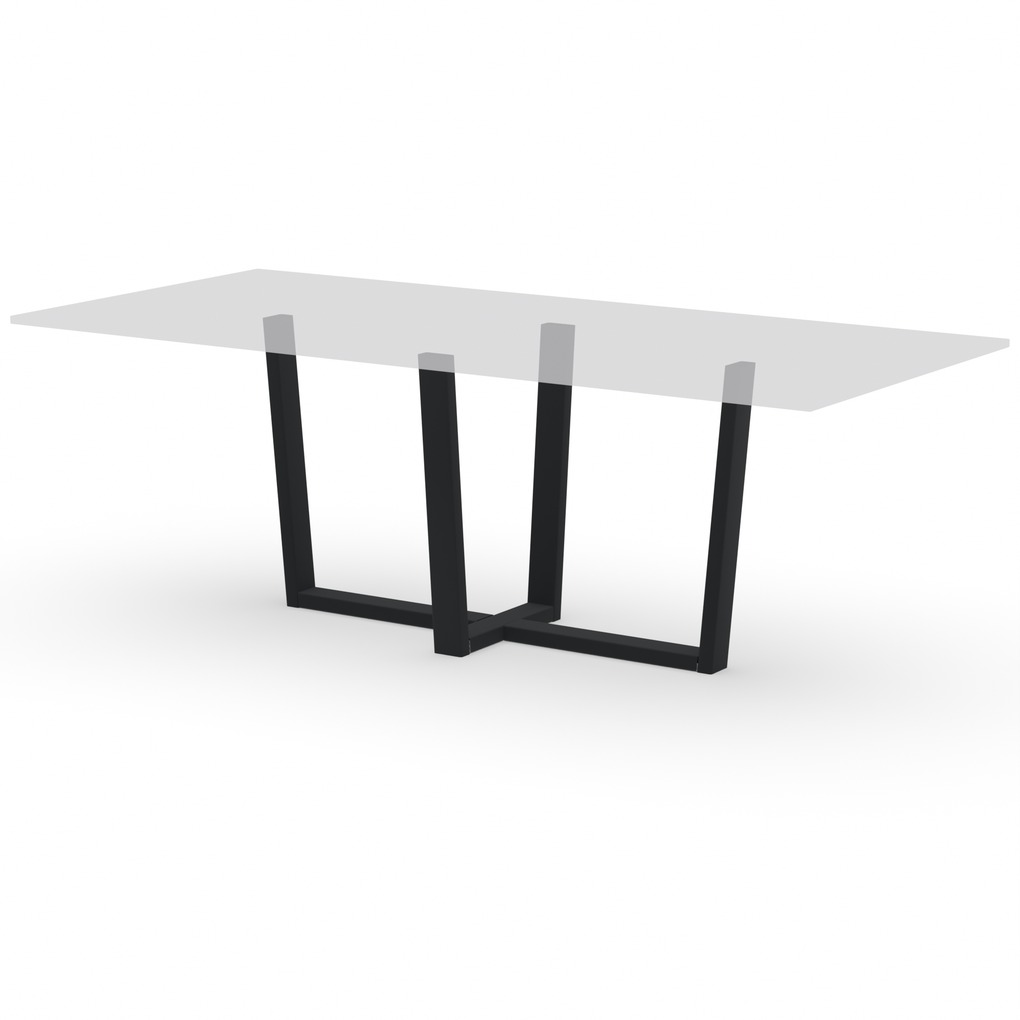
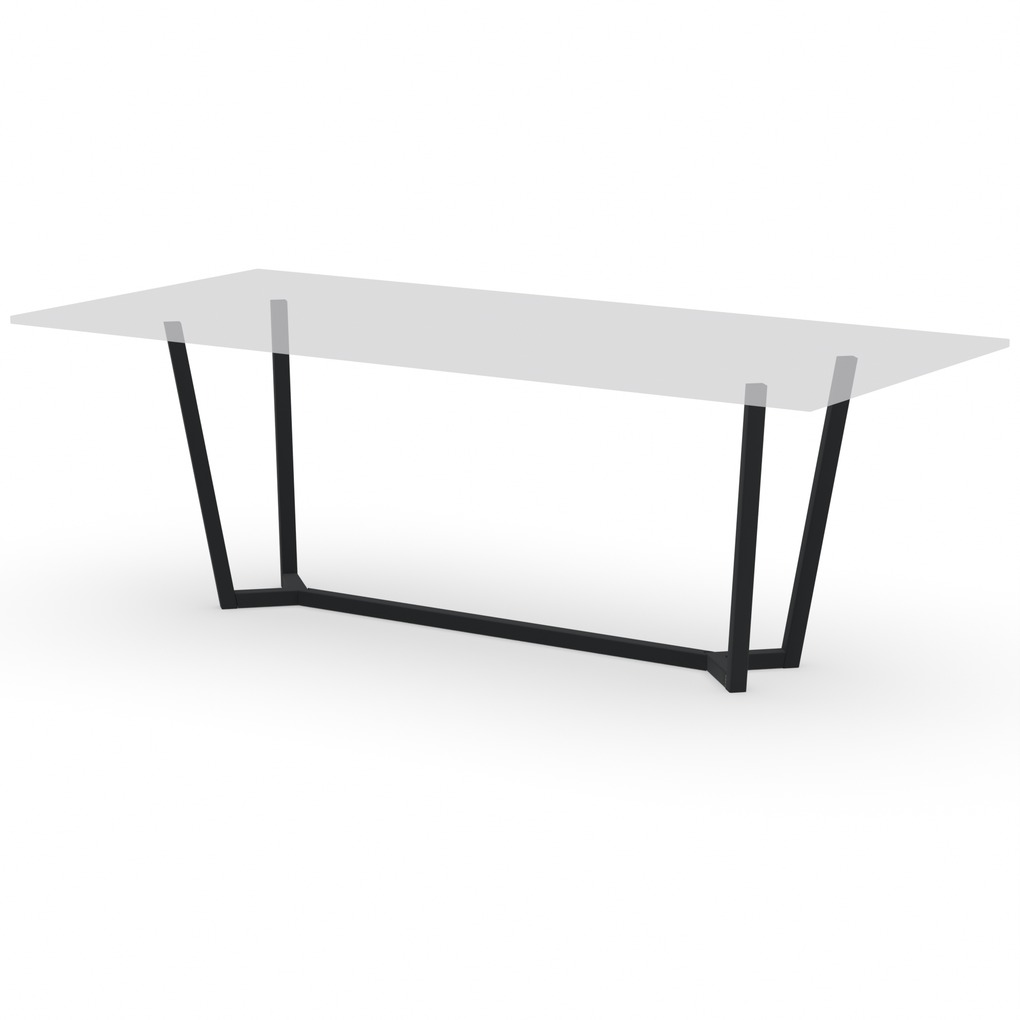
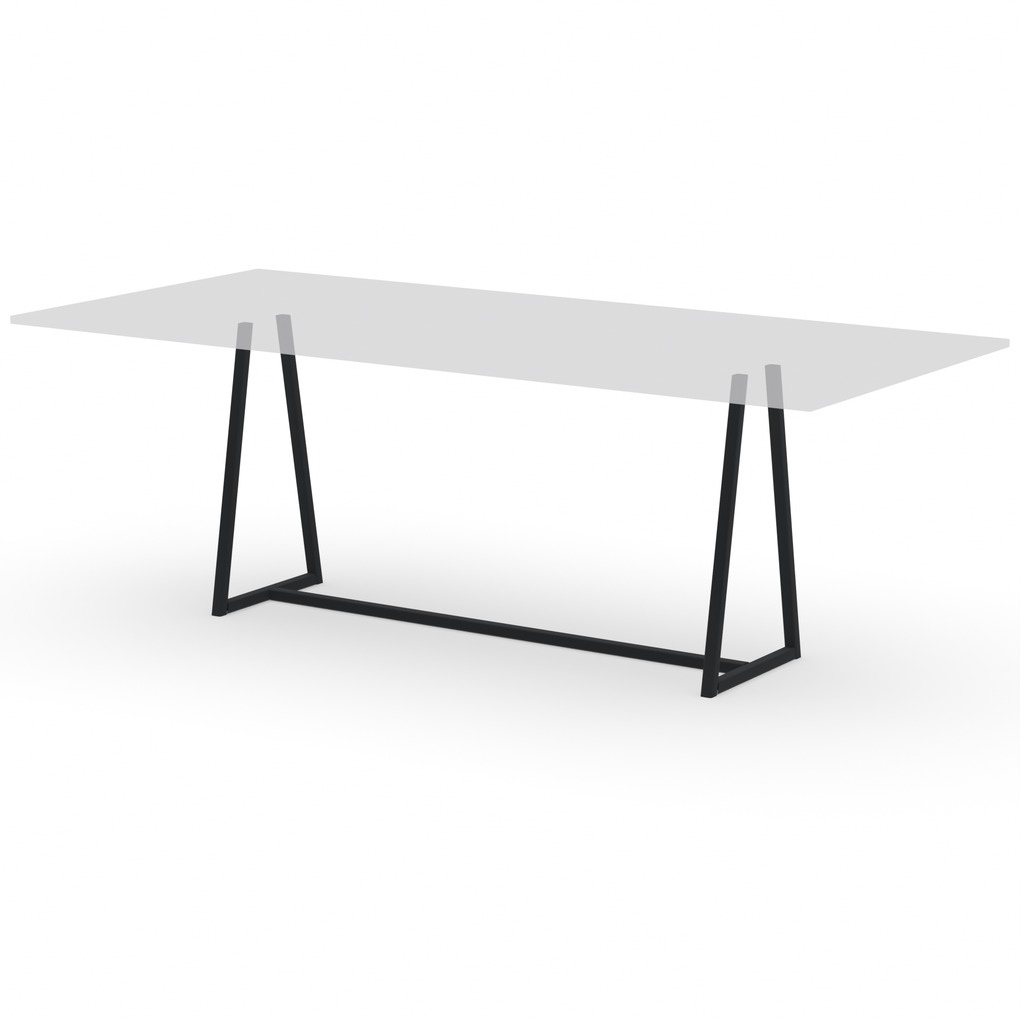
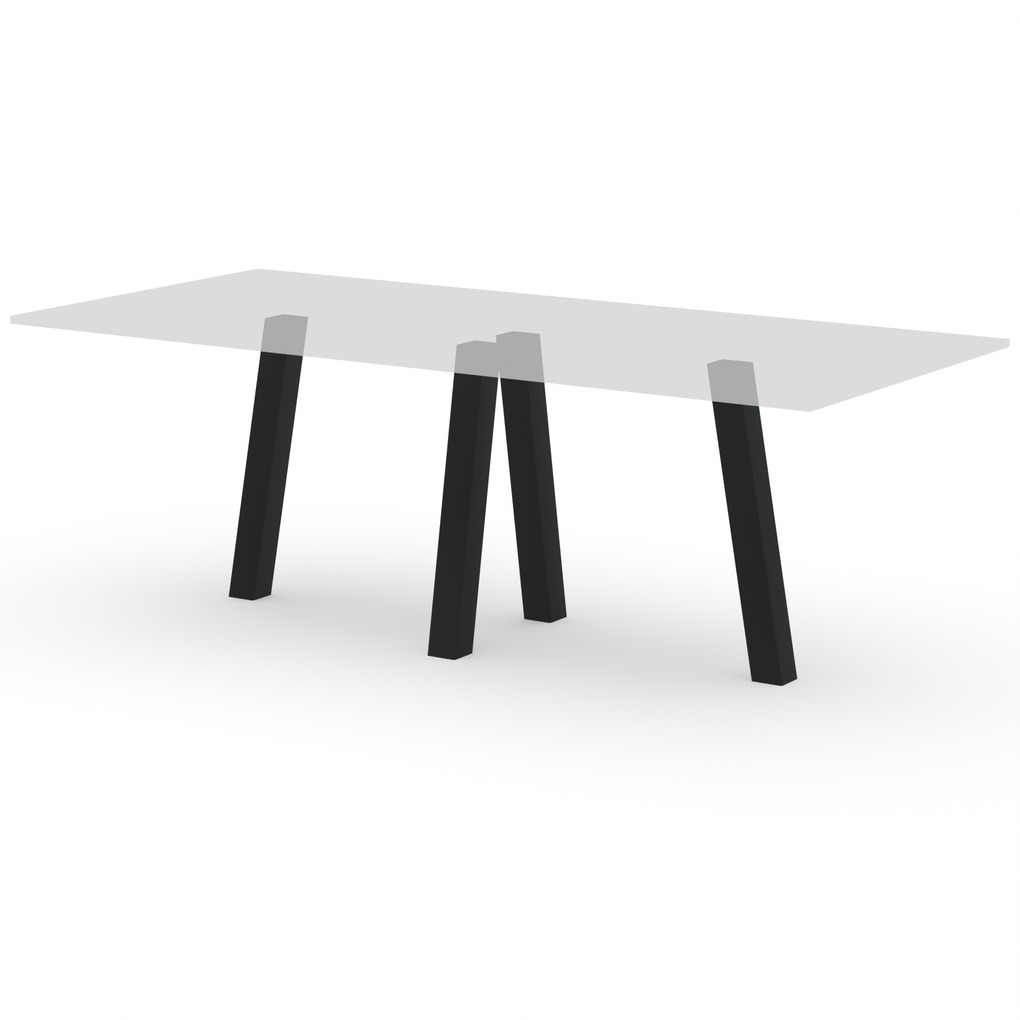
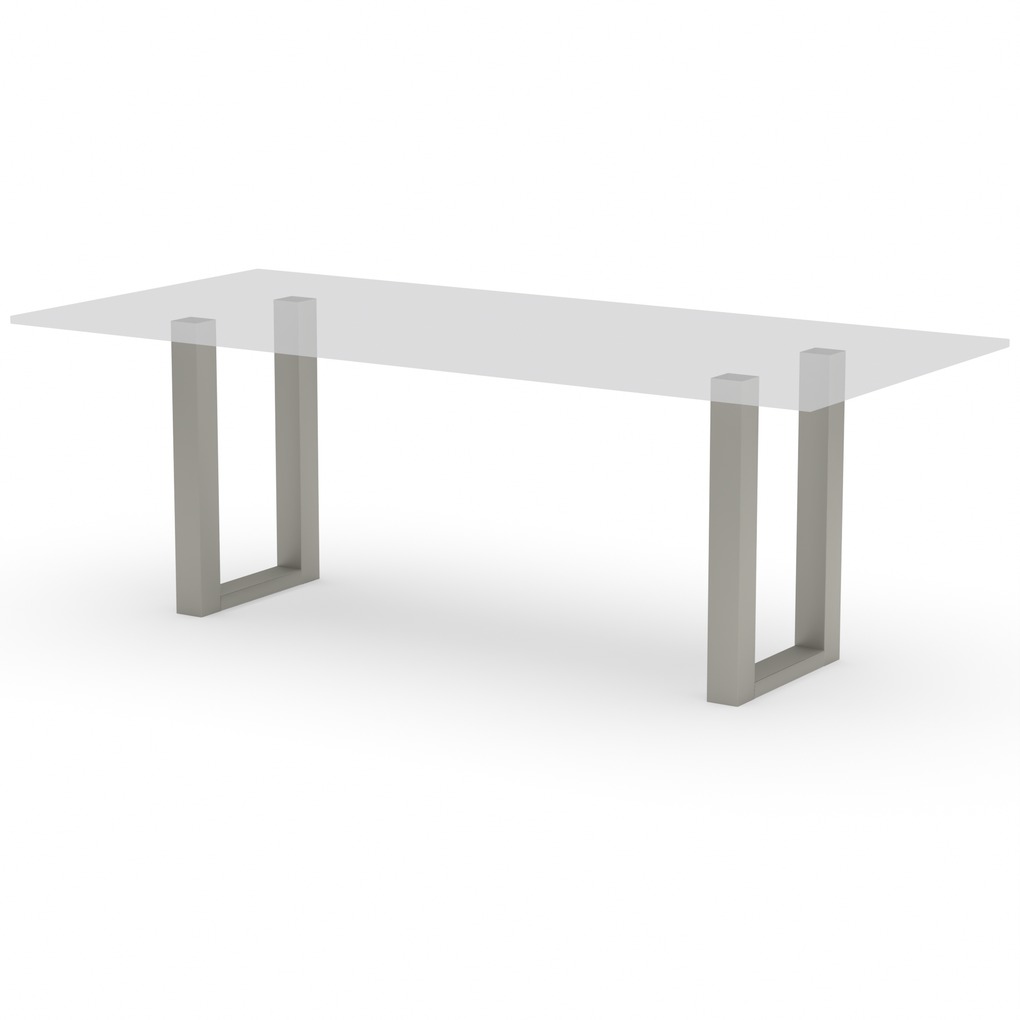
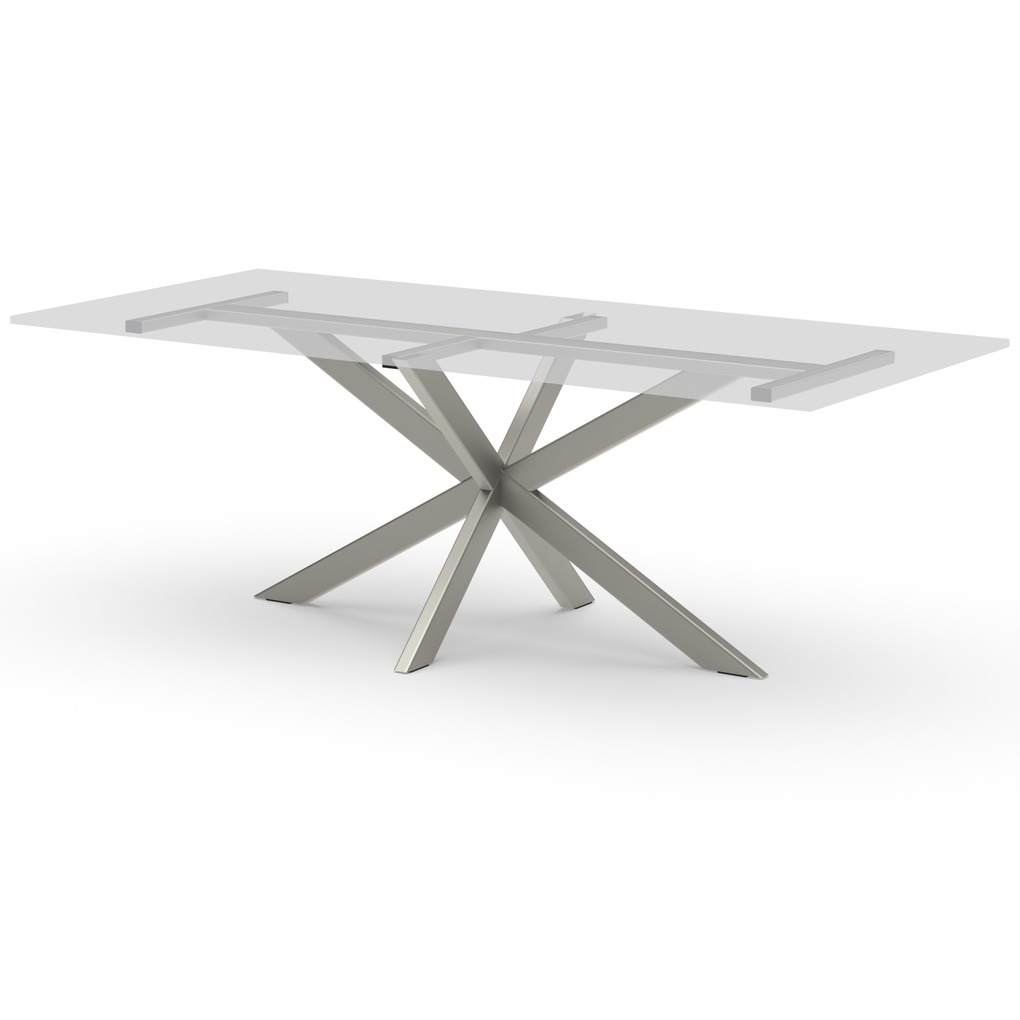
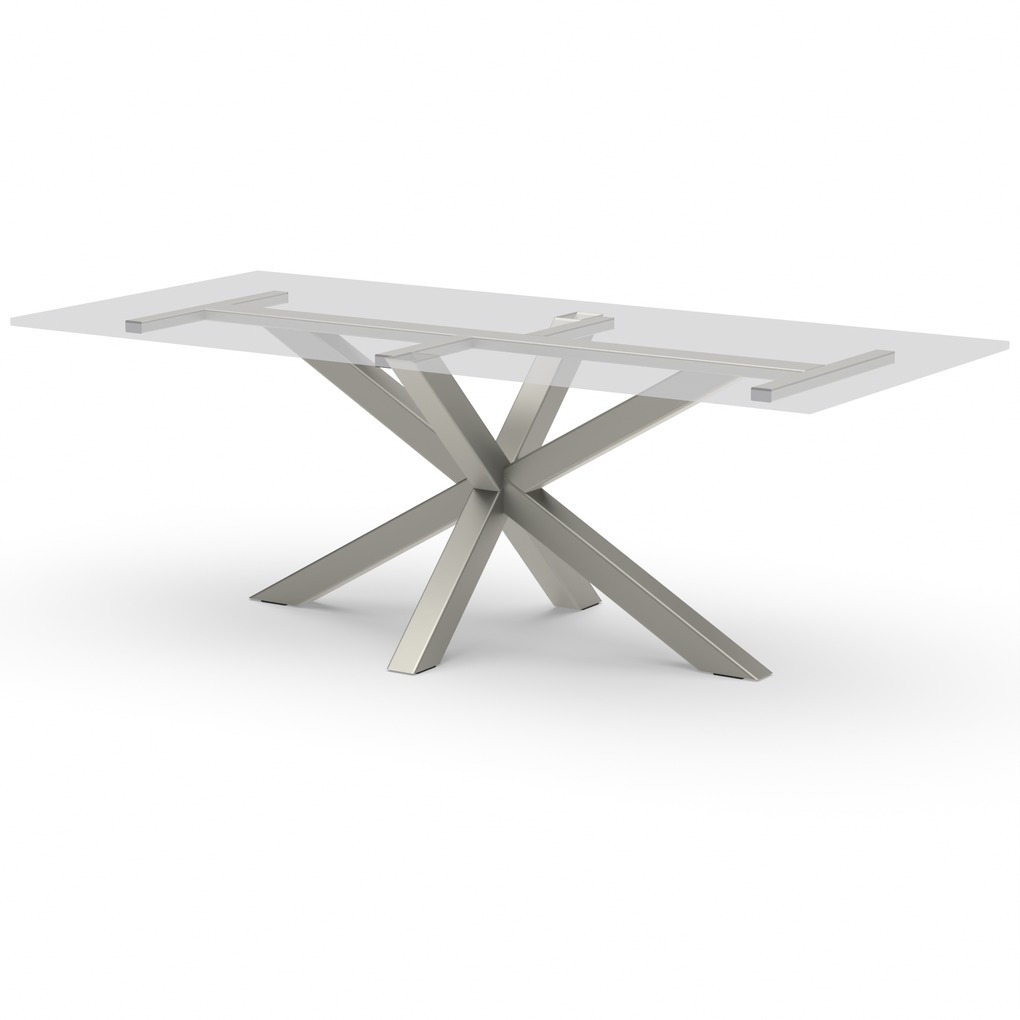
52 products


Dining set Danish oval walnut table with 6 Luna swivel chairs
From € 4.780
Within 8 weeks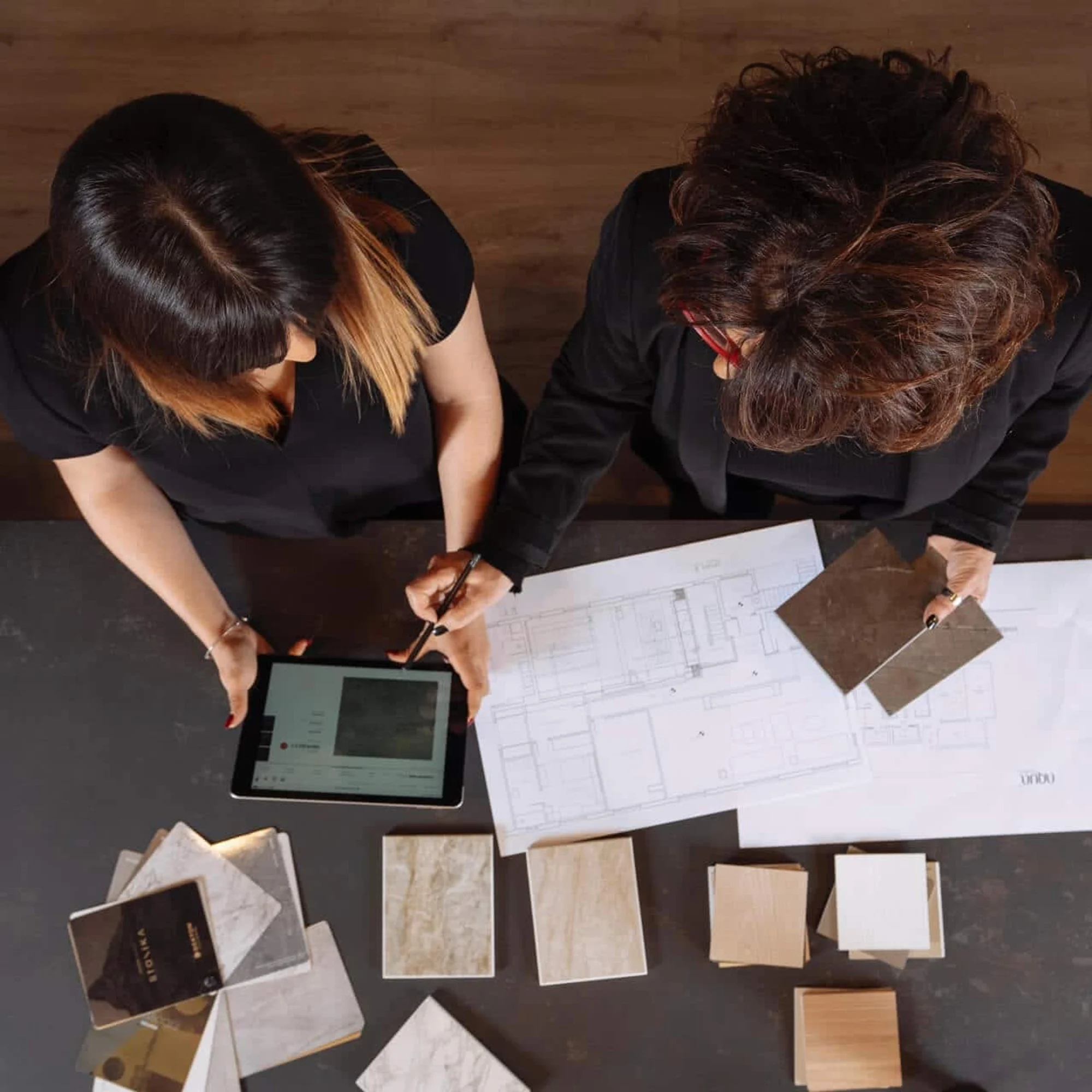
colour samples, €2.50 each
Not sure about the material?
Order colour samples and compare the materials at home, in your own light and interior.
Order colour samples


No products match this combination
Adjust or remove a filter to see results again.

Looking for a Danish oval dining table that reads as crisp and linear, but without the sharp corners of a rectangle? The shape has two straight long sides and two rounded ends. At Tulmans meubelen this is the largest shape range in the collection: 52 tables across four materials.
Quick guide to choosing: if length is your main requirement, ceramic reaches furthest (up to 3200 x 1600 mm) and oak goes furthest in wood (up to 3000 x 1300 mm). If you want warmth and visible grain, look at the oak dining tables or the walnut dining tables. If you want a top that copes with heat and scratches, see the ceramic dining tables.
What exactly is a Danish oval dining table?
A Danish oval dining table is a rectangle with only the short ends rounded off. The long sides stay perfectly straight, while the short sides curve towards each other in a smooth arc. Trade terms such as stadium shape or pill shape describe the same geometry.
That is fundamentally different from a fully oval top, where the long sides bow outwards as well. On a full oval the table narrows towards both ends. With a Danish oval you keep the same top width along the entire length.
The link with Scandinavian design is no coincidence. Danish furniture designers of the 1950s were looking for softer silhouettes within a sober, functional line. That combination of calm and gentle curvature still suits modern, minimalist and Scandinavian interiors.
You can recognise the shape on a floor plan straight away. Draw a rectangle, replace the two short sides with half circles, and the outline is there. It is that simple geometry that keeps the table quiet in a room full of straight lines.
Danish oval, full oval or rectangle: when do you choose which?
Choose a Danish oval when you want a crisp look with safe ends. The straight long sides give a calmer, more geometric silhouette than a fully oval top. At the same time you lose the four sharp points that make a rectangular table awkward on a walking route.
Choose a fully oval dining table when you are after the softest, most organic line. That top looks lighter in a small room, because it visually falls away at the ends. In return you give up usable table surface at the corners.
Choose a rectangle when maximum seating per square metre counts and sharp corners are no objection. If you want a compact setting for four to six people in a square room, look at the round dining tables instead. The full overview by shape and material sits with the dining tables.
- Straight long sides: chairs face each other squarely instead of being angled away.
- Rounded ends: no sharp points on walking routes, which is welcome with children in the house.
- Constant top width: serving dishes and candlesticks stand level wherever you put them.
- Seating at the ends: each curve still takes one guest in comfort.
In a long, narrow dining room the straight sides are the practical argument. They run parallel to the wall, so the walking space beside the table keeps the same width from one end to the other. A fully oval top leaves a wider gap at the ends and a narrower one halfway along.
Danish oval in oak: warmth, grain and the greatest length in wood
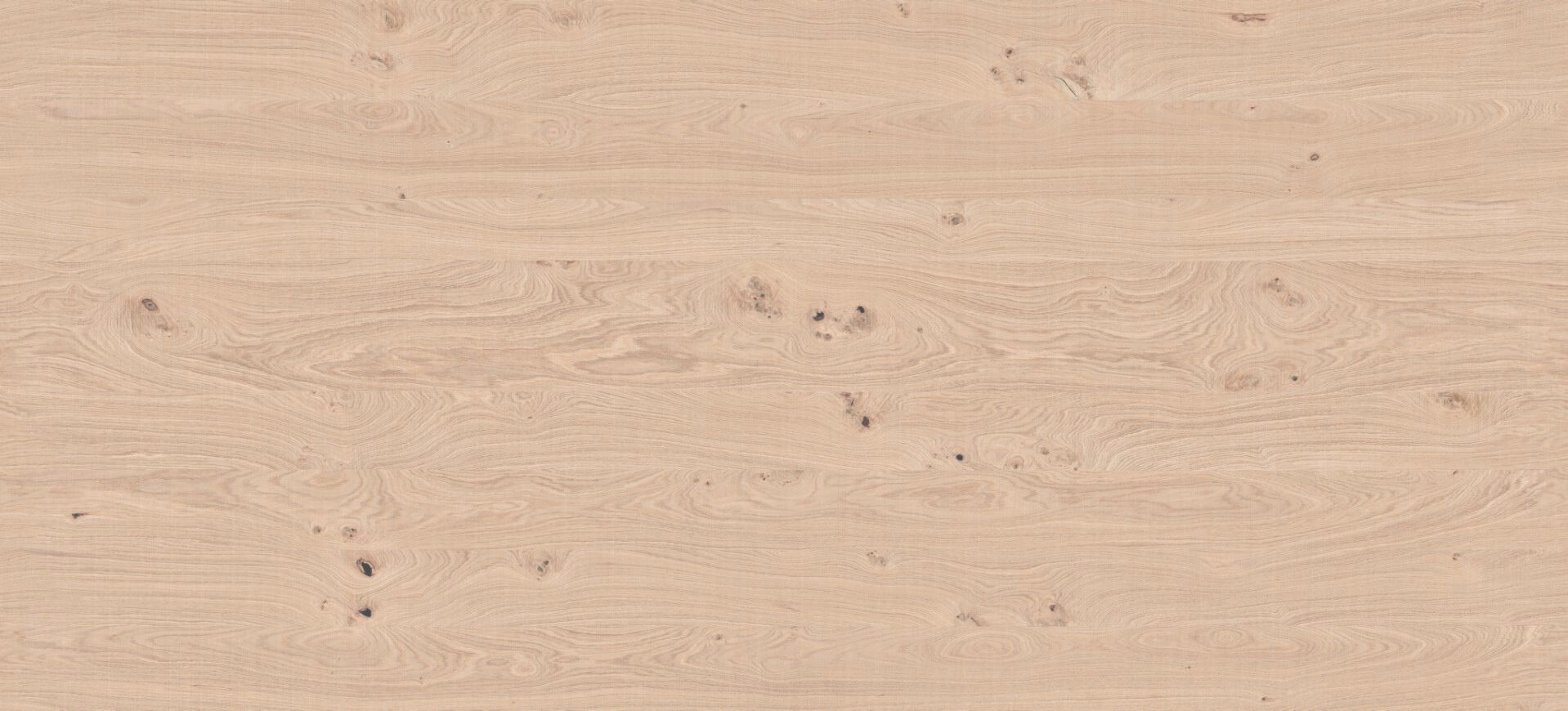
A Danish oval dining table in oak brings warmth and a lively, open grain into your dining room. The colour of the wood deepens and warms over the years, so the table matures alongside your interior. If the top picks up too many marks after ten years, it can be sanded back and refinished to look as new.
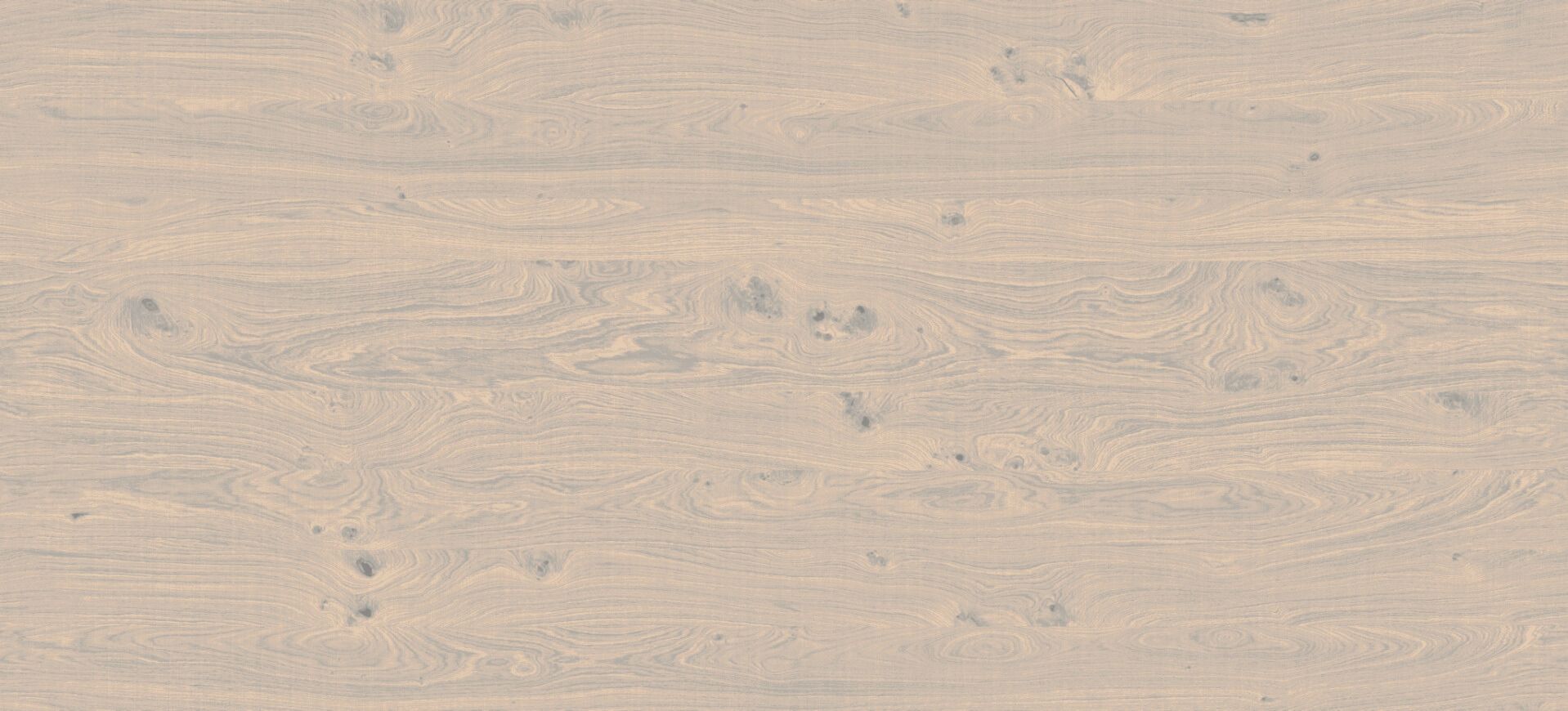
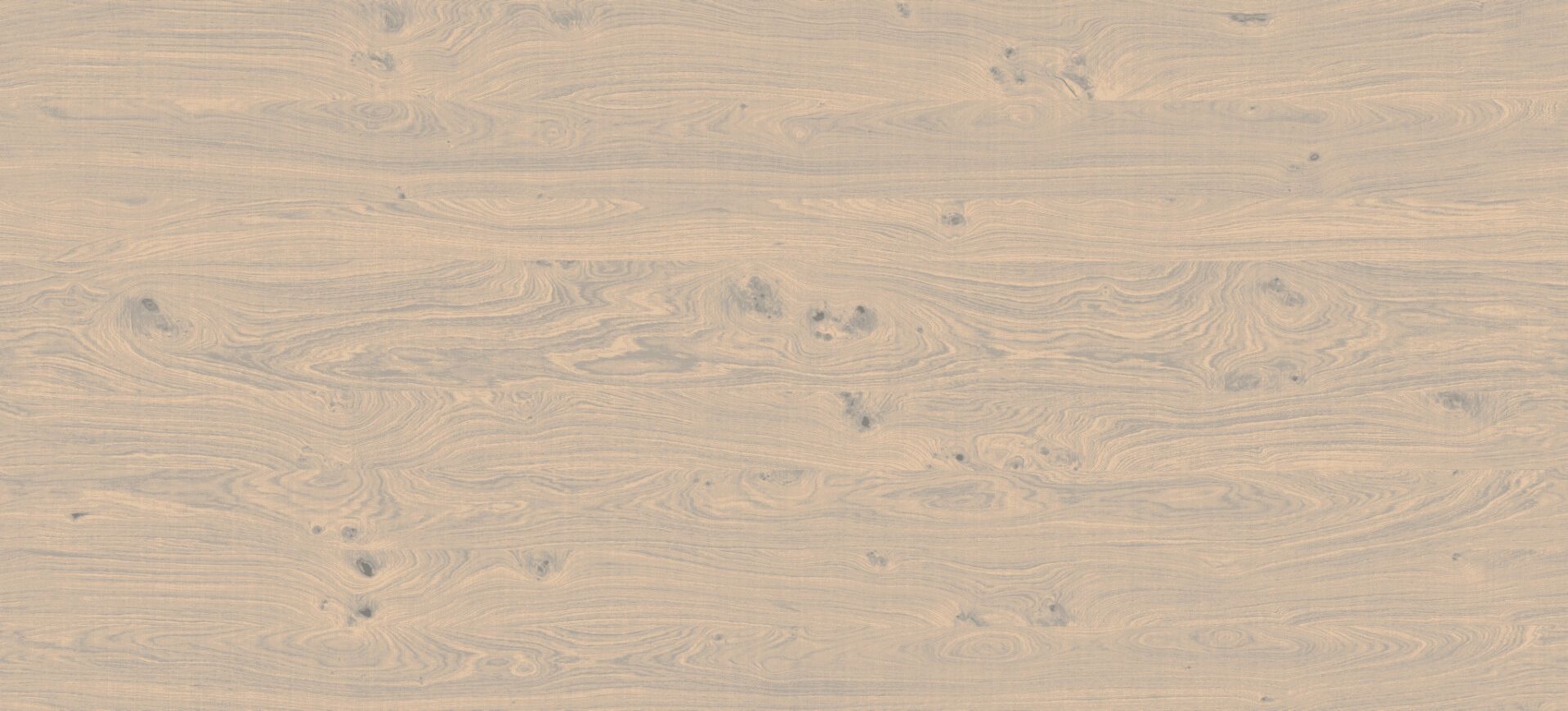
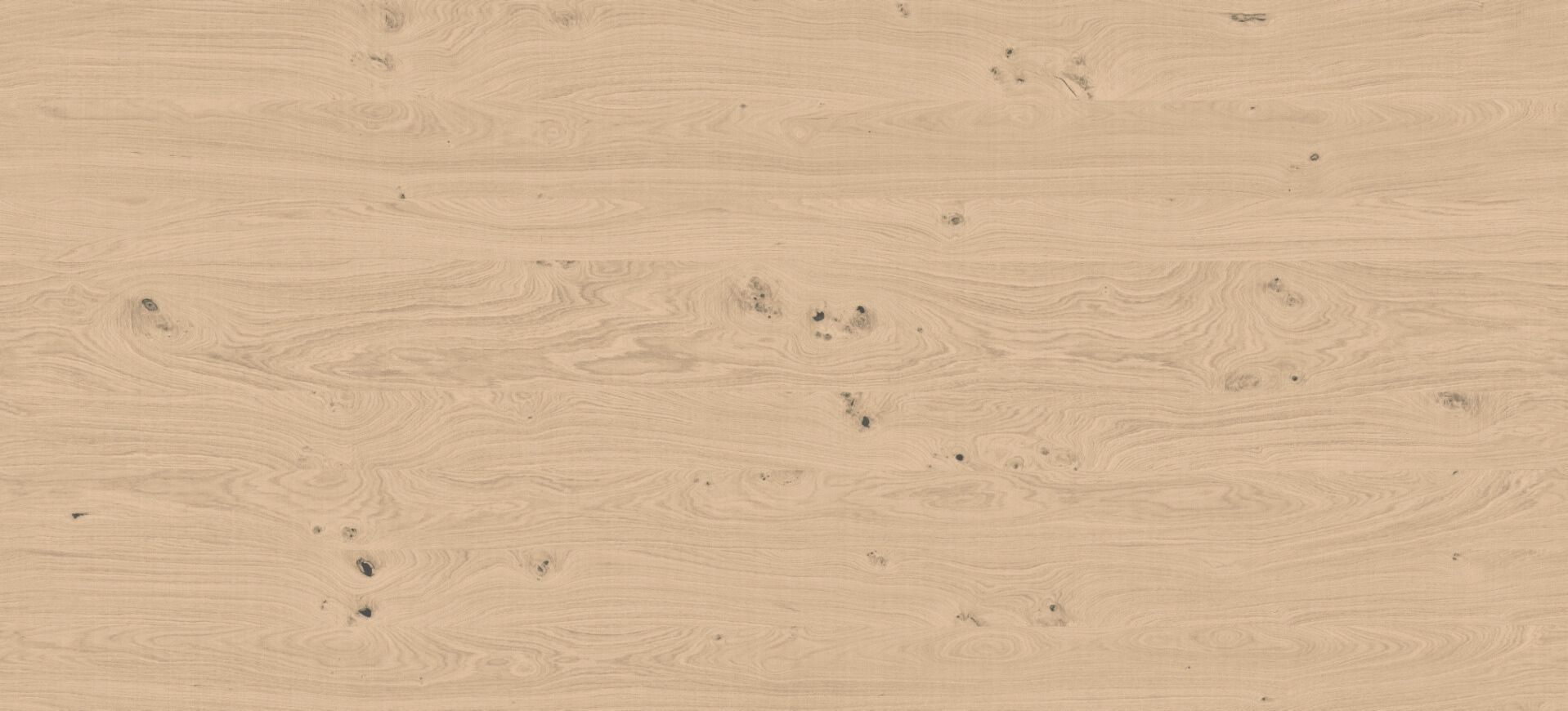
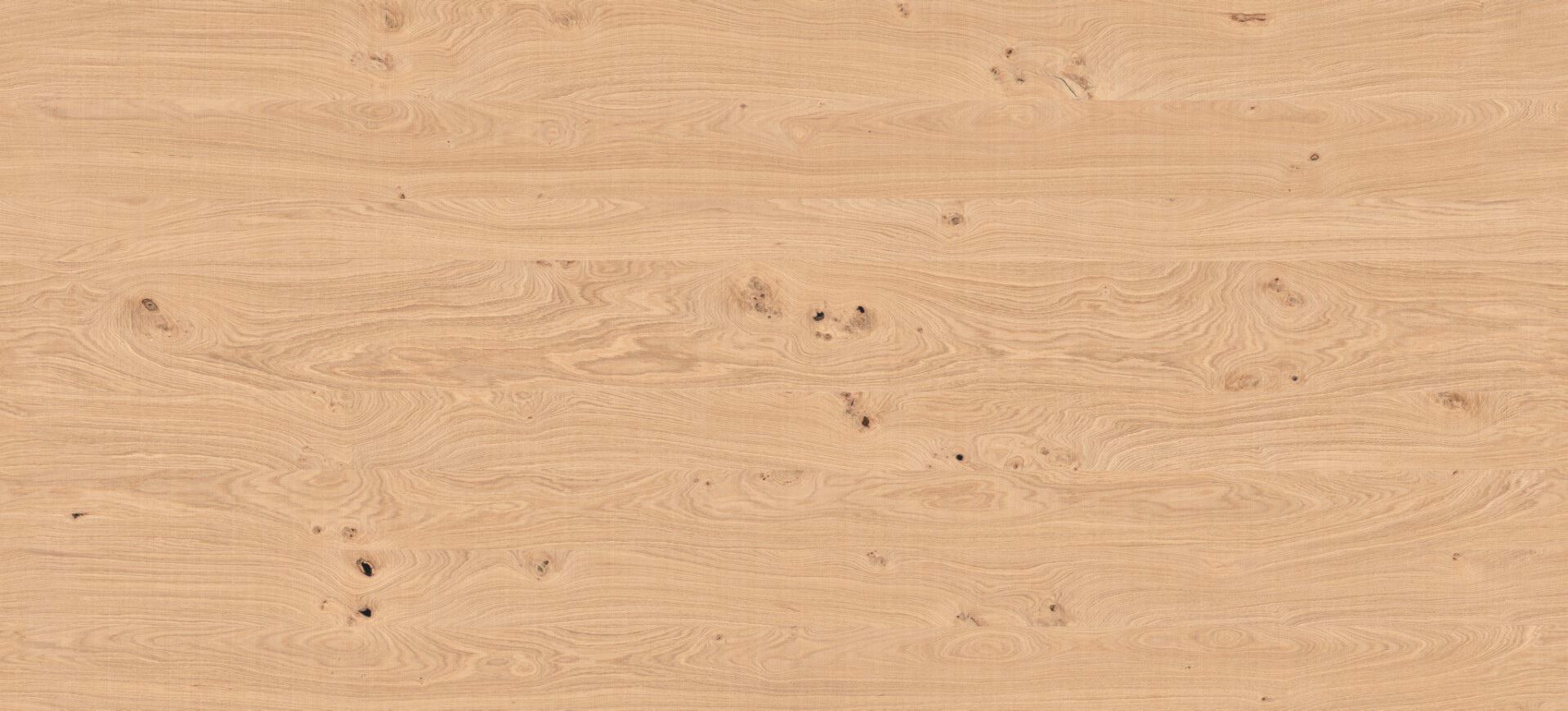
We work with solid European oak of 40 mm thick. The top is stained in 19 colours and then finished with two coats of clear matt 2K lacquer. Those colours run from honey tones to golden brown, so you can match the table to your floor or your cabinets.
In Danish oval, Tulmans meubelen supplies oak up to 3000 x 1300 mm, made to measure to the millimetre within that limit. An oak top is intended for indoor use and is not suitable outdoors. More background on the wood species is available with the wooden dining tables and the oval oak dining tables.
Oak is also the wood most people already have elsewhere in the house. That makes it straightforward to place next to an existing floor, a beam or an oak cabinet. With 19 stain colours you fine tune the match rather than hoping for it.
Danish oval in walnut: the most exclusive wood species
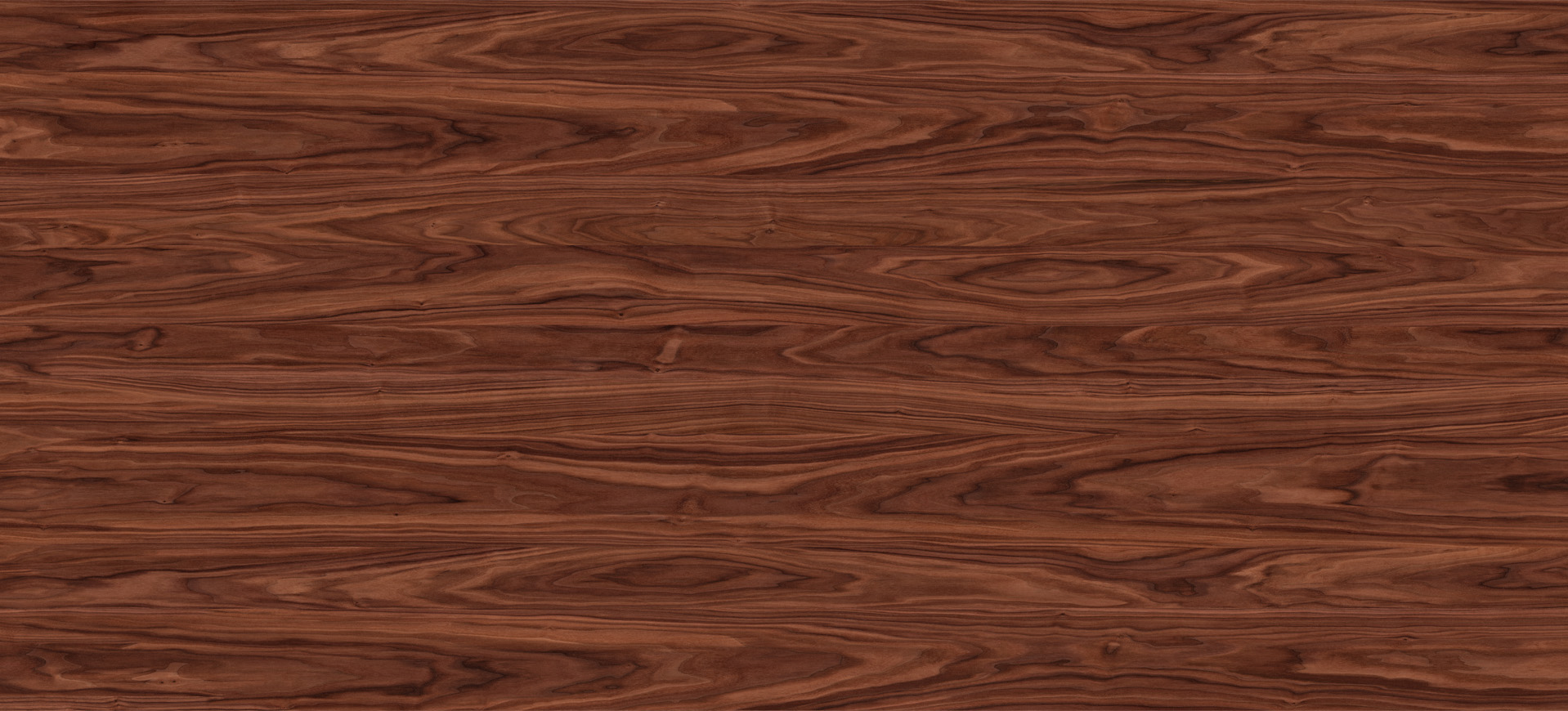
Walnut gives your Danish oval table a deep chocolate brown colour with purple undertones. It is the most exclusive wood species in our range and draws the eye in any interior. A Danish oval top suits that figure particularly well, because the long straight sides let the grain run on without interruption.
Walnut is lighter in weight than oak and still dimensionally stable. The finish matches that of oak: stained and lacquered with two coats of clear matt 2K lacquer, in a thickness of 40 mm. Under prolonged direct sunlight walnut can lighten slightly, and UV blockers in the lacquer limit that effect.
In Danish oval, walnut goes up to 2600 x 1300 mm, again made to measure to the millimetre. Like oak, walnut is suitable for indoor use only. The full collection sits with the walnut dining tables.
Because walnut is the more expressive of the two woods, it asks for a calmer setting around it. A plain base and a quiet floor let the figure of the top do the talking.
Judge the colour at home first: stain and ceramic colours read differently in your own daylight and against your own floor. Order material samples from €2.50 per sample; that amount is refunded on return. It lets you compare the shade calmly next to your cabinet wall before you decide.
Danish oval in ceramic: the largest format and the highest load capacity
If you choose Danish oval in ceramic, you get the most carefree table top in our collection. Ceramic resists heat, scratches and stains, so a hot pan or a glass of red wine is no problem. The material is sintered at extremely high temperature and therefore has very low porosity.
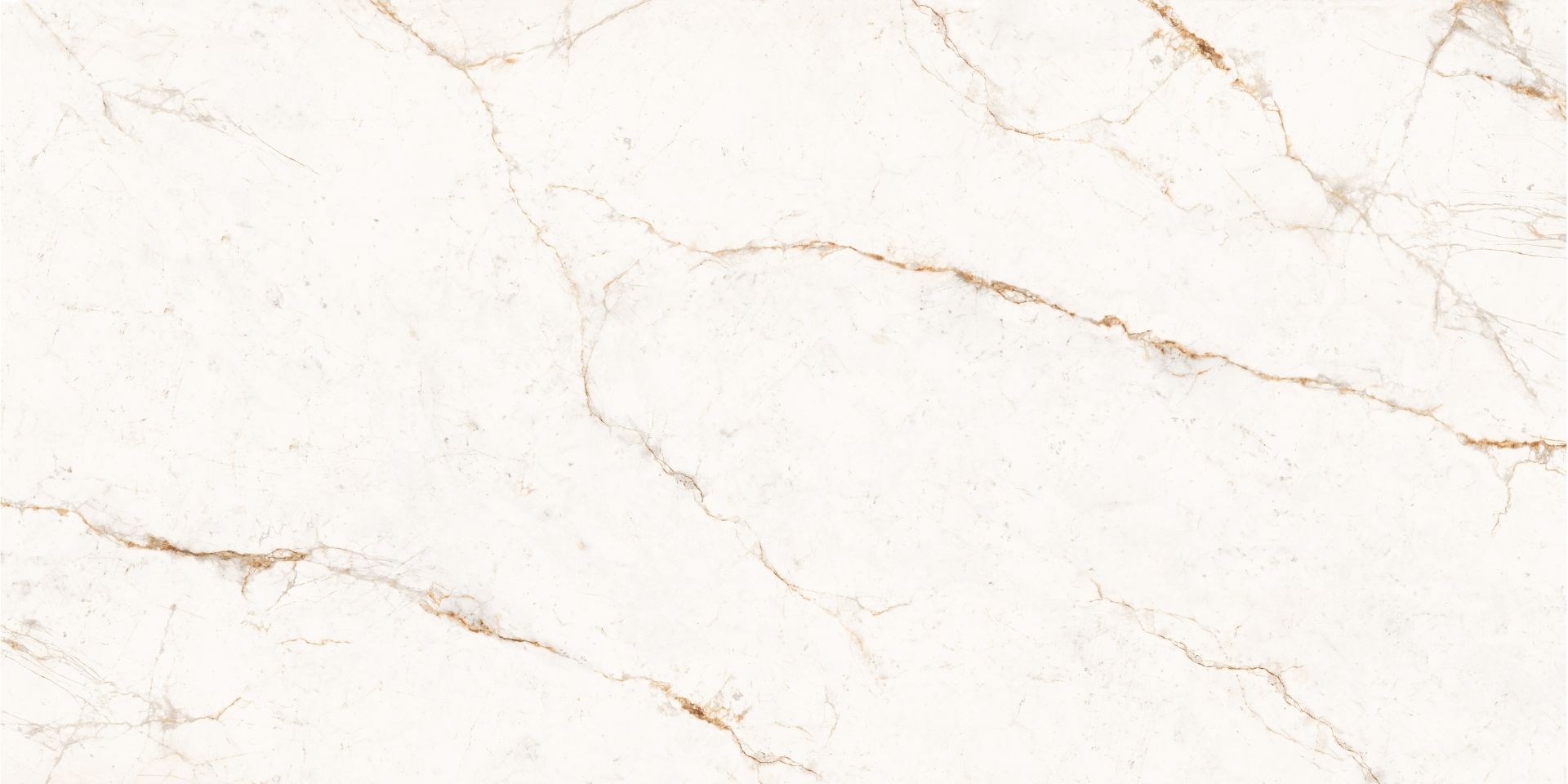
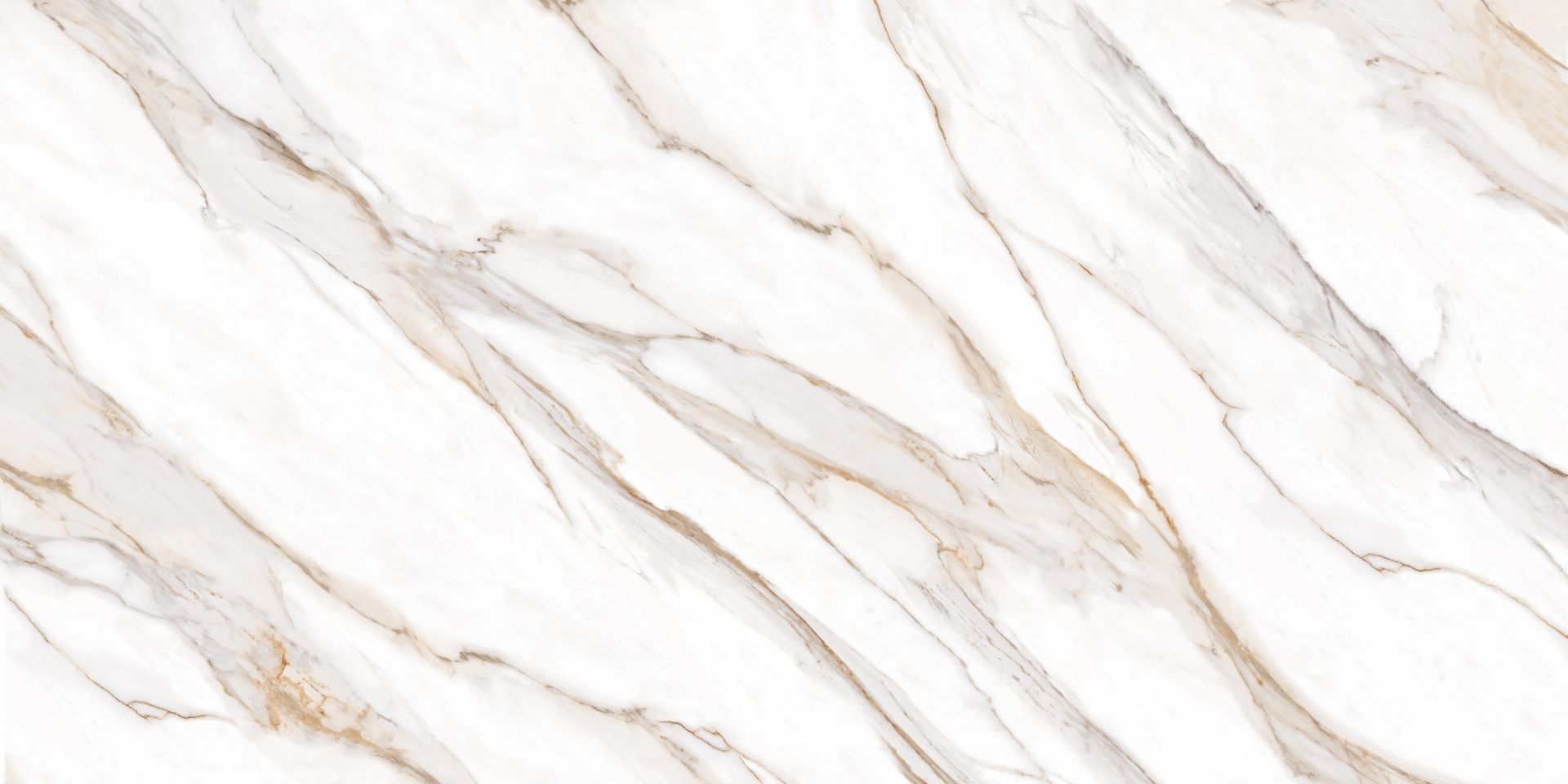
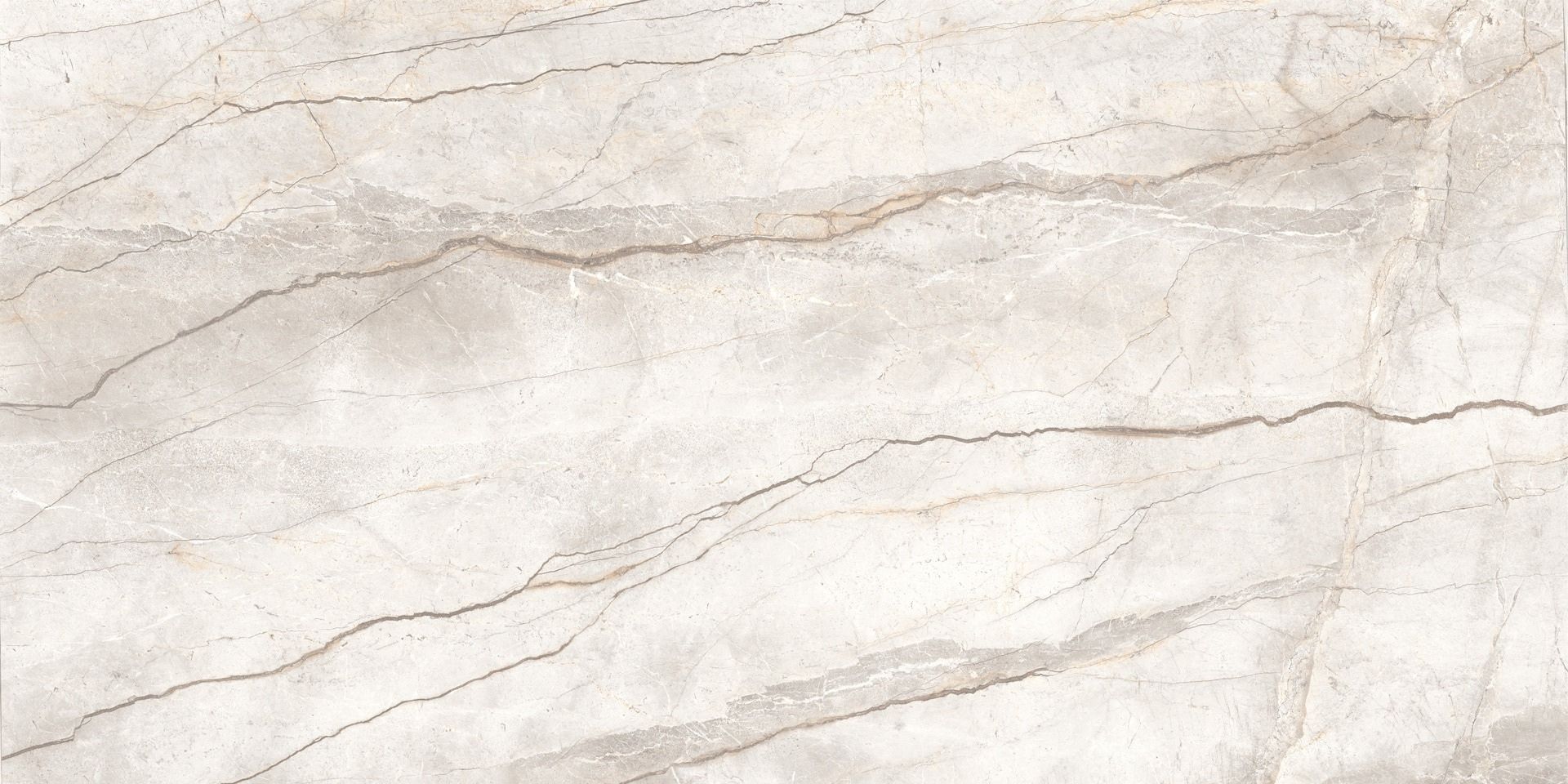
For large families and long tables, ceramic is the most generous choice: up to 3200 x 1600 mm in Danish oval. There are 29 colours available, from concrete look to marble figure, in a top thickness of 12 mm. Ceramic is also UV resistant and therefore suitable indoors and outdoors.
Two points belong in any honest piece of advice. Ceramic is a heavy material, so allow for extra hands when the table is positioned. The edge is also sensitive to hard point loads, for instance when a heavy pan knocks against it.
In practice this is the top for households that use the table all day. Homework, laptops, hot pans and craft projects all land on the same surface. For the rounder version of the same material choice, look at the oval ceramic dining tables.
Danish oval in granite: natural stone with a figure of its own
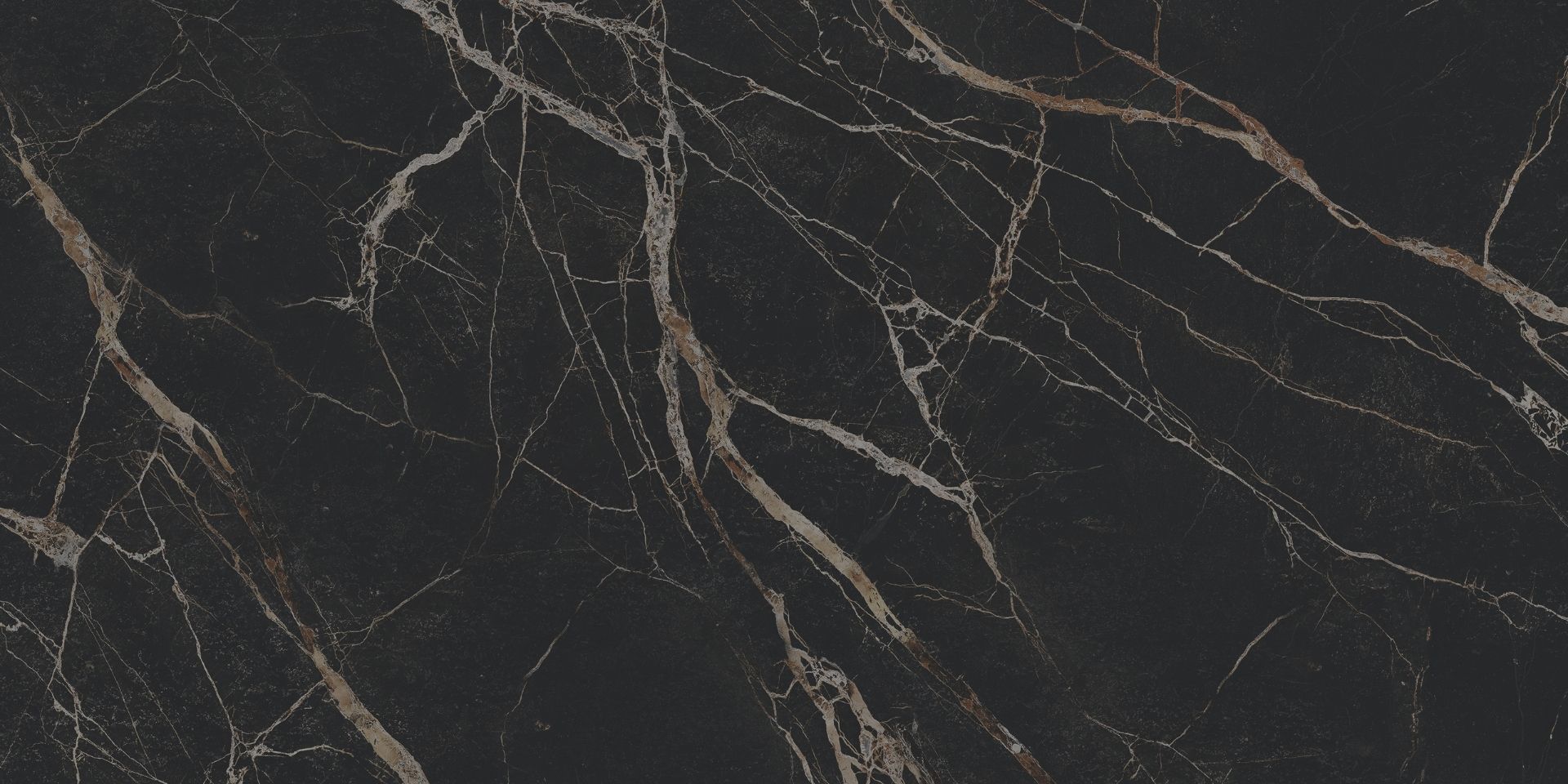
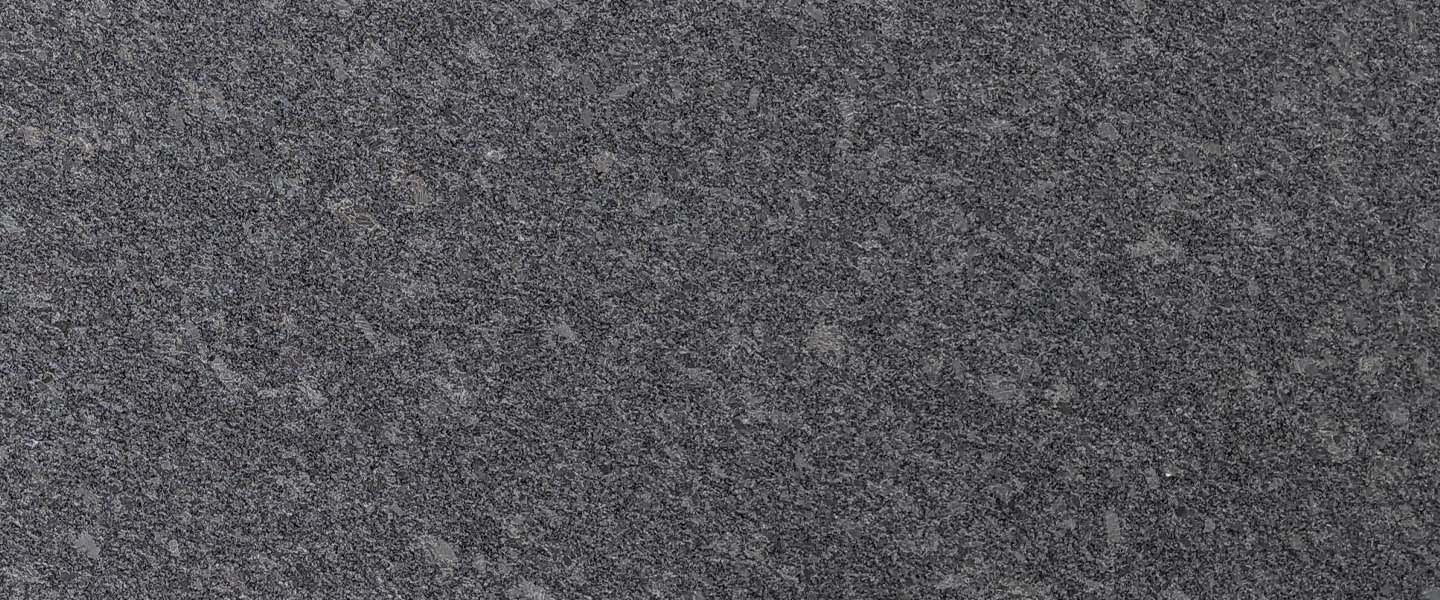
Granite gives your dining table a figure that is never repeated in exactly the same way. It is volcanic natural stone, so every slab carries its own pattern of grains and veins. You choose between polished for gloss or honed for a matt, restrained appearance.
In Danish oval, granite is available up to 2400 x 1000 mm. That makes it particularly suited to a compact dining corner in which the top itself is allowed to set the tone. The scratch resistance of granite is reasonable, but lower than that of ceramic.
Natural stone does ask for a little more attention than the other three materials. The top must be impregnated on receipt and then again every two to three years. Use pH neutral cleaners without vinegar or lemon, and put hot pans on trivets.
The full collection sits with the granite dining tables.
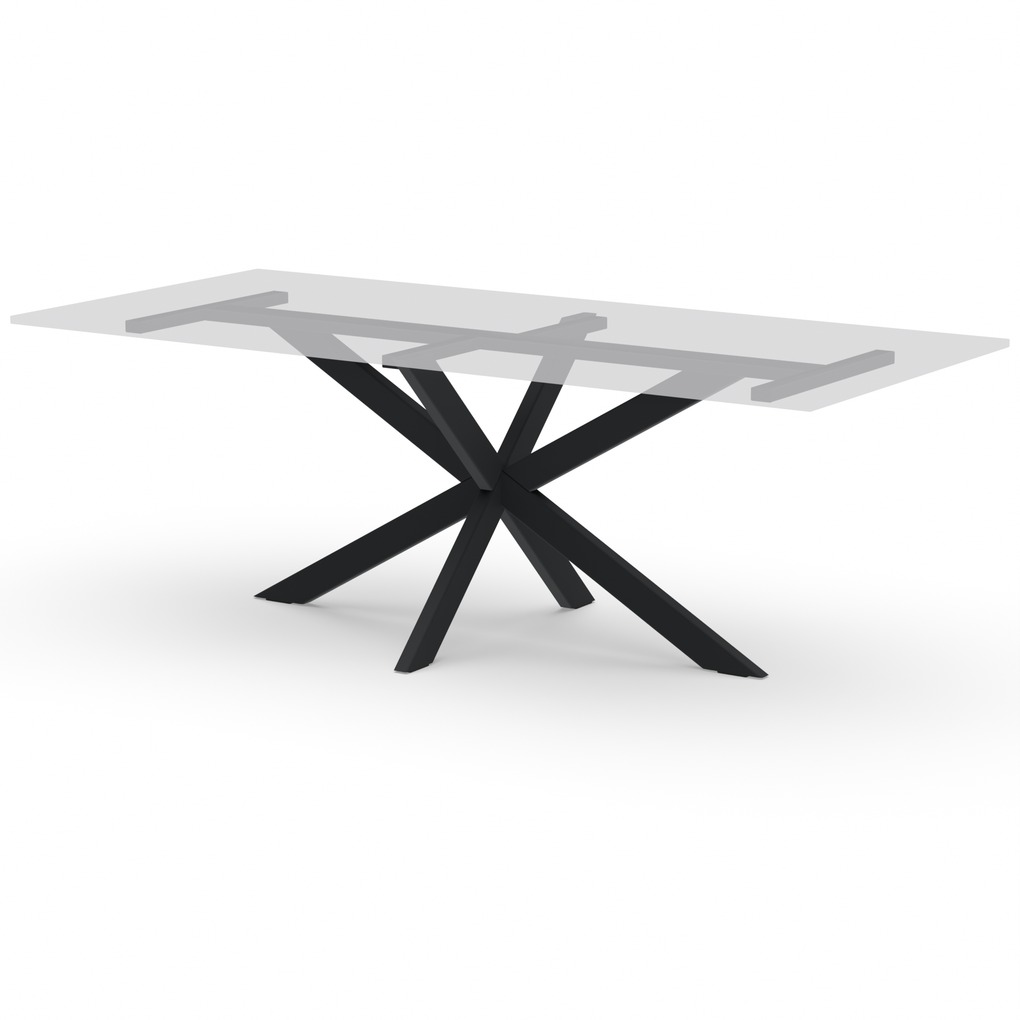
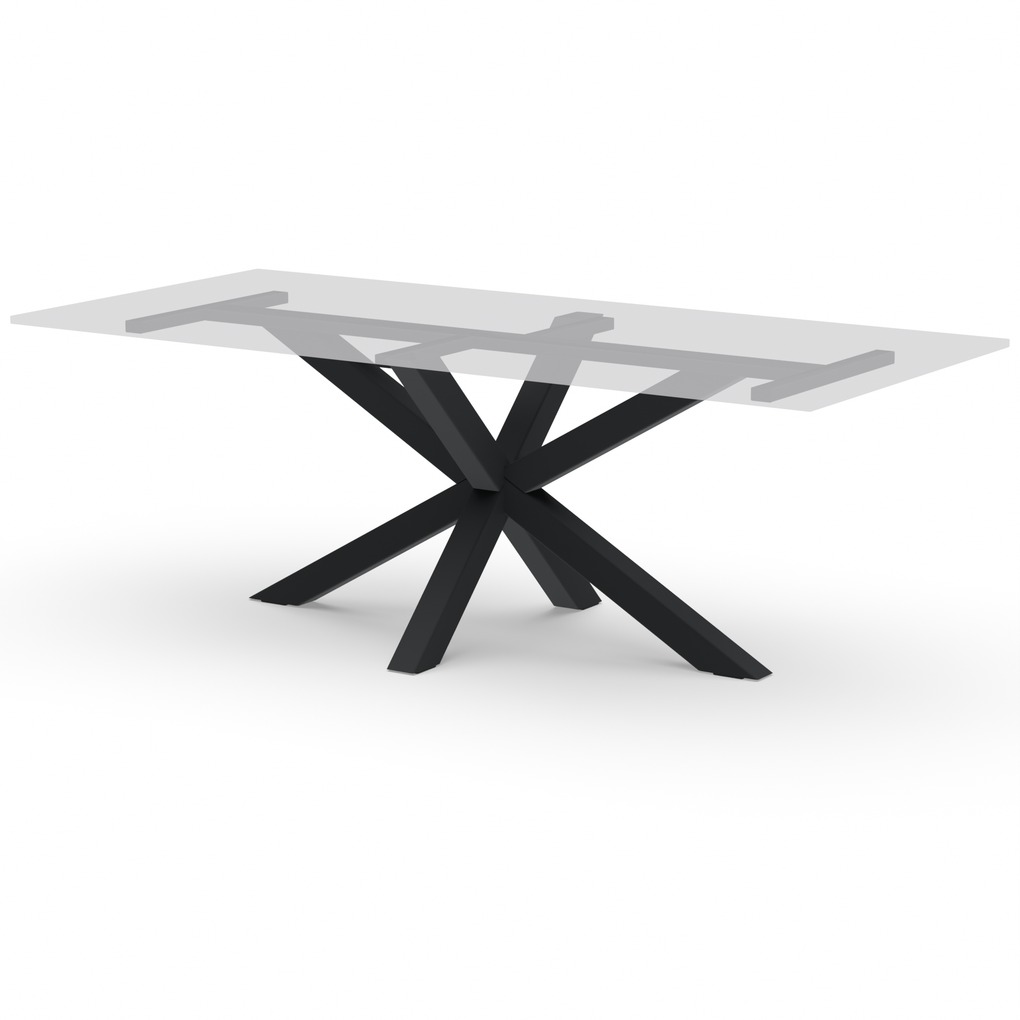
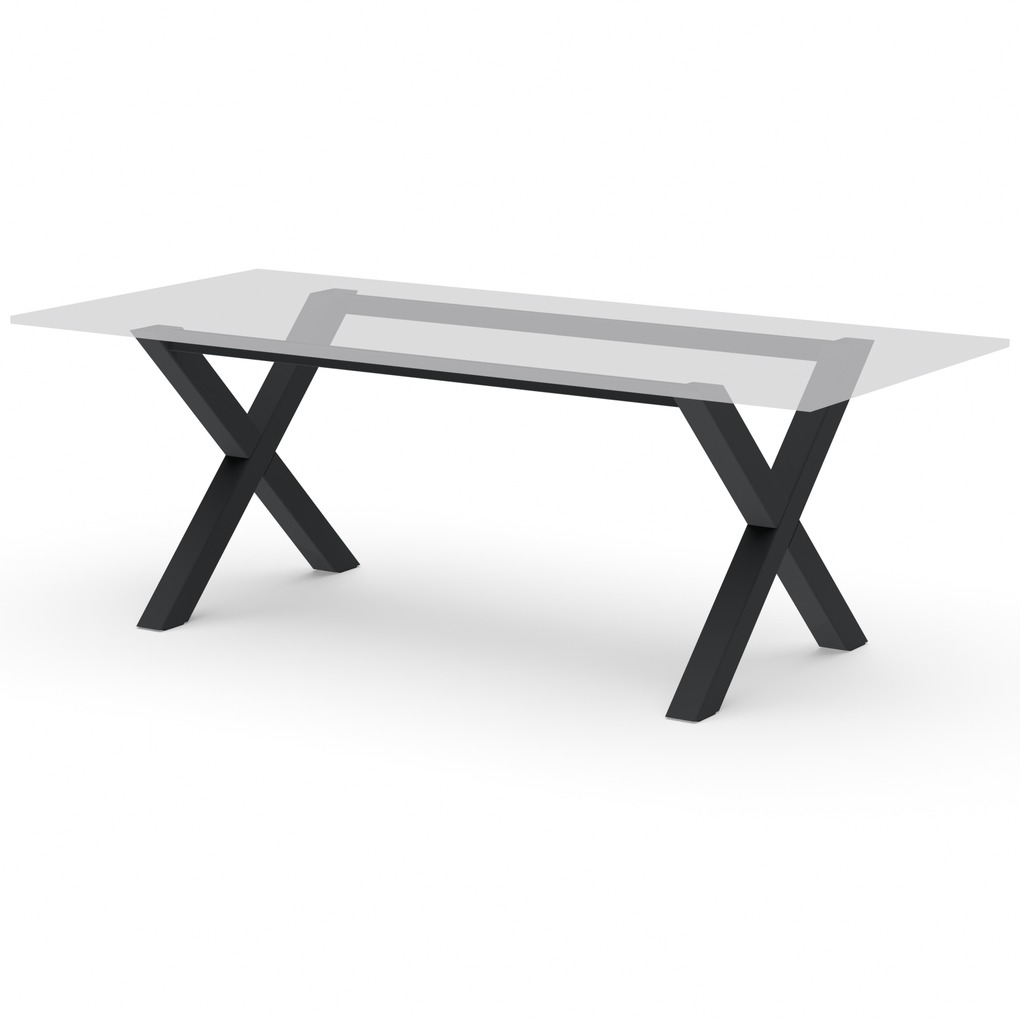
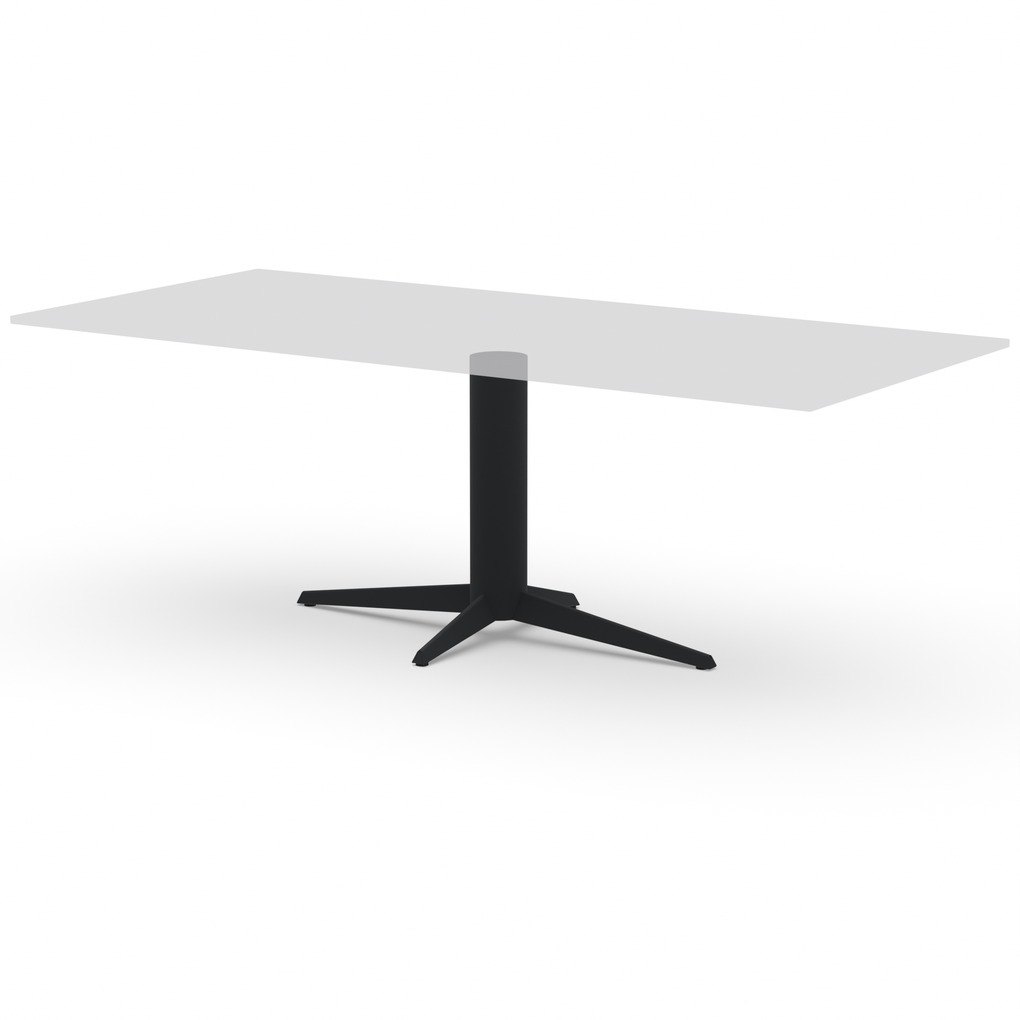
The base: powder coated steel or brushed stainless steel
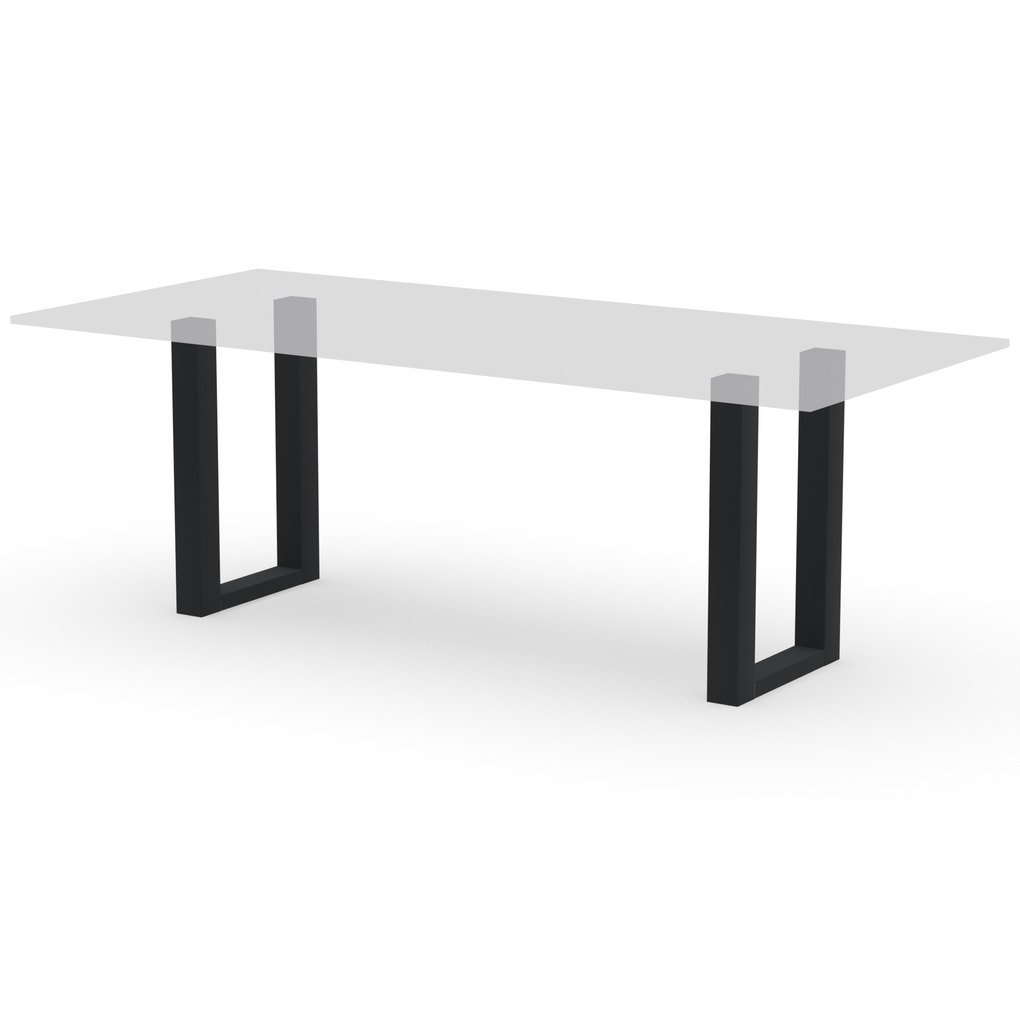
The base decides whether your Danish oval table reads as industrial, warm or restrained. You choose between powder coated steel in any colour you like or brushed stainless steel 304. Both are welded in our own workshop in Maasbree, Netherlands.
Powder coated steel gets a fine texture powder coating, which lets you match the colour precisely to your interior. The point to note is that the coating can be damaged by heavy impact. Brushed stainless steel 304 is naturally corrosion resistant, and fingerprints show but wipe away easily.
The choice between steel and stainless steel is aesthetic, not functional: neither of the two is technically better. Compare the models with the table bases, or go straight to the steel table bases and the stainless steel table bases.
Colour matching is the part most people underestimate. A base in the same tone as the top makes the table read as one object. A contrasting base sets the top apart as a floating plane.
How many people fit at a Danish oval dining table?
Allow 70 to 75 cm of width per person along the straight long side. This is exactly where the shape works in your favour: because the long sides are straight, every chair lines up neatly. On a fully oval top the outer chairs turn with the curve and you lose seats.
A top of 200 cm therefore seats three people per long side. At 240 cm you sit comfortably with three to four per side, and each rounded end takes one extra guest. Count those ends in and a table of 240 cm brings you to eight to ten people.
Keep at least 80 cm of clear walking space all around, measured from the table edge to the wall or the cabinet. The standard table height is 76 cm, which matches almost all dining chairs. A step by step explanation of sizing is set out in the article choosing a made to measure dining table.
Measure the room before you settle on a length. Take the wall to wall distance, subtract 80 cm of walking space at each end, and the remainder is the longest top the room will carry comfortably.
The four materials side by side
| Material | Maximum size in Danish oval | Strong points | Point to note |
|---|---|---|---|
| Solid oak | 3000 x 1300 mm | 40 mm thick, open grain, 19 stain colours, can be sanded back | Indoor use only |
| Walnut | 2600 x 1300 mm | 40 mm thick, chocolate brown with purple undertones, stable | Can lighten slightly under prolonged direct sunlight |
| Ceramic | 3200 x 1600 mm | 12 mm, resists heat, scratches and stains, 29 colours, indoors and outdoors | Heavy; edge sensitive to hard point loads |
| Granite | 2400 x 1000 mm | Volcanic natural stone, own pattern, polished or honed | Impregnate on receipt and every 2 to 3 years |
Translated into advice: if you have young children or you cook at the table, choose ceramic. If you want warmth, a surface you like to touch and a top that improves with the years, choose oak. Looking for the most remarkable wood, walnut is the answer, and if you want natural stone with a figure of its own, granite is where you end up.
Putting your own Danish oval table together
In the 3D table configurator you build your table step by step. You choose the Danish oval shape, the material, the colour, the dimensions to the millimetre and the base. With every choice you see the model turn in 3D and the price update straight away.
That way you compare without guesswork how the same top looks on a steel or on a stainless steel base. The effect of 20 cm of extra length on price and proportion is equally visible at once. If you are torn between two stain colours, order samples and lay them side by side at home.
Delivery is possible throughout the Netherlands, Belgium and North Rhine-Westphalia (Germany). From €2500 you get free delivery in the Netherlands and Belgium. Tulmans meubelen gives a two year guarantee on the construction and the finish.
Maintenance per material
Oak and walnut are maintained with a damp cloth, and nothing more is needed. The two coats of clear matt 2K lacquer close off the surface, so moisture does not soak into the grain. Do wipe up spills immediately and never leave puddles standing on the top.
Ceramic is the lowest maintenance top: wiping with a damp cloth is enough, even after greasy or coloured stains. Granite asks for more attention, with impregnation on receipt and then every two to three years. Never use acidic cleaners such as vinegar or lemon on natural stone, always a pH neutral product.
A powder coated steel base is wiped with a lightly damp cloth and no abrasive. On brushed stainless steel 304 you remove fingerprints by buffing in the direction of the brushed grain. The full instructions per material are set out on the maintenance page.
Advice, samples and the showroom
Would you like to see and feel a Danish oval top in real life first? In the showroom in Maasbree, tables in oak, walnut, ceramic and granite stand side by side. There you judge the difference in grain, gloss and edge finish at a glance.
Next to the showroom the tables pass through our own workshop in Maasbree, where the bases are welded and the tops are finished. So you see not only the end result, but also how your table comes into being. Plan your visit through the showroom page.
If you already know the size and want to go straight on, start in the table configurator or request samples first. Still weighing up the shape? Compare at leisure with the oval dining tables and the round dining tables.
If you have questions about sizing or material choice, our adviser is glad to think it through with you.
Read moreRead less
Last updated: September 3, 2026