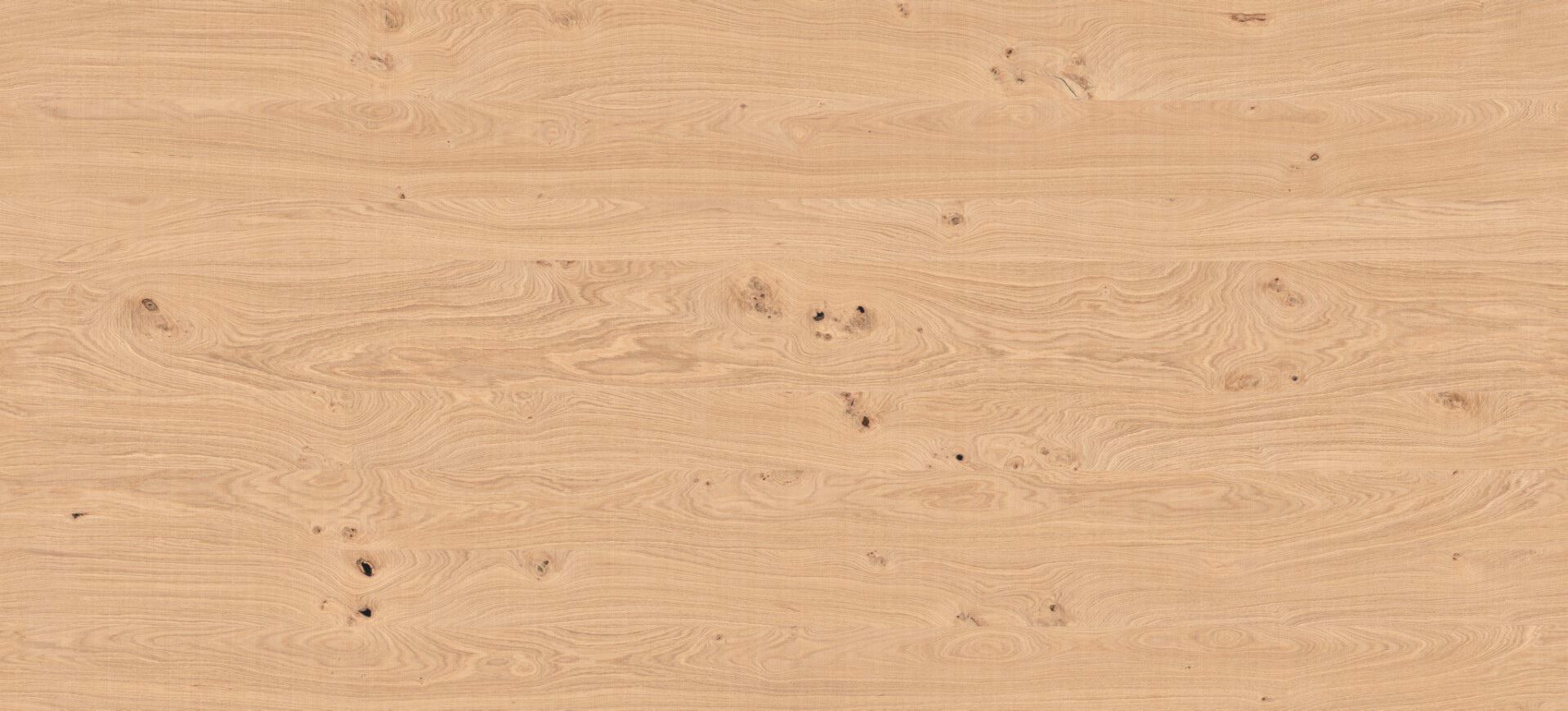
Ceramic dining tables
Complete your dining area.
Choose chairs for your tableFilters0
Filters
Table top shape





Base material
Steel base
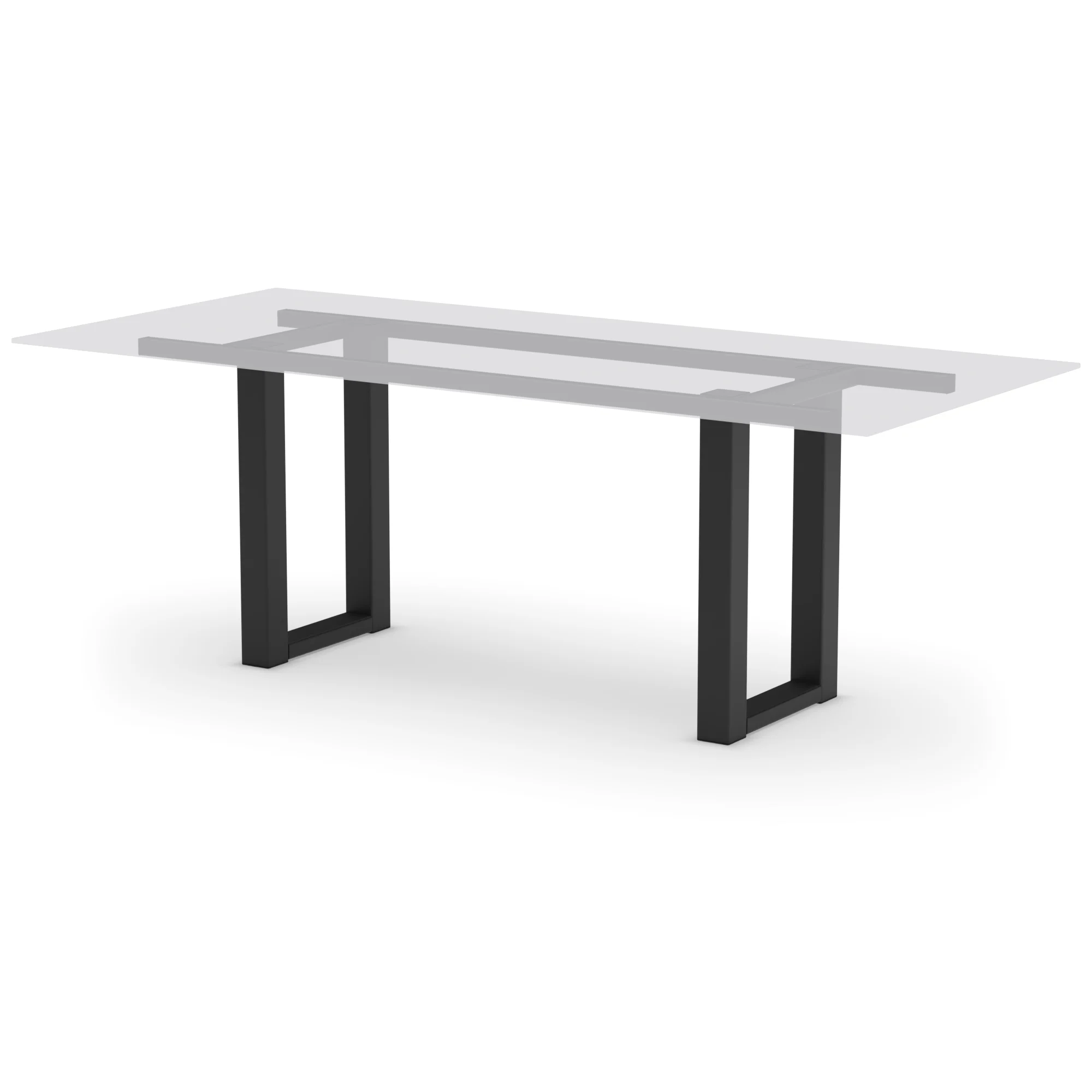
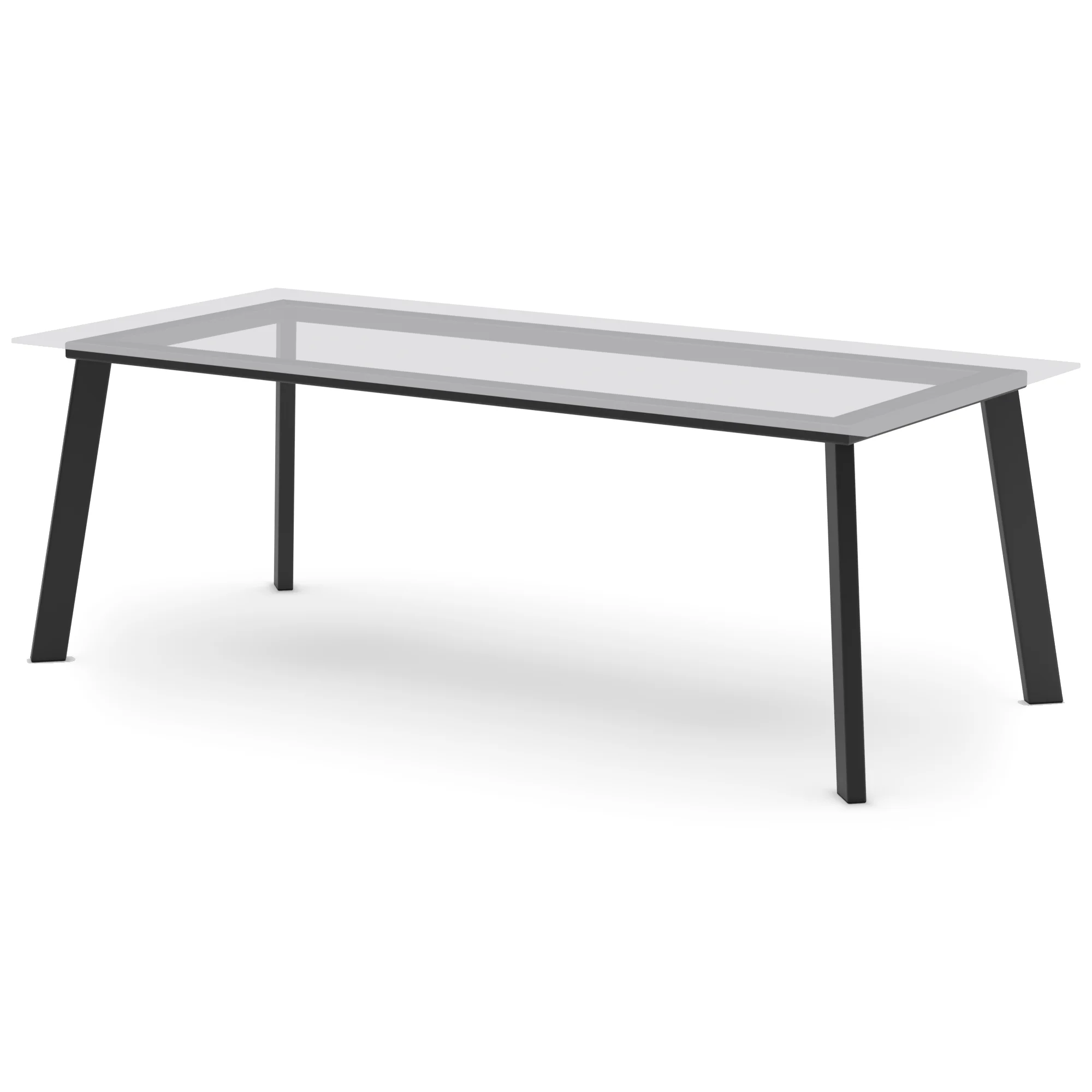
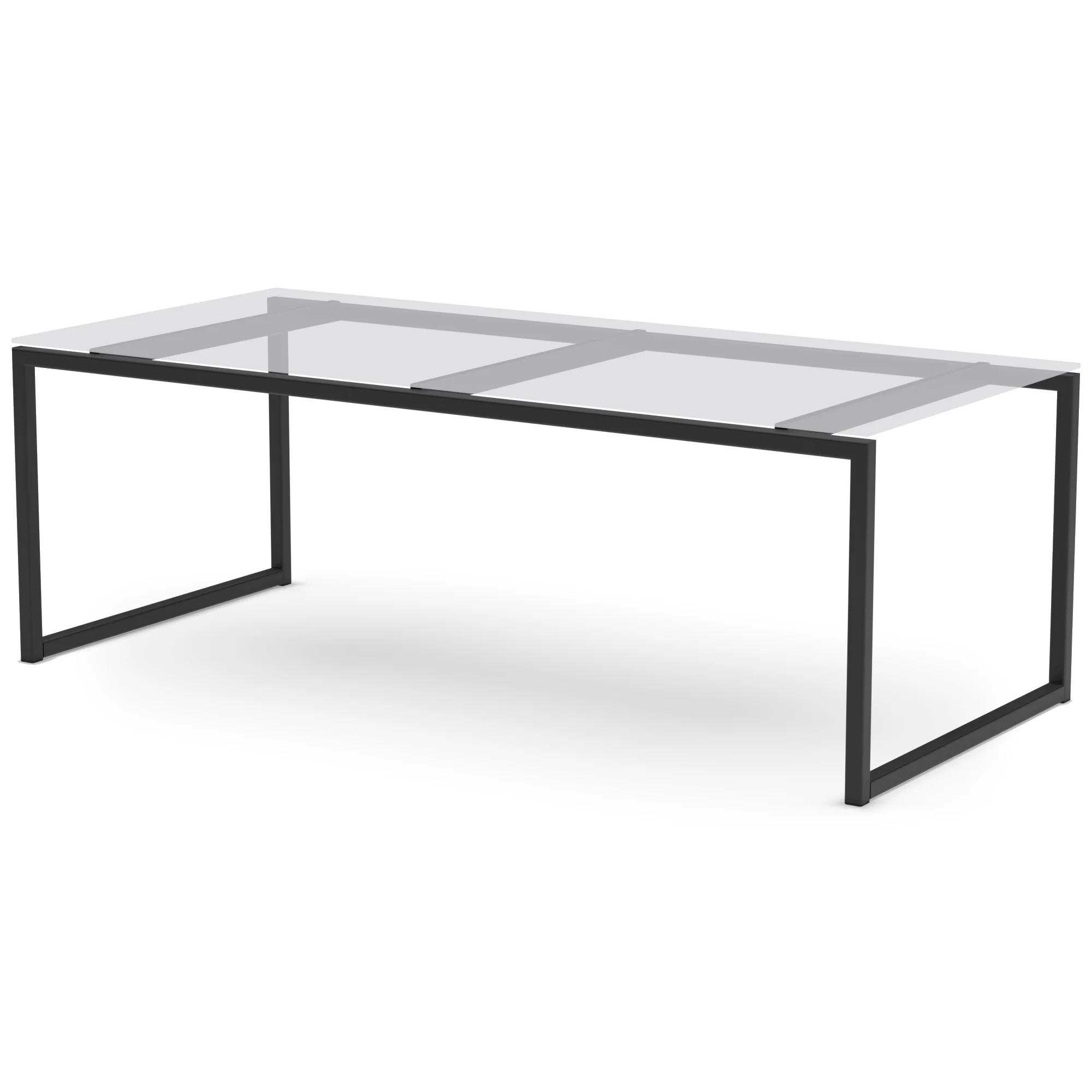
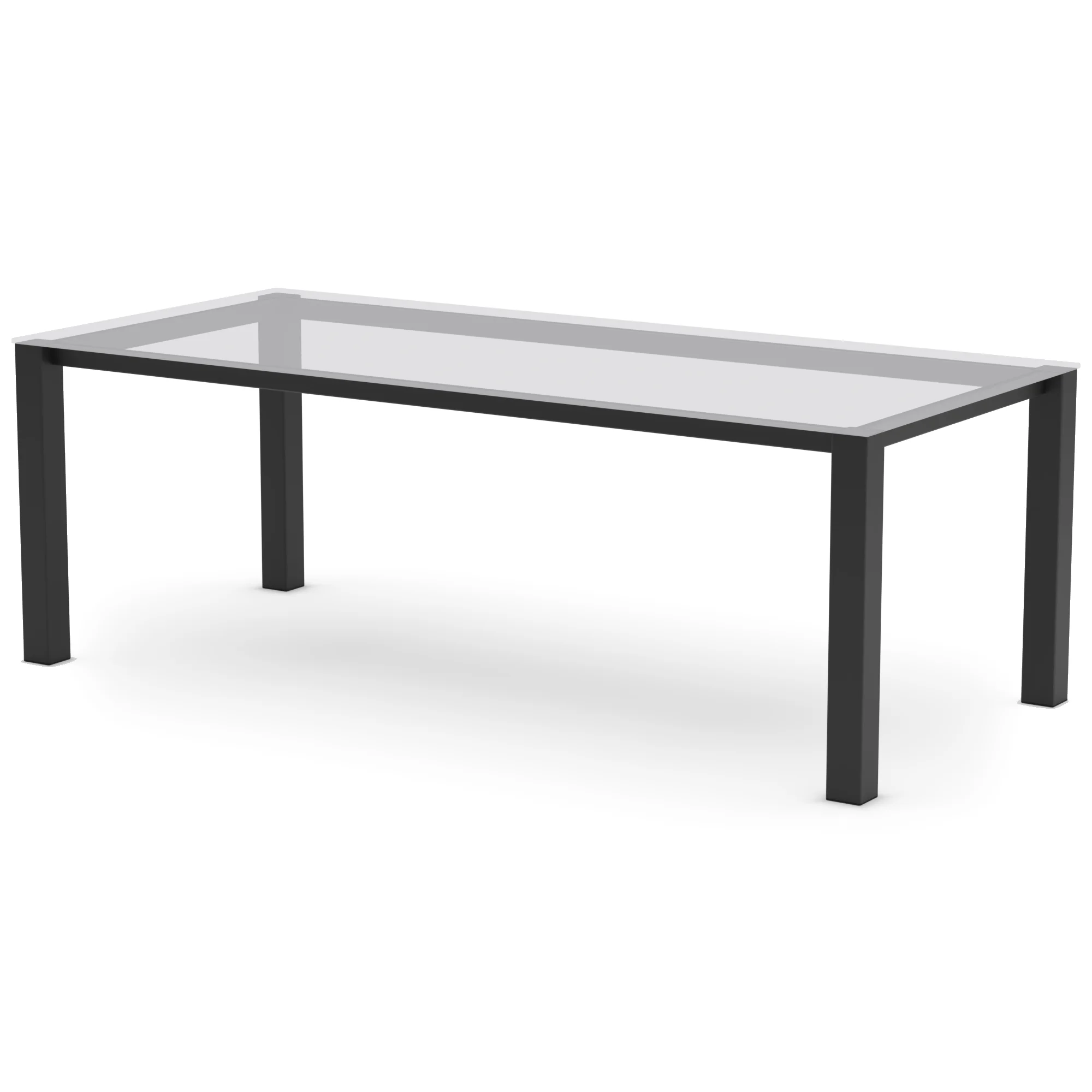

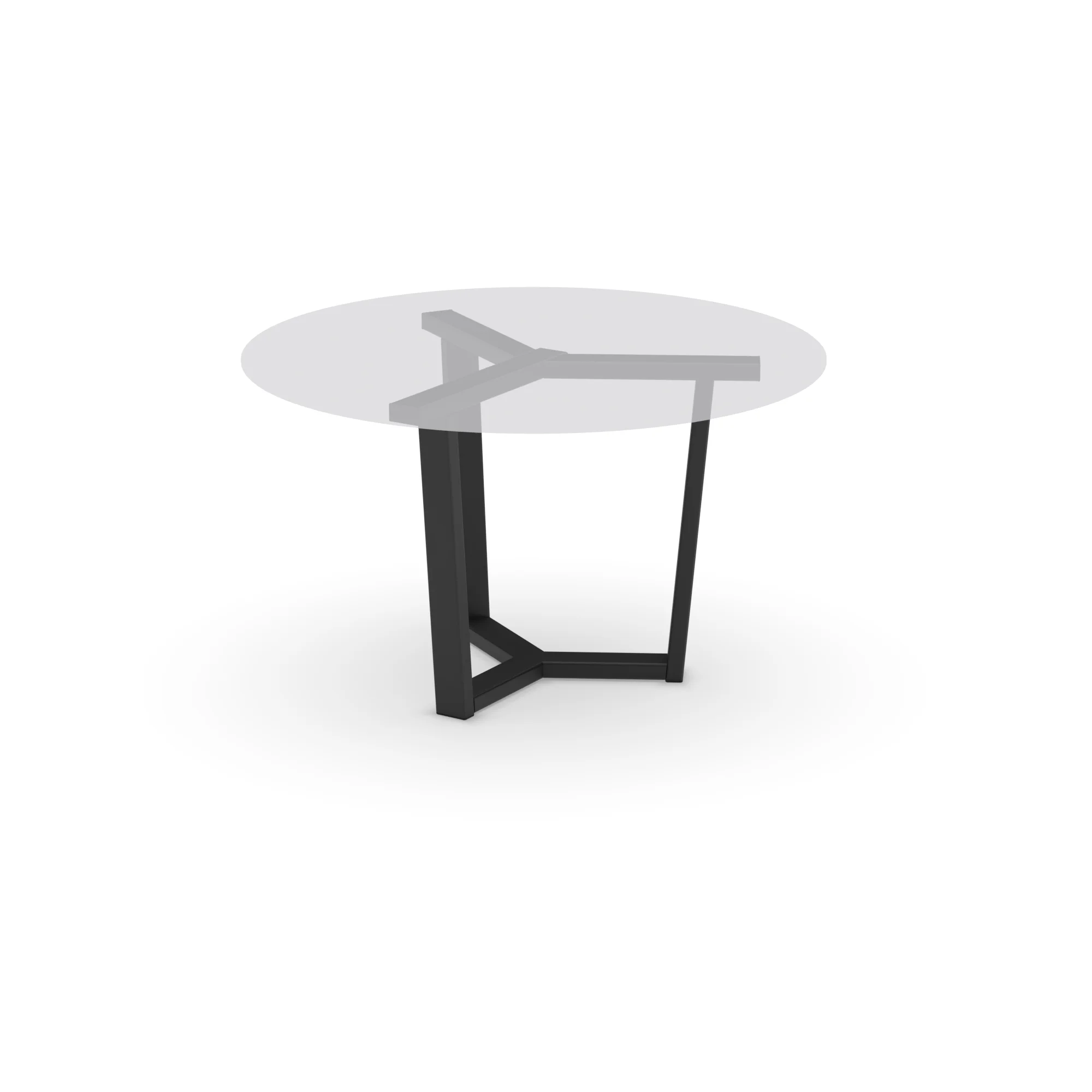
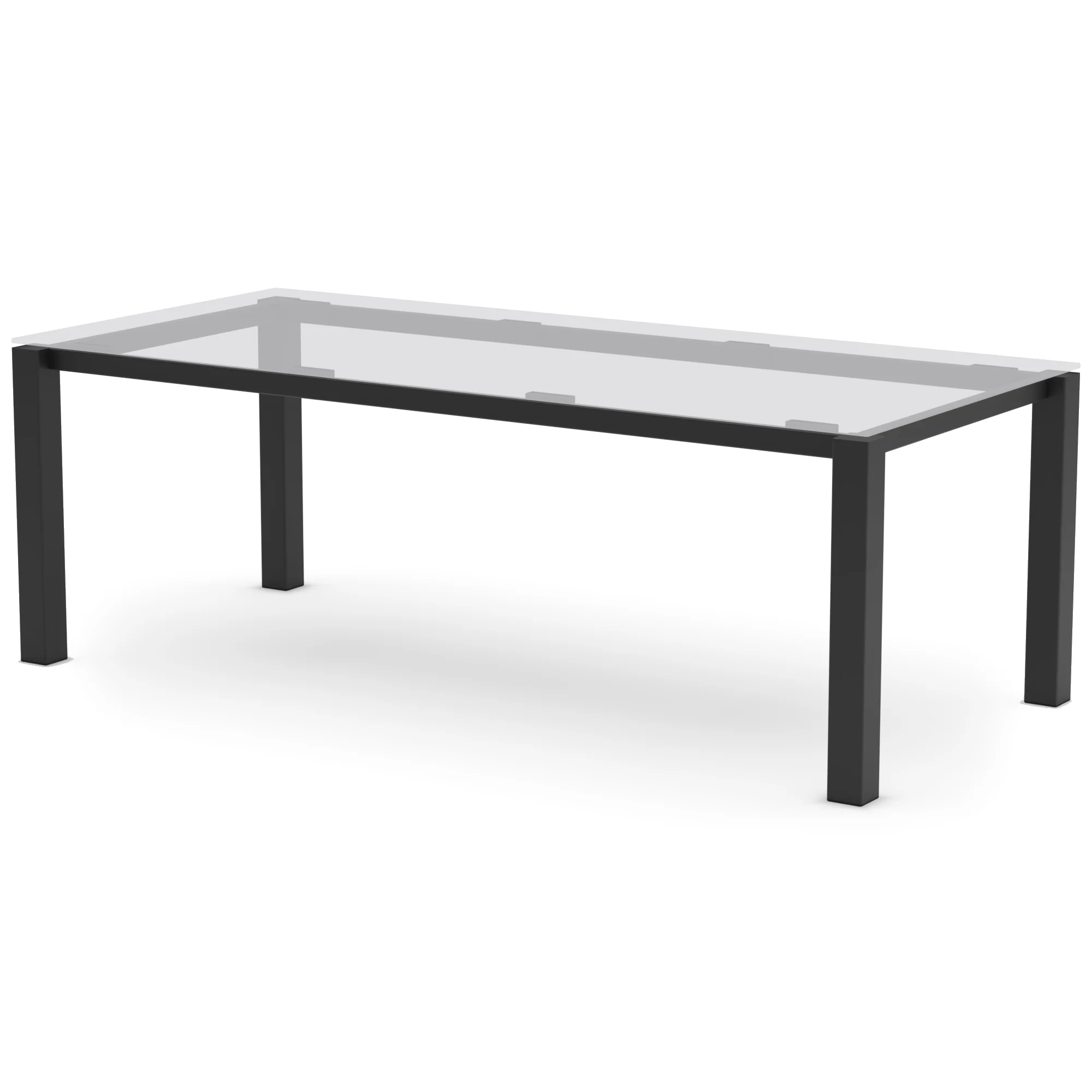
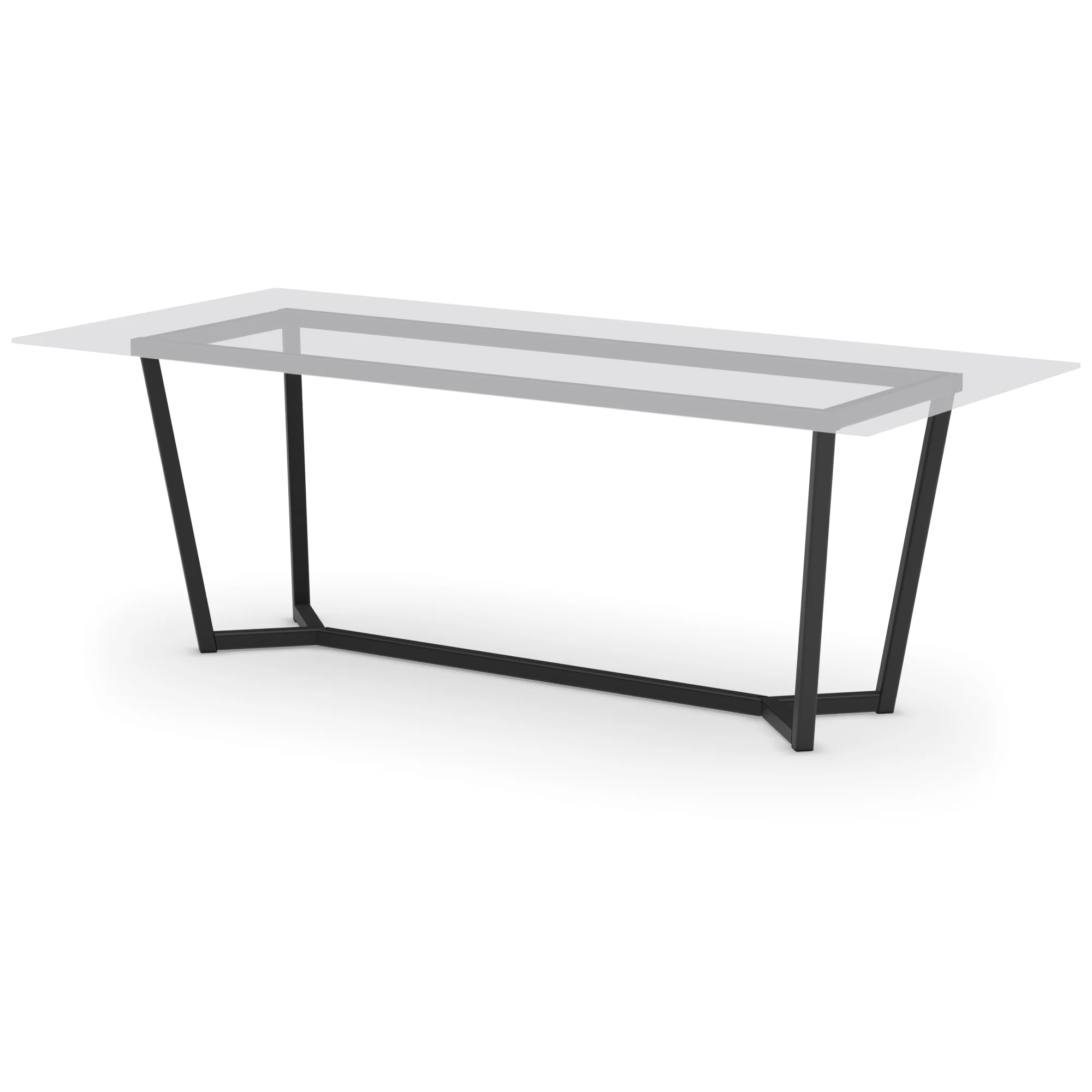
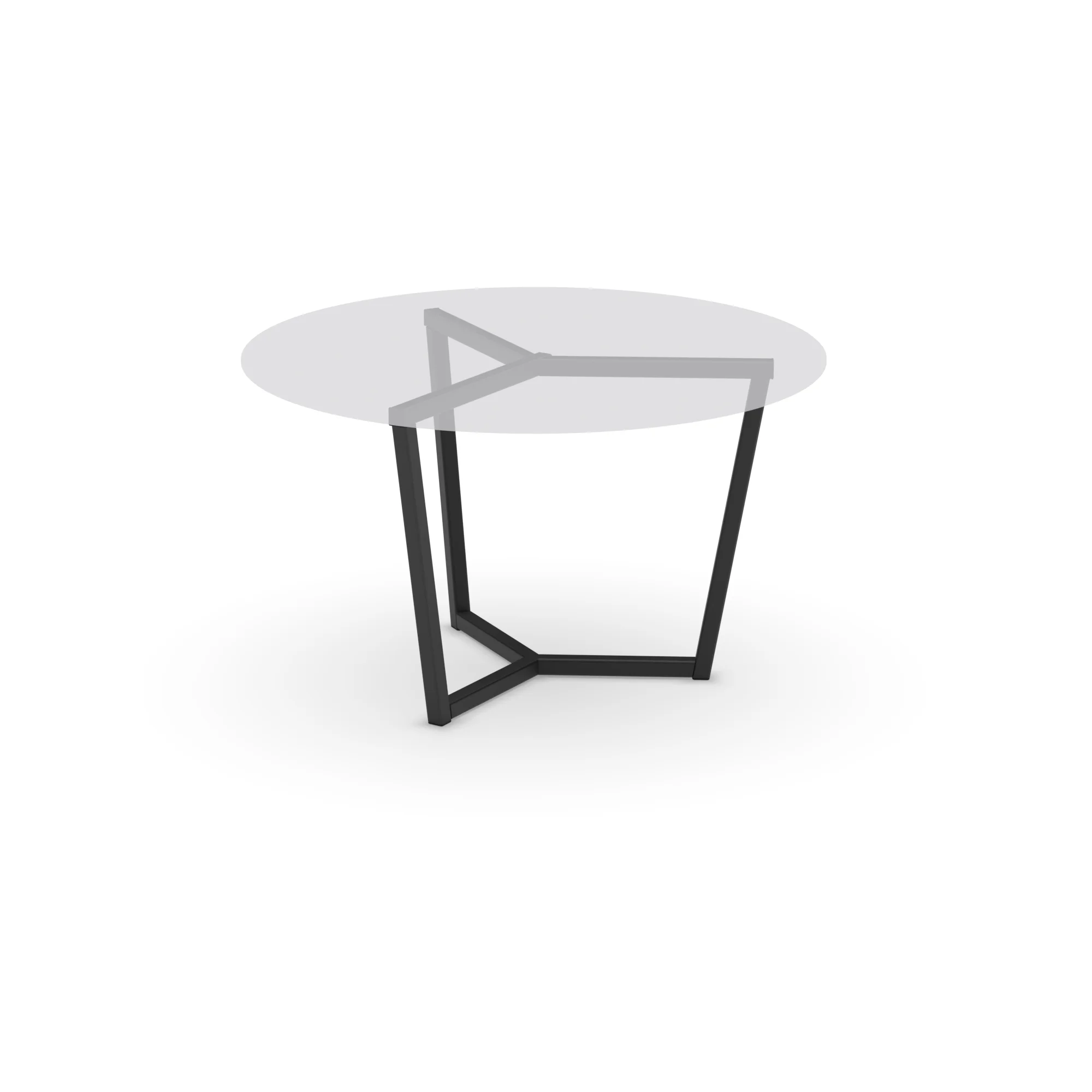
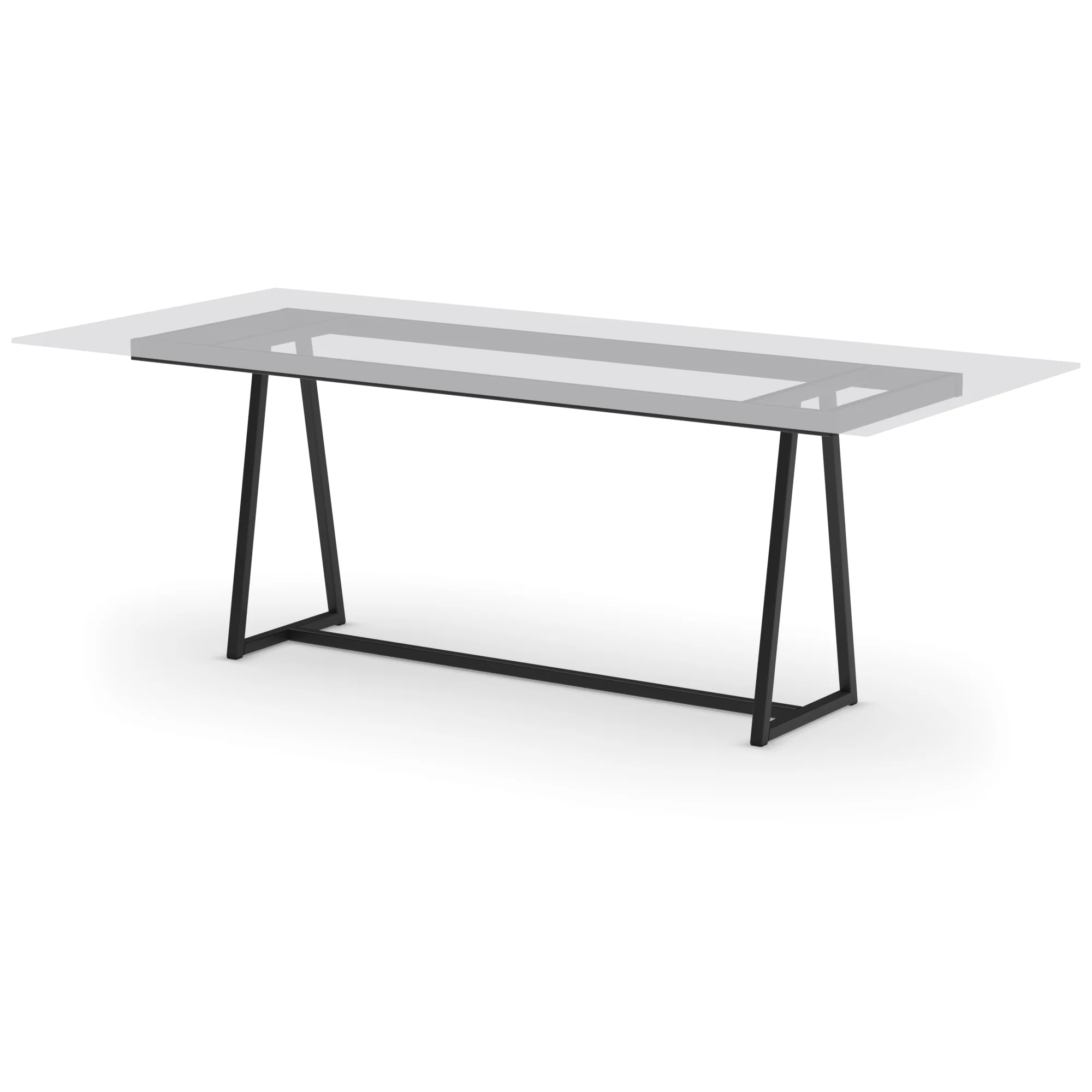
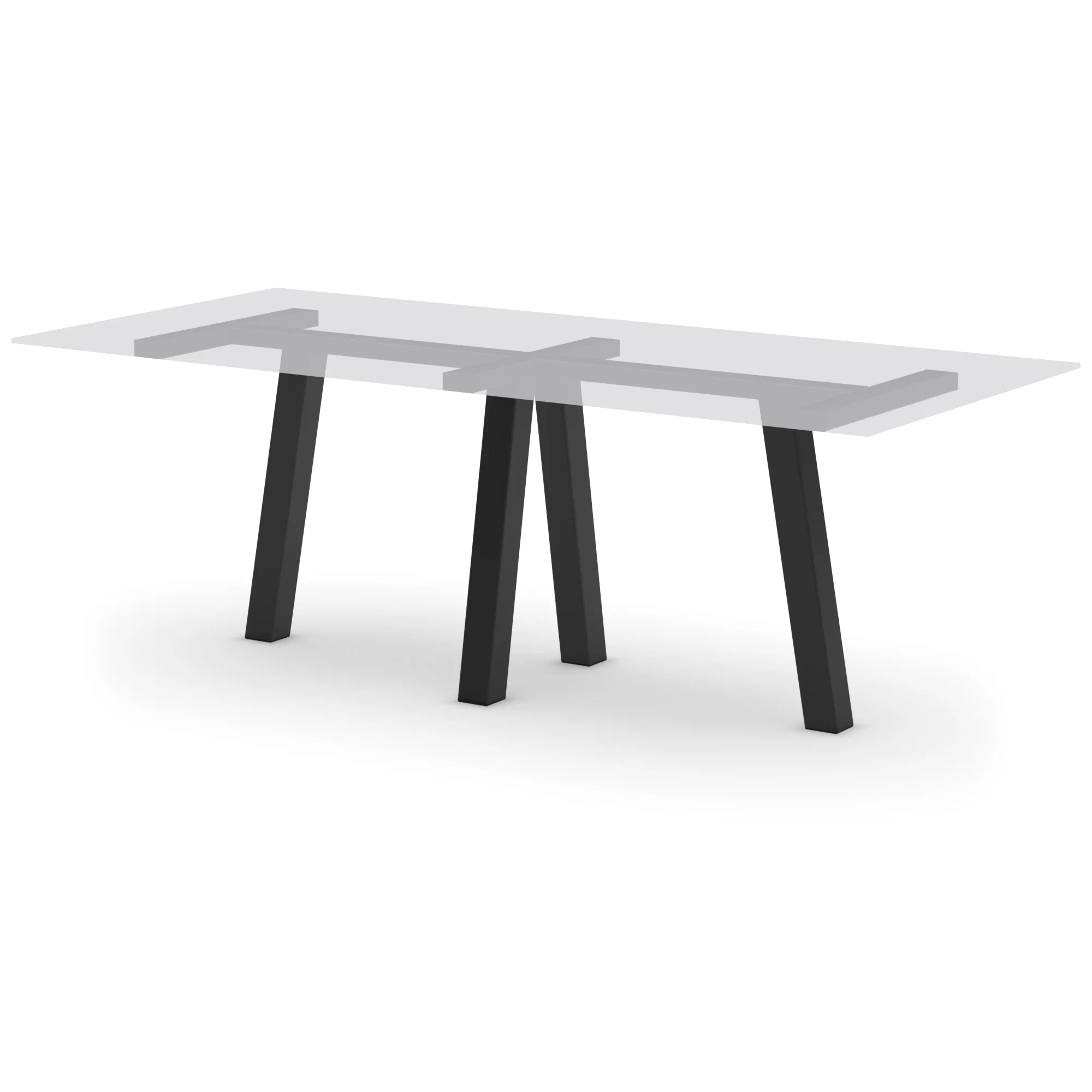
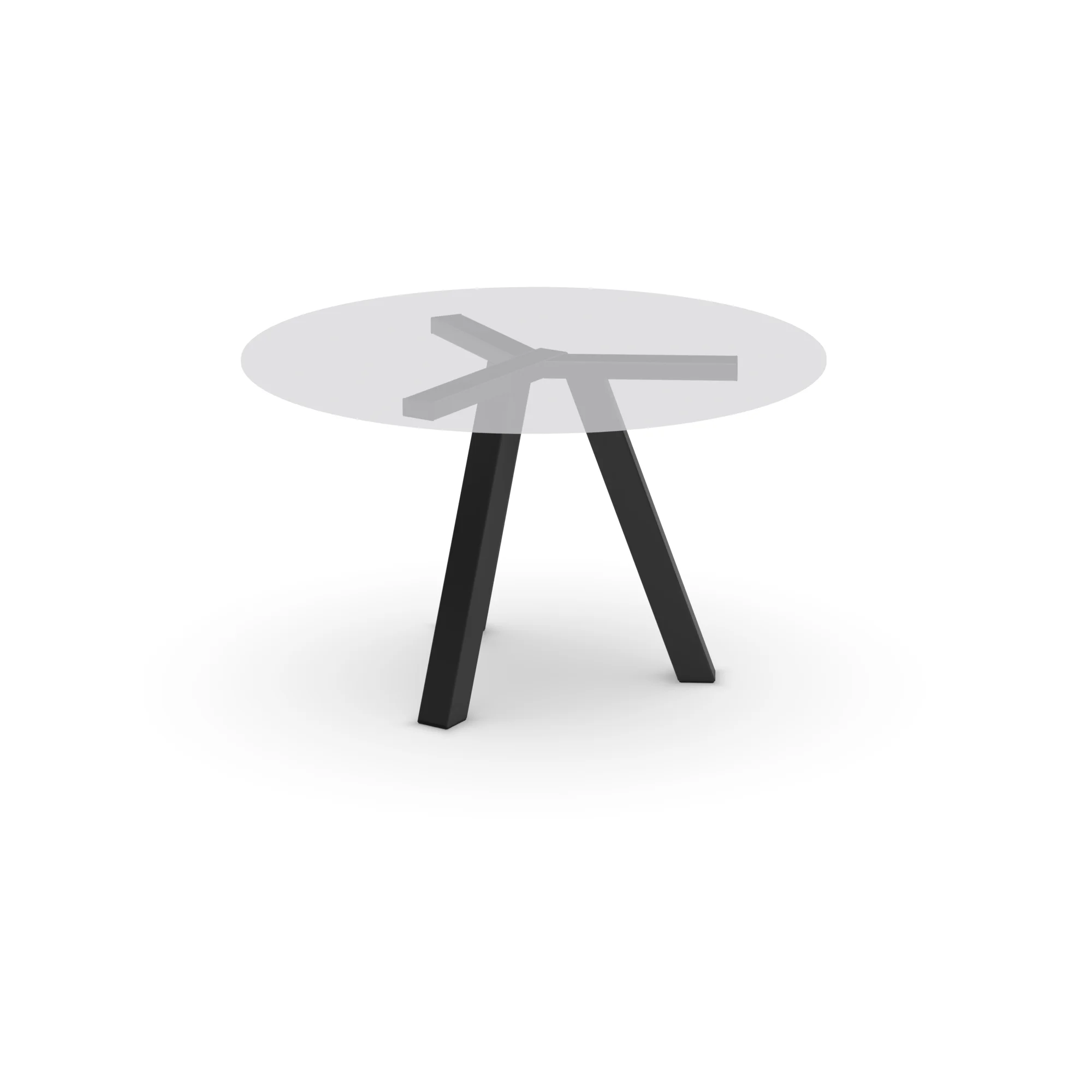
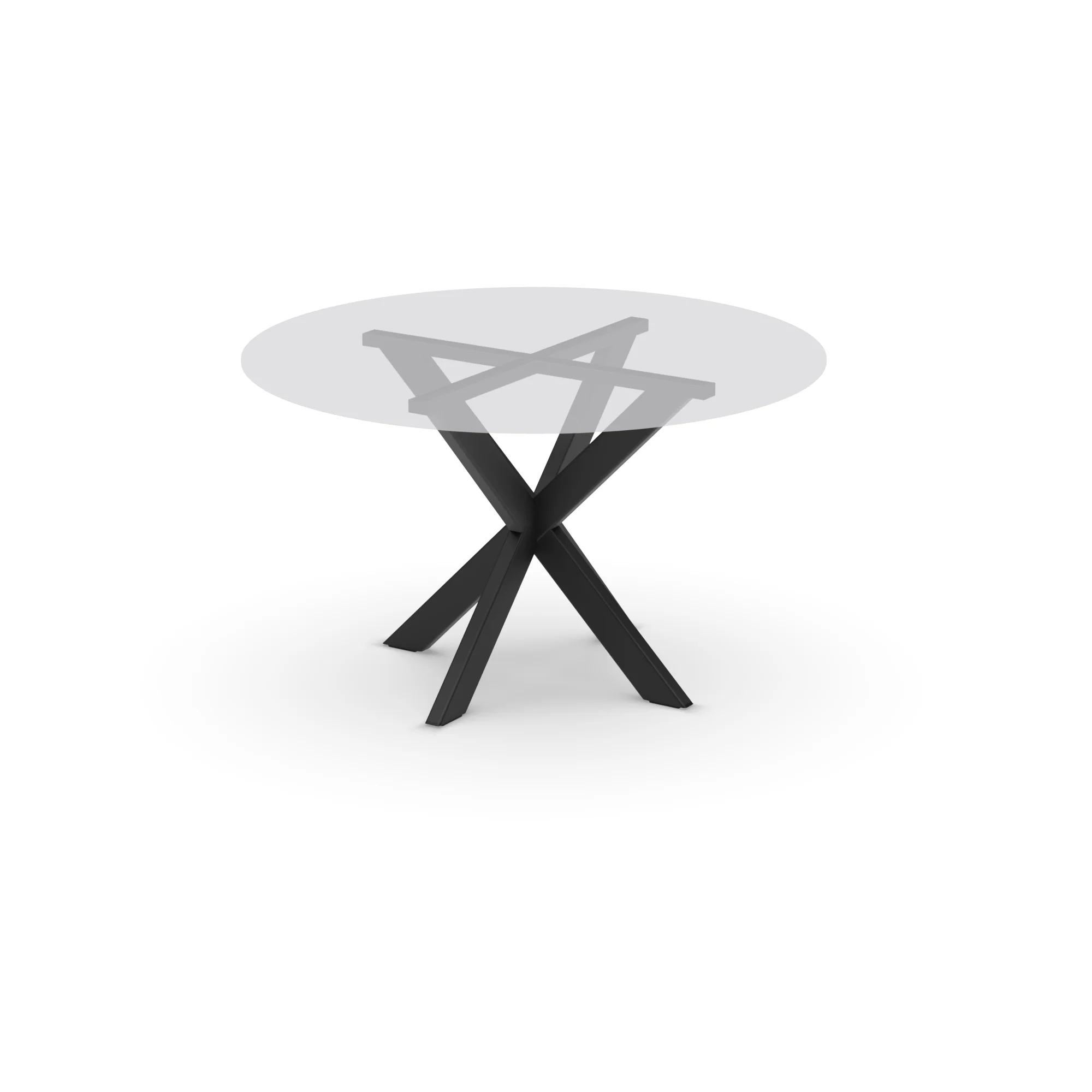
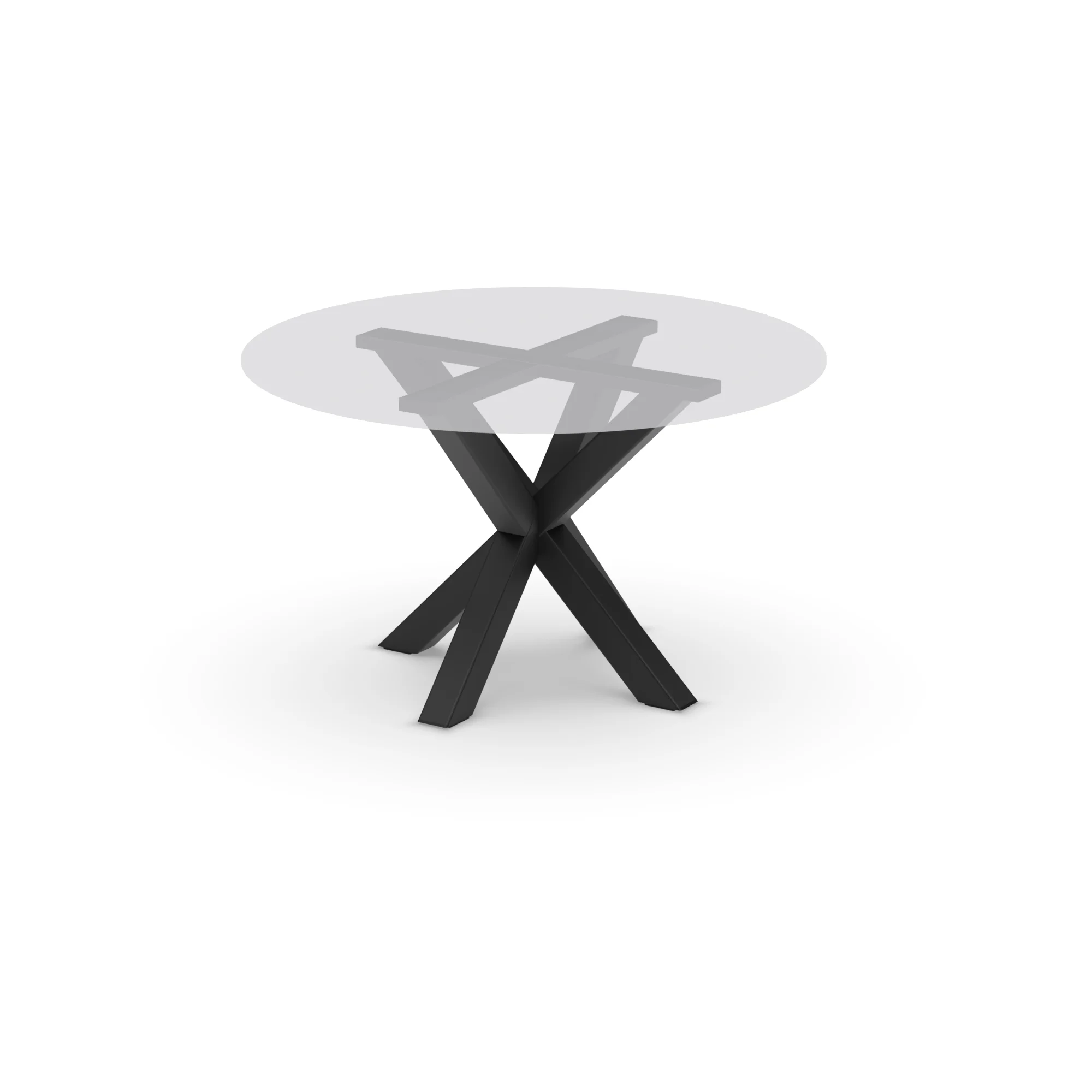
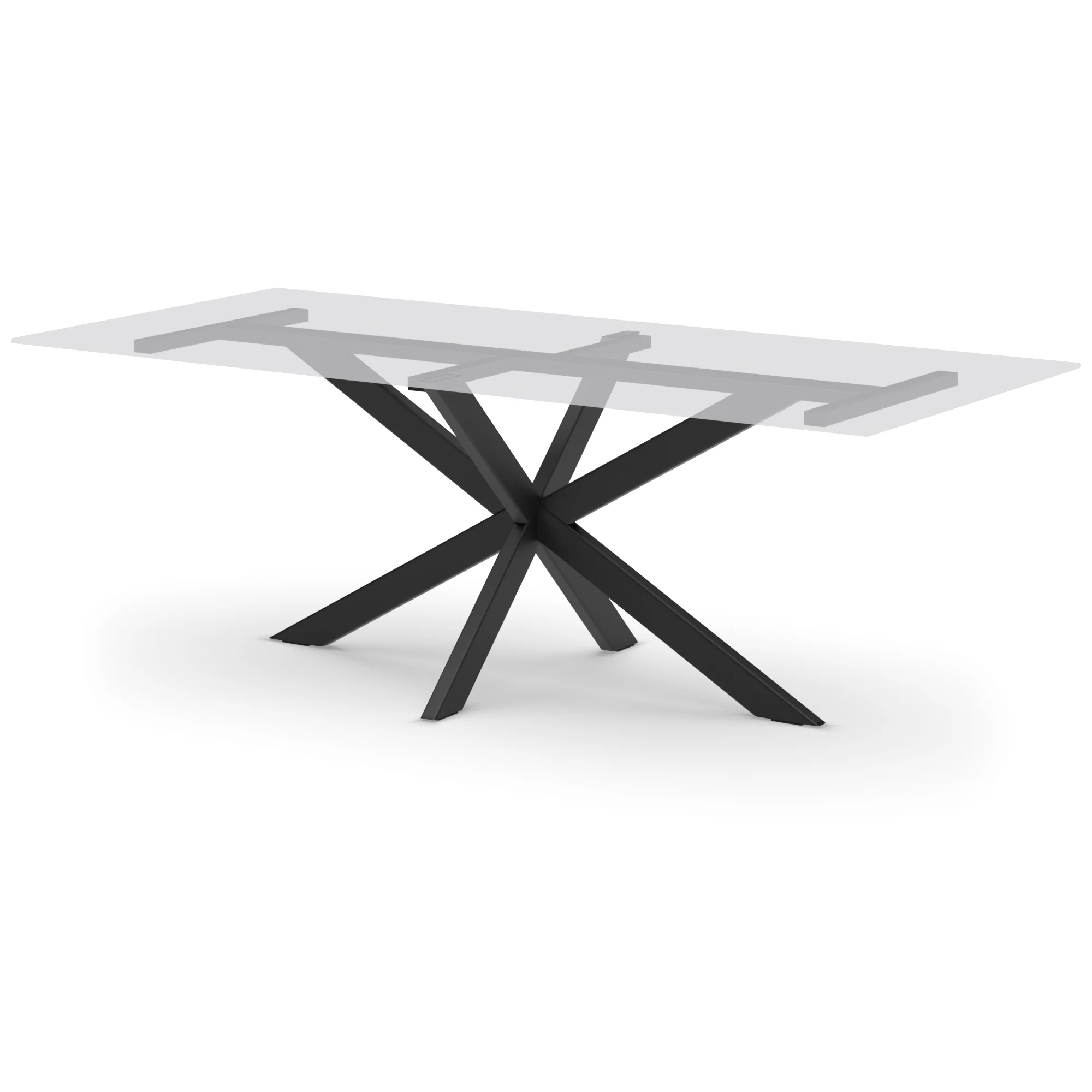
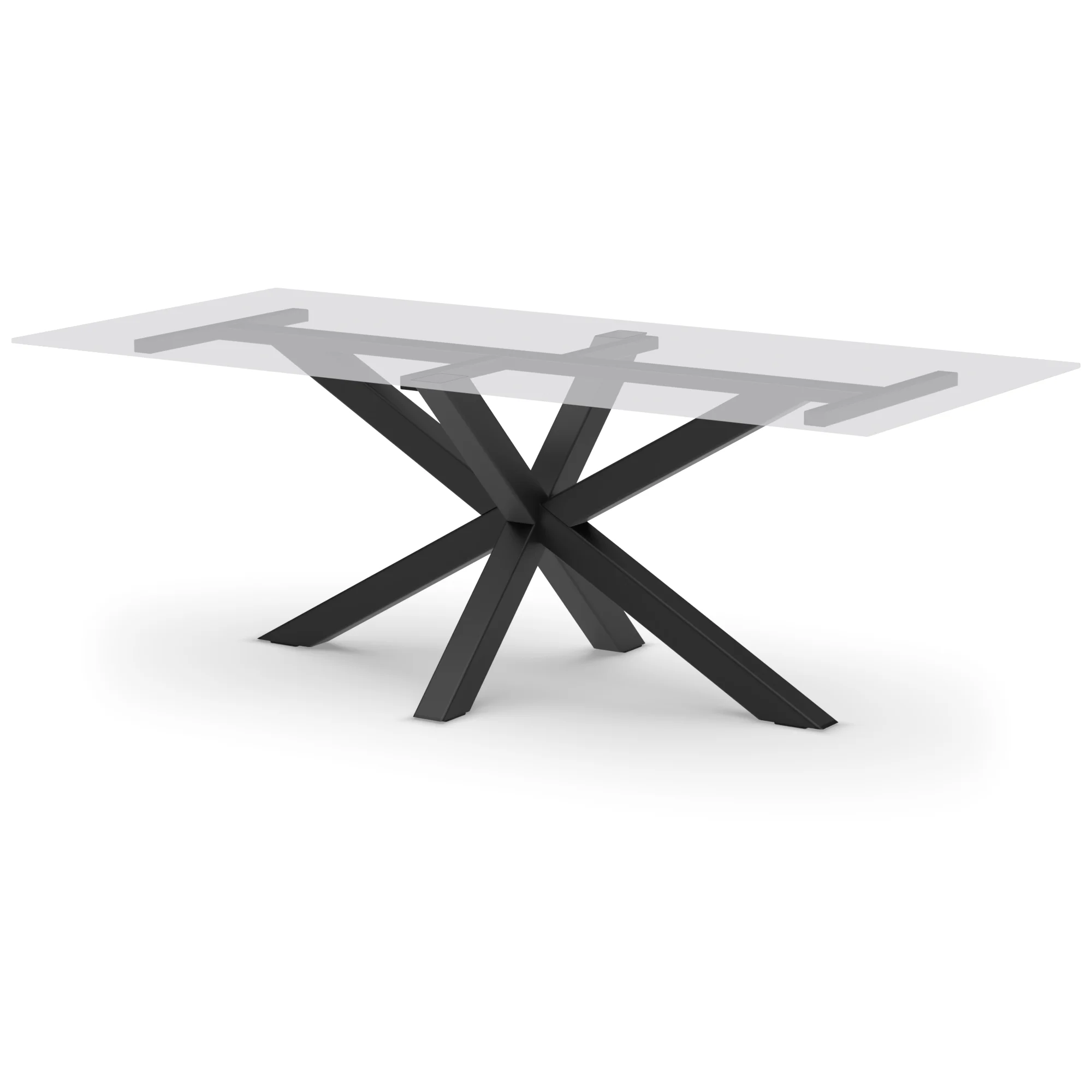
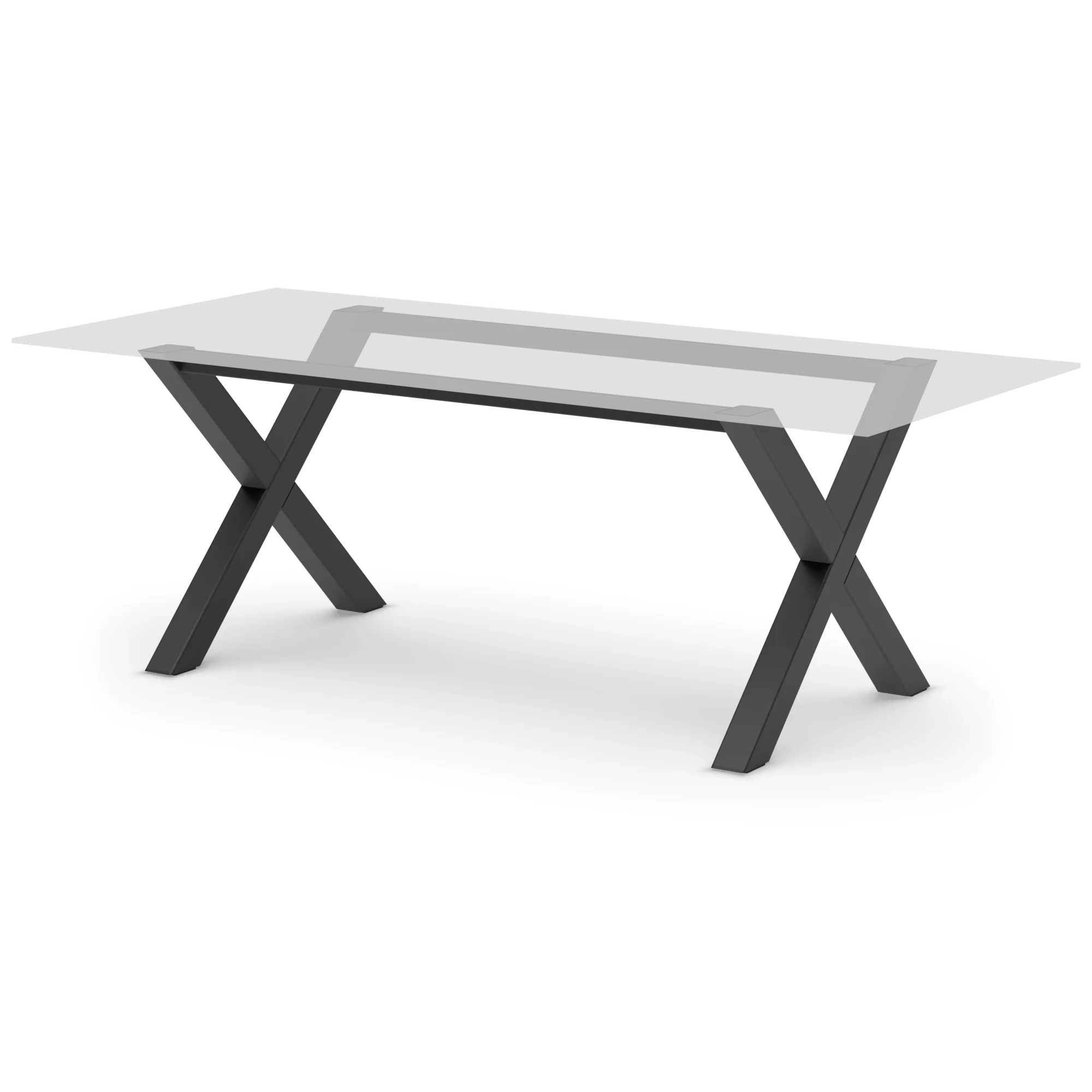
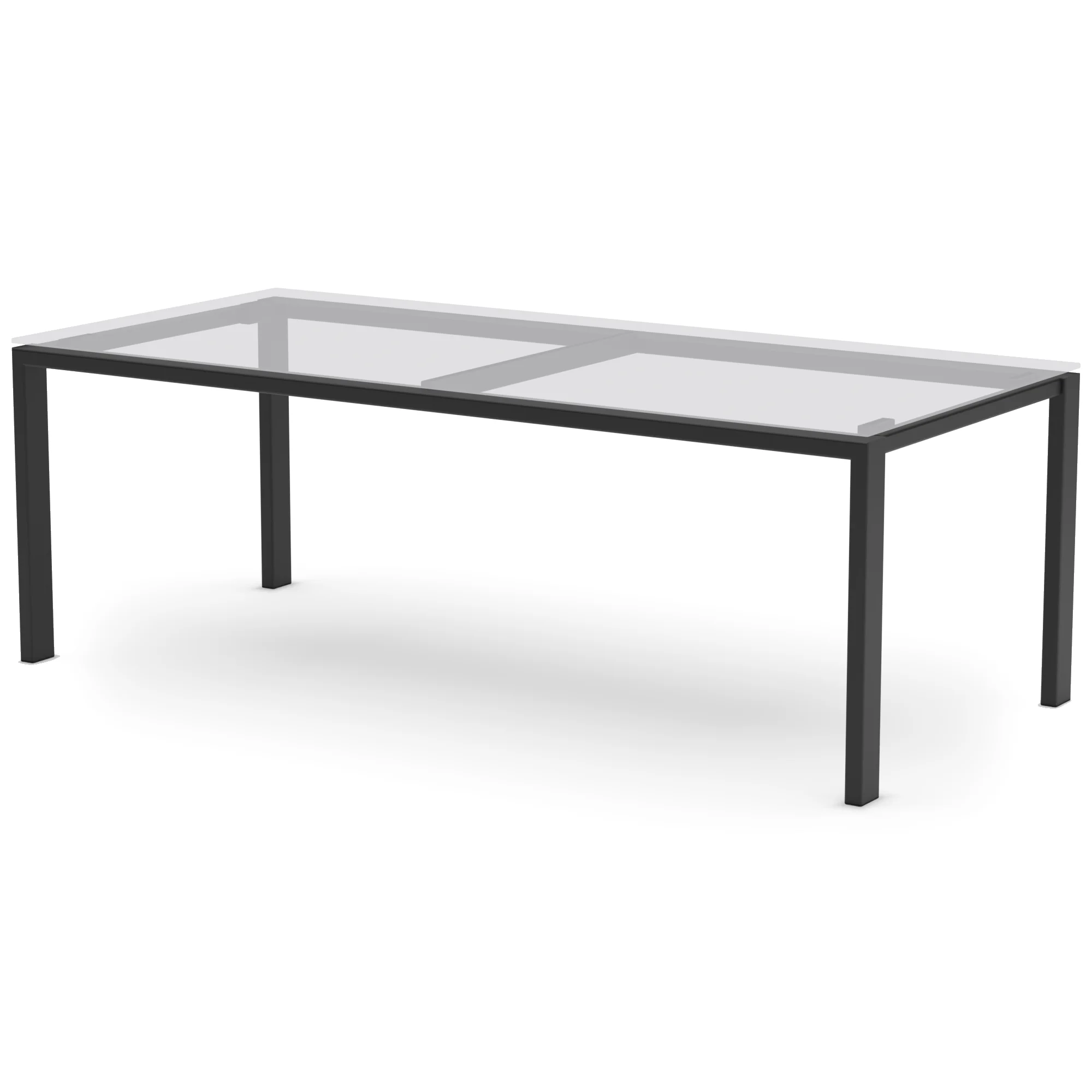

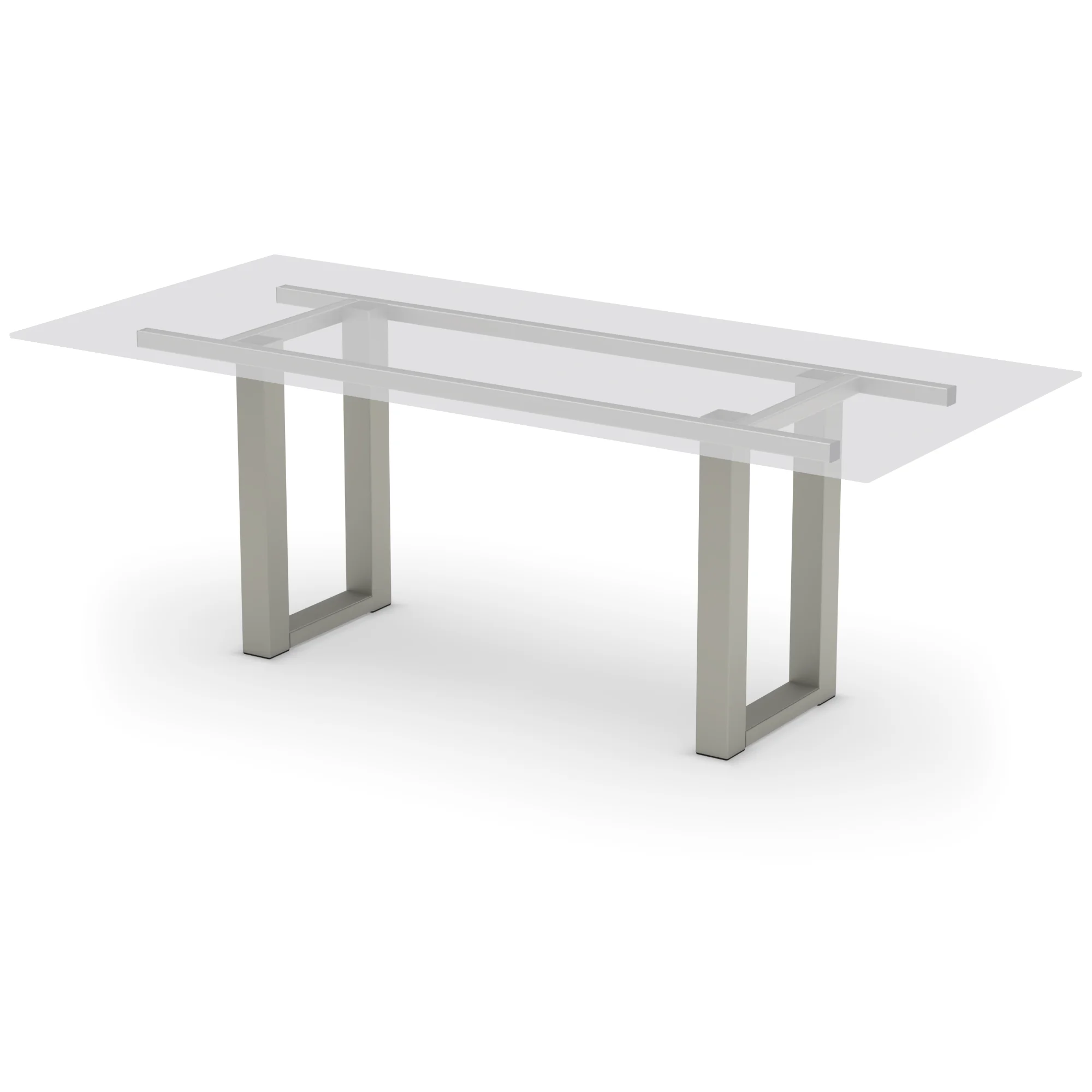
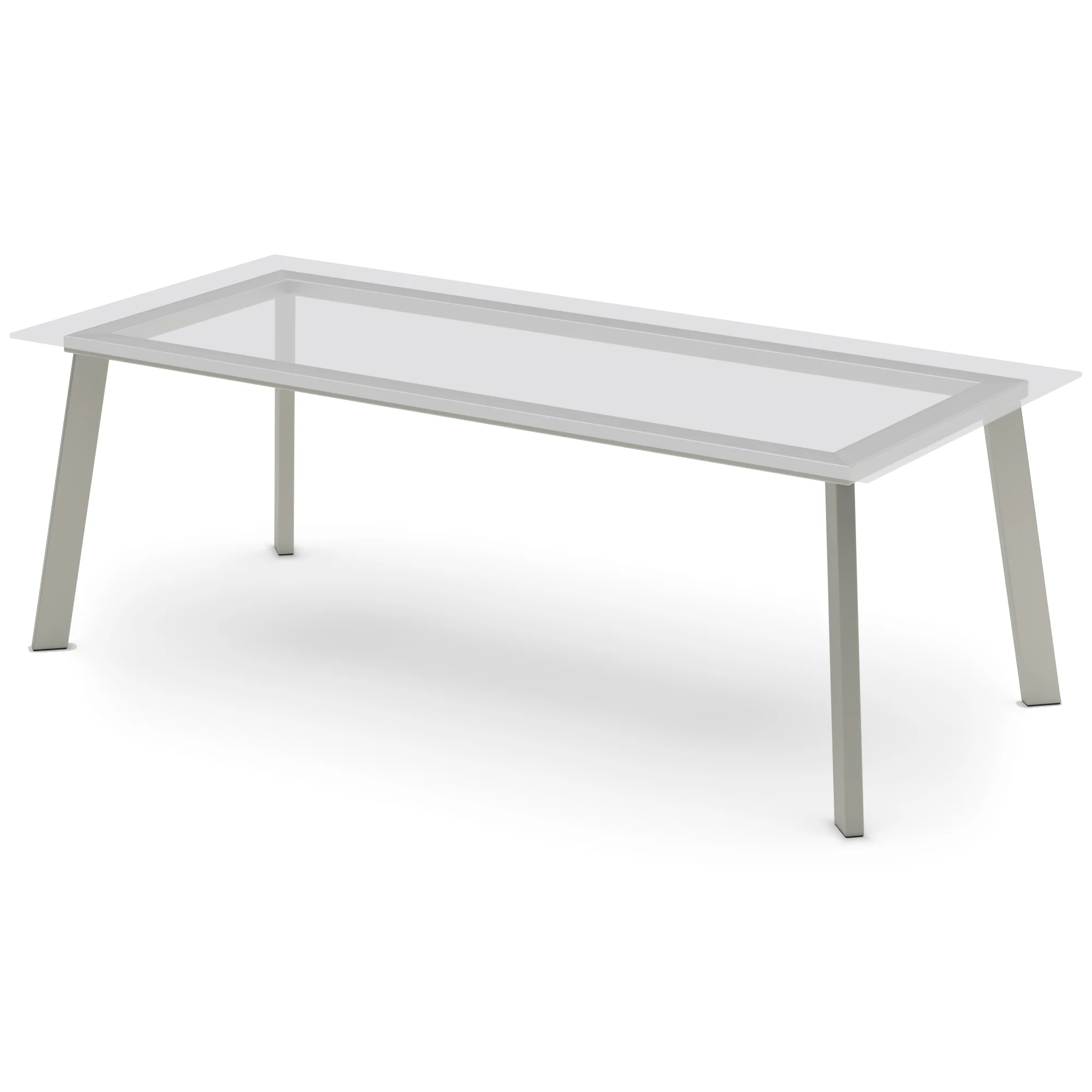
Stainless steel base
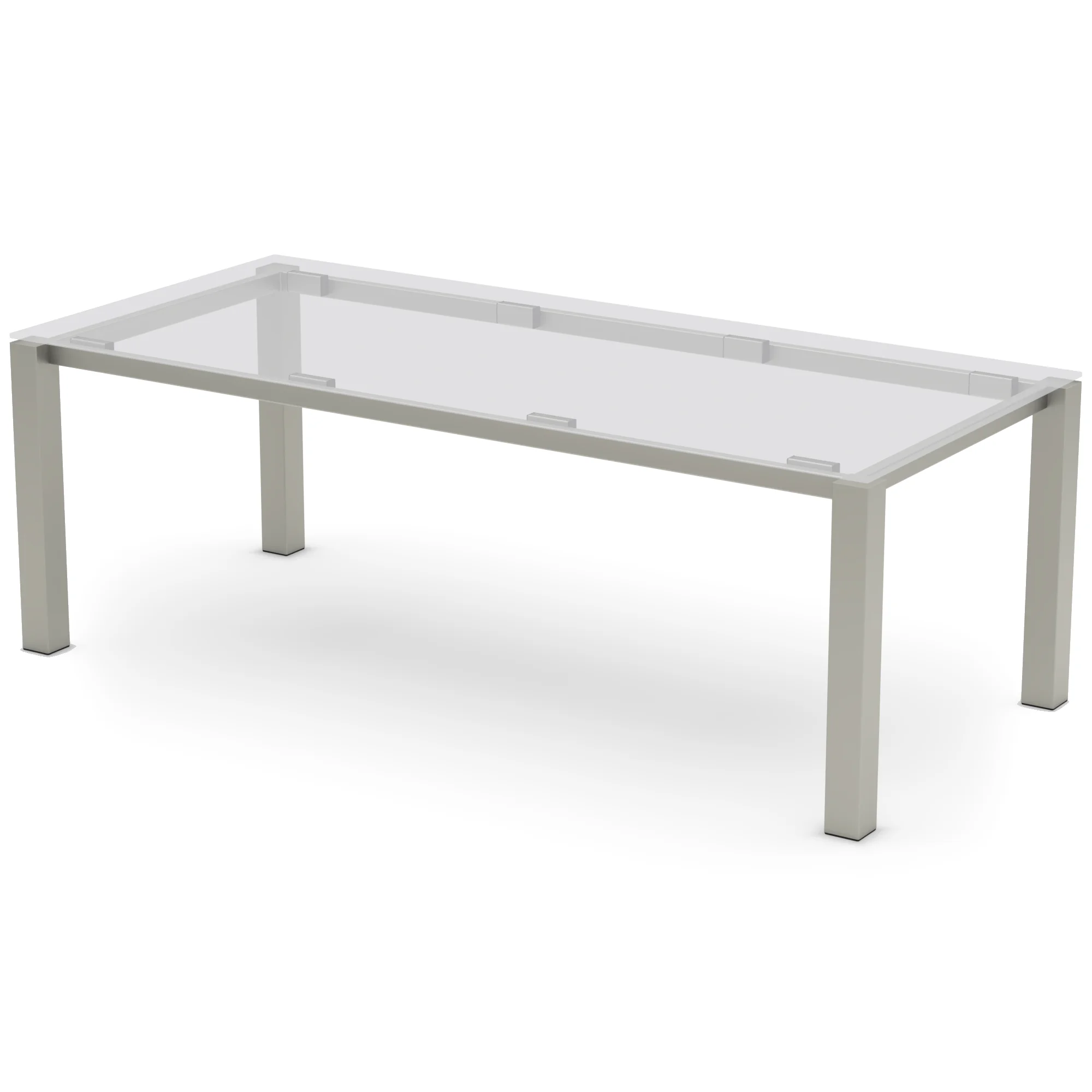
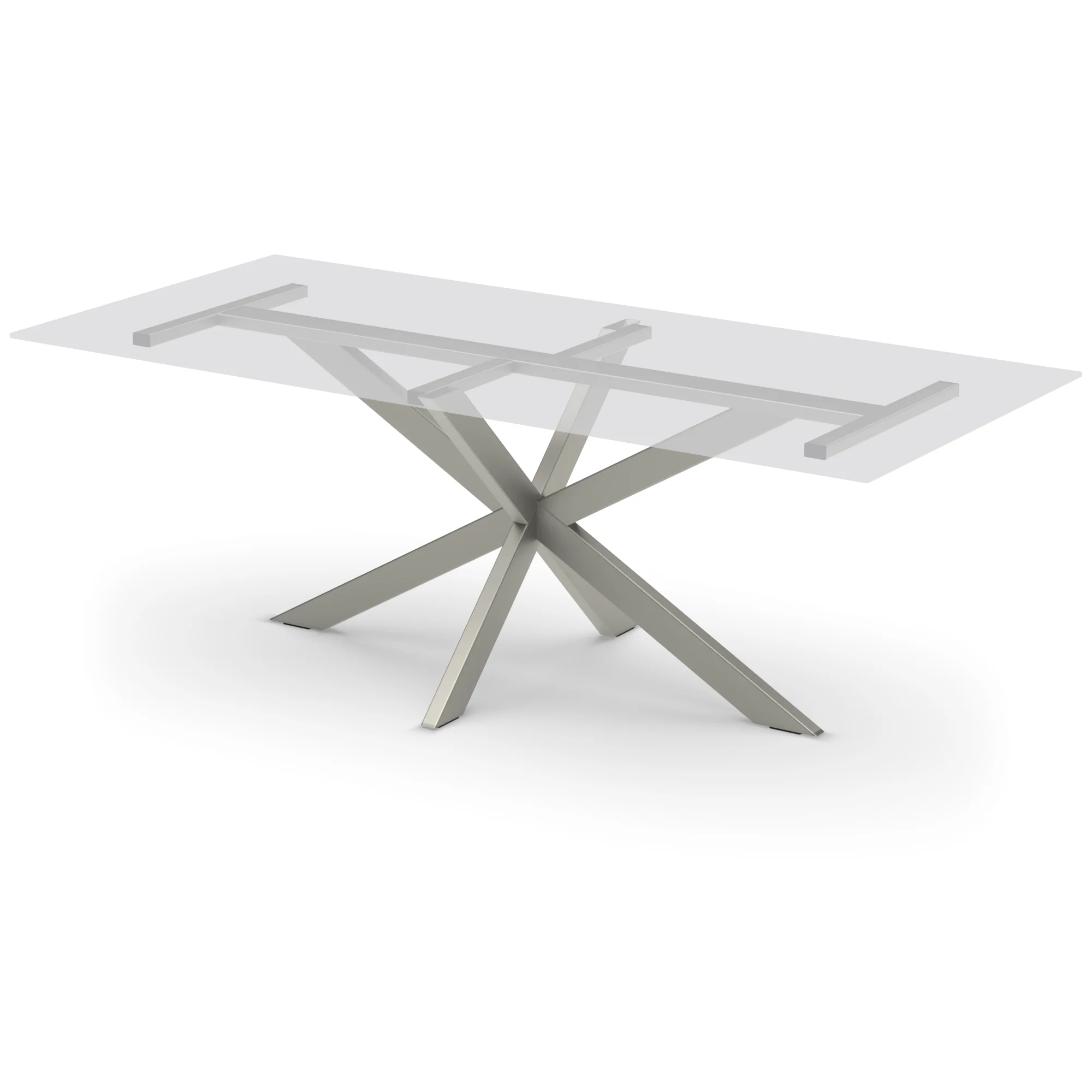
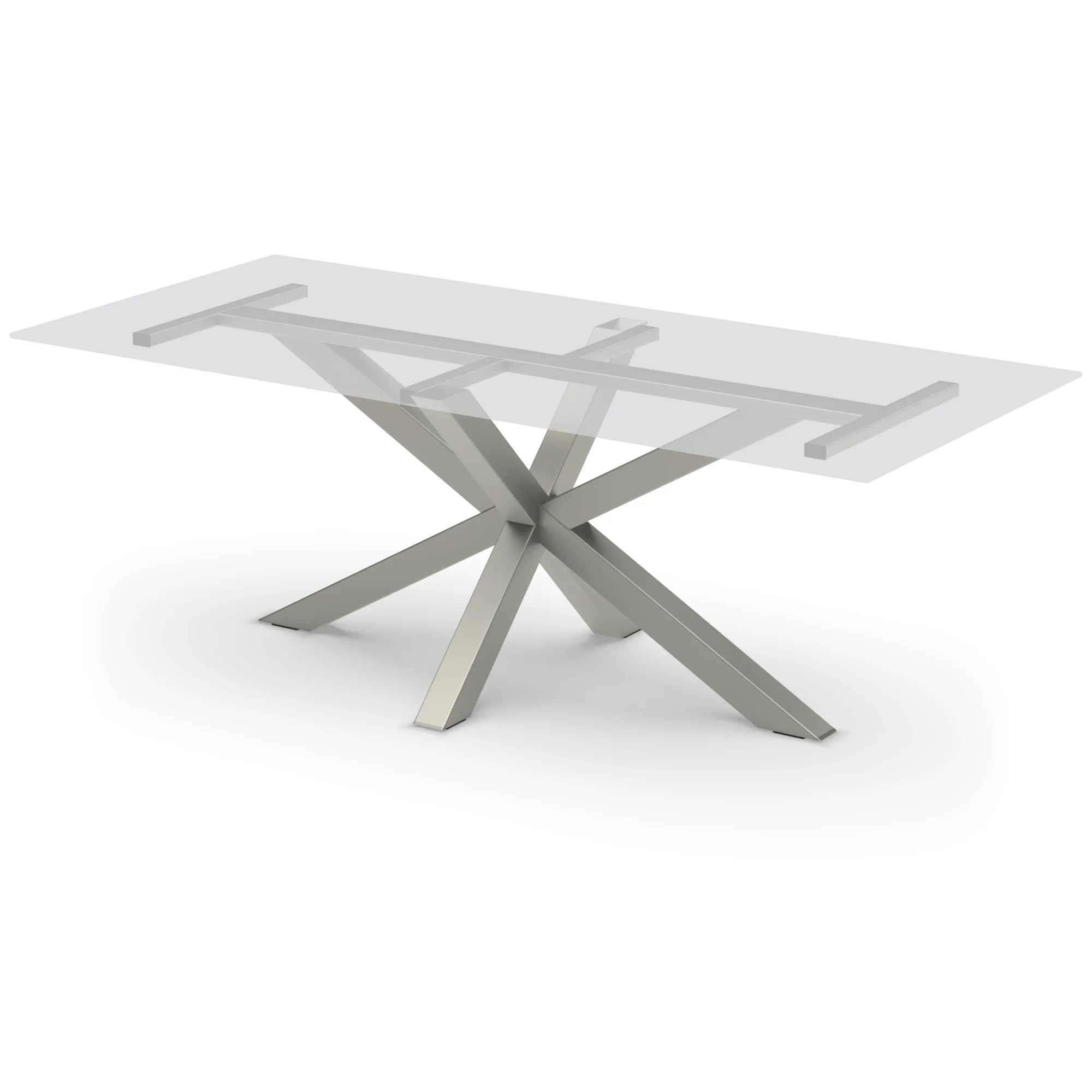
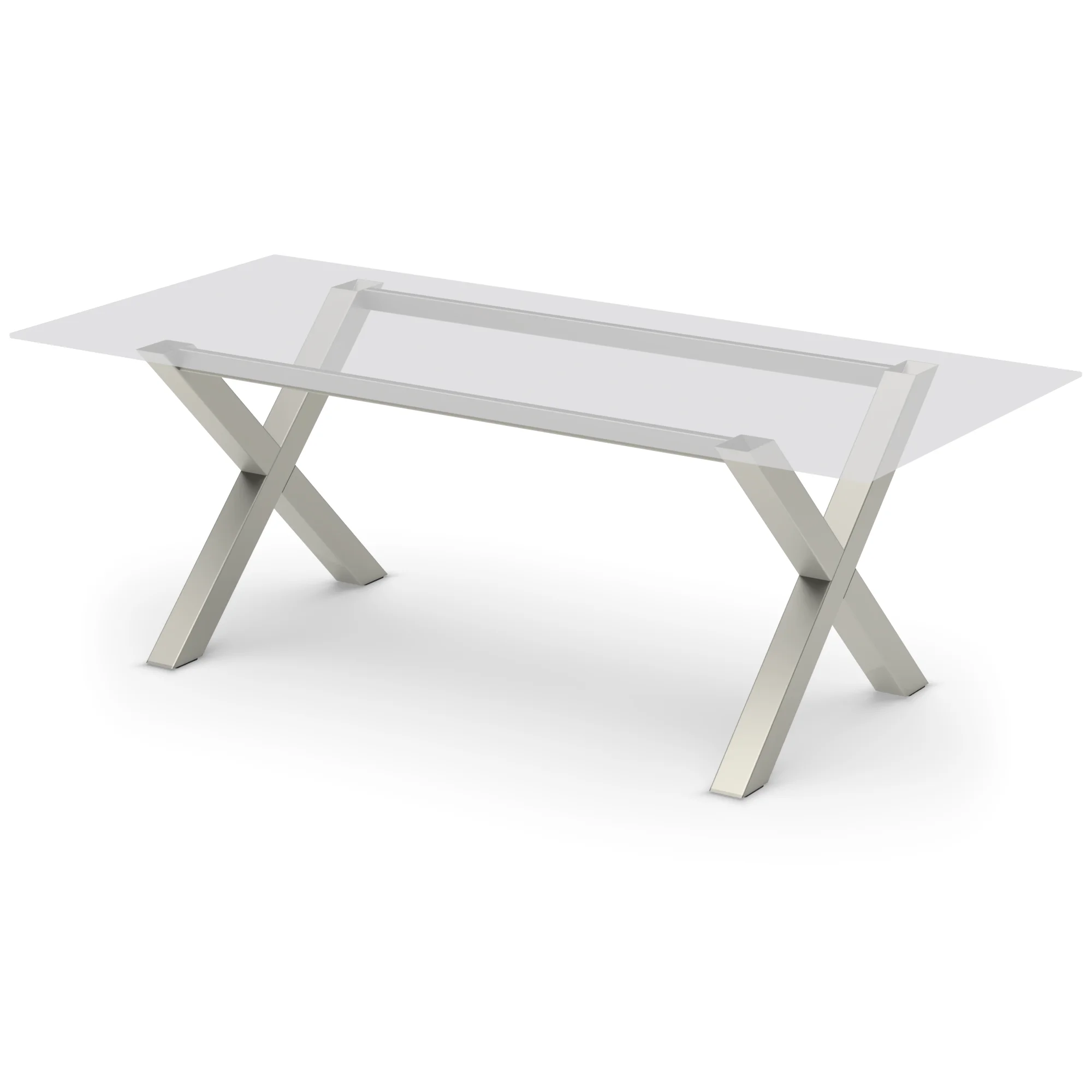
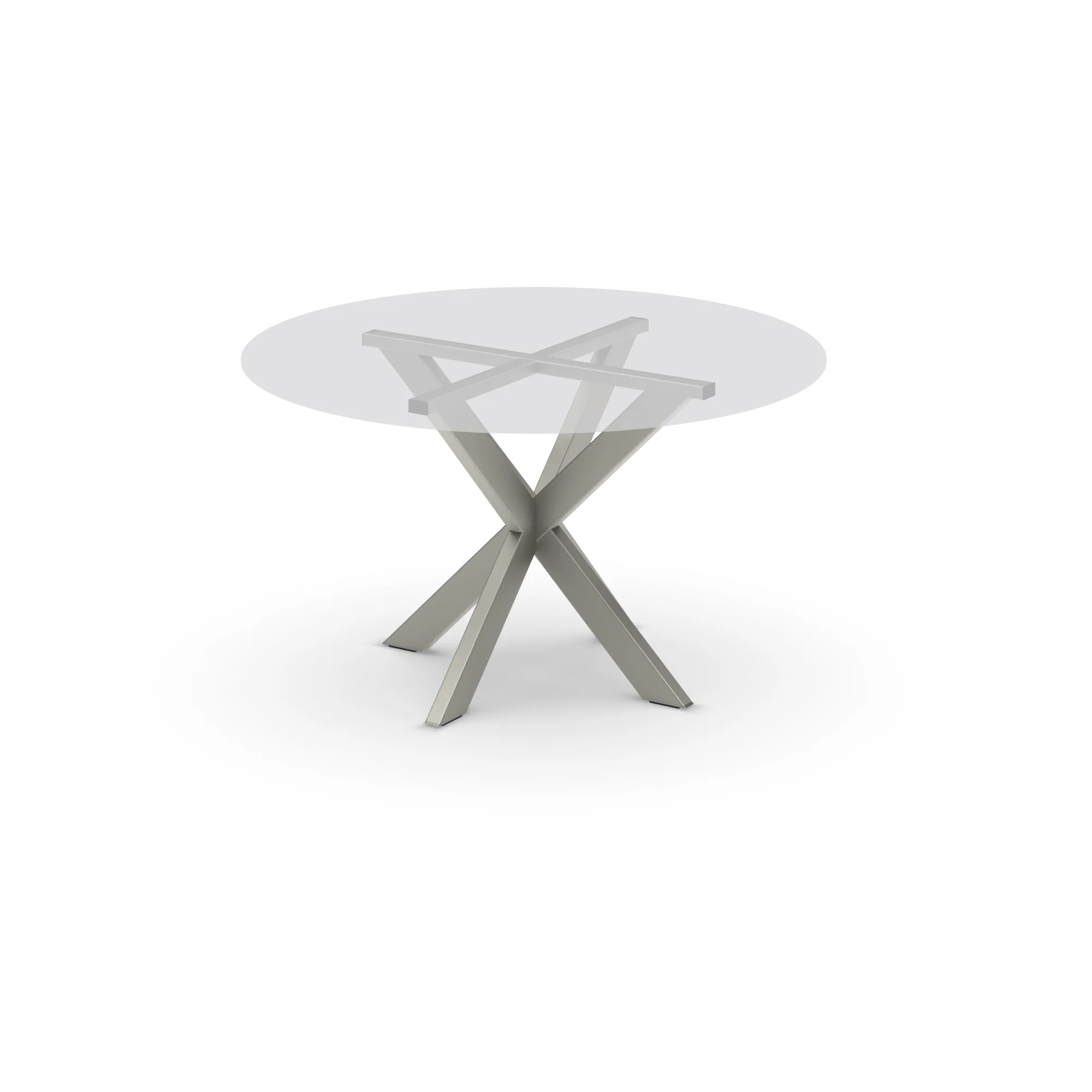
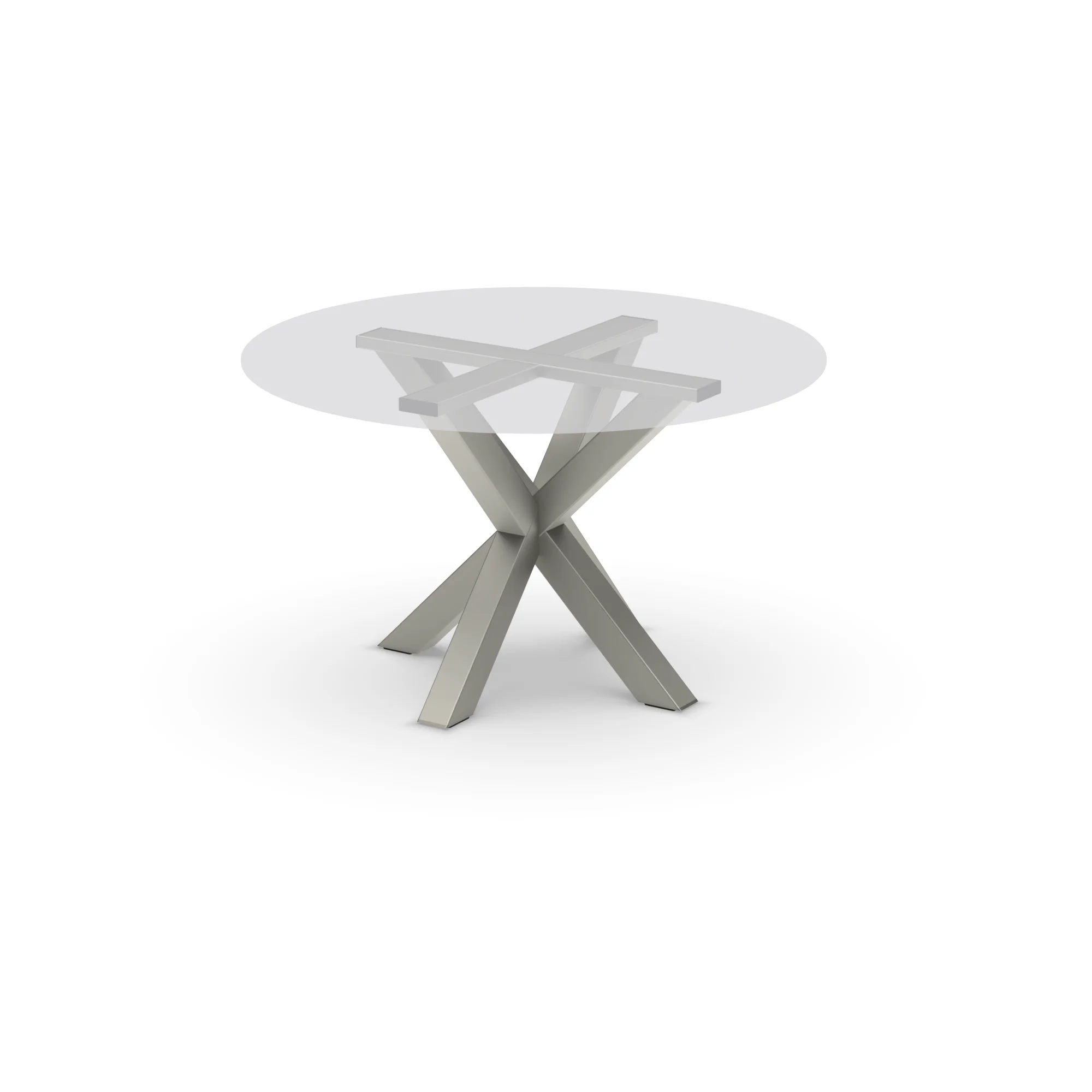
Availability
55 products
Sort byDefault




No products match this combination
Adjust or remove a filter to see results again.

Which ceramic dining table suits you?
A ceramic top is sintered at extremely high temperature. That makes it hard and non-porous: a pan straight off the hob, red wine or a sharp knife leave no mark. You choose three things: the shape, the colour and the base.
Quick guide
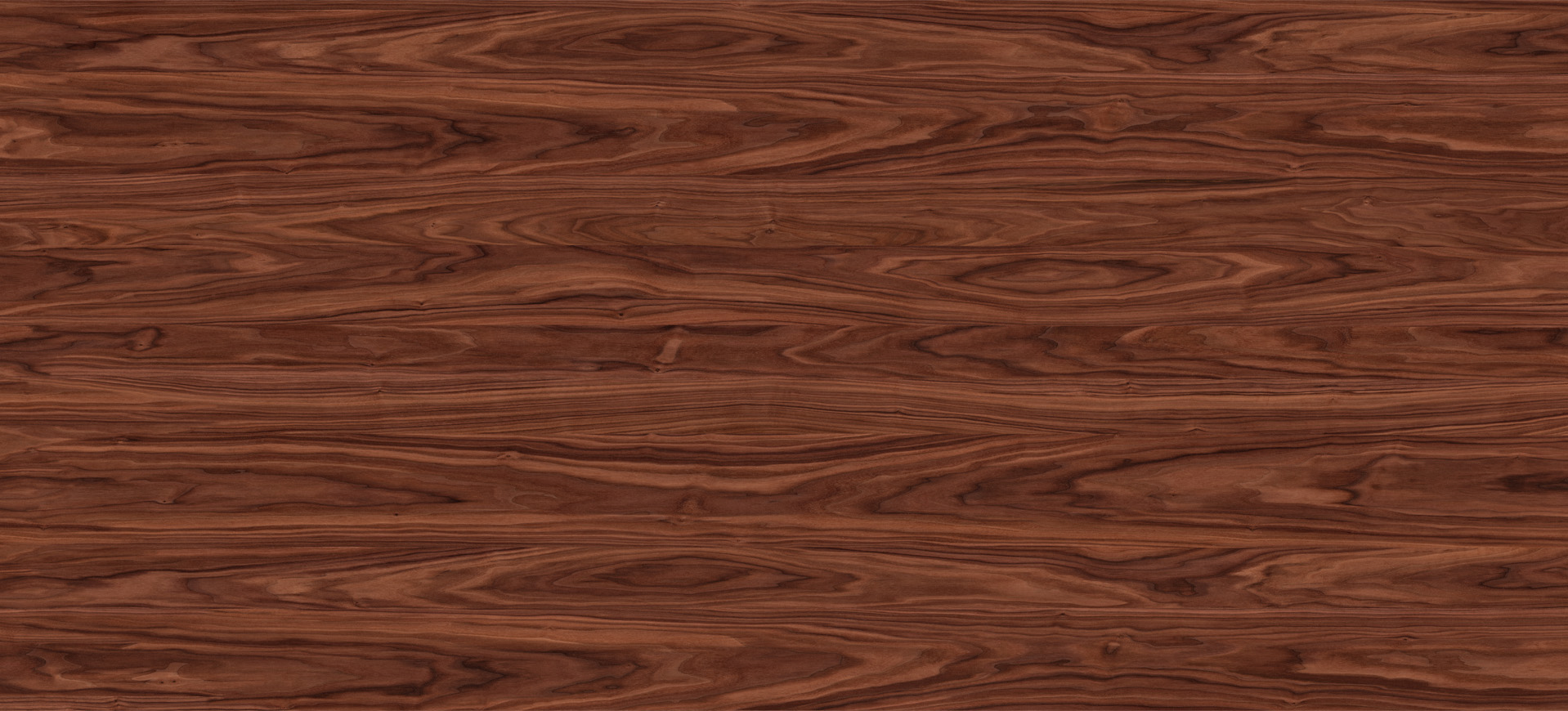
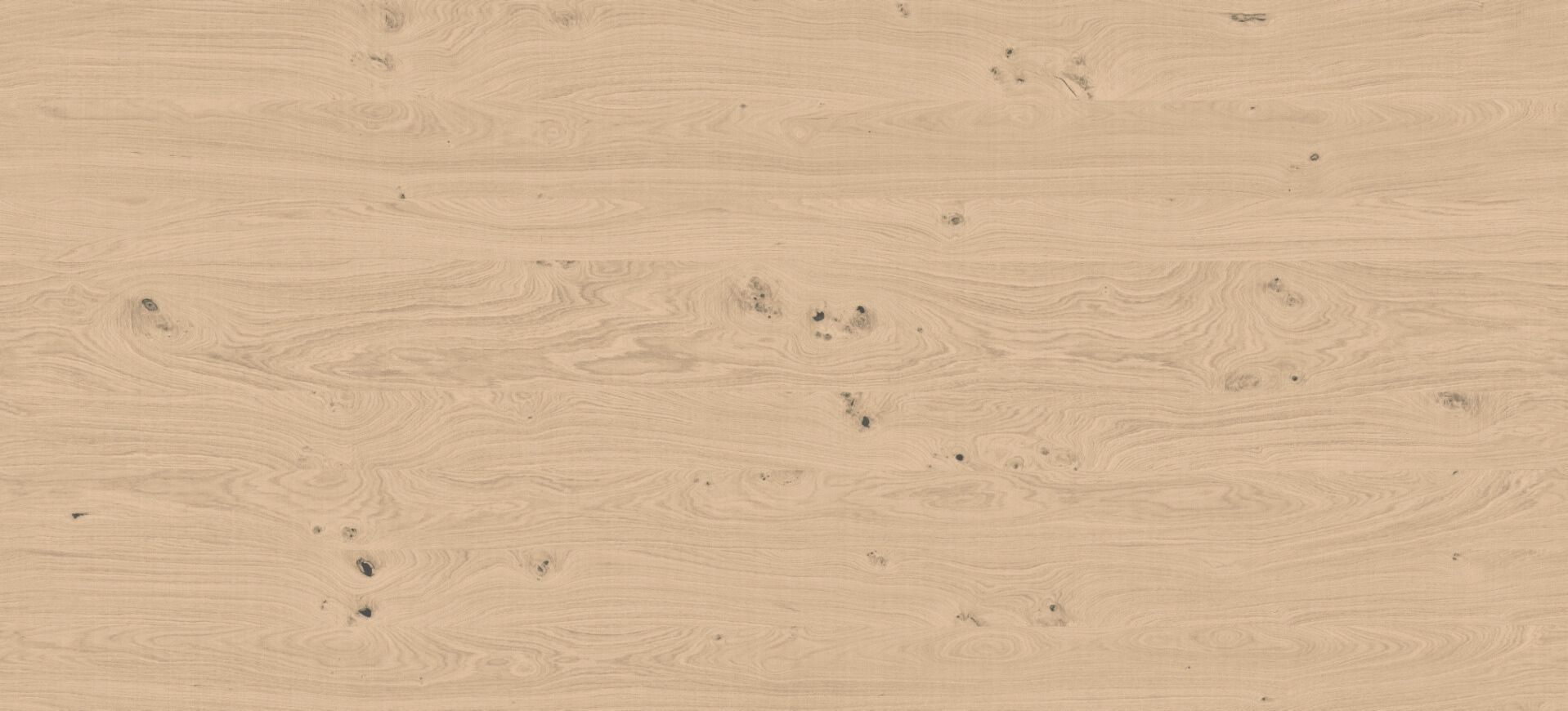
Busy family, heavy use: ceramic on a steel base. Table outdoors as well: ceramic on stainless steel, or on steel with an outdoor primer. Prefer warm wood: see oak dining tables or walnut dining tables.
Ceramic dining table: pros and cons
Ceramic is the top that needs the least care. Here are the facts and what they mean at home:
- Heat-resistant: a hot pan or oven dish can go straight onto the top.
- Scratch-resistant: cutlery, keys and toys leave no marks.
- Stain-resistant: the top is non-porous, so wine, coffee and oil do not soak in.
- UV-stable: sunlight does not change the colour, even in front of a large window.
- Frost-resistant: ceramic absorbs less than 0.1% water (EN ISO 10545-12), so the top can also stand outdoors.
The downside: ceramic is heavy and sensitive to hard point impact on the edge. A cast-iron pan dropped on a corner can chip it. Keep that in mind when you place the table and choose the edge finish.
Ceramic, wood or granite?
All three materials are made in the same workshop in Maasbree.
- Ceramic is for everyday use without worry, indoors and outdoors.
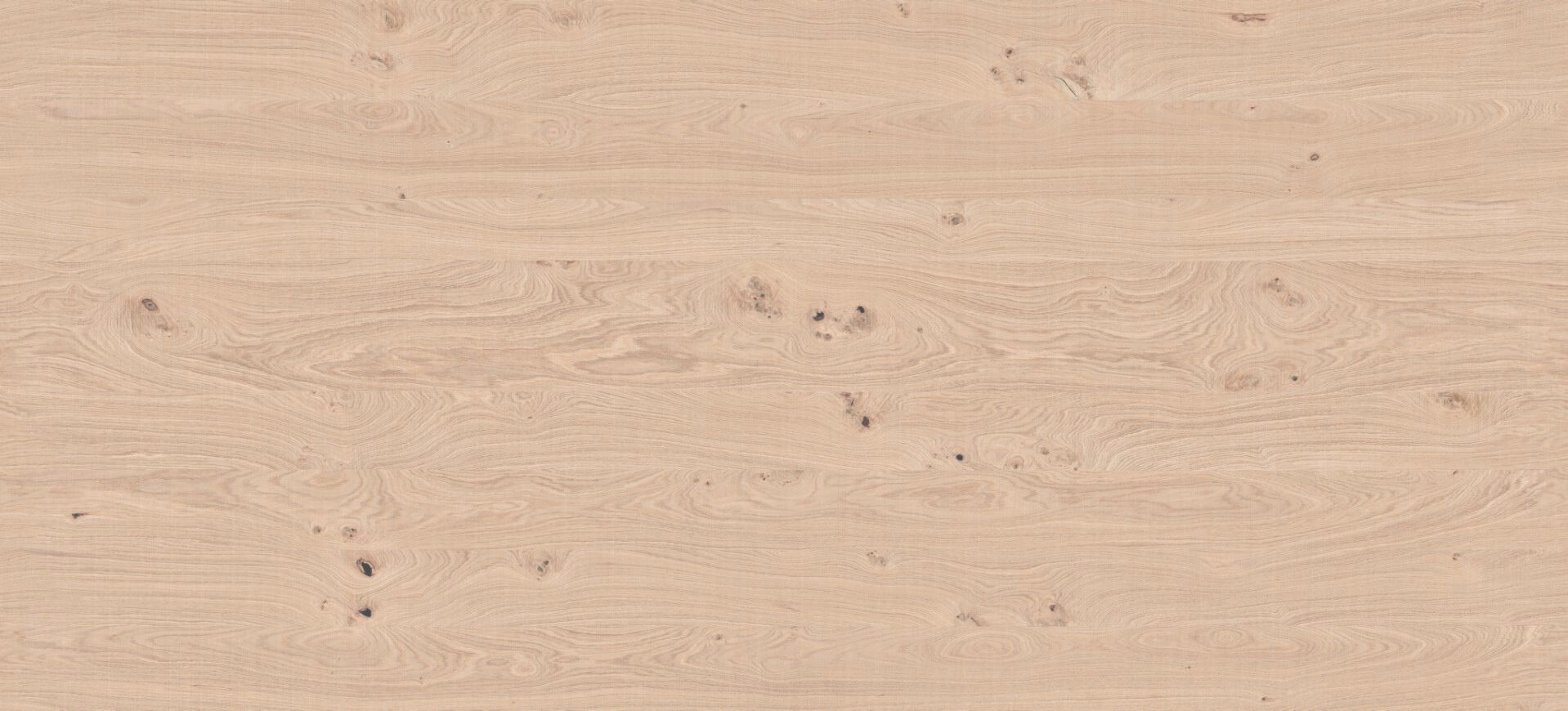
- Oak or walnut is for warmth and grain. Wood is 40 mm thick, deepens in colour over the years and is not suitable for outdoor use.
- Granite is for real natural stone with its own pattern in every top. Granite does need sealing and is not heat-resistant; see granite dining tables.
29 colours, 12 or 20 mm thick
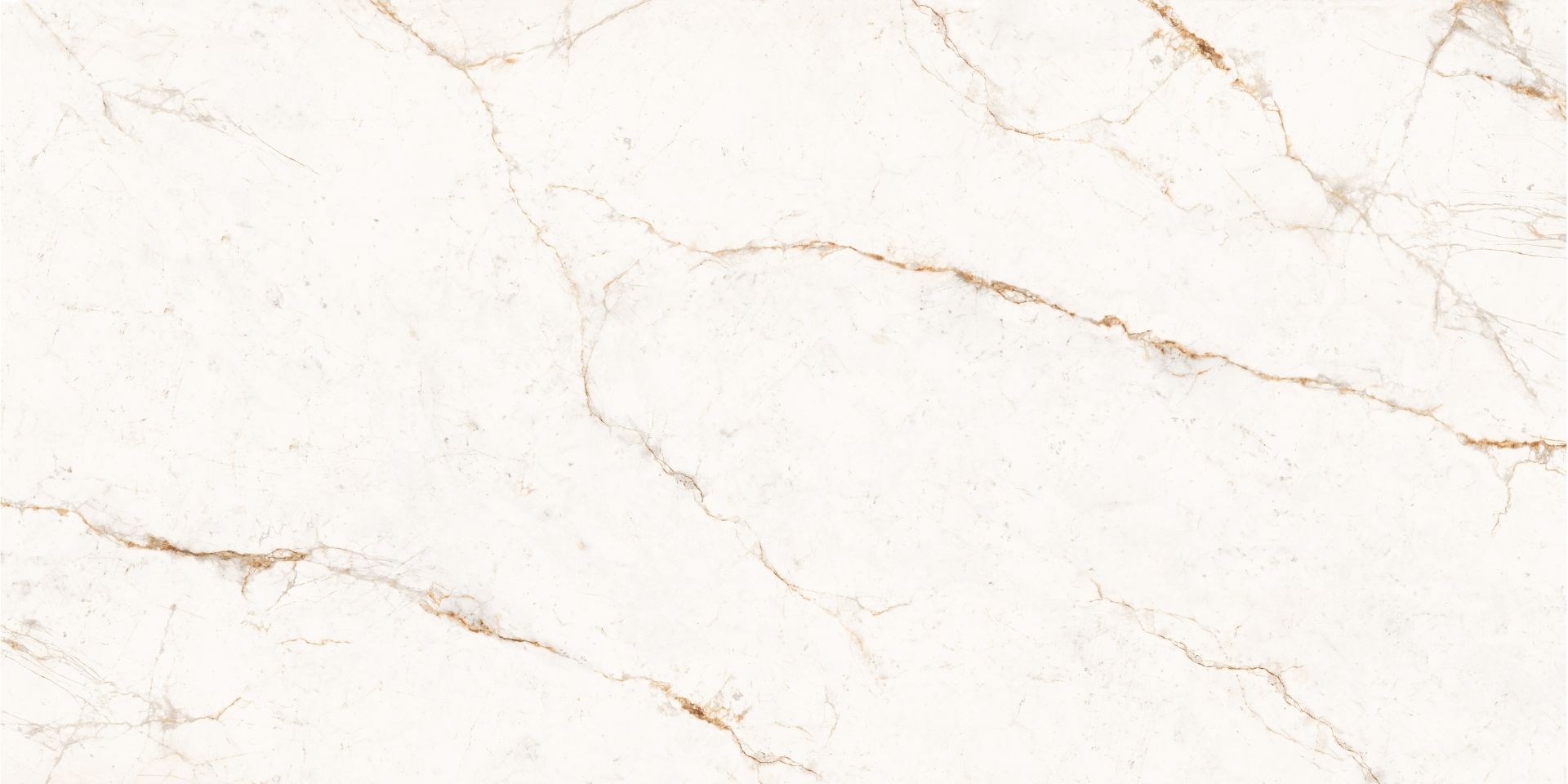
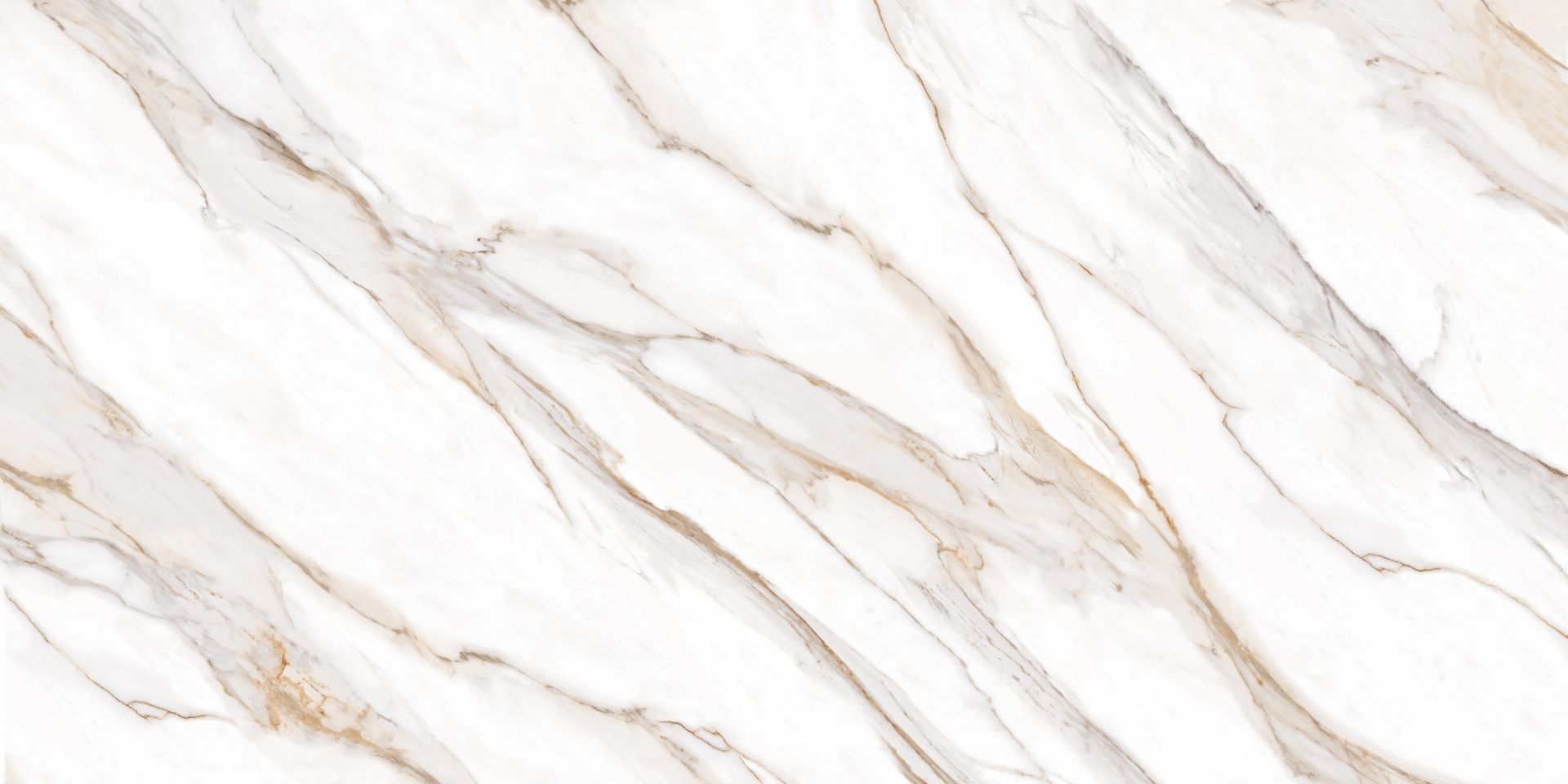
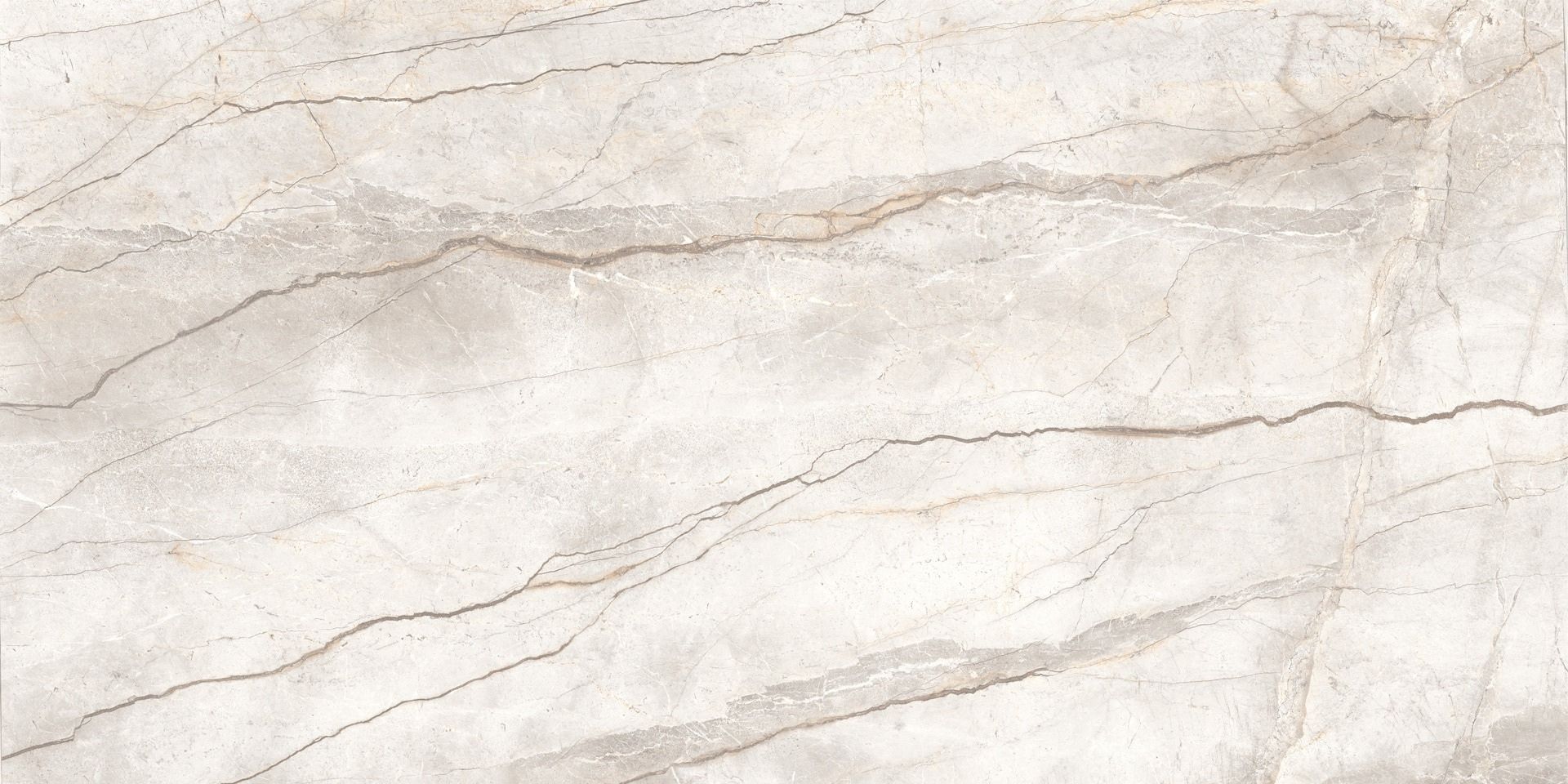
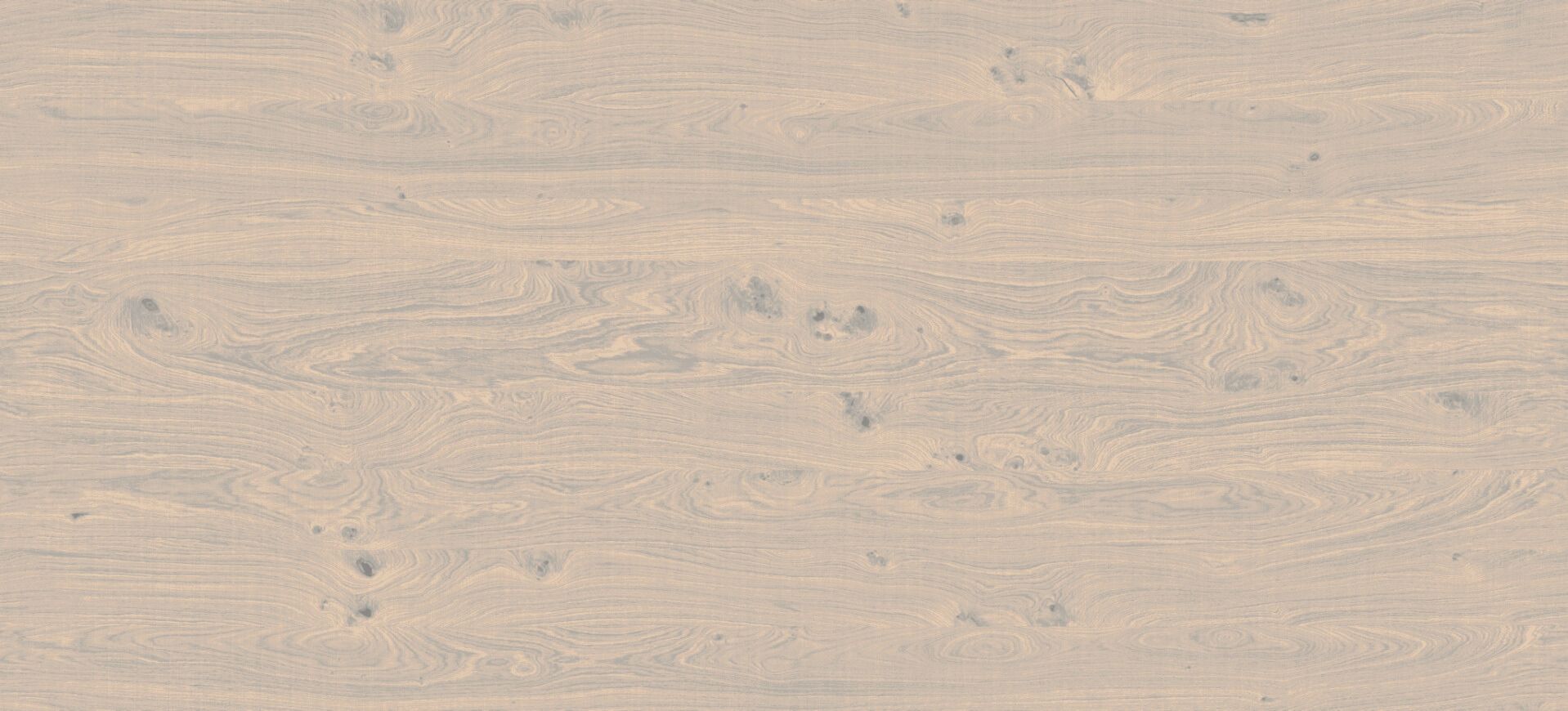
Ceramic comes in 29 colours, from concrete look and anthracite to marble look with fine veining. The top is 12 mm or 20 mm thick. A 12 mm top looks slim; 20 mm gives a heavier edge.
Colour is best judged against your own floor and daylight. Order material samples for that; they are refunded when you return them. All colours are also shown under ceramic table tops.
Choosing size and shape
A dining table is 760 mm high as standard. Allow 700 to 750 mm of table edge per person and at least 800 mm of free space around it. You set the size to the millimetre.
- Rectangular: the most seats per metre, sits neatly along a wall or kitchen island.
- Oval and Danish oval: no sharp corners, so it is easier to walk around. See oval ceramic dining tables and Danish oval dining tables.
- Round: everyone faces each other; at its best for up to six people. See round ceramic dining tables.
- Half circle: straight sides with rounded ends, between a rectangle and an oval.
Base: steel or stainless steel
Both bases are welded in our workshop in Maasbree, the Netherlands. The choice is about looks: outdoors, steel with an outdoor primer and stainless steel perform equally well.
- Steel: powder-coated in a fine texture, 3 to 5 times thicker than wet paint, in 10 standard colours. Powder coating is a paint layer that can be damaged by a heavy impact. More under steel dining tables.
- Stainless steel: grade 304 (18/8), brushed, naturally corrosion-resistant and without coating. Fingerprints show, but wipe off easily. More under stainless steel dining tables.
A ceramic table outdoors
Because ceramic is UV- and frost-resistant, the same top can stand on the patio. Choose stainless steel or steel with an outdoor primer. Ceramic garden tables have their own page: ceramic garden tables.
Caring for a ceramic top
A damp cloth is enough; for grease, use a mild cleaning agent. Oiling, lacquering or sealing is not needed, because the top is non-porous. More tips on the care page.
See it, feel it, order it
In the 3D configurator you choose shape, size, colour and base and see the price straight away. Rather feel it first? Our showroom and workshop in Maasbree are also open on Saturdays. Tables, table tops and bases are delivered within 4 weeks, or at a lower rate within 8 weeks. You can also collect in Maasbree. You get a 2-year guarantee on construction and finish.
Read moreRead less
Last updated: October 6, 2026