Ceramic garden tables
Filters0
Filters
Table top shape





Base material
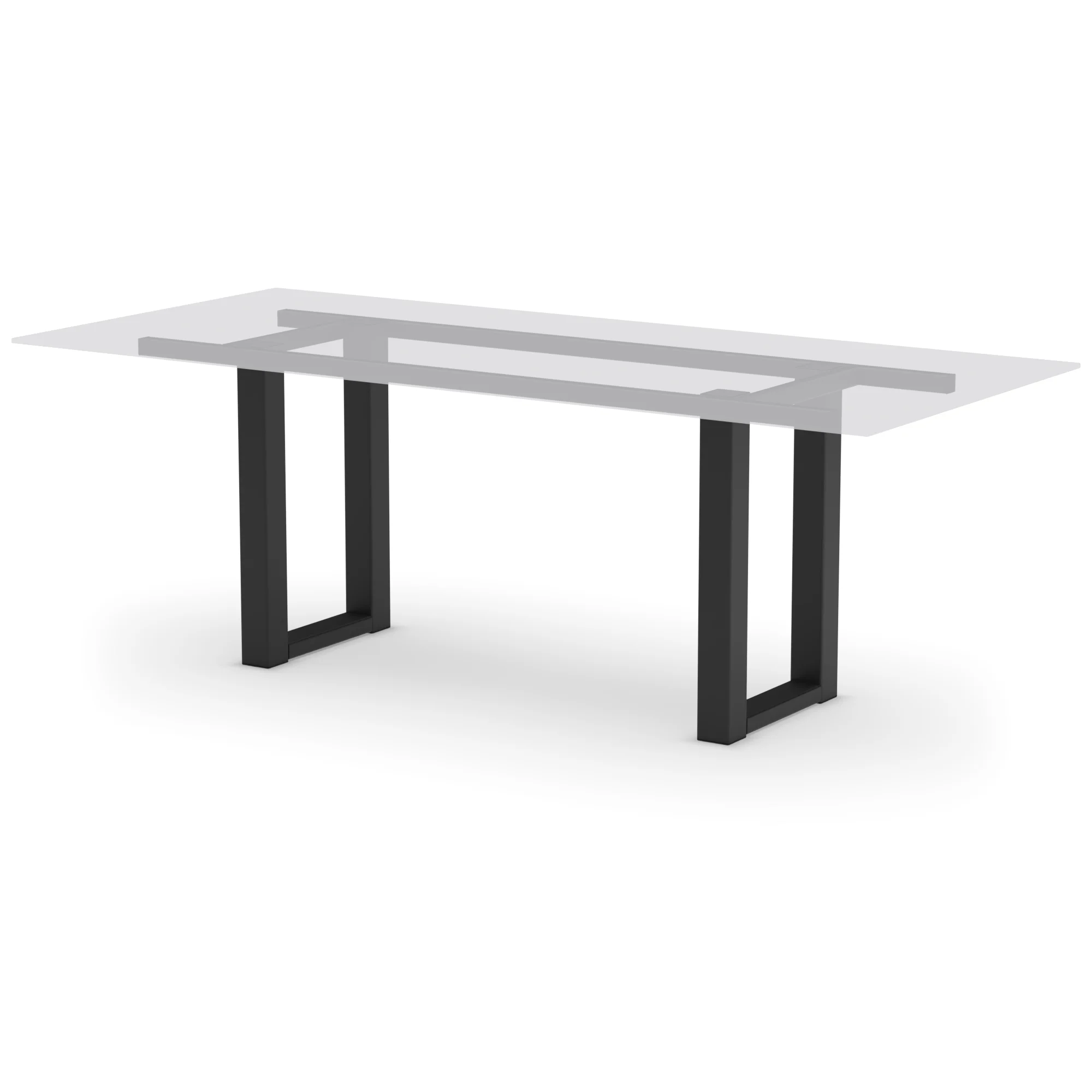
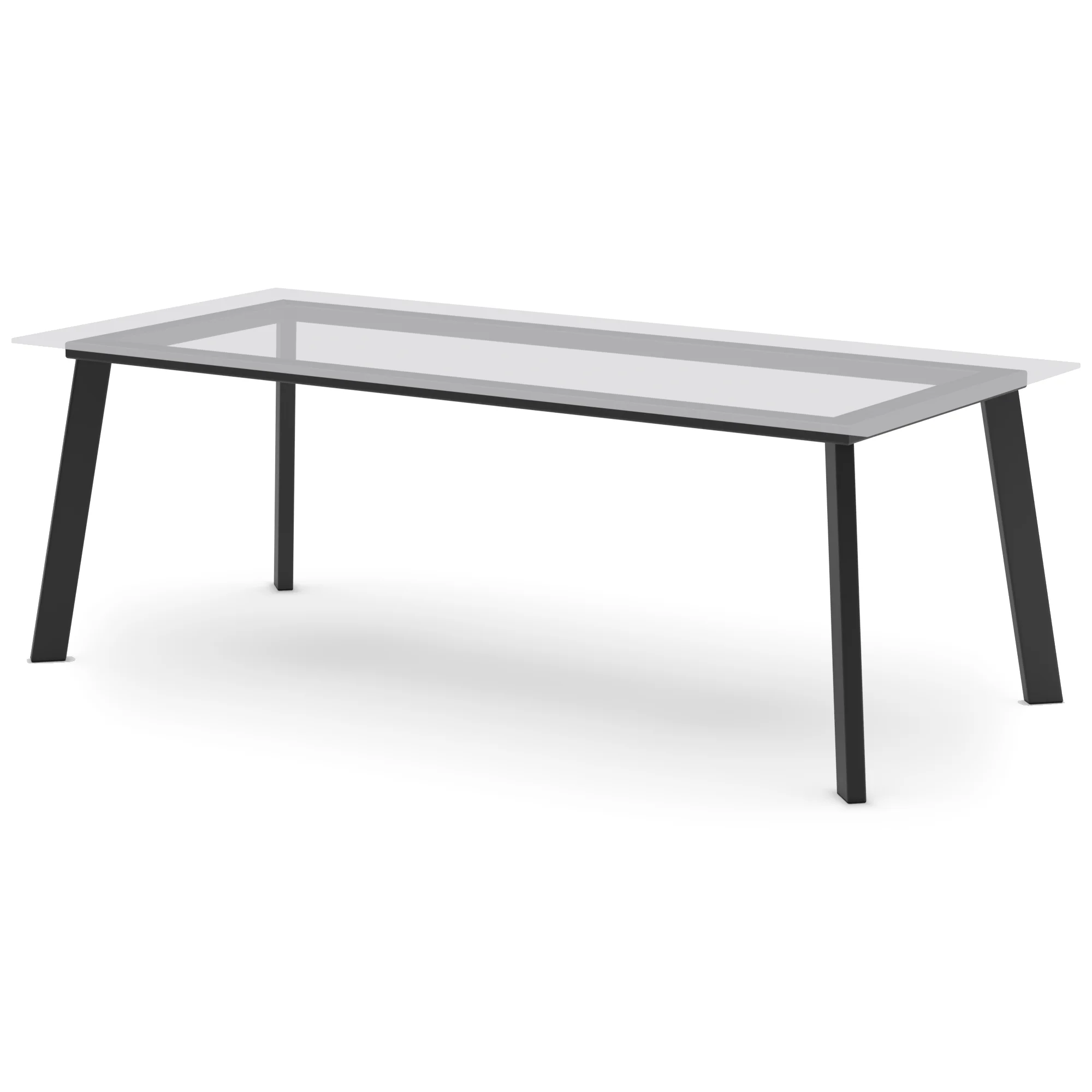
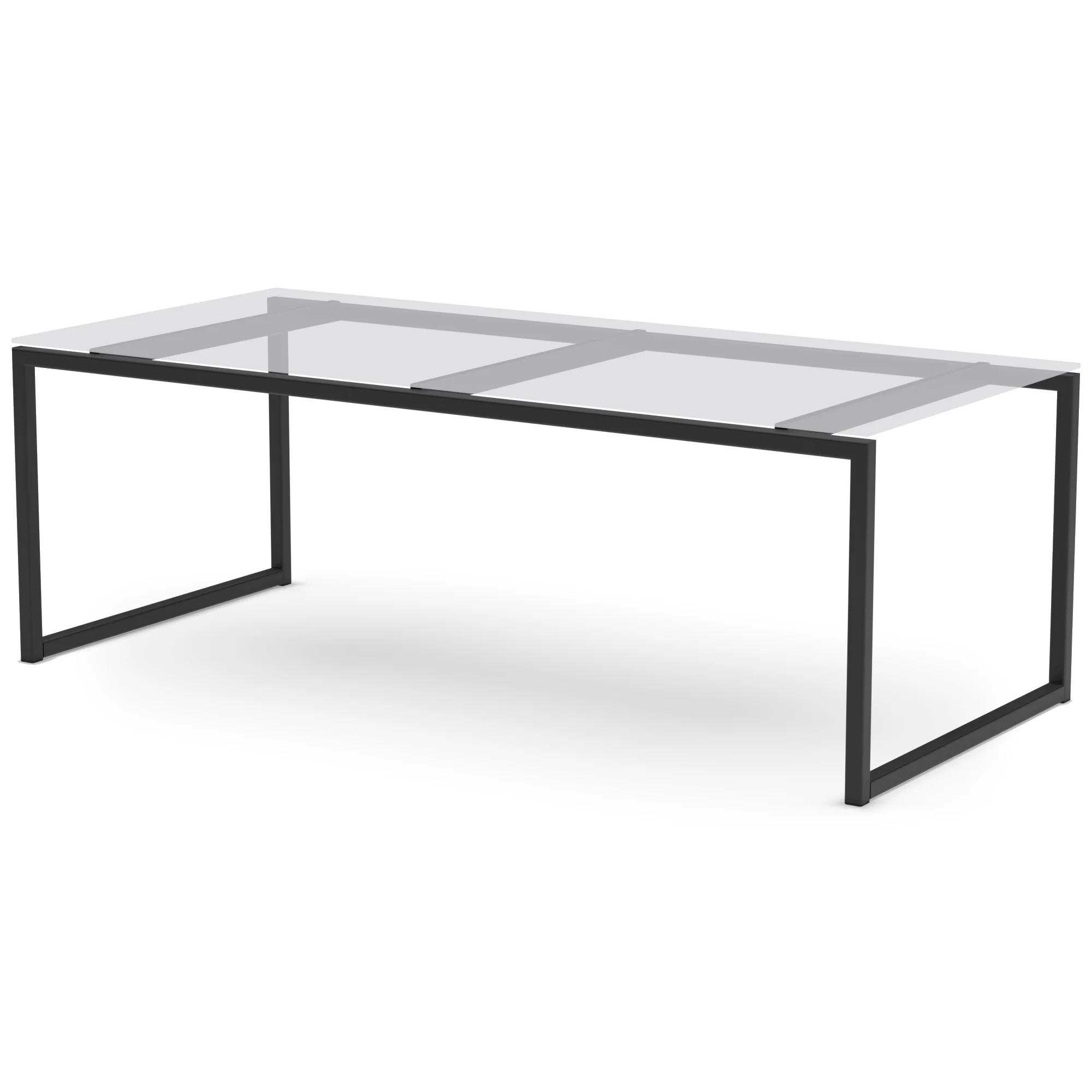
Steel base
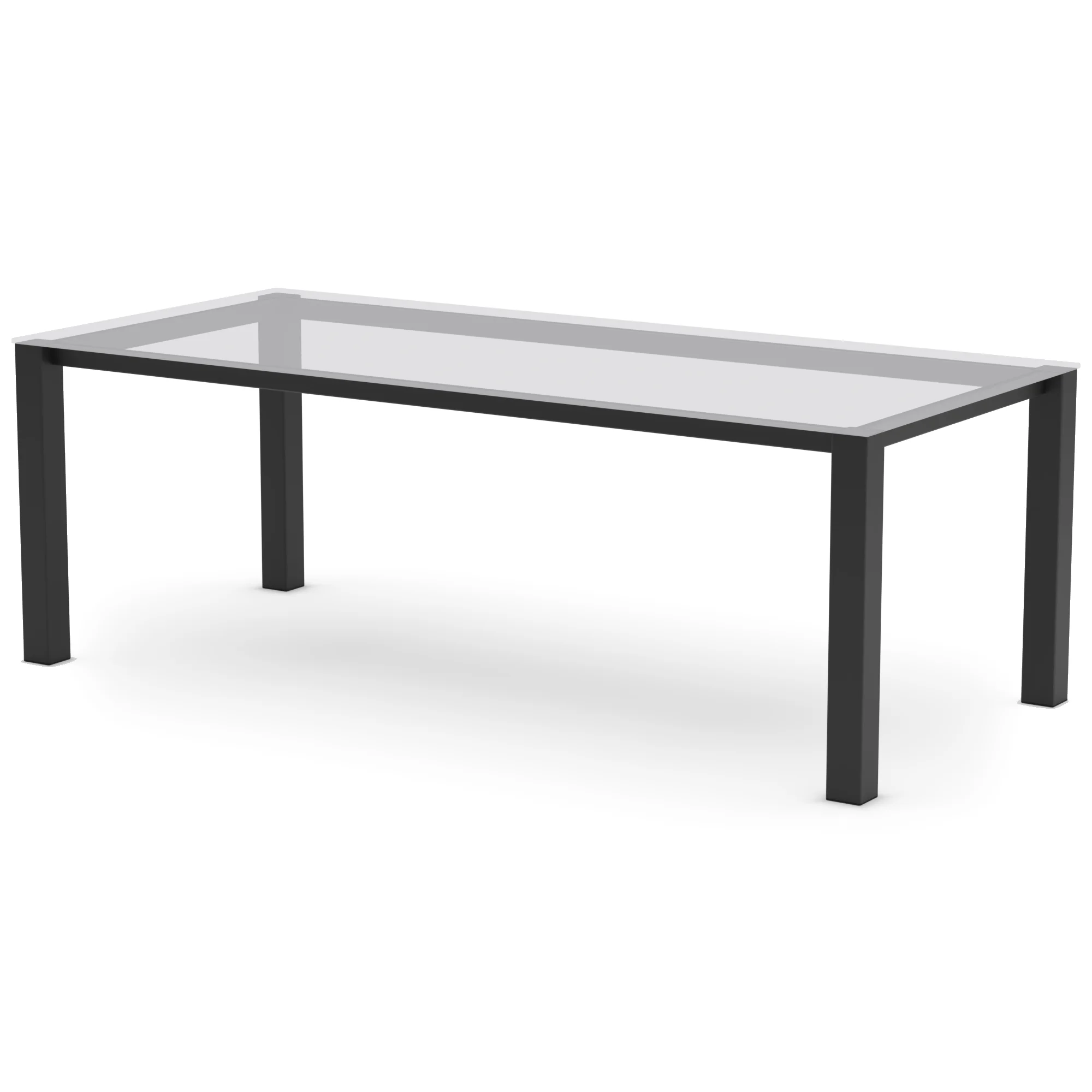

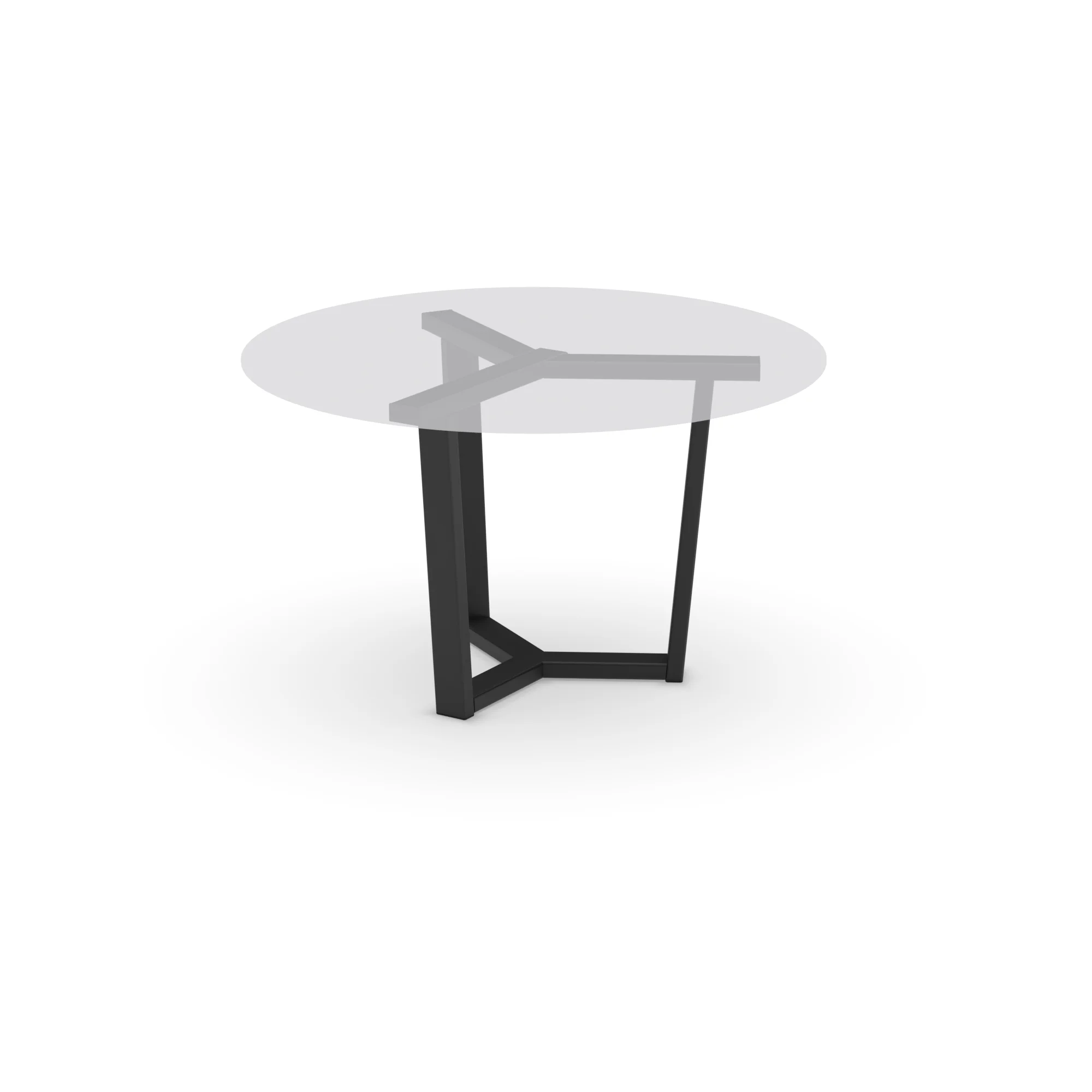
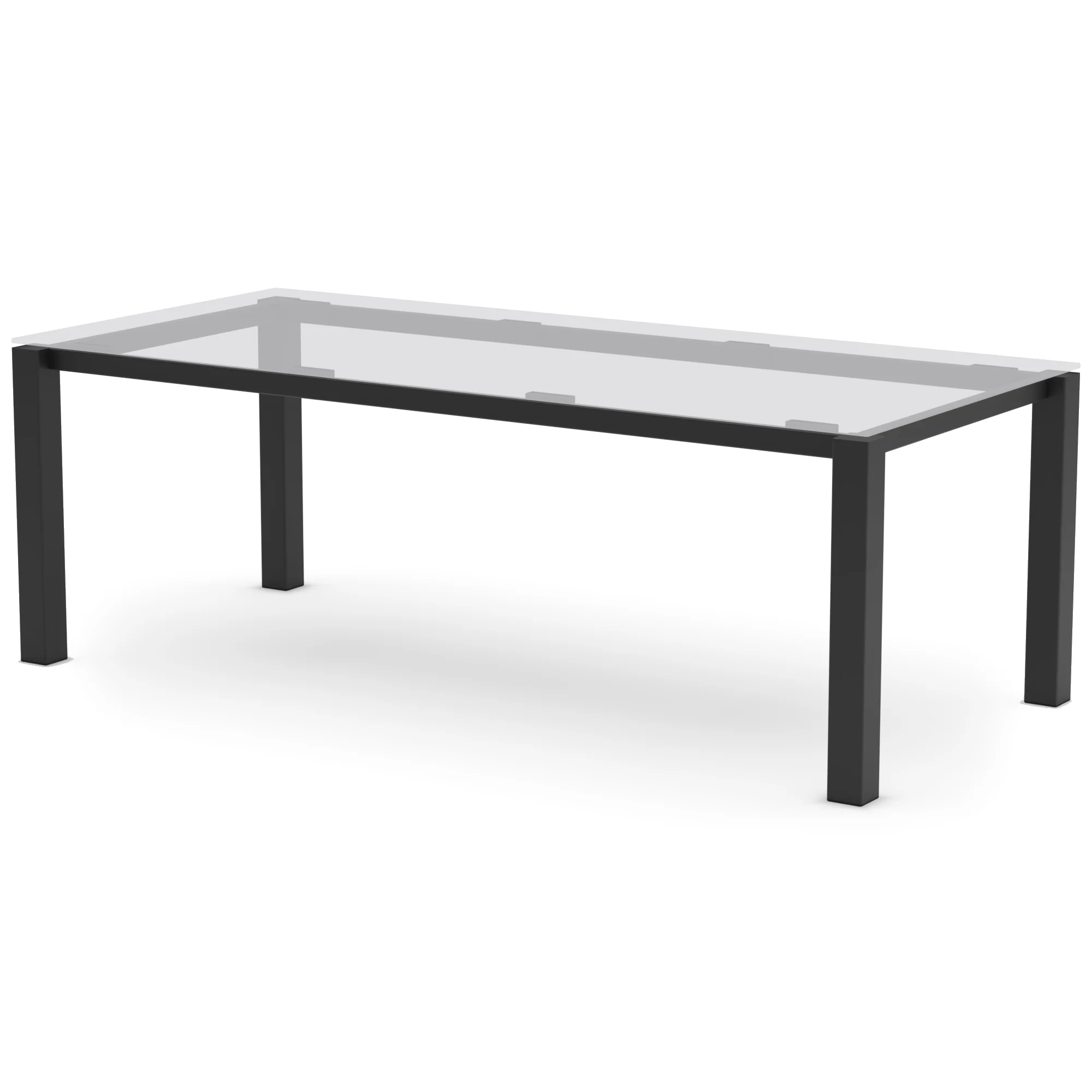
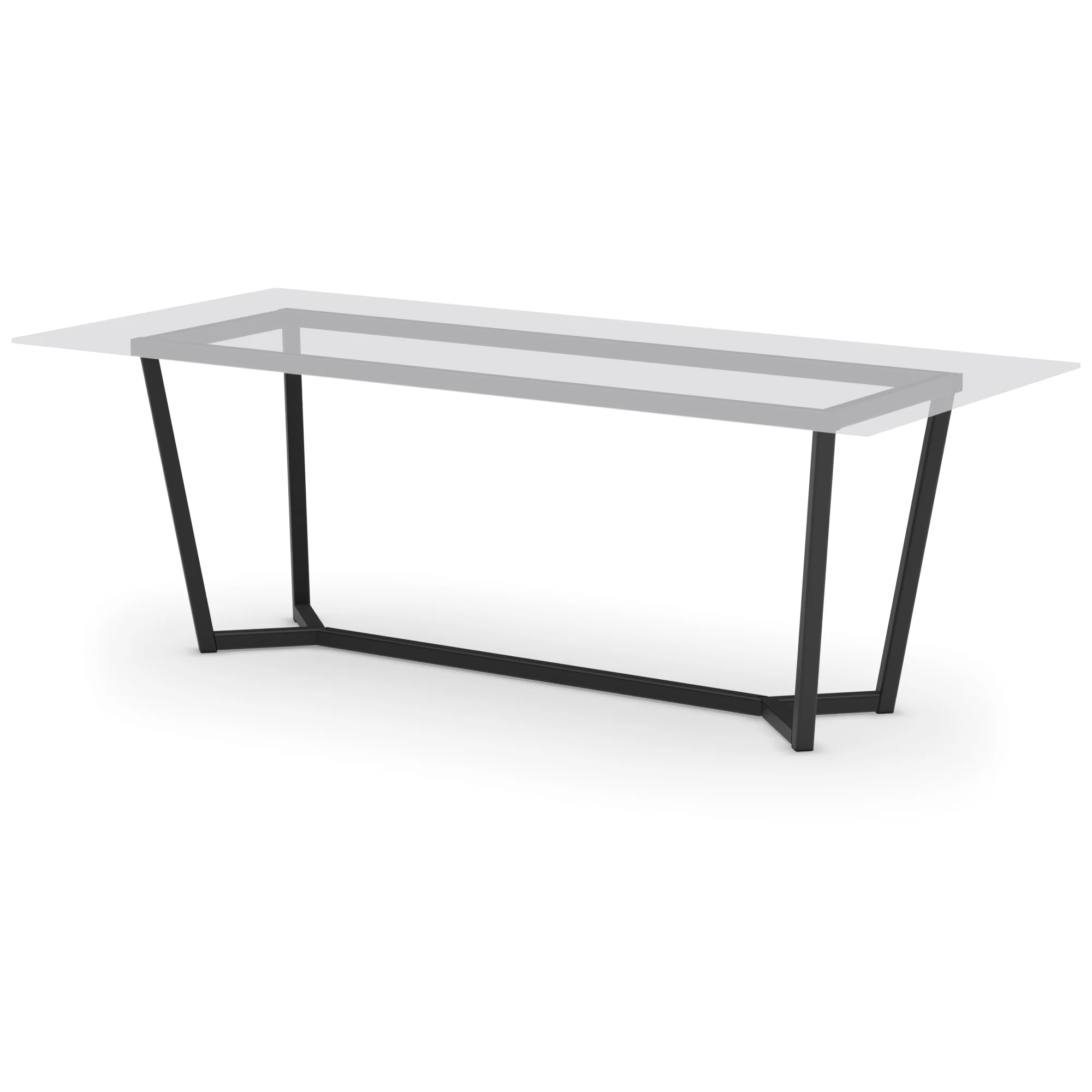
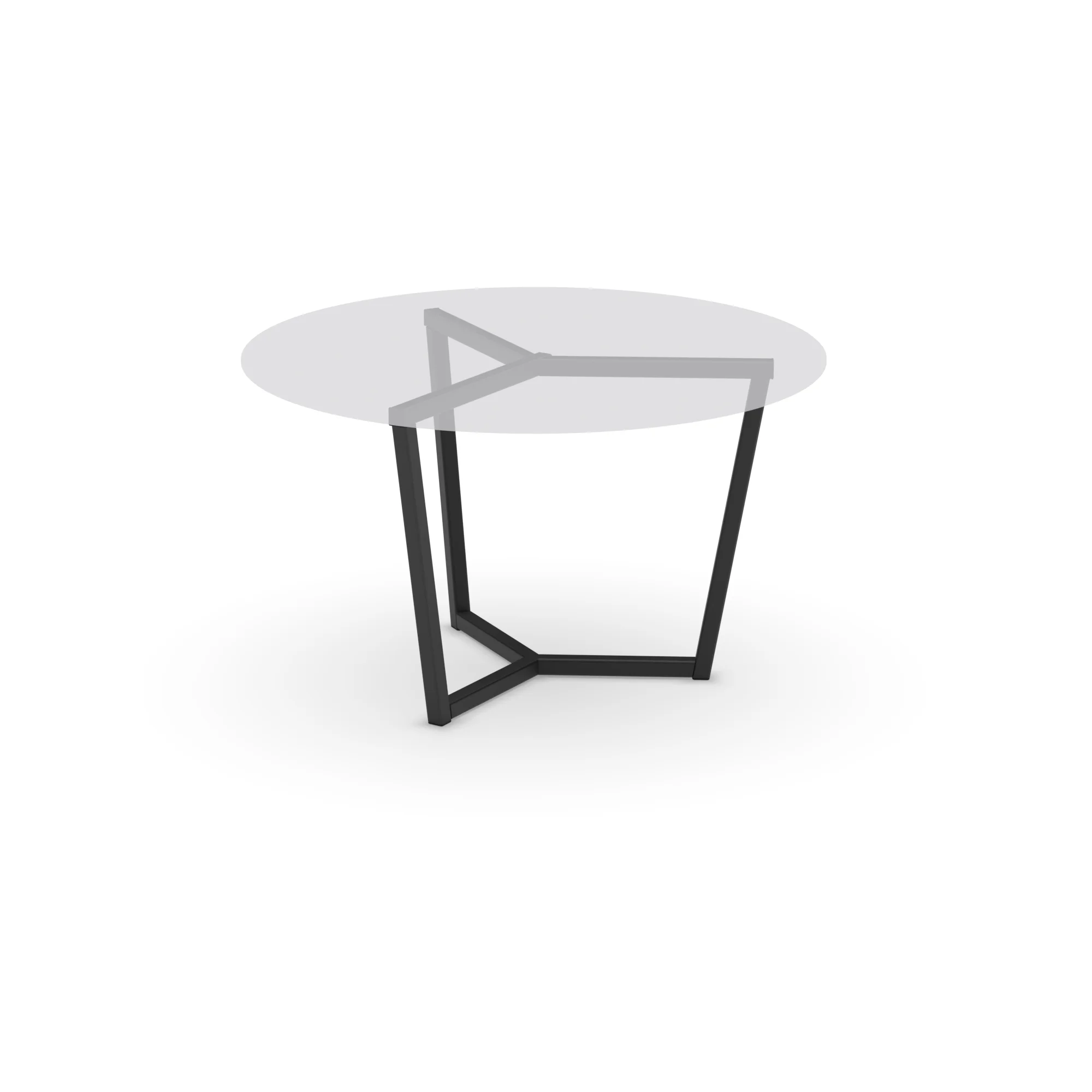
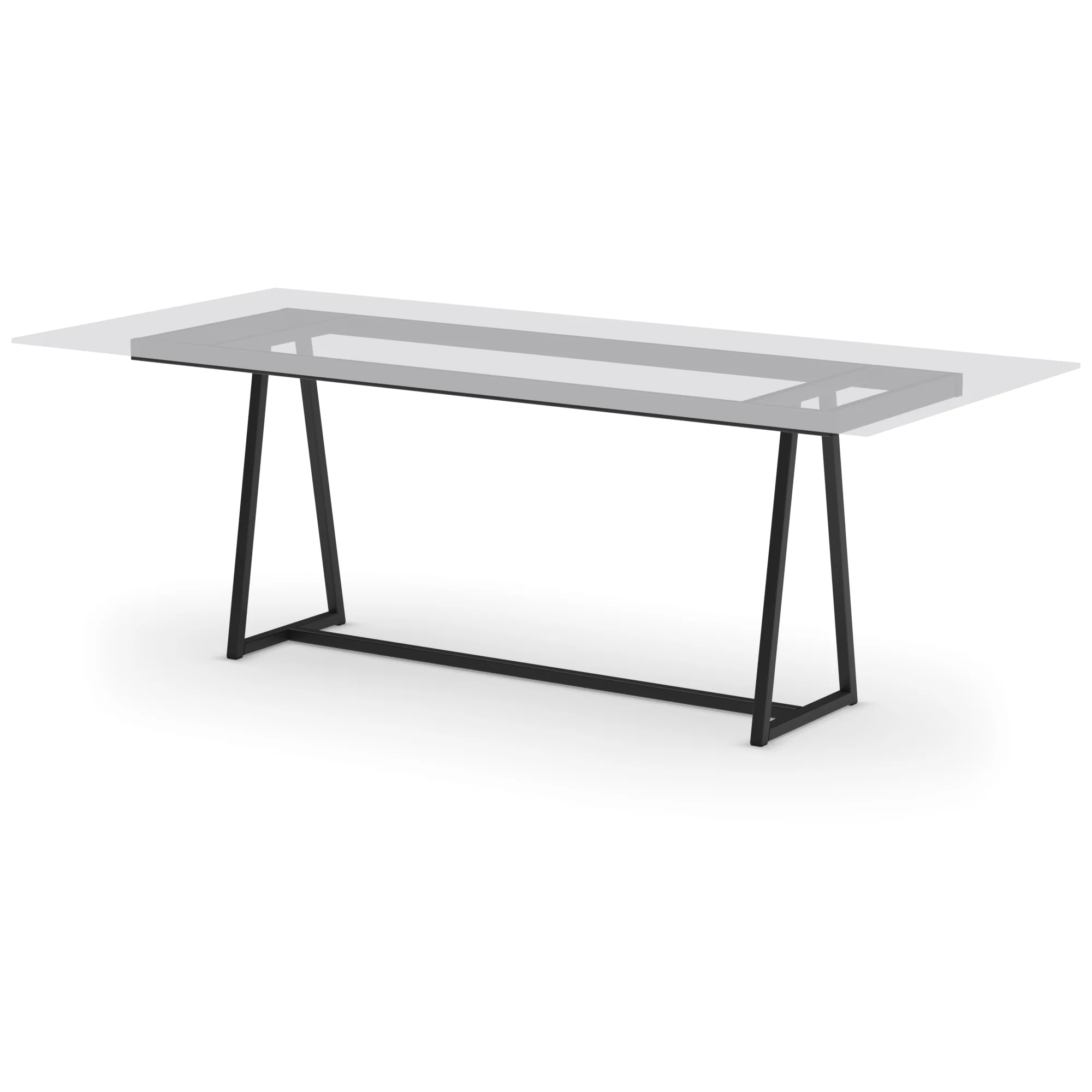
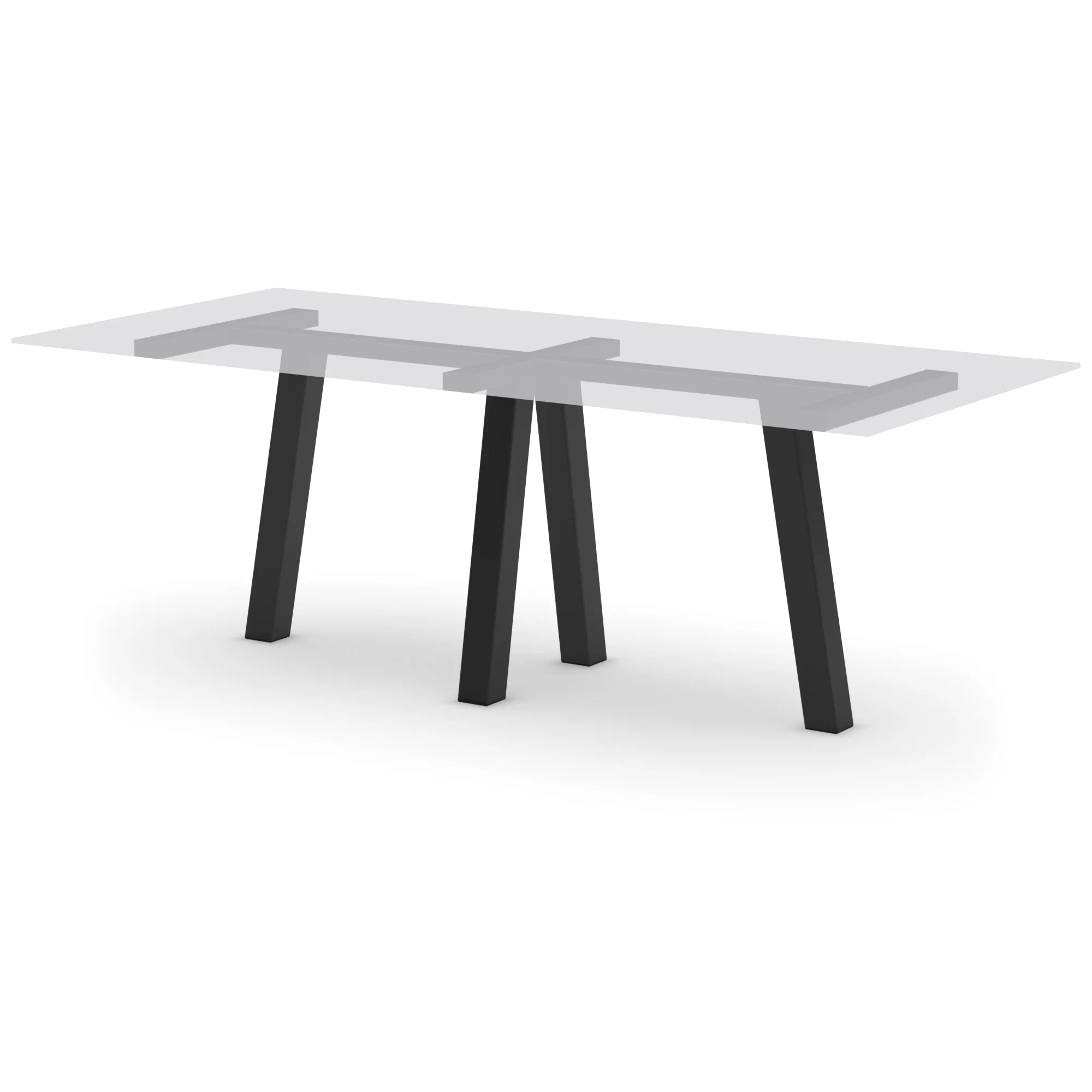
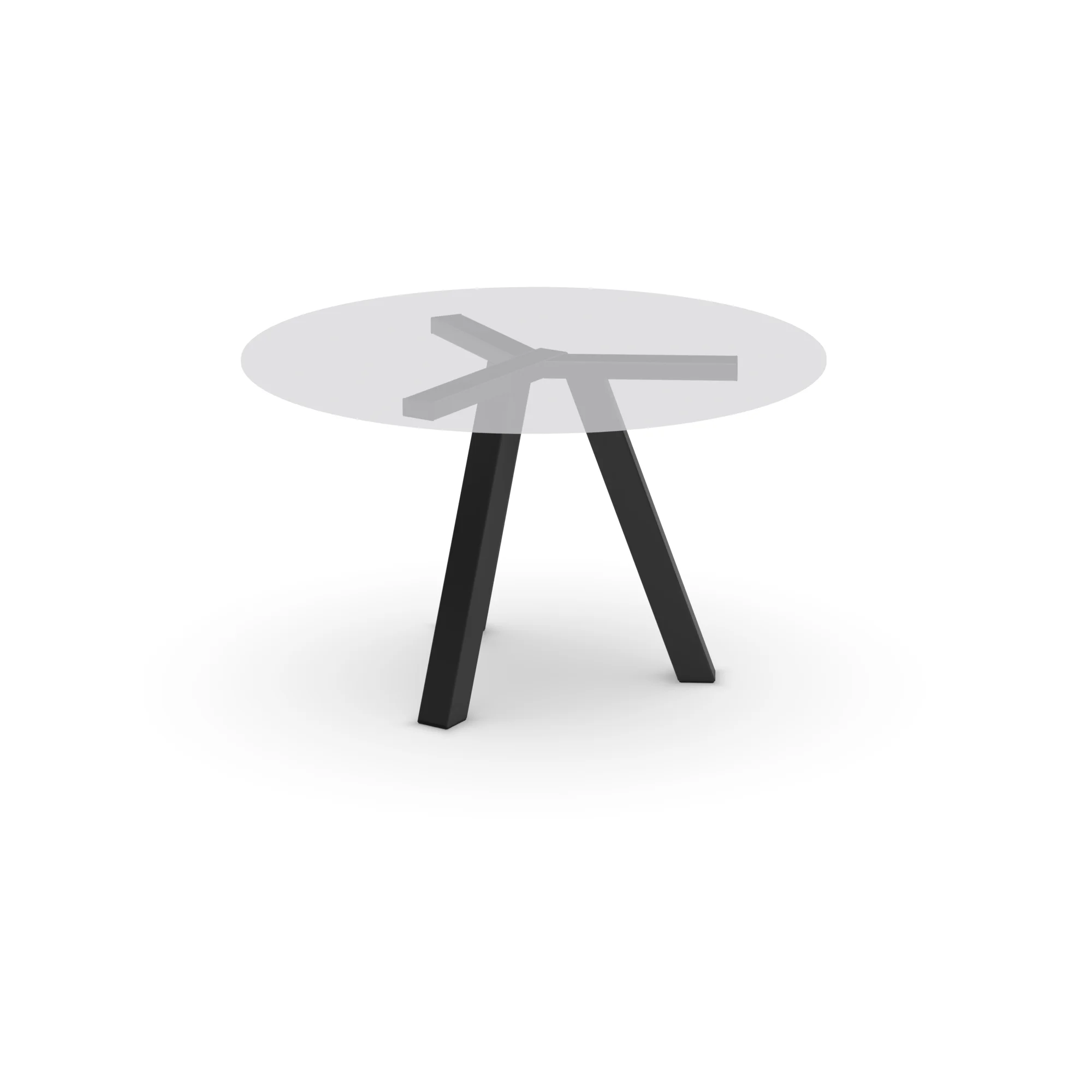
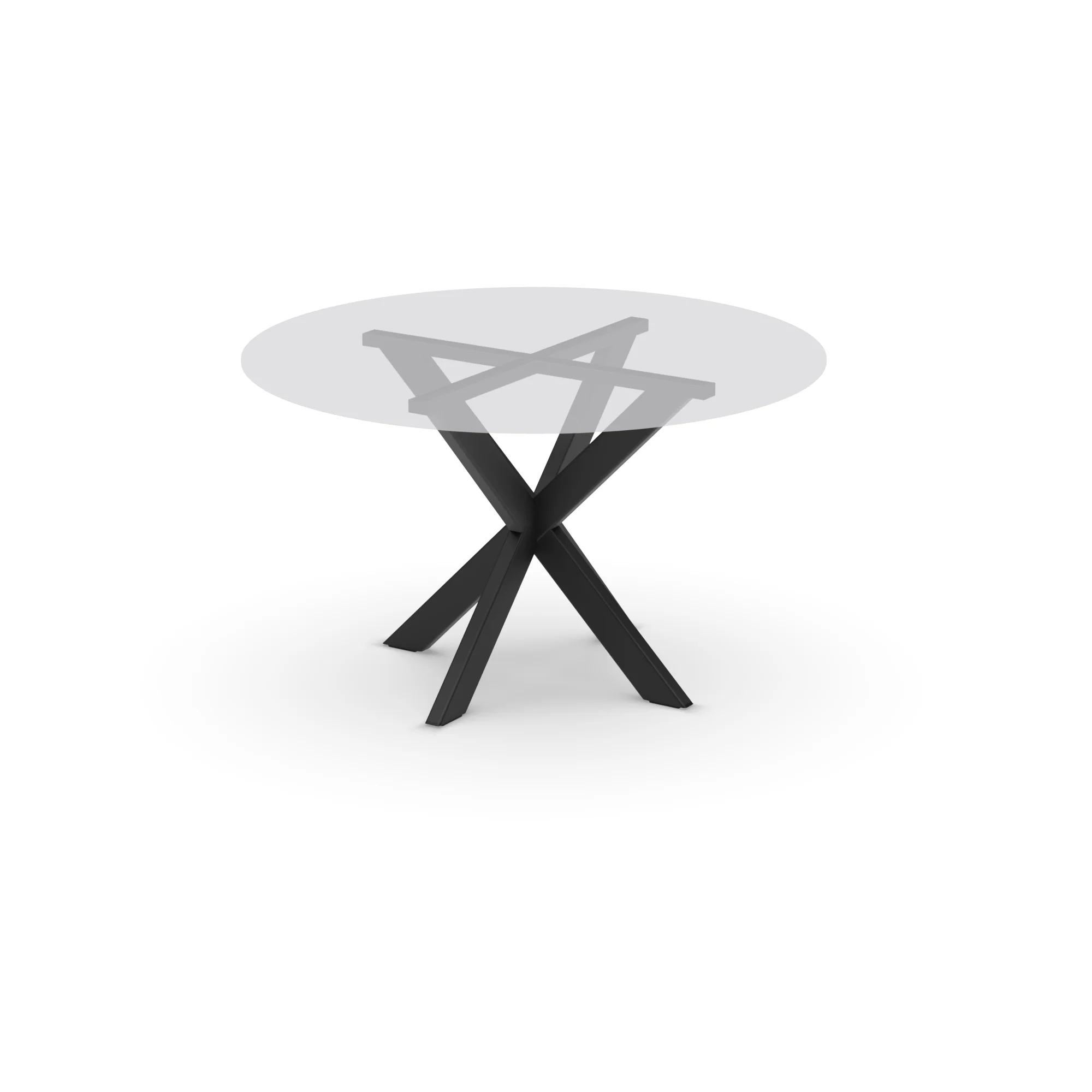
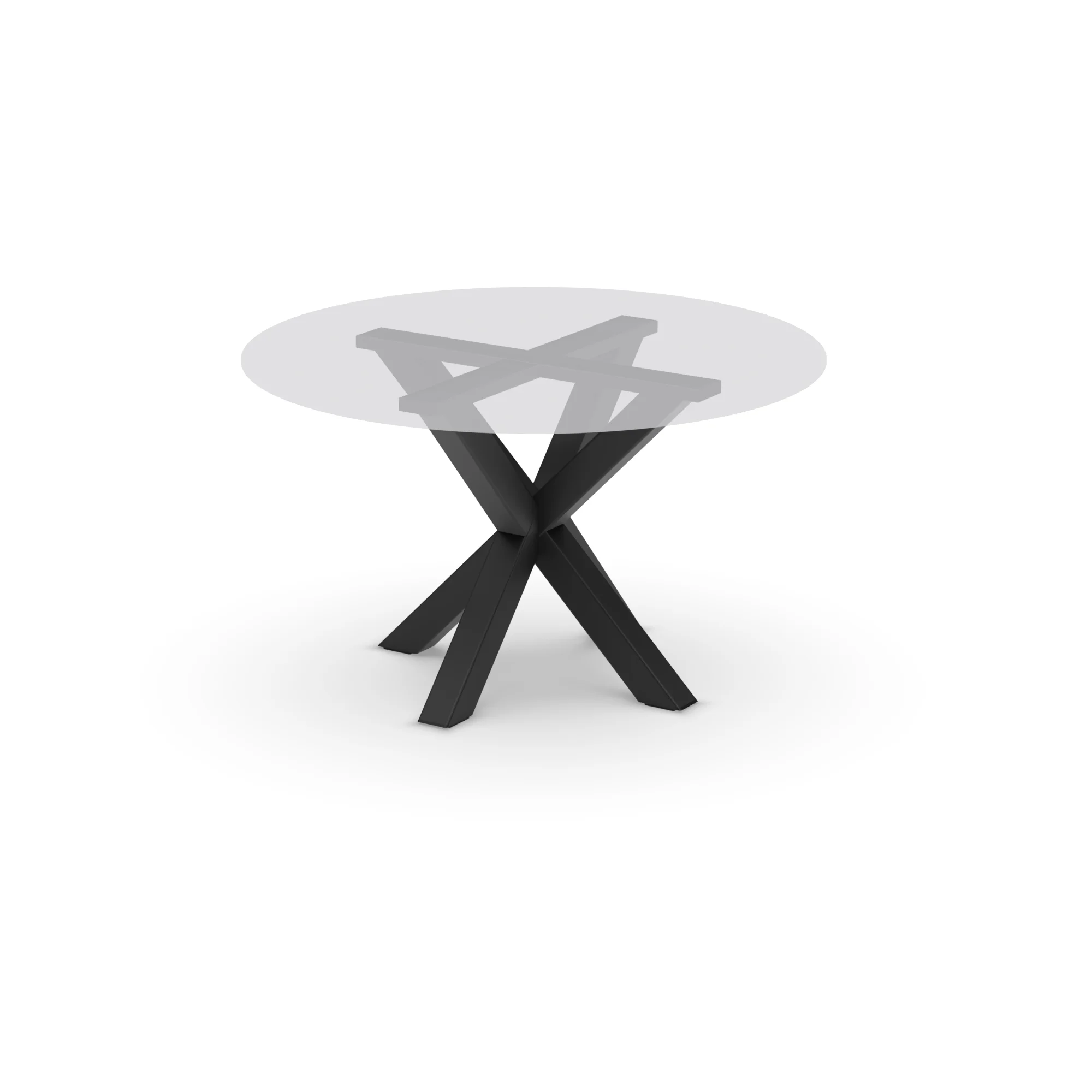
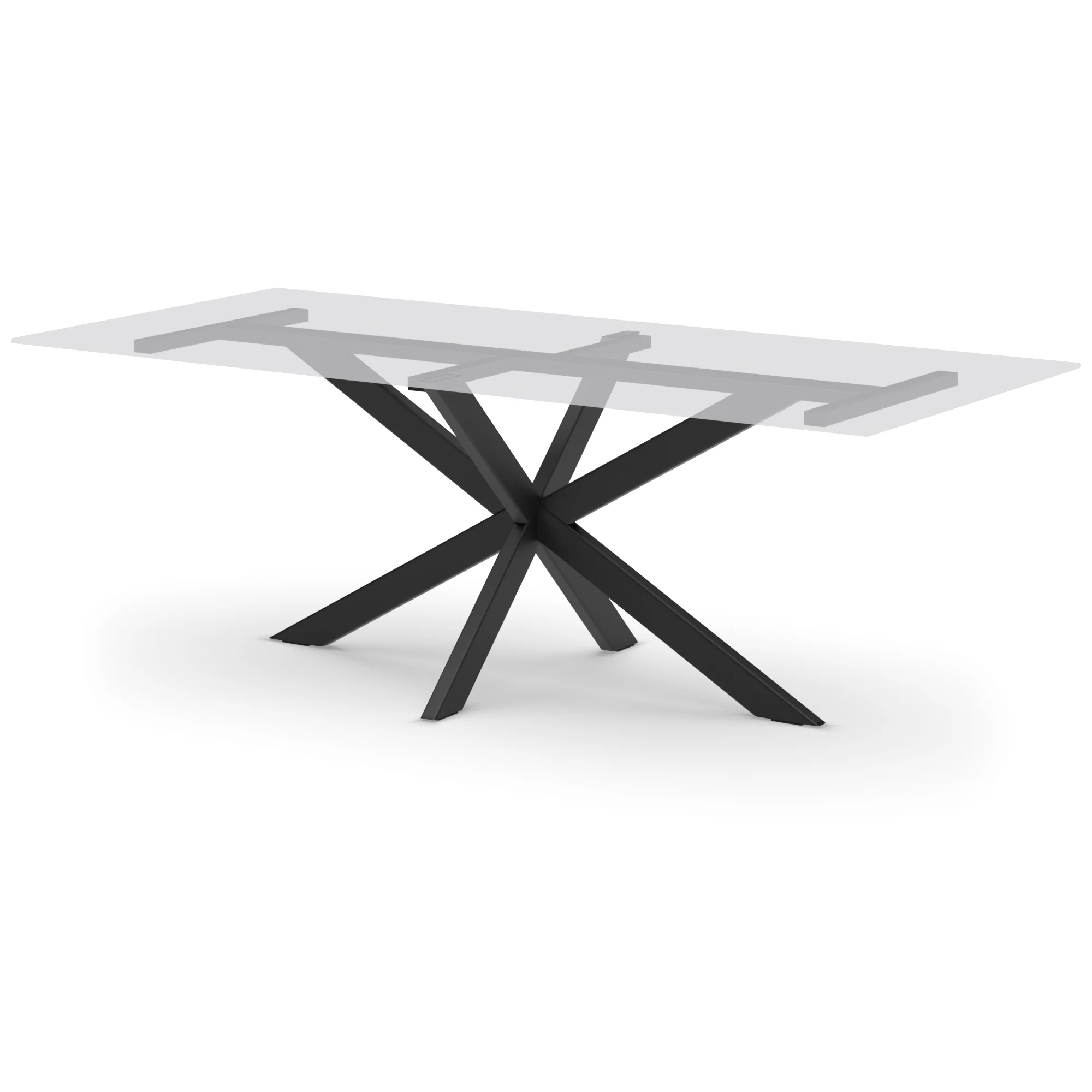
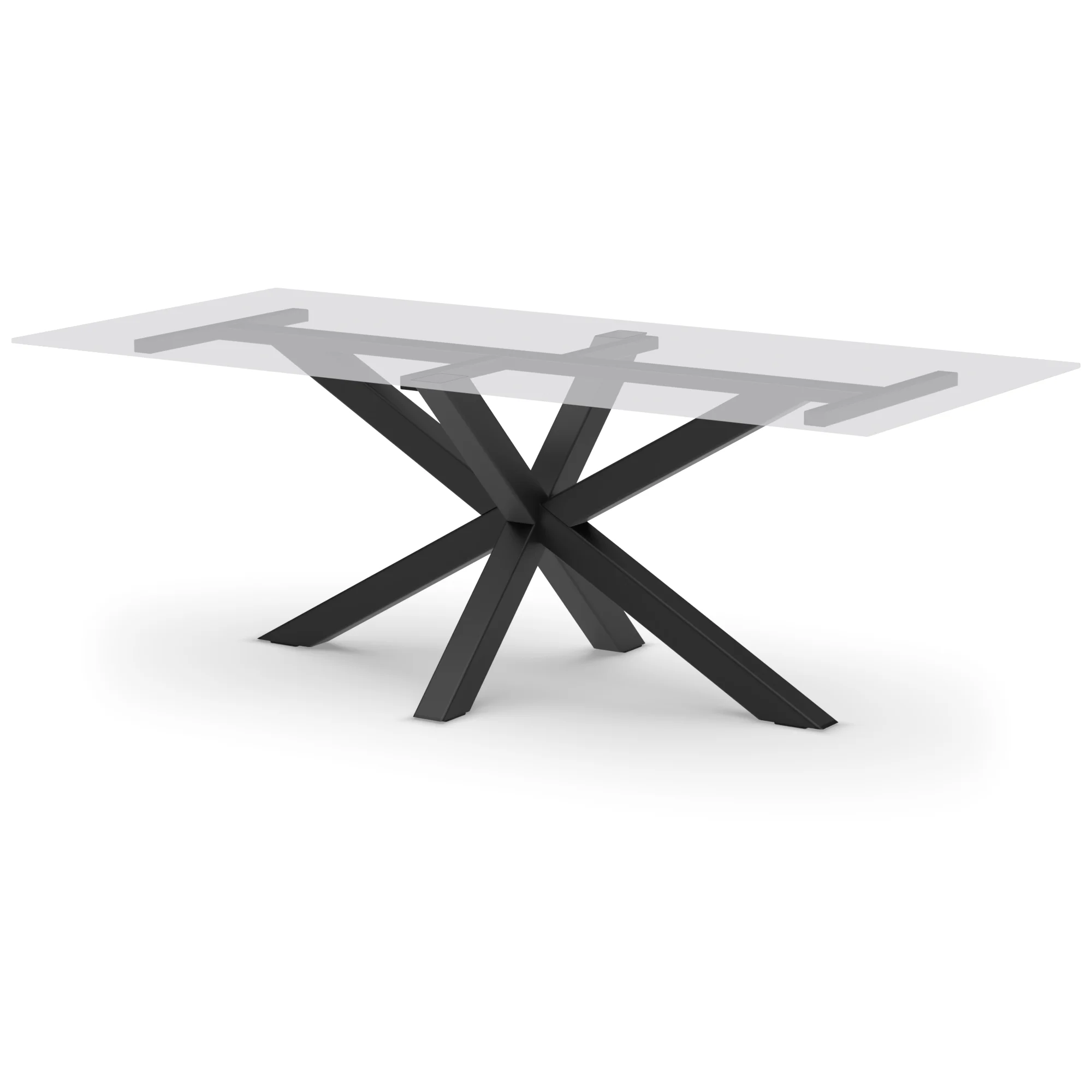
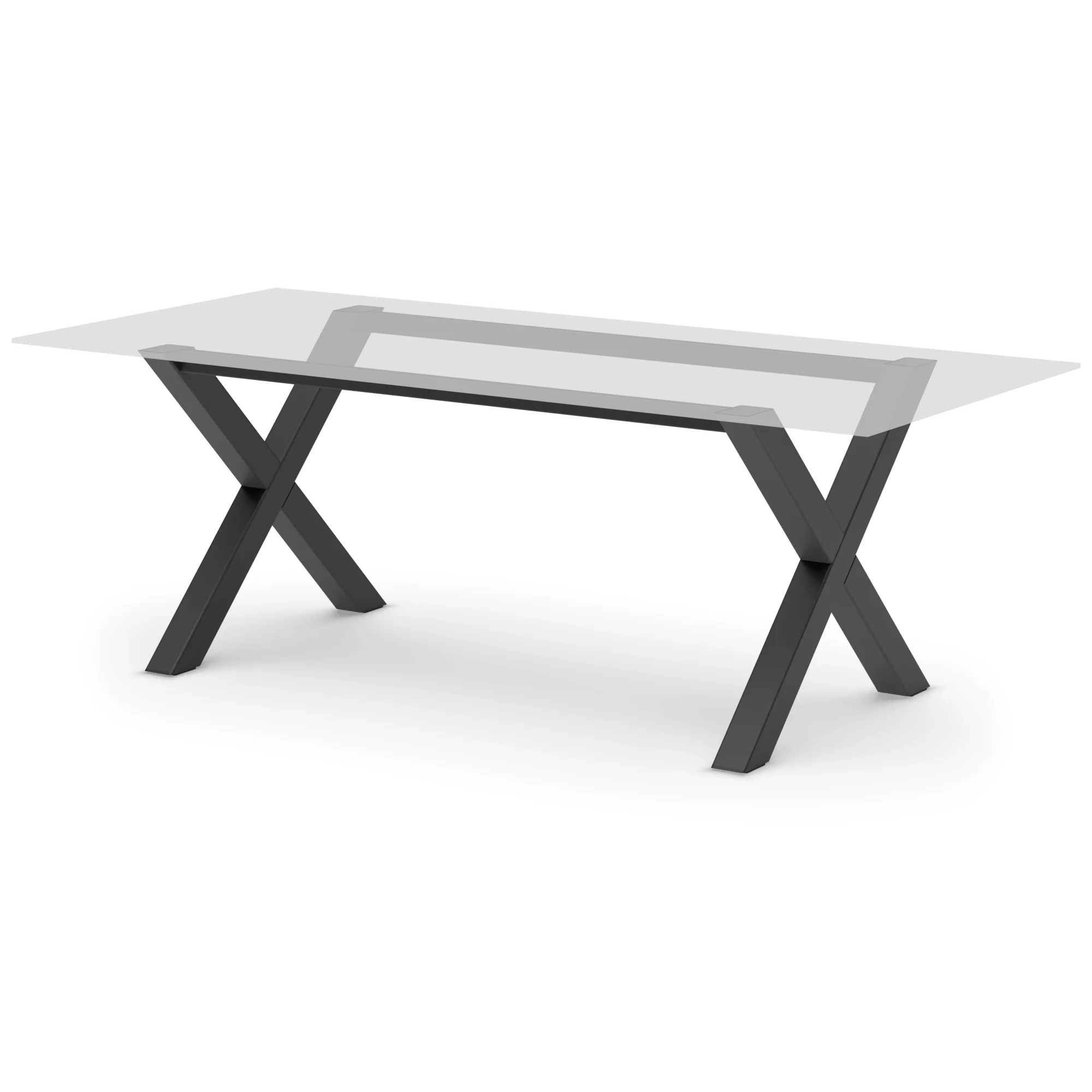
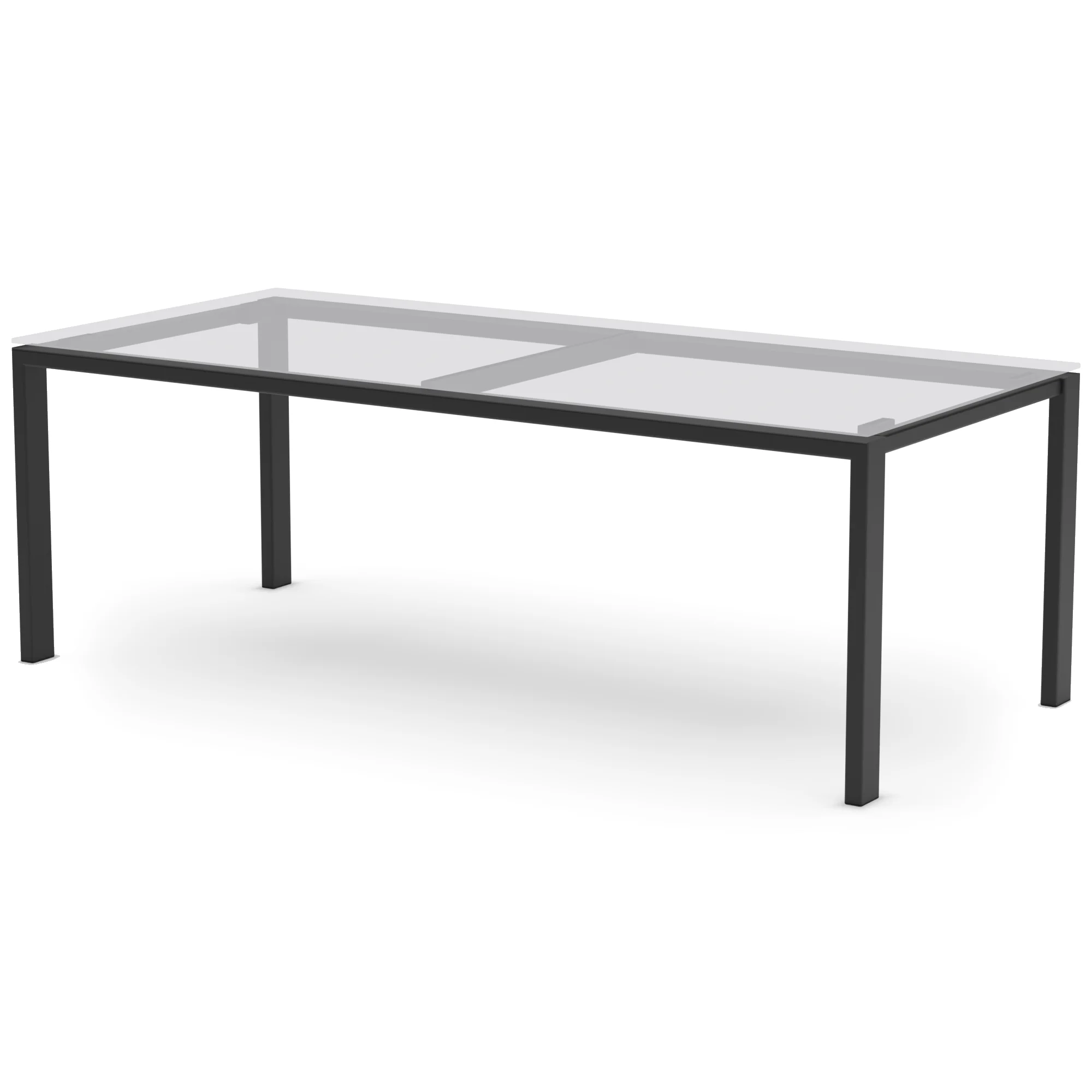

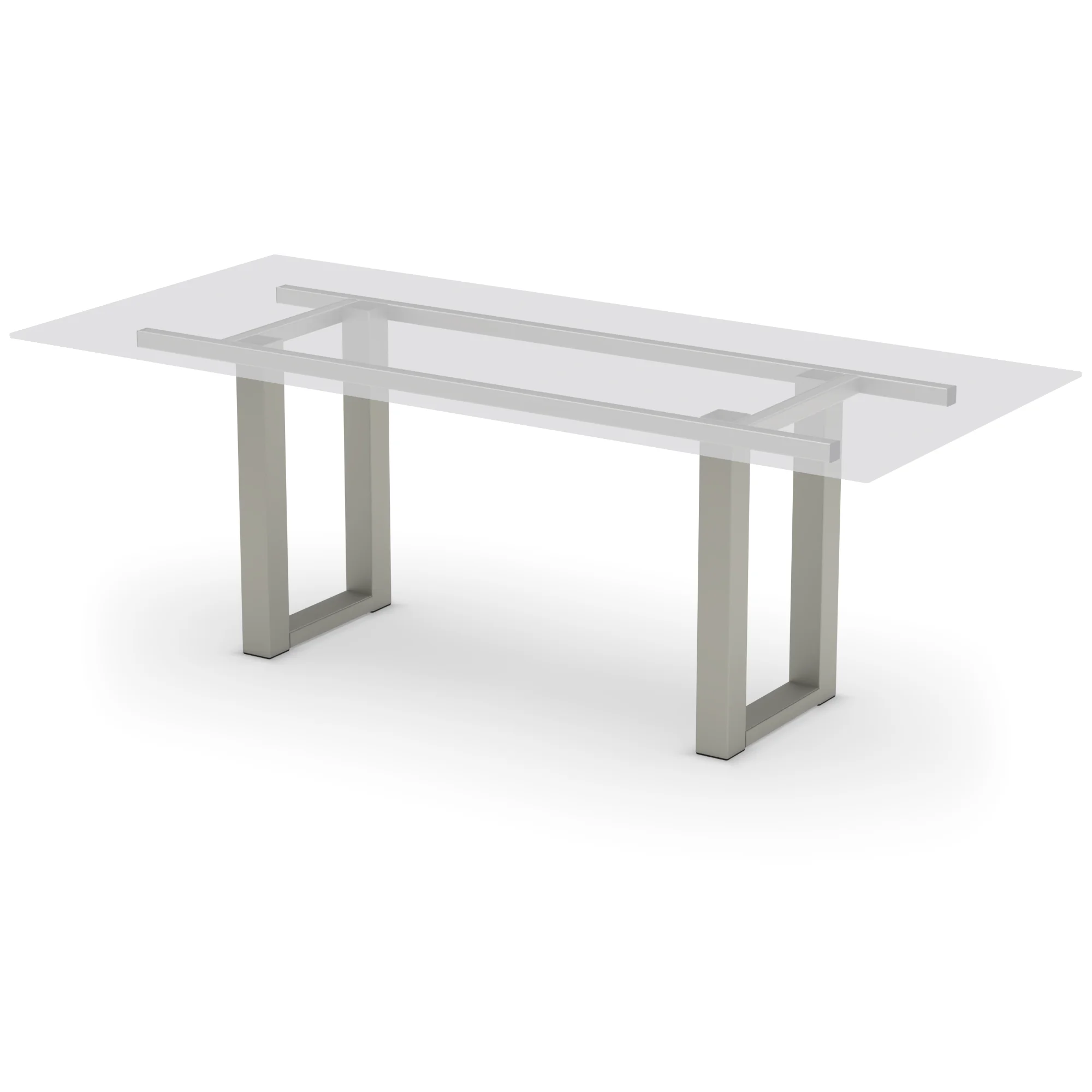
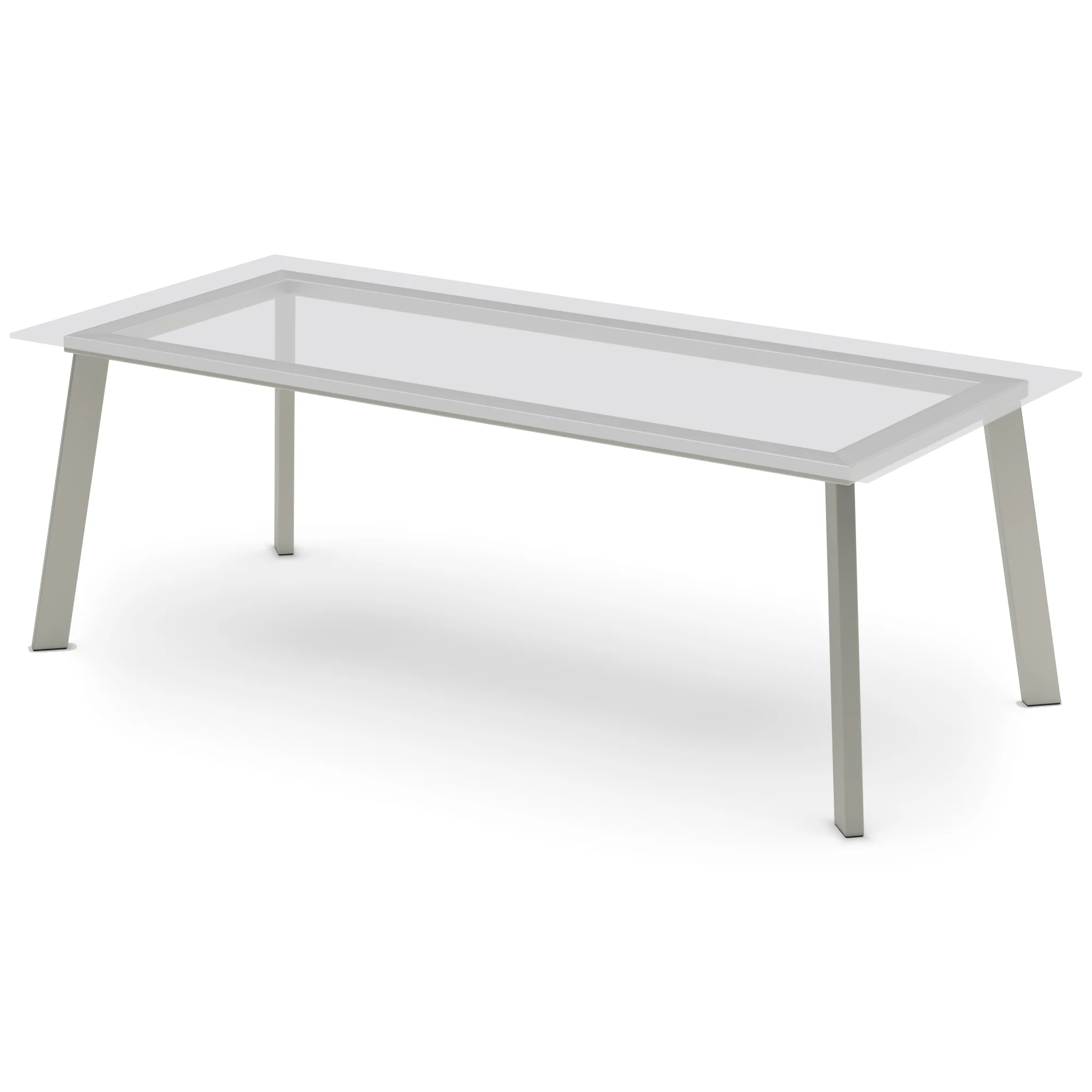
54 products
Sort byDefault




No products match this combination
Adjust or remove a filter to see results again.

Why ceramic for outdoors
Ceramic is sintered at extremely high temperature. That makes the top hard and non-porous: water, grease and wine do not soak in.
Quick guide
- You want a table that stays outside and asks little: ceramic.
- You want real stone and do not mind sealing it: granite.
- Undecided on the frame: stainless steel and steel with outdoor primer are equally suitable outdoors, so choose on colour.
- Frost resistant: tested to EN ISO 10545-12. With water absorption below 0.1%, frost cannot break the top open.
- UV resistant: the colour does not fade, even after years in full sun.
- Heat resistant: a dish straight off the barbecue can go directly on the top.
- Scratch and stain resistant: cutlery, red wine and olive oil leave no marks.
Drawbacks of a ceramic garden table
Ceramic is heavy. You will not move the table on your own, so choose its place on the patio beforehand.
The top is sensitive to hard point loads on the edge. A heavy plant pot or a steel chair striking the edge can chip it. On the surface itself, ceramic is very hard.
Ceramic or granite for outdoors?
Both are hard and still look the same after years, but the care differs. Ceramic is non-porous and needs no treatment. Granite is sealed after delivery and again every two to three years.
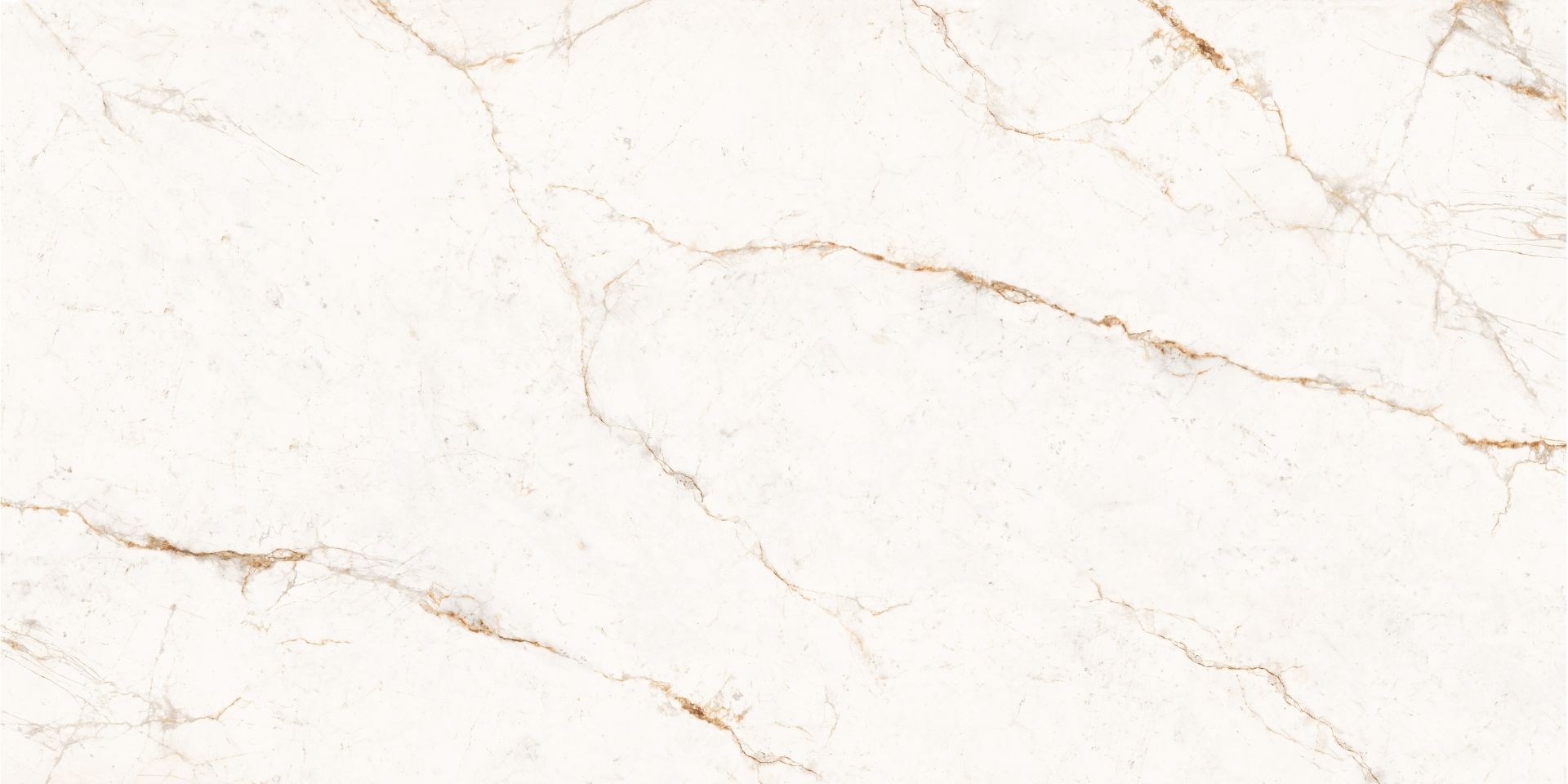
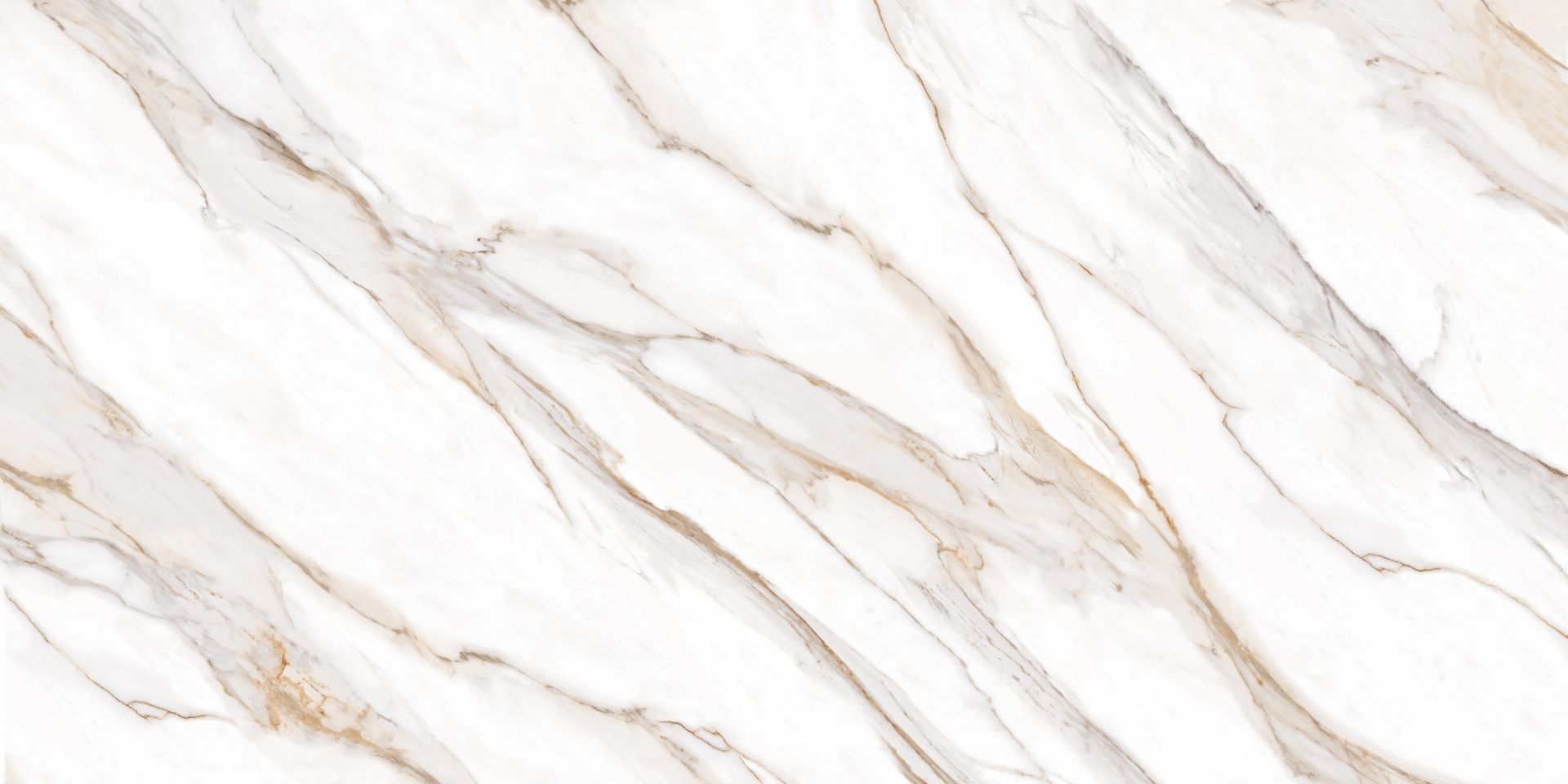
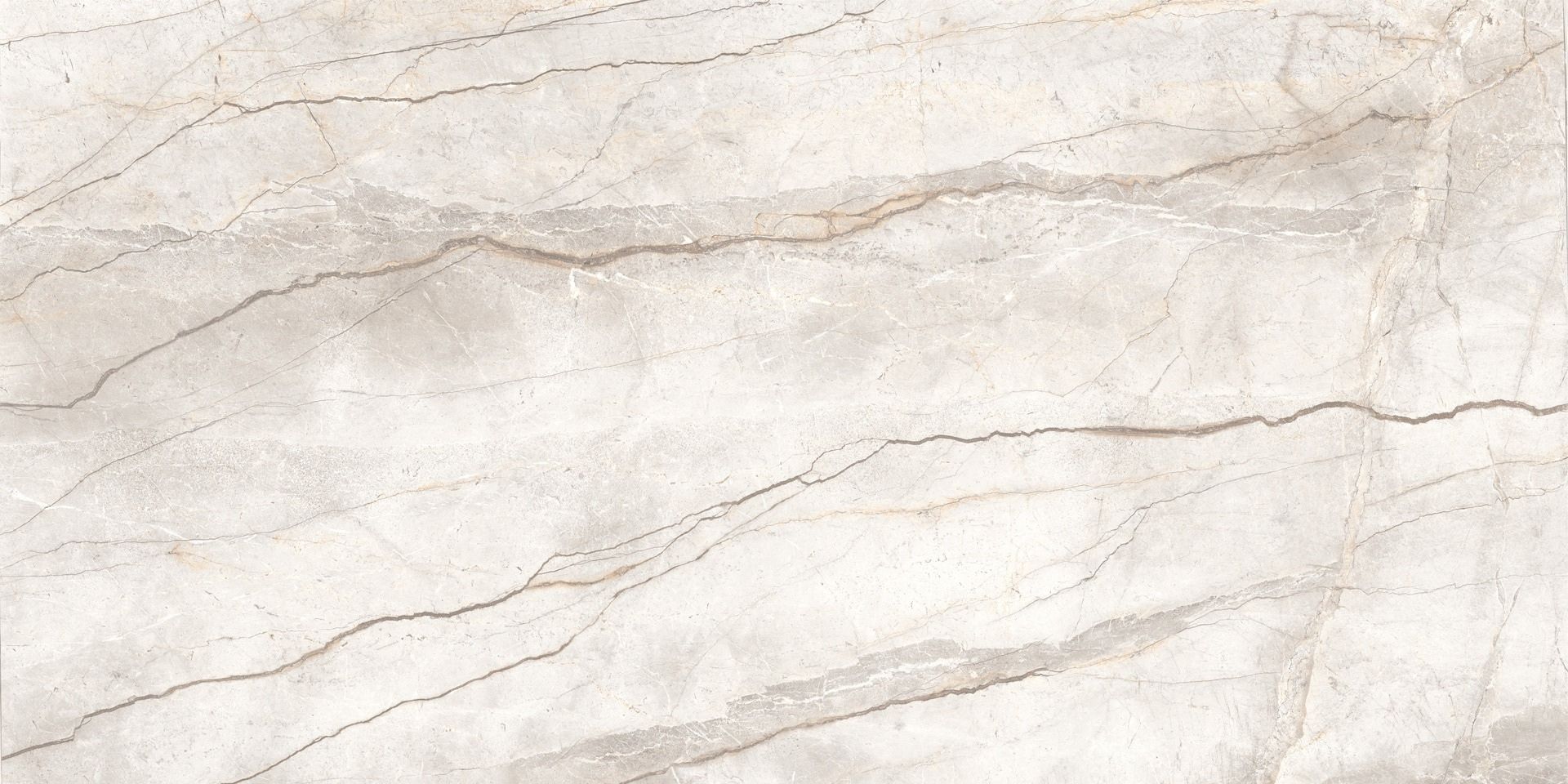
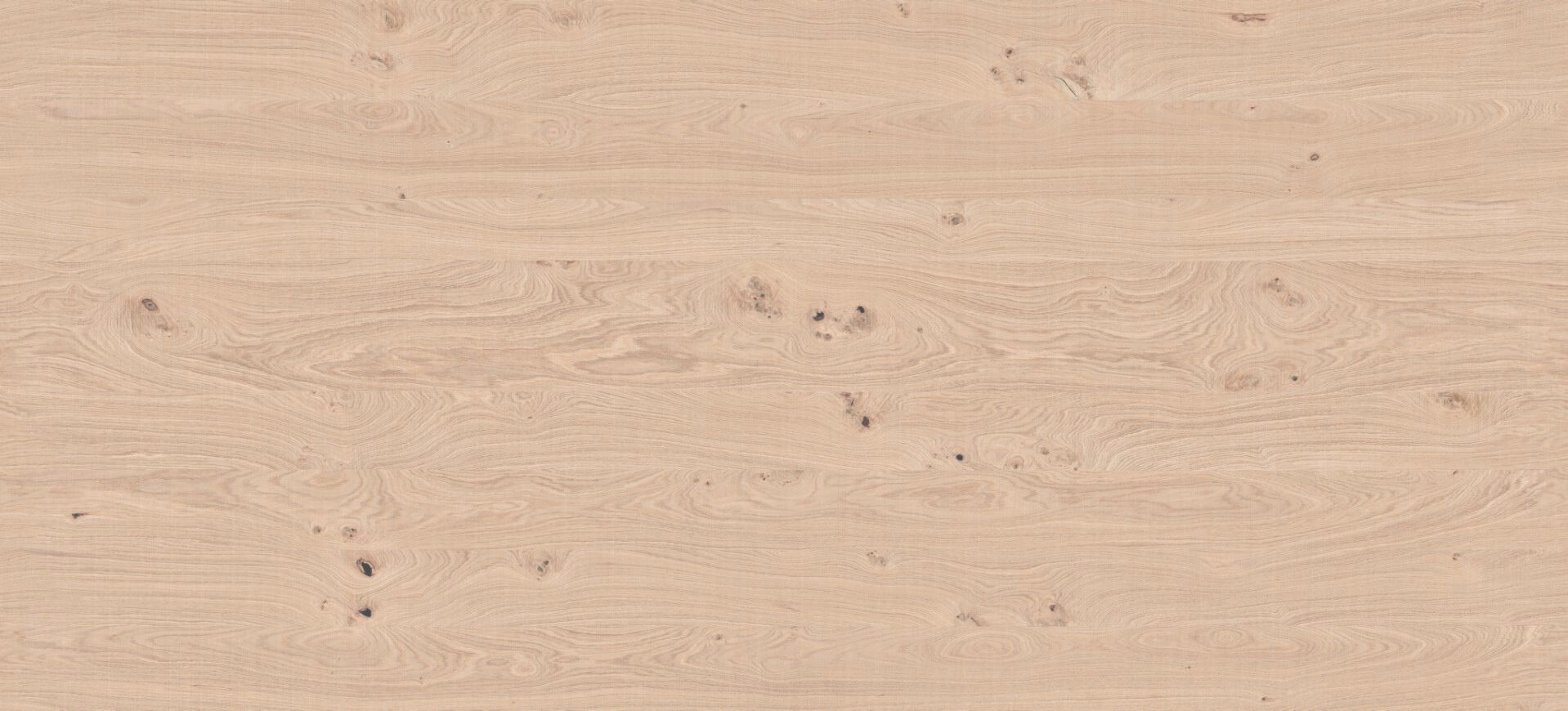
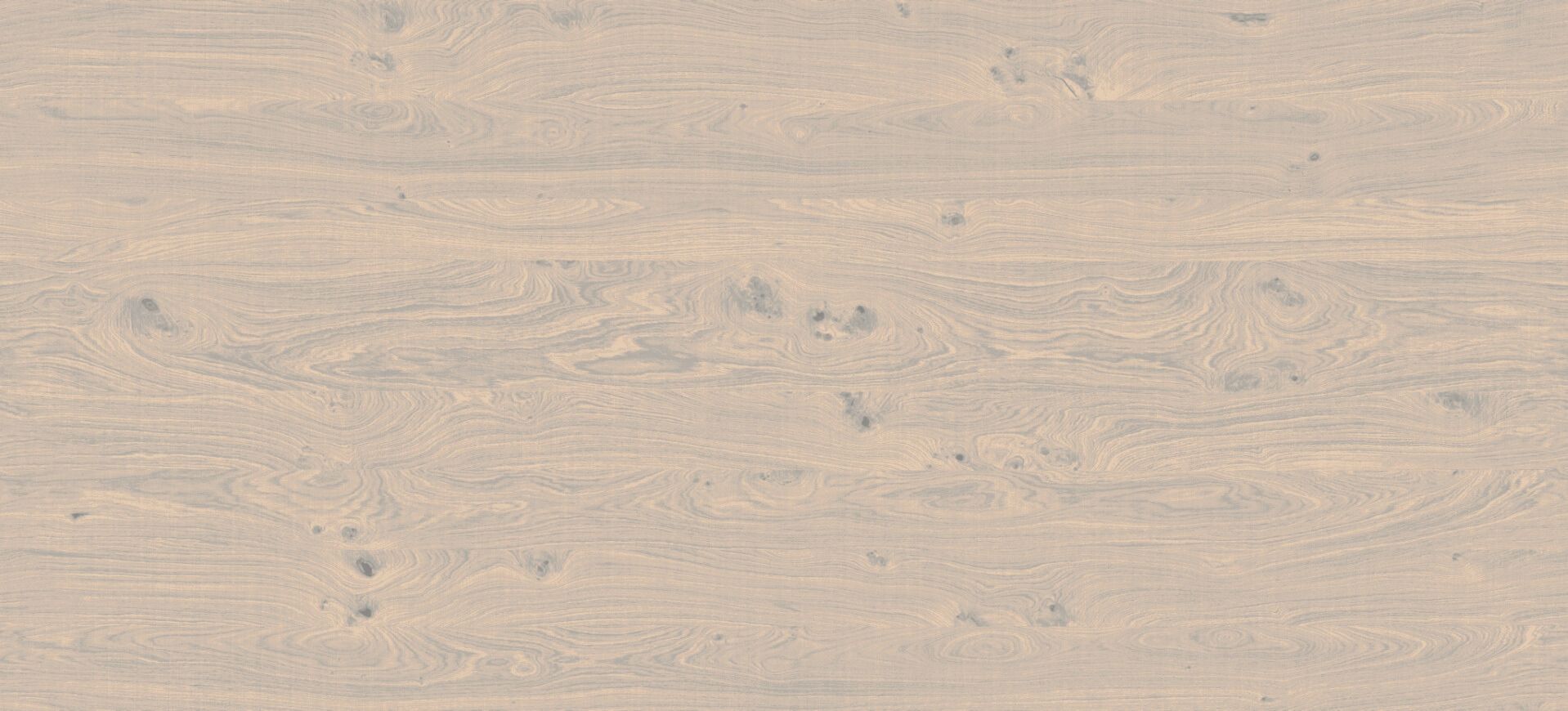
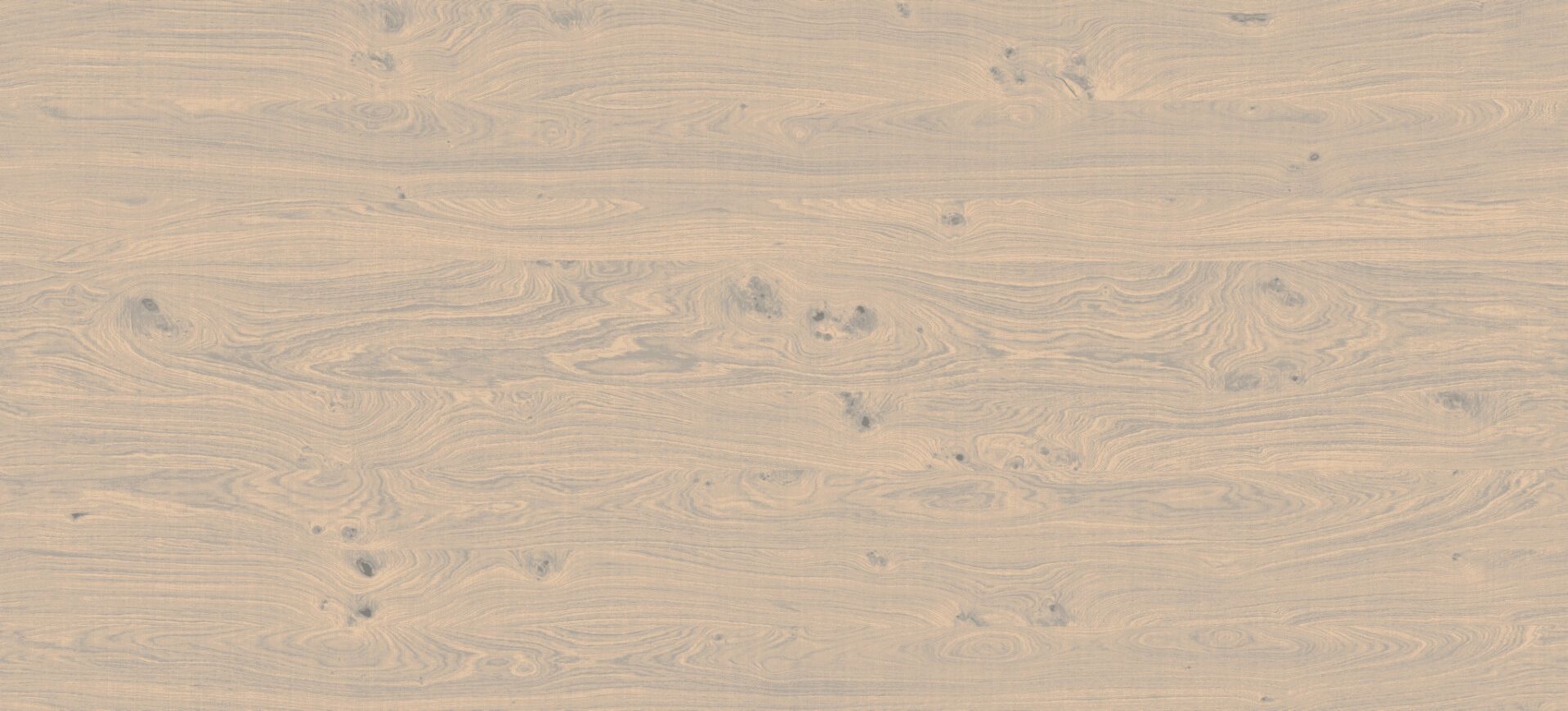
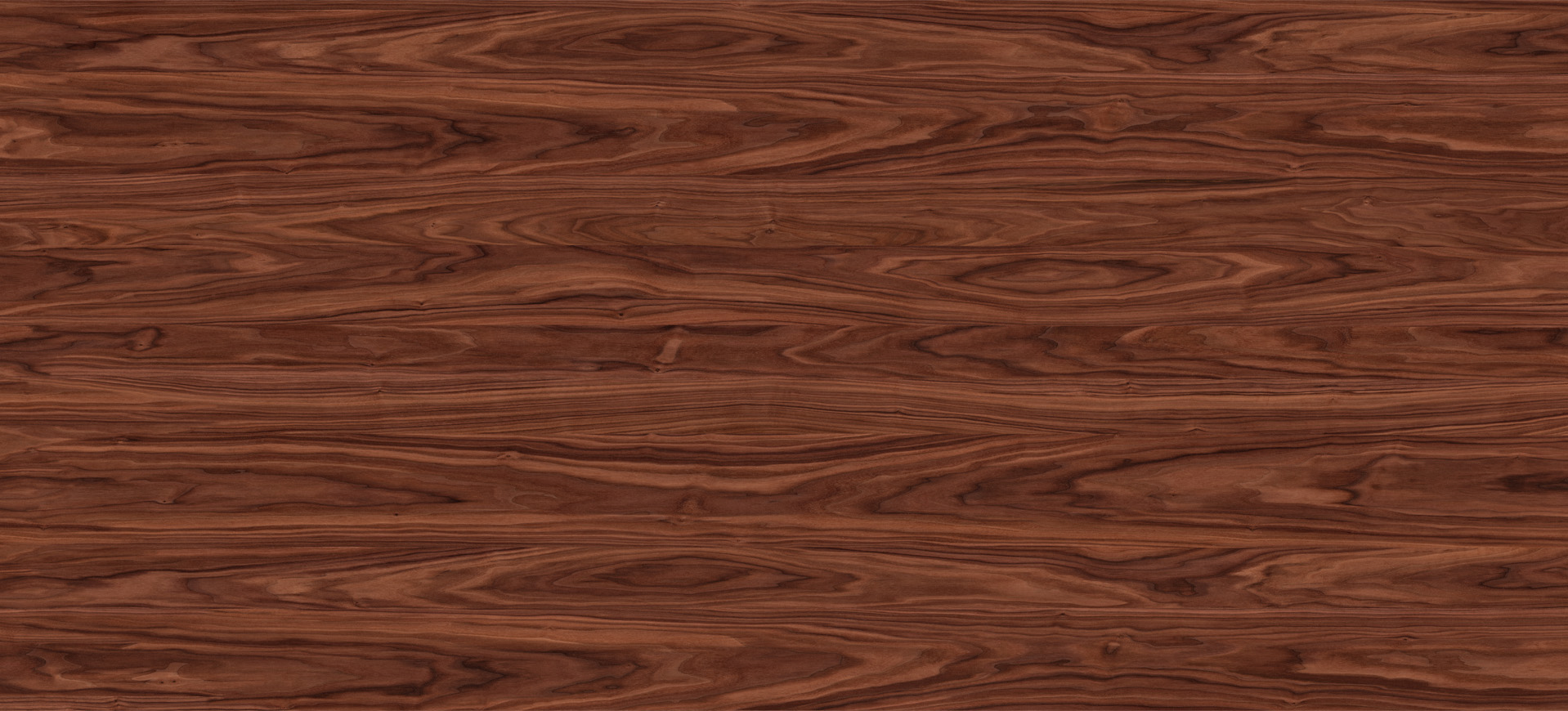
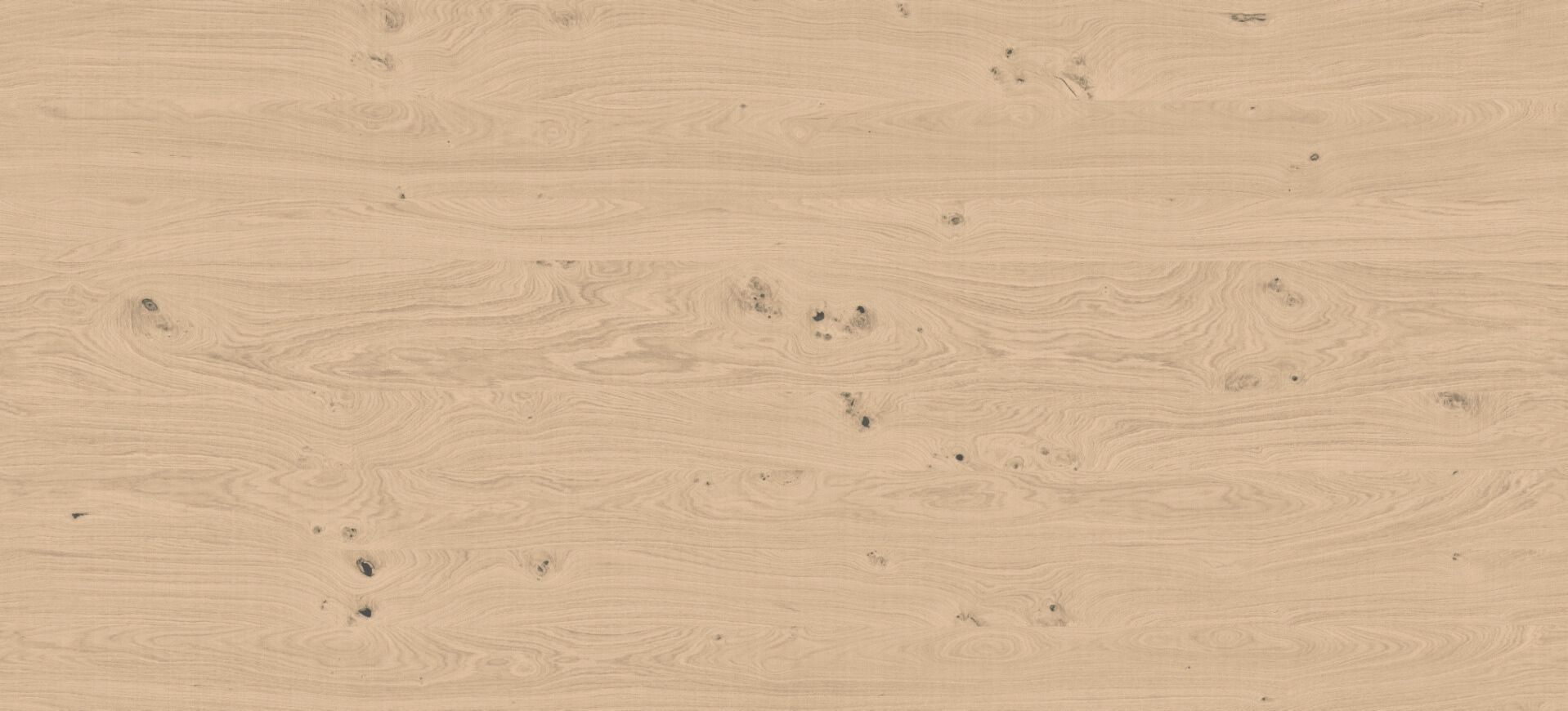
Ceramic comes in 29 colours, from stone and marble looks to plain shades. Granite is real stone in four types, with a pattern that differs from top to top. A hot pan can go on ceramic without worry; on granite, use a trivet.
29 colours, two thicknesses
A ceramic table top is 12 mm or 20 mm thick. At 12 mm the top looks slim; 20 mm gives a sturdier edge.
Torn between two colours? Put material samples outside on your patio: daylight changes a colour more than you might expect.
Shape and size of your ceramic garden table
- Rectangular: the most seats per metre, along a wall or on a long patio.
- Oval and Danish oval: no corners on the way into the garden.
- Rectangle with semicircular ends: long, but without corners.
- Round: everyone at the same distance, good on a square patio.
Allow 700 to 750 mm of table edge per person and at least 800 mm of free space around it to slide a chair back. Standard table height is 760 mm.
Frame: stainless steel or steel
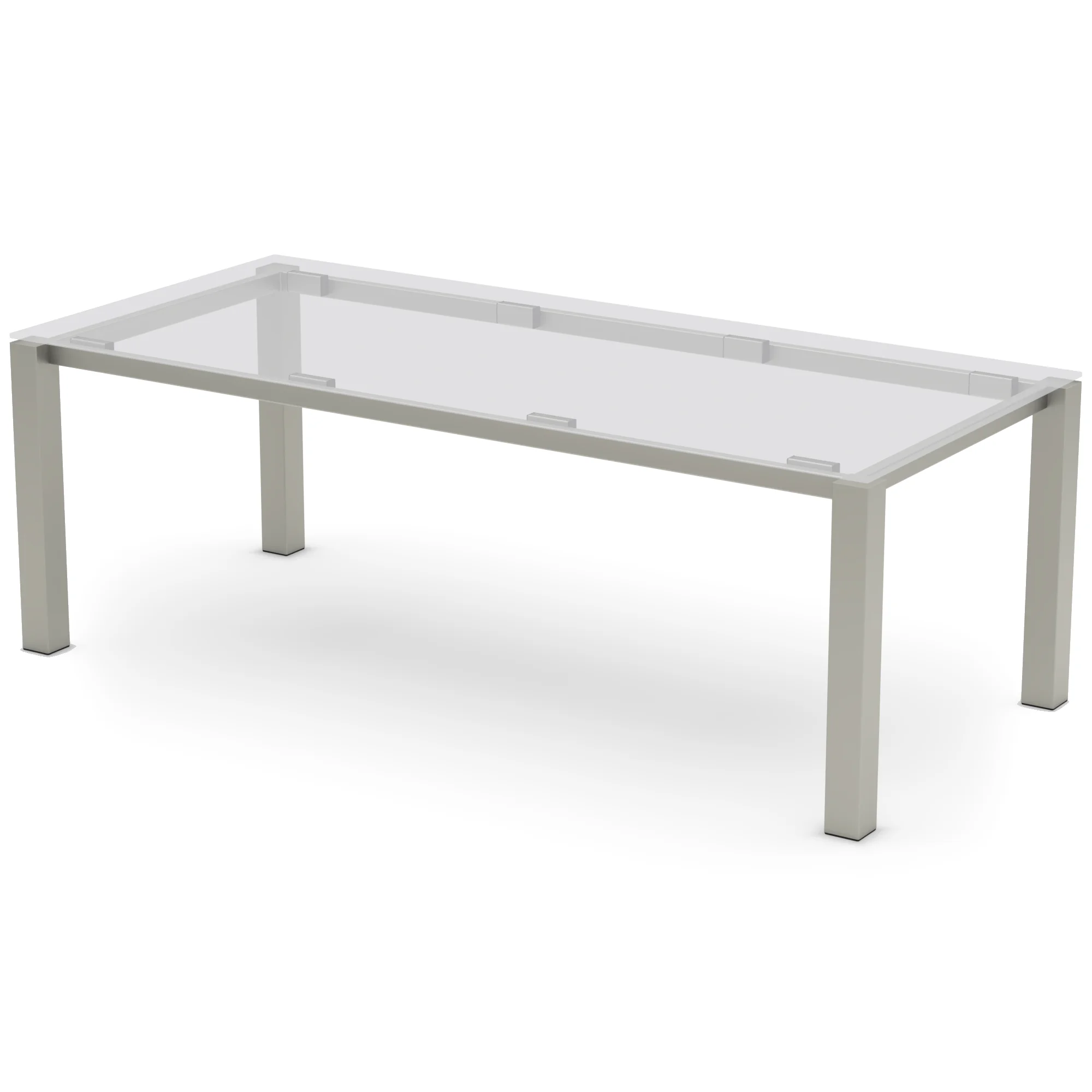
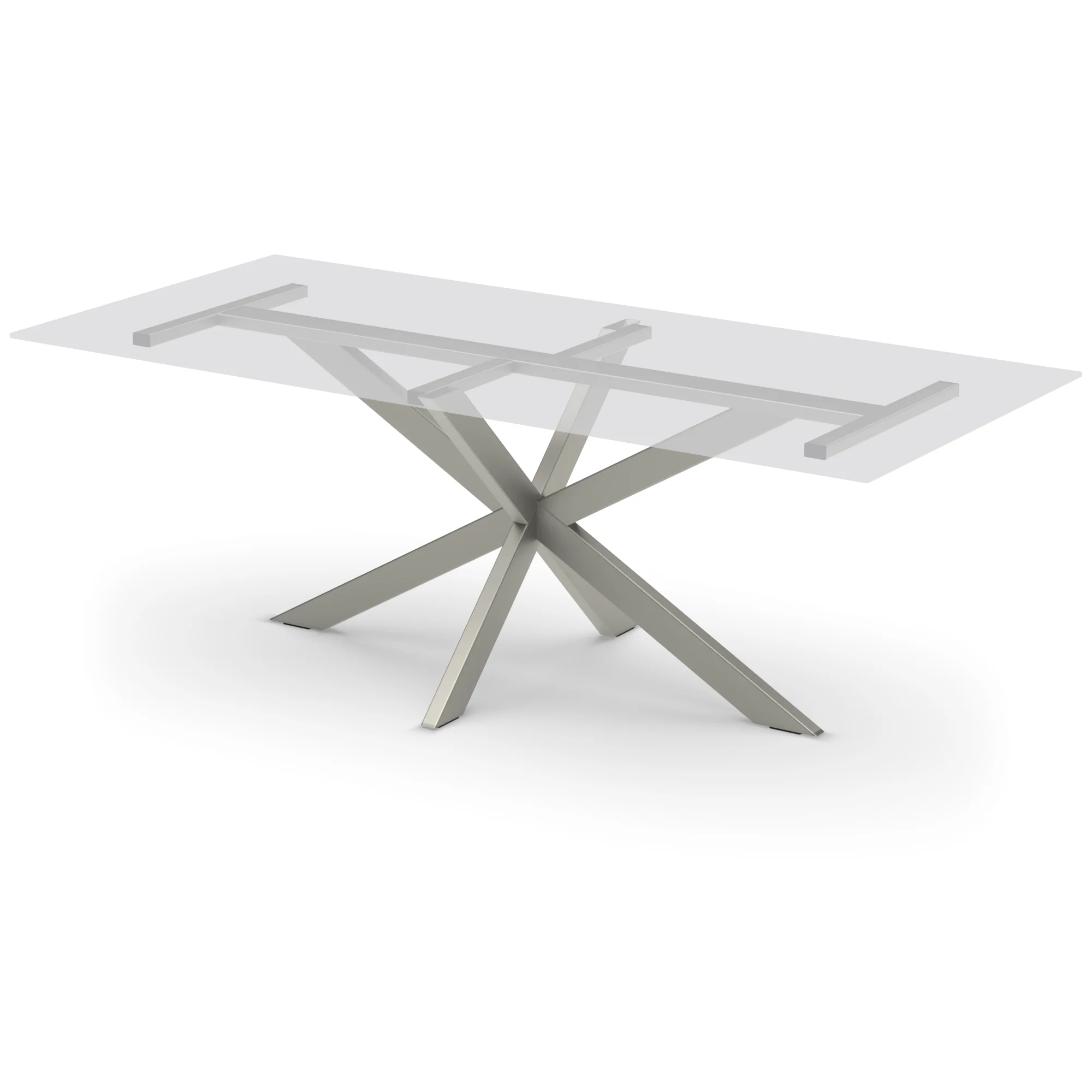
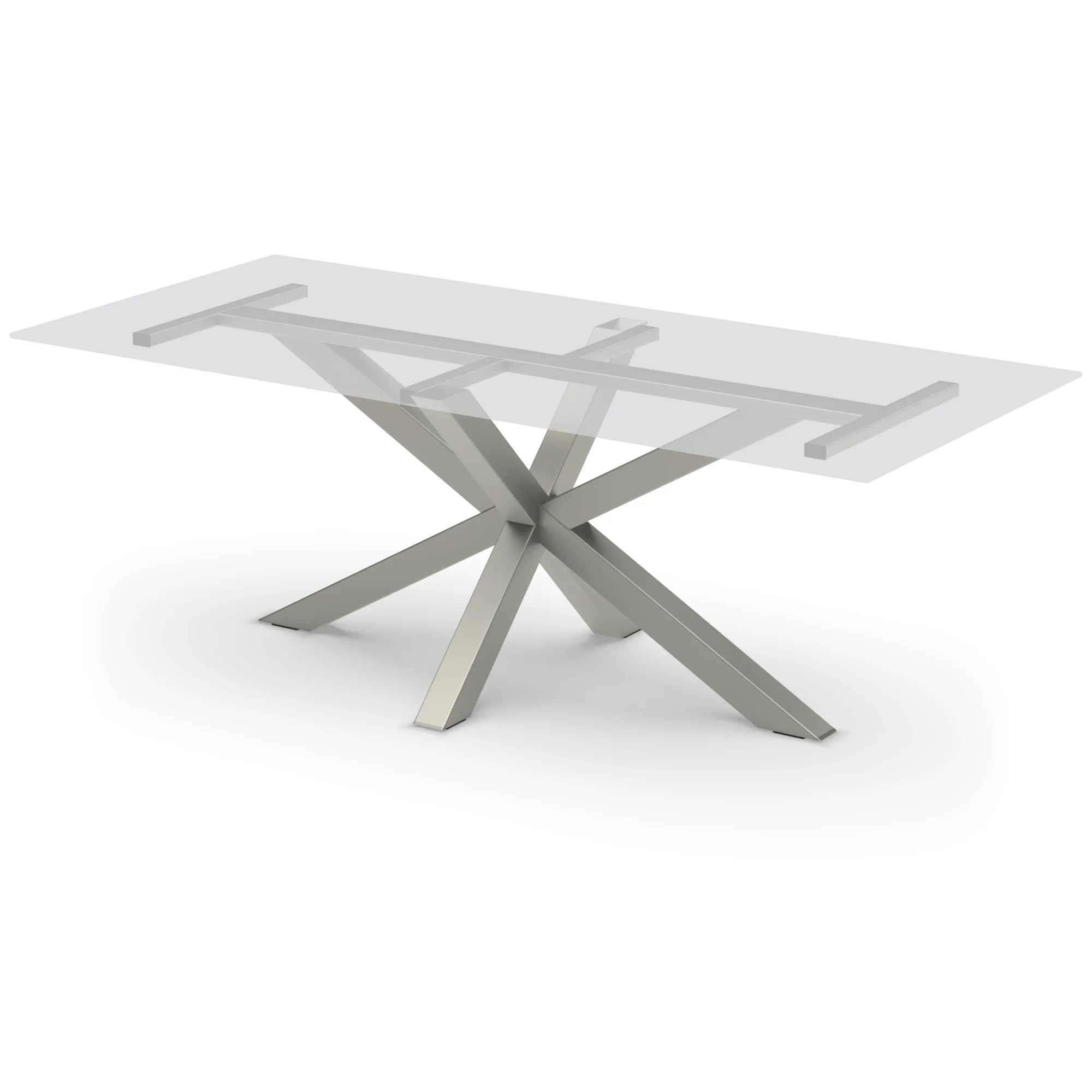
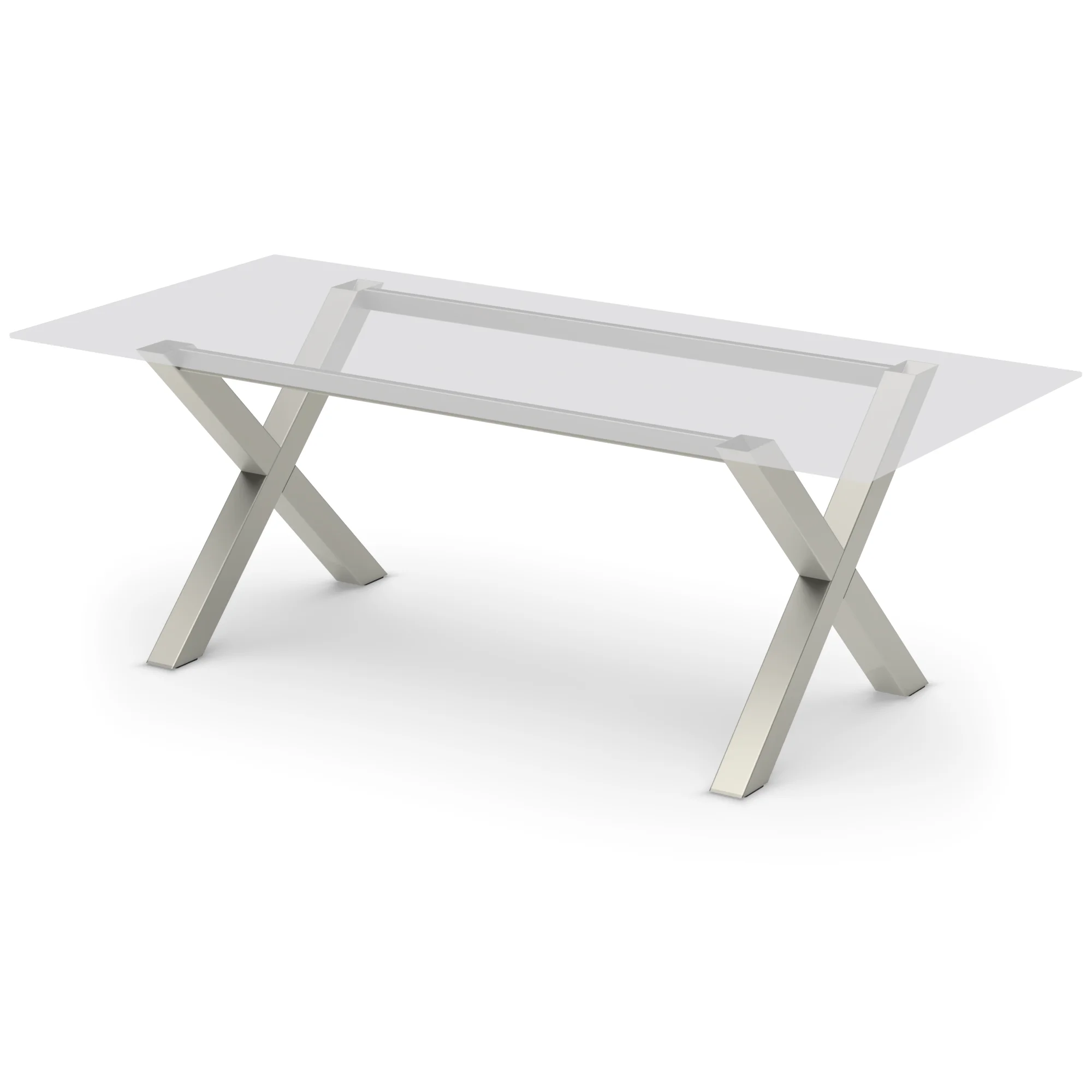
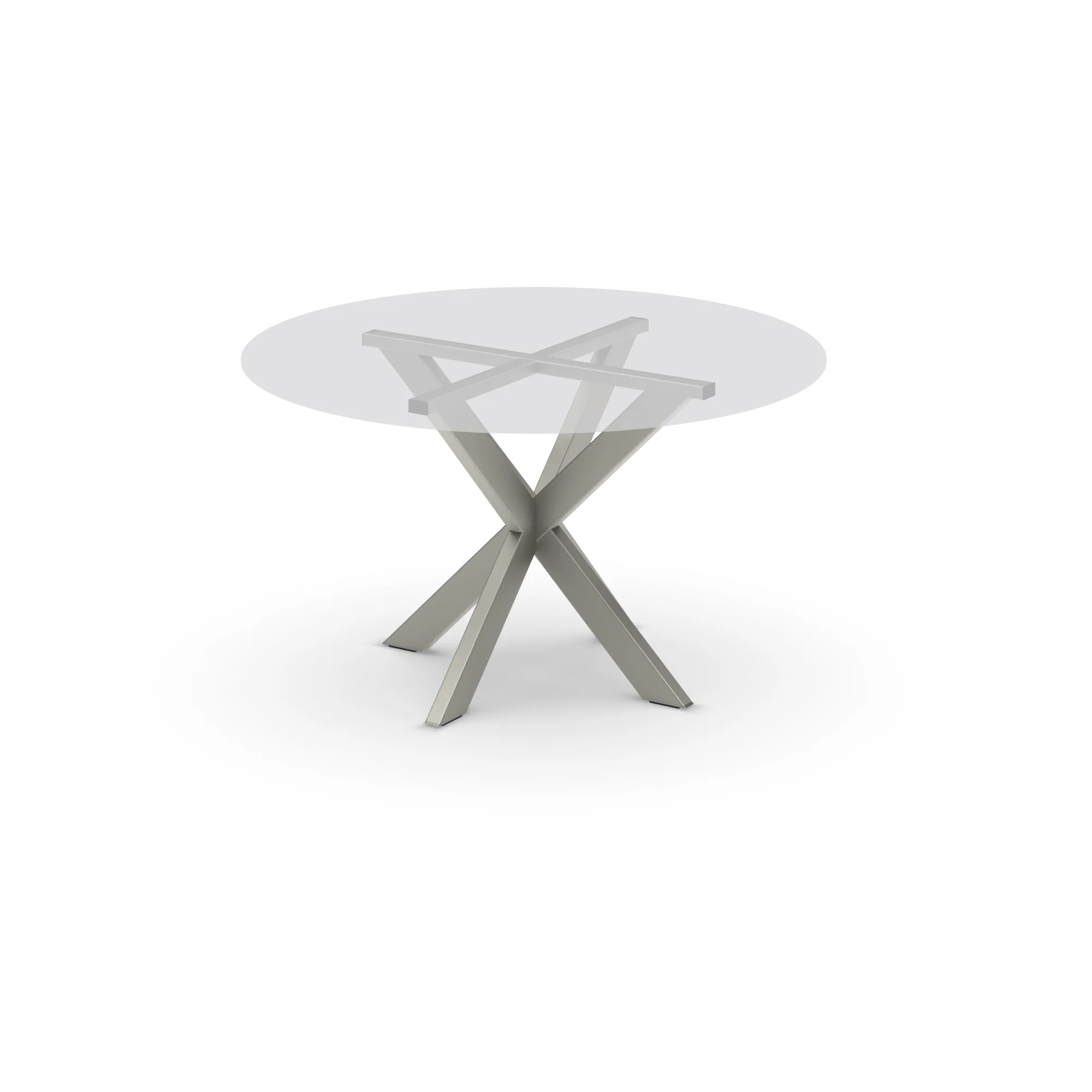
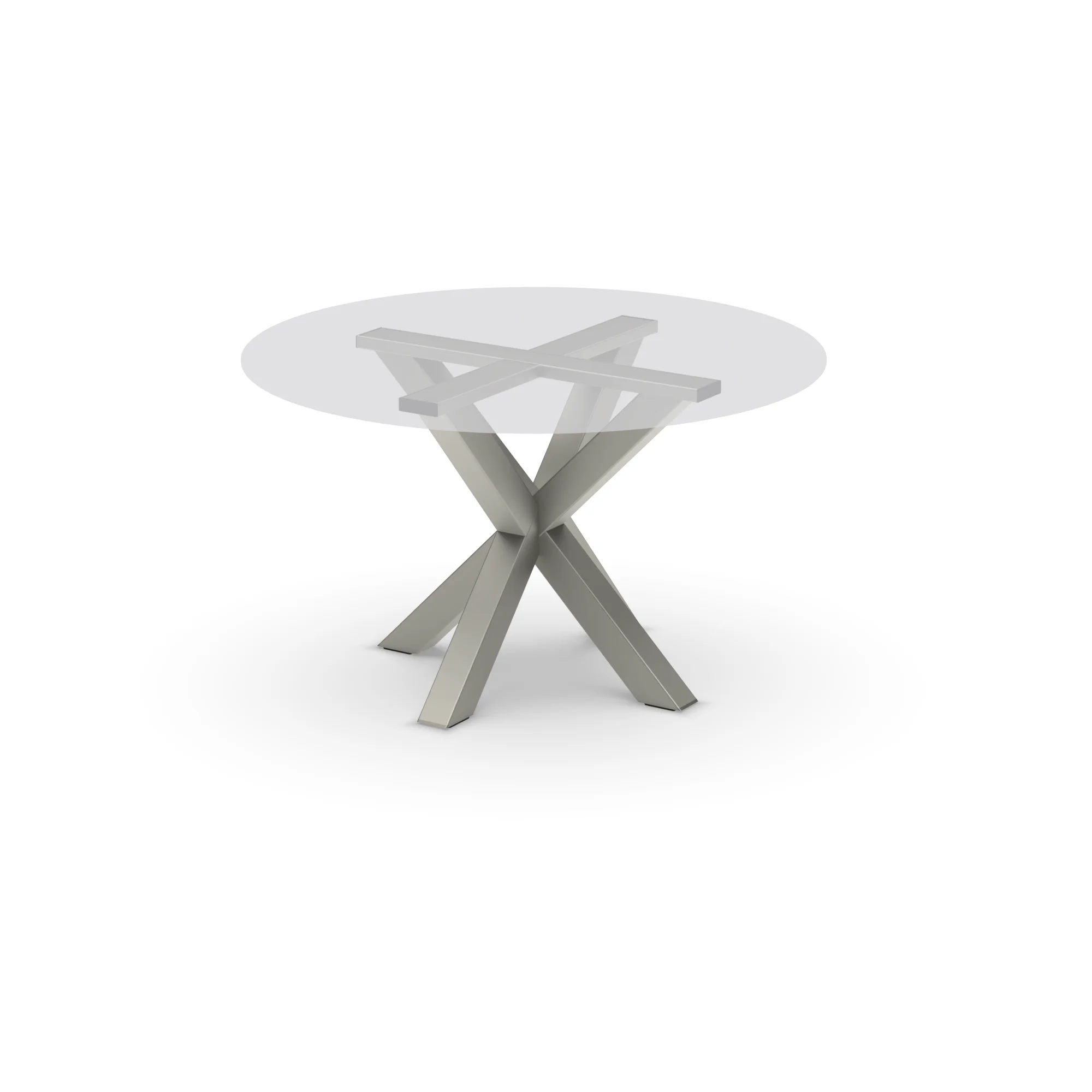
Steel with outdoor primer and stainless steel are equally suitable outdoors; the choice is about looks. A stainless steel garden table has a brushed frame in 304 stainless steel. A steel garden table gets an extra primer layer under the powder coat and comes in 10 standard colours.
Both frames are welded in Maasbree. Powder coating is a layer of paint that a heavy impact could in theory damage; stainless steel shows fingerprints, but they wipe off easily.
Caring for a ceramic garden table
After a meal, wipe the top with a damp cloth. Because the top is non-porous, it never needs oiling or sealing.
Design and order
In the 3D configurator you choose shape, colour, thickness and frame, and see the price straight away. Every table is made to the millimetre in our workshop in Maasbree, the Netherlands.
Delivery within 4 weeks, or at a lower rate within 8 weeks. Collection in Maasbree is also possible. You get a 2-year guarantee on construction and finish.
Only need a top for an existing frame? See ceramic table tops. Chairs to match your table are under garden chairs.
Read moreRead less
Last updated: October 6, 2026