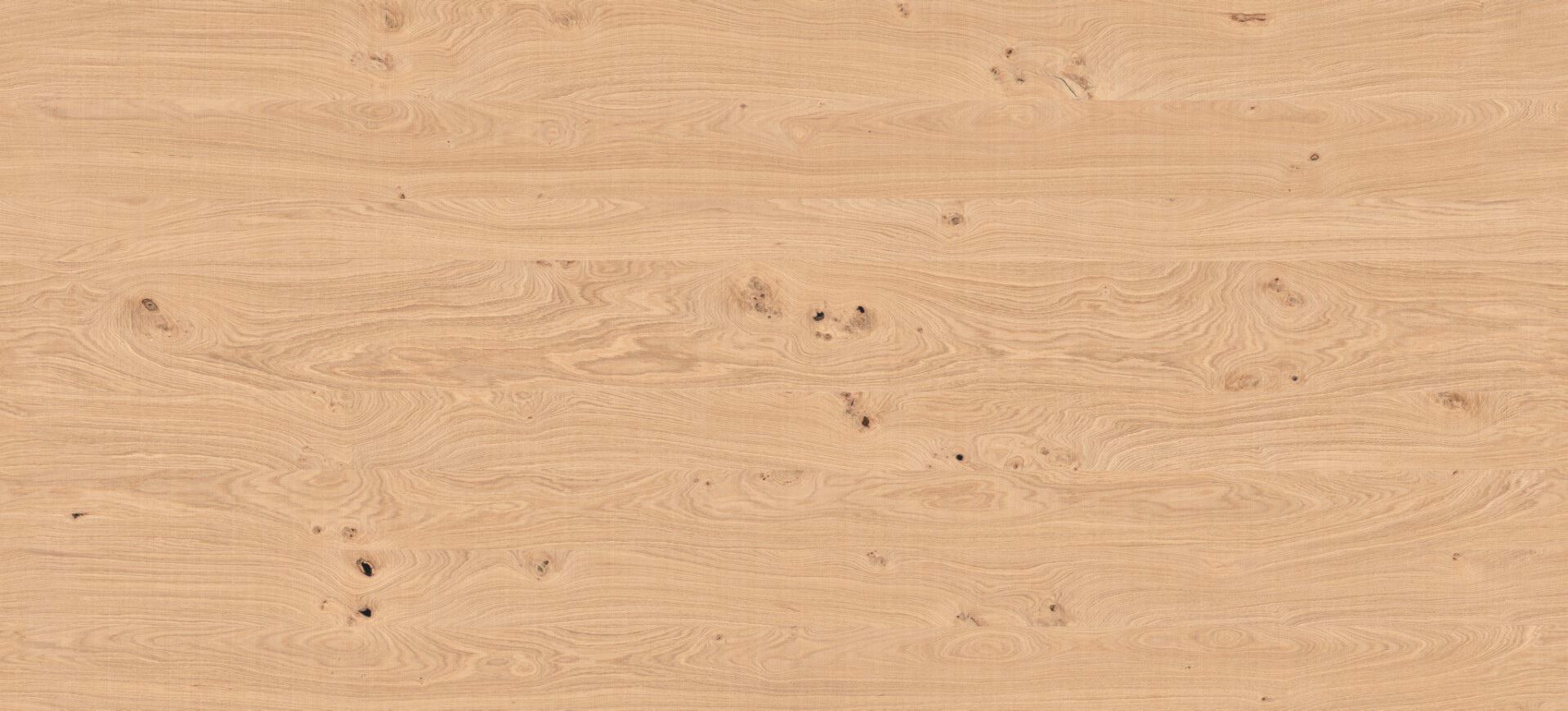
Ceramic table tops




No products match this combination
Adjust or remove a filter to see results again.
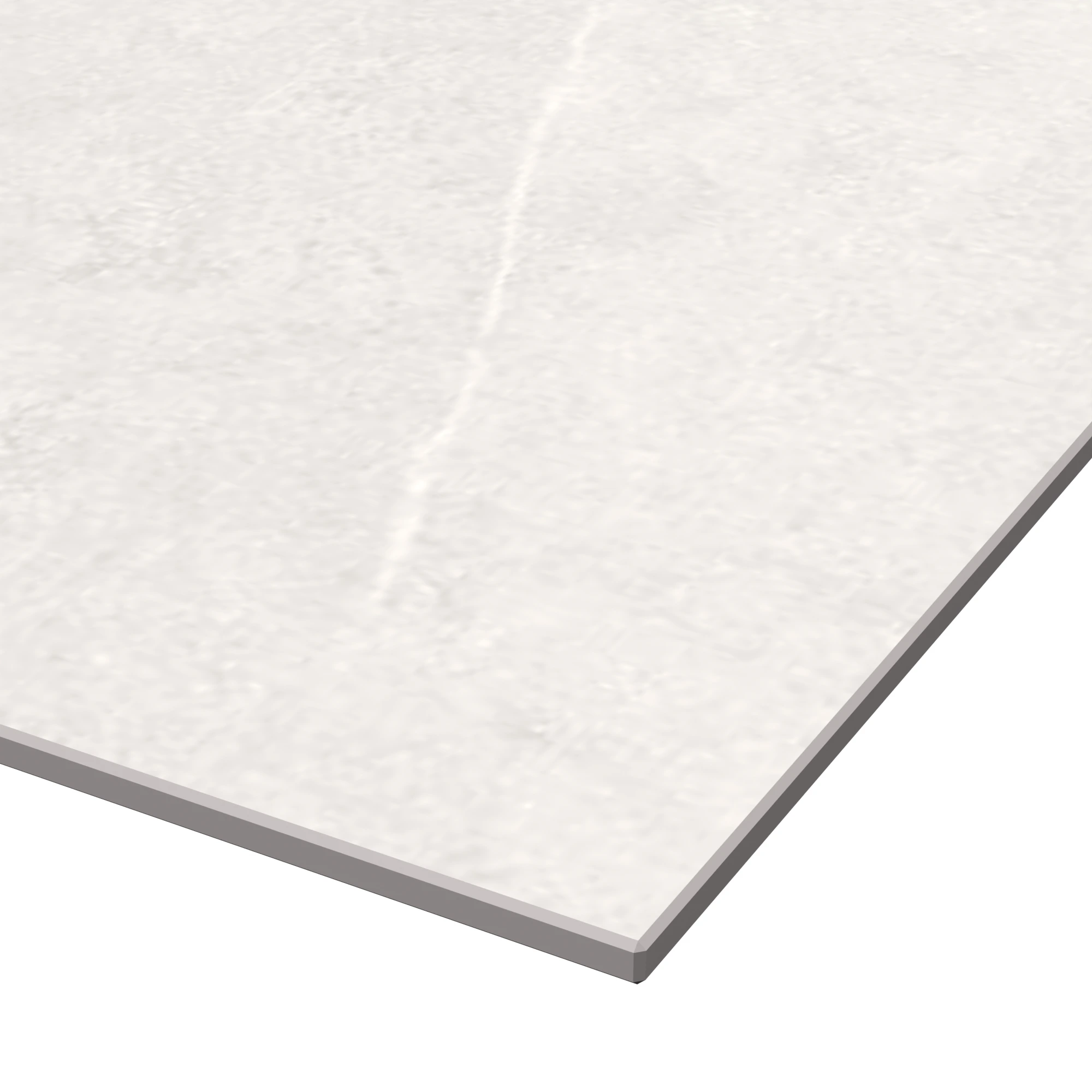
Why a ceramic table top?
Ceramic is sintered at extremely high temperatures. That makes the top hard and non-porous, and resistant to heat, scratches and stains.
- Heat resistant: a pan straight from the hob can go on the top.
- Non-porous: red wine, coffee and oil do not soak in, so no oil or sealant is needed.
- UV resistant: ceramic does not fade in sunlight.
- Frost resistant (EN ISO 10545-12): it absorbs less than 0.1 % water.
The top is 12 mm or 20 mm thick. Choose 12 mm for a slim top, 20 mm if the top may look more substantial.
The drawbacks of ceramic
Ceramic is heavy. Keep that in mind when placing the top and when it goes on an existing base.
The edge is sensitive to hard point impacts. A knock from a pan or the back of a chair on the edge can chip it, while the flat surface takes a lot.
Colours: from marble to travertine look
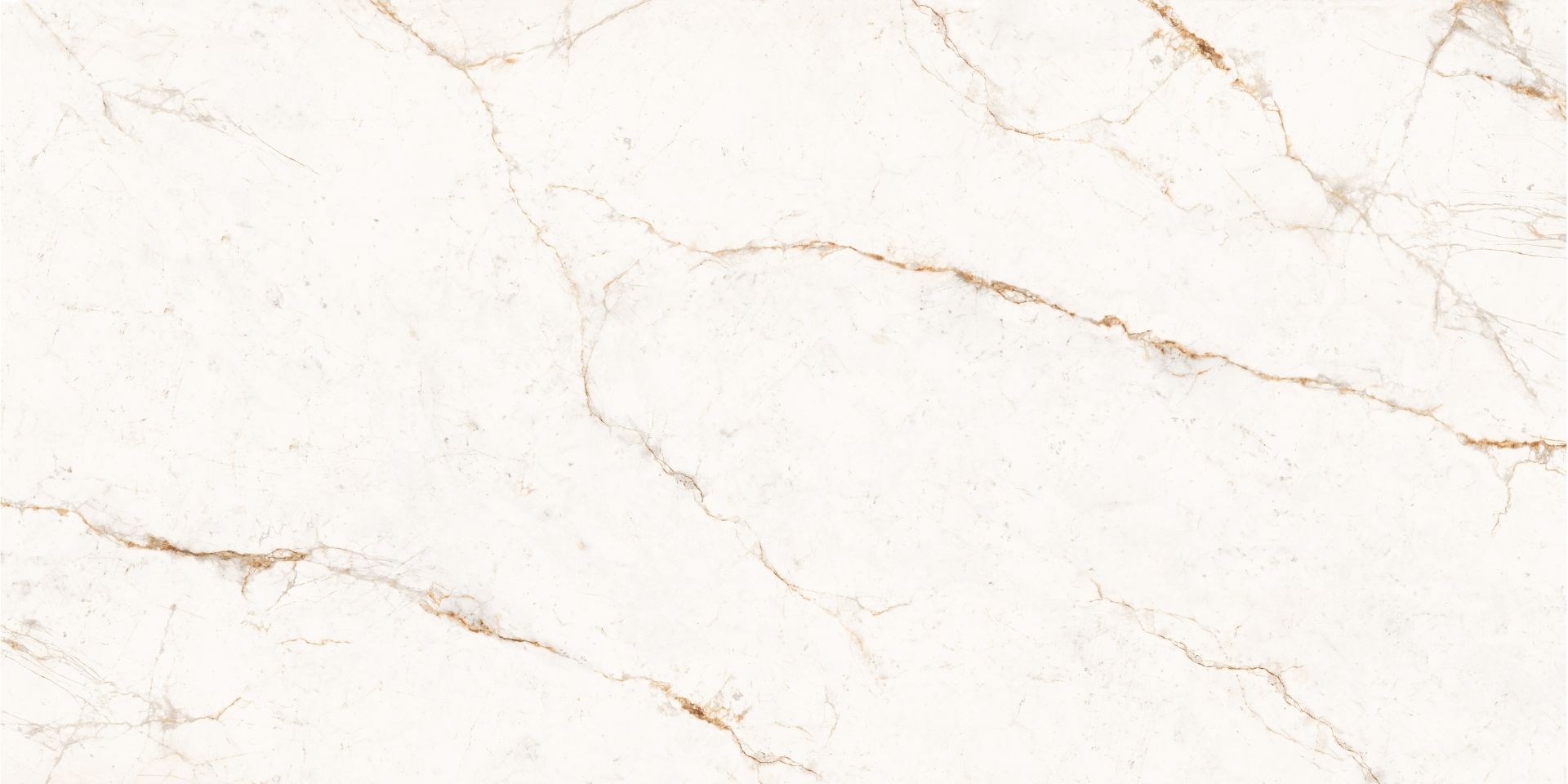
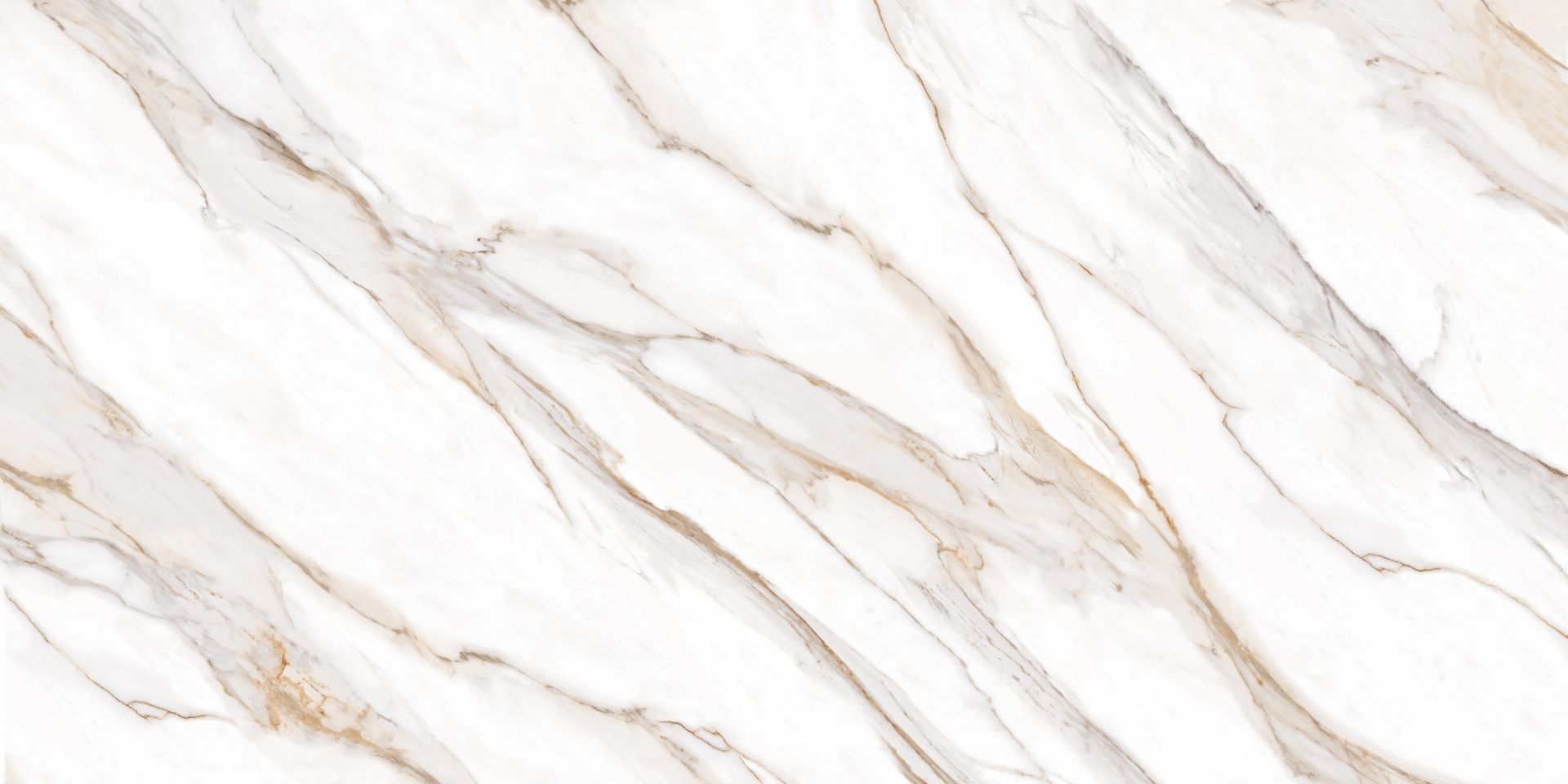
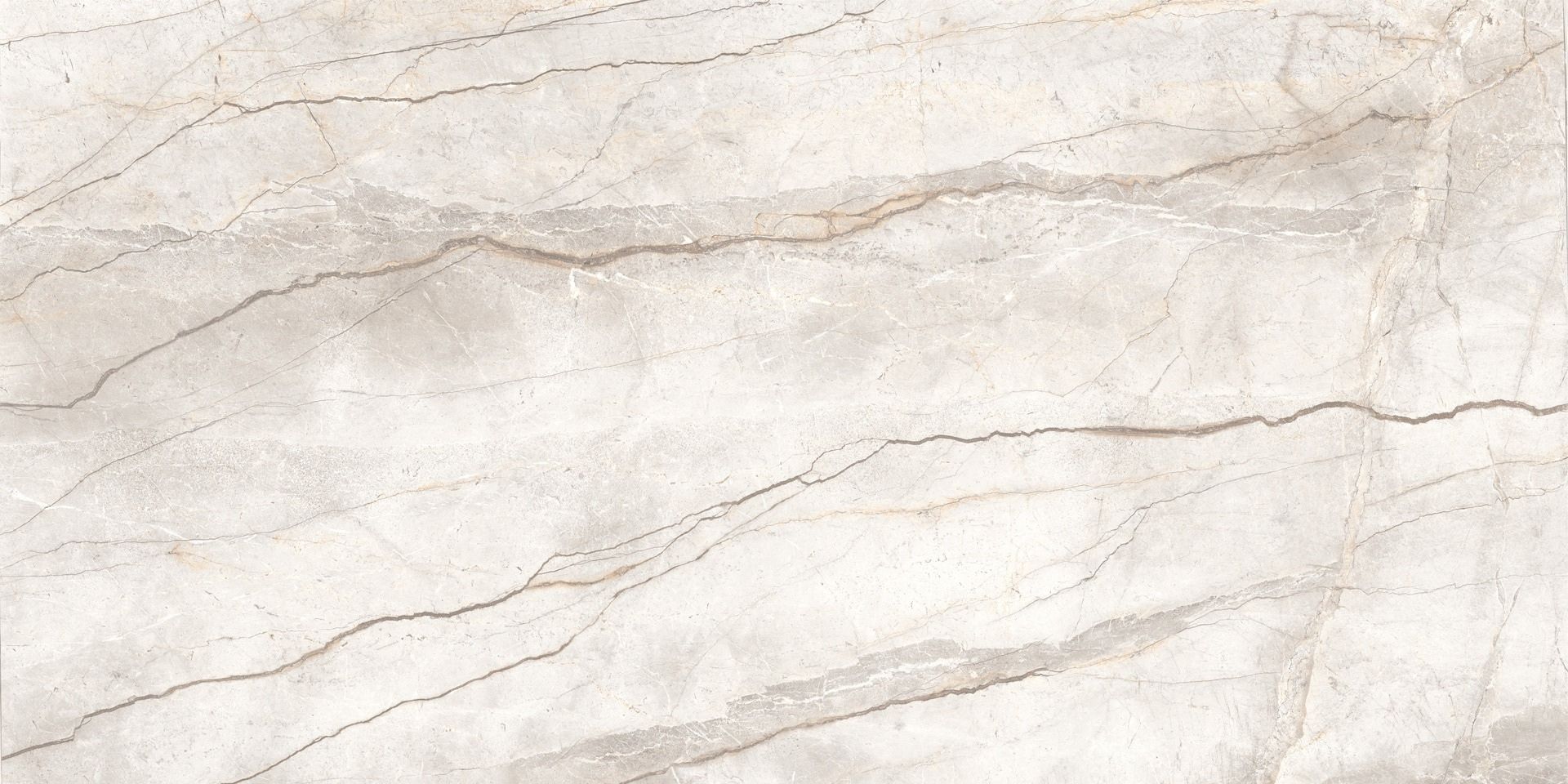
Ceramic comes in 29 colours. Some have the veining of marble, such as Taj Mahal, Calacatta Black and Greek White. Travertino Romano and Travertino Sandy have the look of travertine, and the Galaxy Stone colours run from light to dark grey.
A photo shows the pattern on a small area. Order a sample under colour samples and put it next to your floor and chairs, in daylight and in the evening.
Ceramic table top for outdoors
Ceramic is UV resistant and frost resistant, so it suits indoor and outdoor use. For outdoors the base must be suitable too: stainless steel 304, or steel with an extra primer coat under the powder coating. Both are equally suitable outside; the choice is about looks.
Looking for a complete outdoor table? See the ceramic garden tables.
Ceramic or granite?
Both are hard and stone-like, but the upkeep differs. Ceramic never needs impregnating and a hot pan can go on it. Granite is natural stone with a pattern of its own in every top; it must be impregnated after delivery and every two to three years after that, and it is not heat resistant.
For the least upkeep, choose ceramic. For real natural stone, see the granite table tops. More on the difference in our ceramic and granite comparison.
A ceramic top on your own base
Whether it fits depends on the support area, stability and fixings. Do not go by the outer size of your old top alone: ceramic is heavier than wood.
Send photos of the top of your base, the fixing points and the measurements before you order. Choose a new base under table bases; complete tables are under ceramic dining tables.
How to order
Choose the colour, the shape and the size to the millimetre; the configurator shows the price straight away. The top is made in the workshop in Maasbree, the Netherlands. Tables, table tops and bases: delivery within 4 weeks, or at a lower rate within 8 weeks. Collection in Maasbree is also possible.
Read moreRead less
Last updated: October 6, 2026