Table tops




No products match this combination
Adjust or remove a filter to see results again.
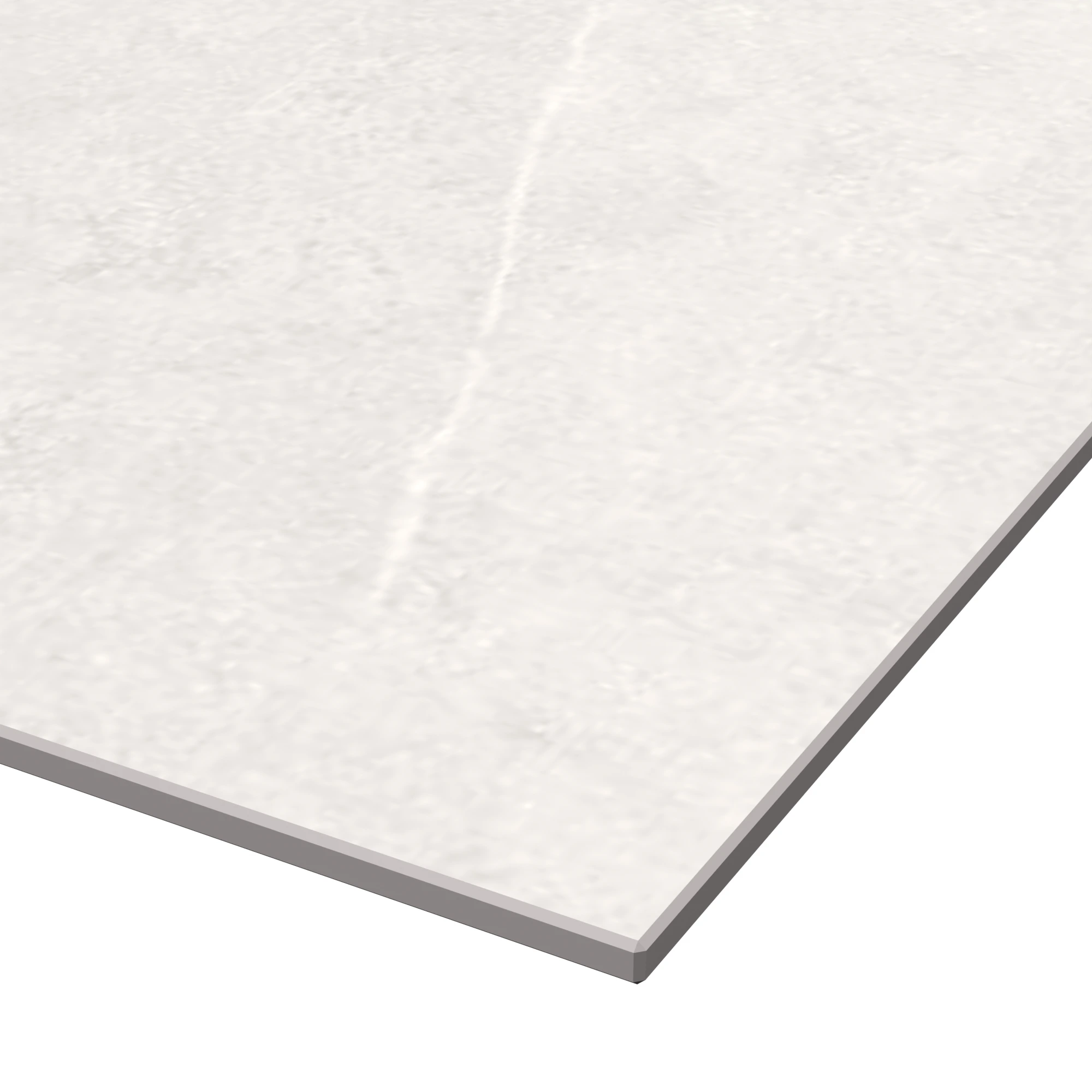
Which table top suits you?
The material decides how you use and look after the table. Choose on use first, then on colour.
Eating at the table every day with children, or looking for a top for outdoors: choose ceramic. Want warmth and grain indoors: choose oak or walnut. Want natural stone with its own pattern and happy with the upkeep: choose granite.
Ceramic table top
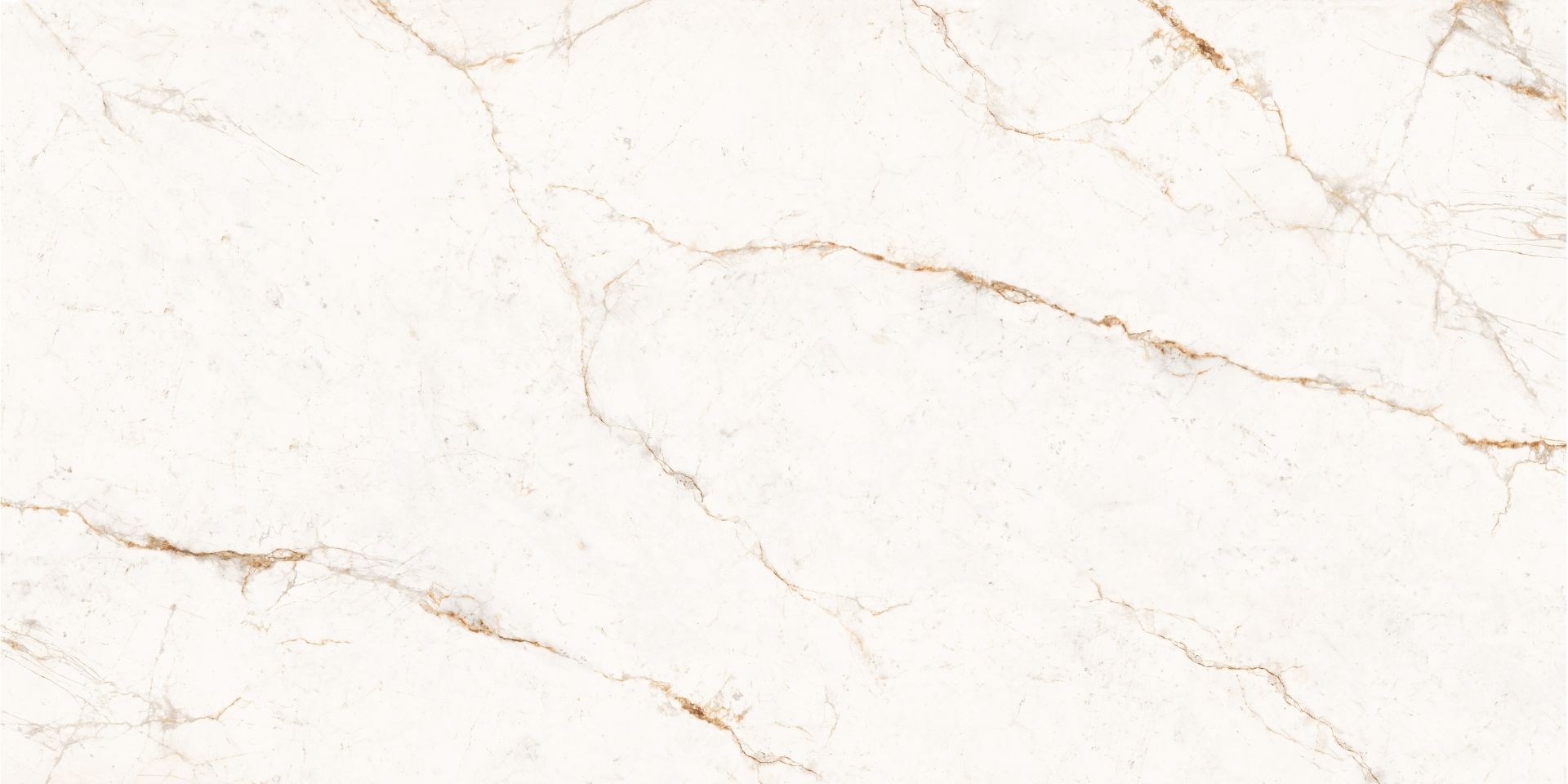
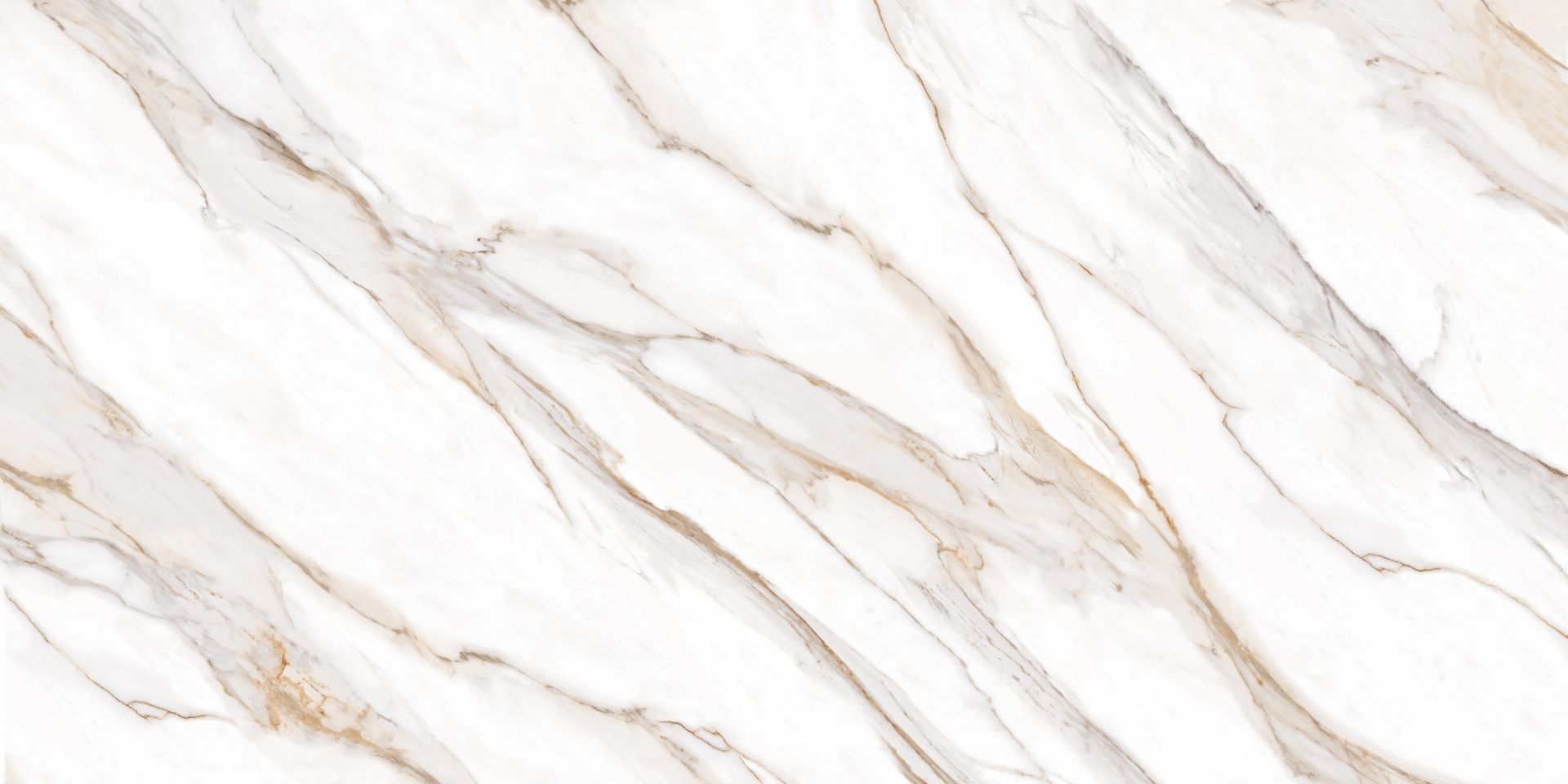
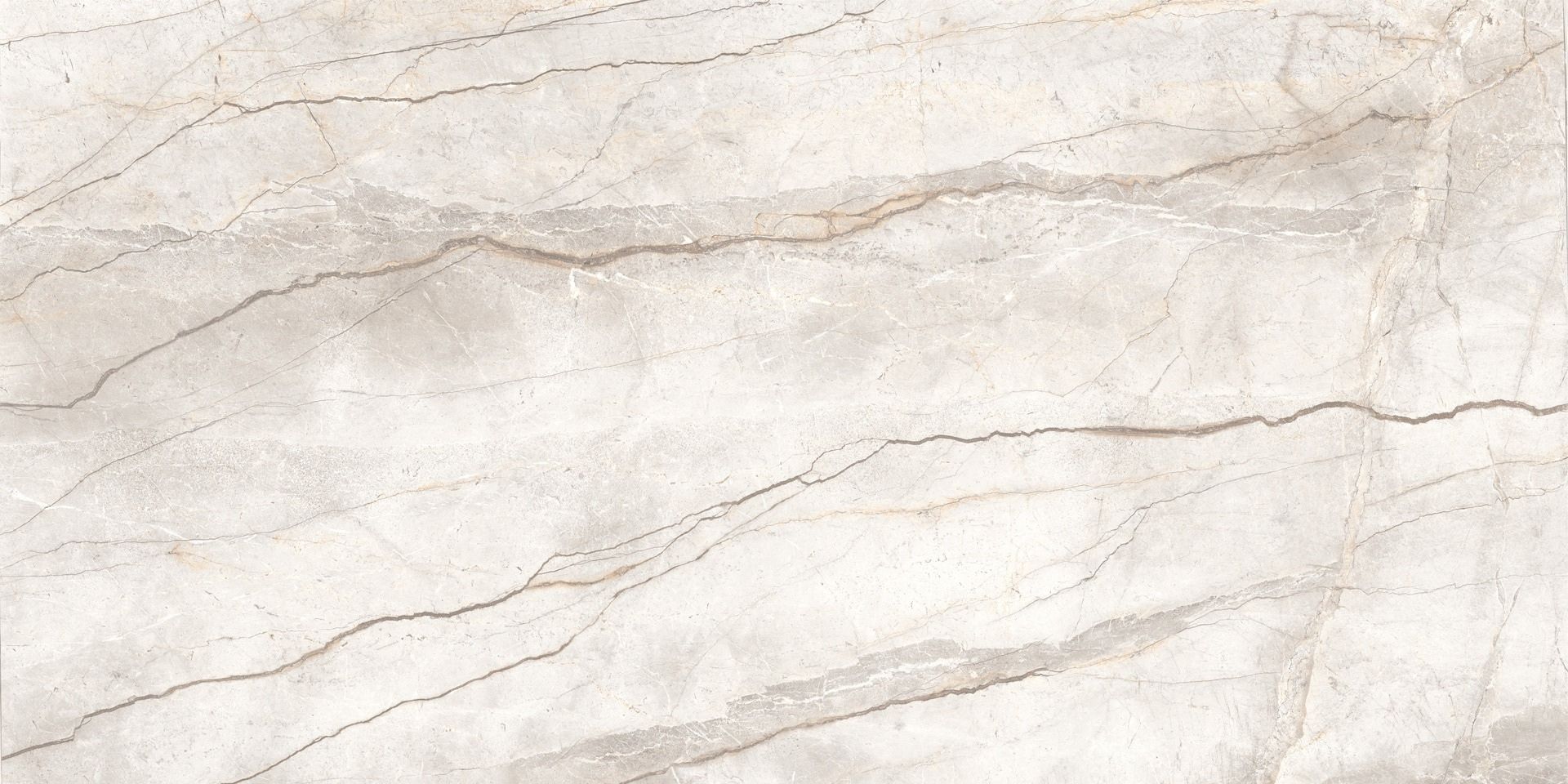
Ceramic is sintered at extremely high temperatures. The top is hard, non-porous and resistant to heat, scratches and stains, and sunlight does not fade it. The drawback: ceramic is heavy and sensitive to a hard knock on the edge.
Ceramic comes in 29 colours, 12 or 20 mm thick. All colours are listed under ceramic table tops.
Oak table top
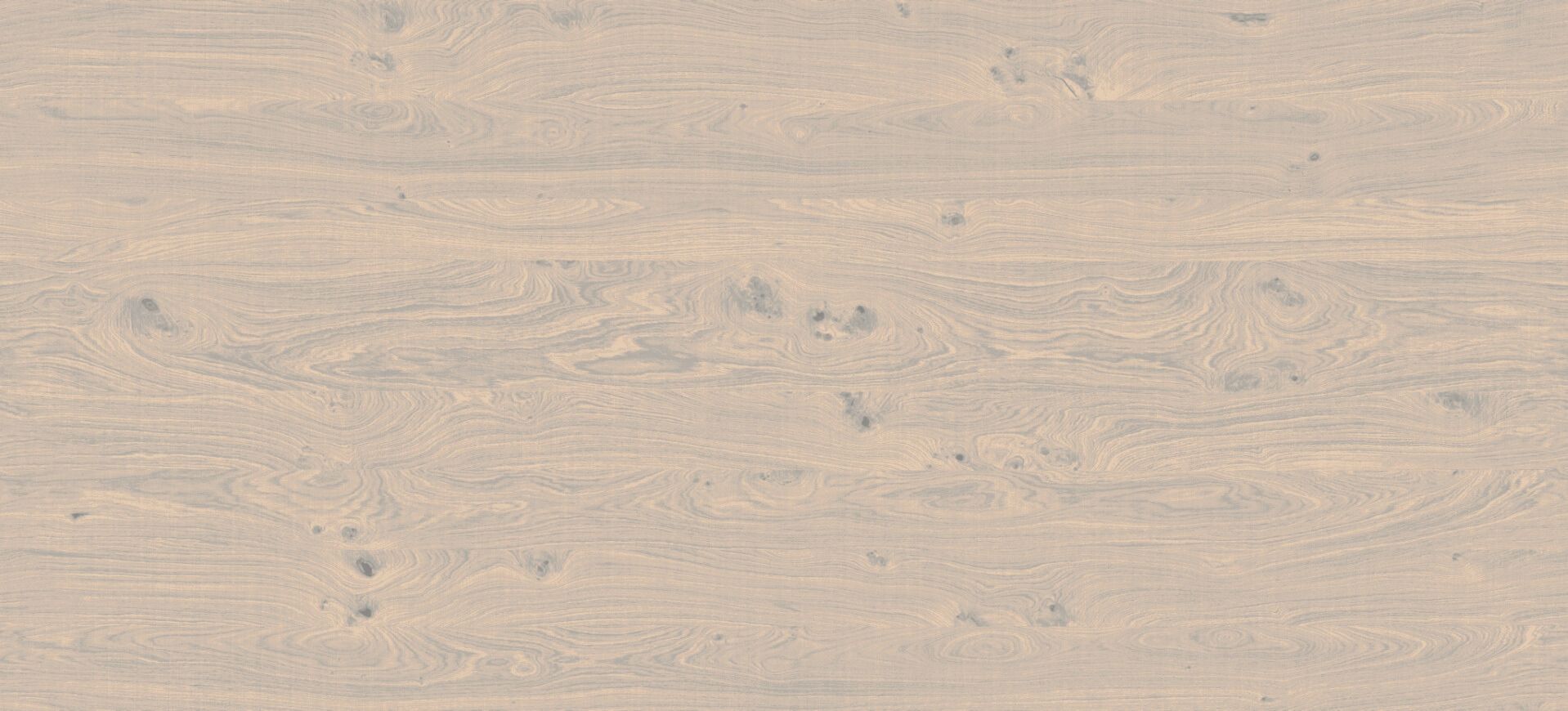
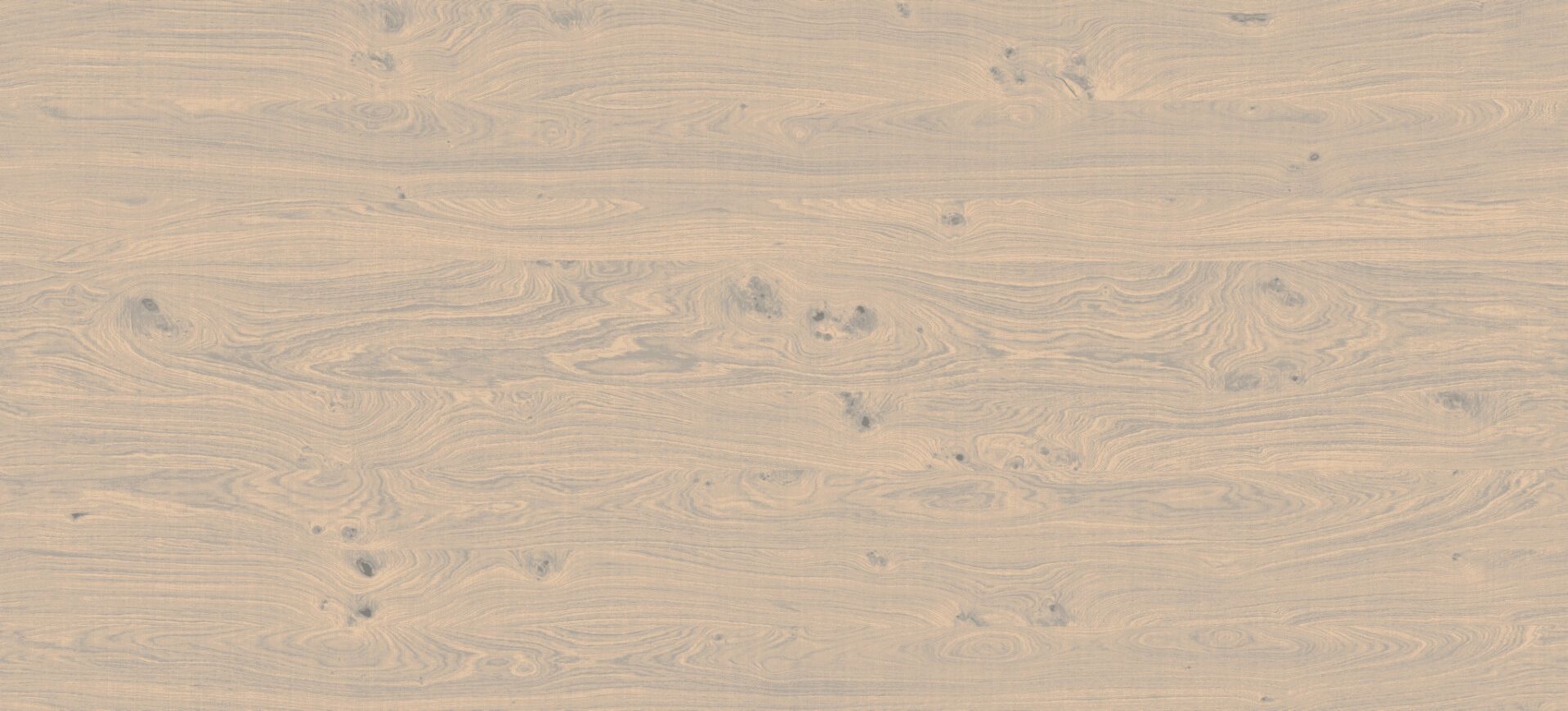
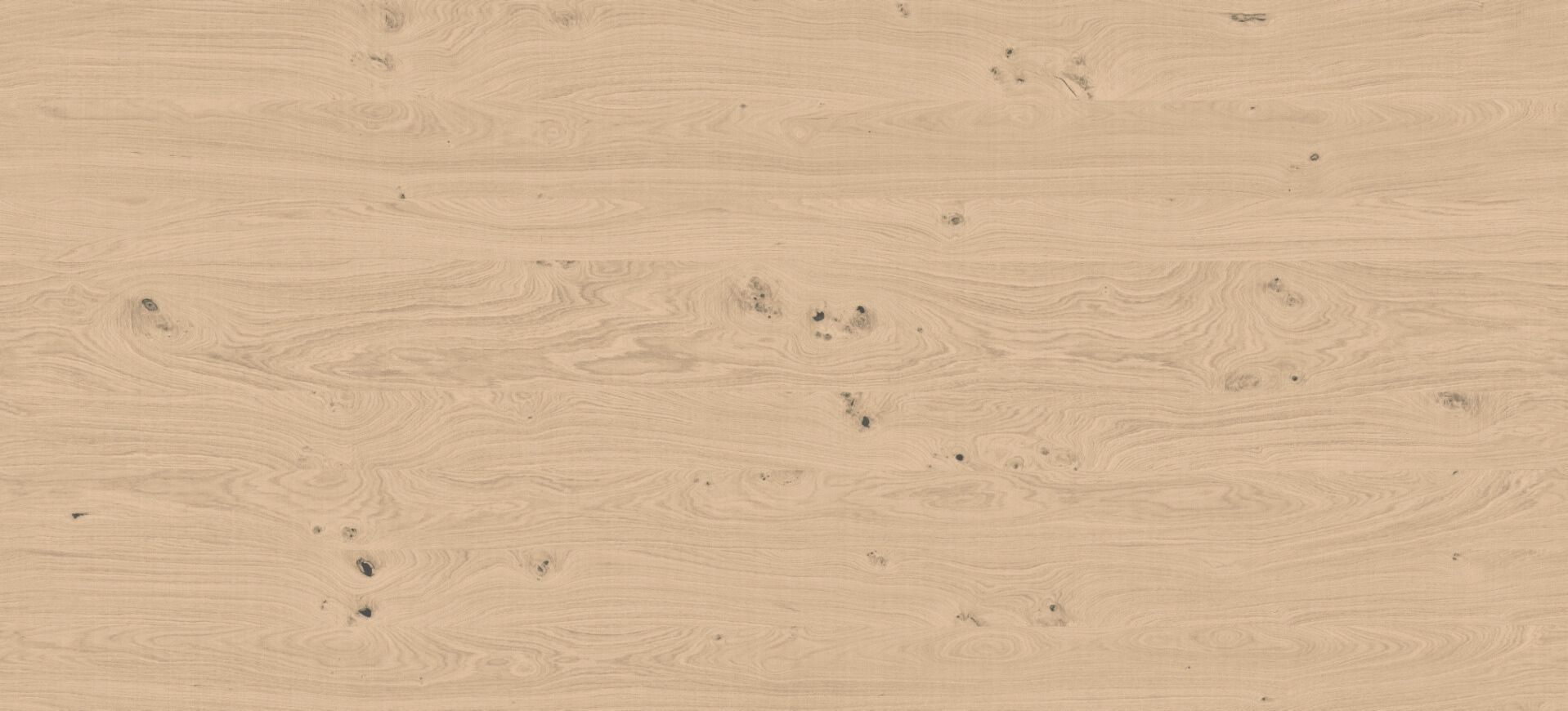
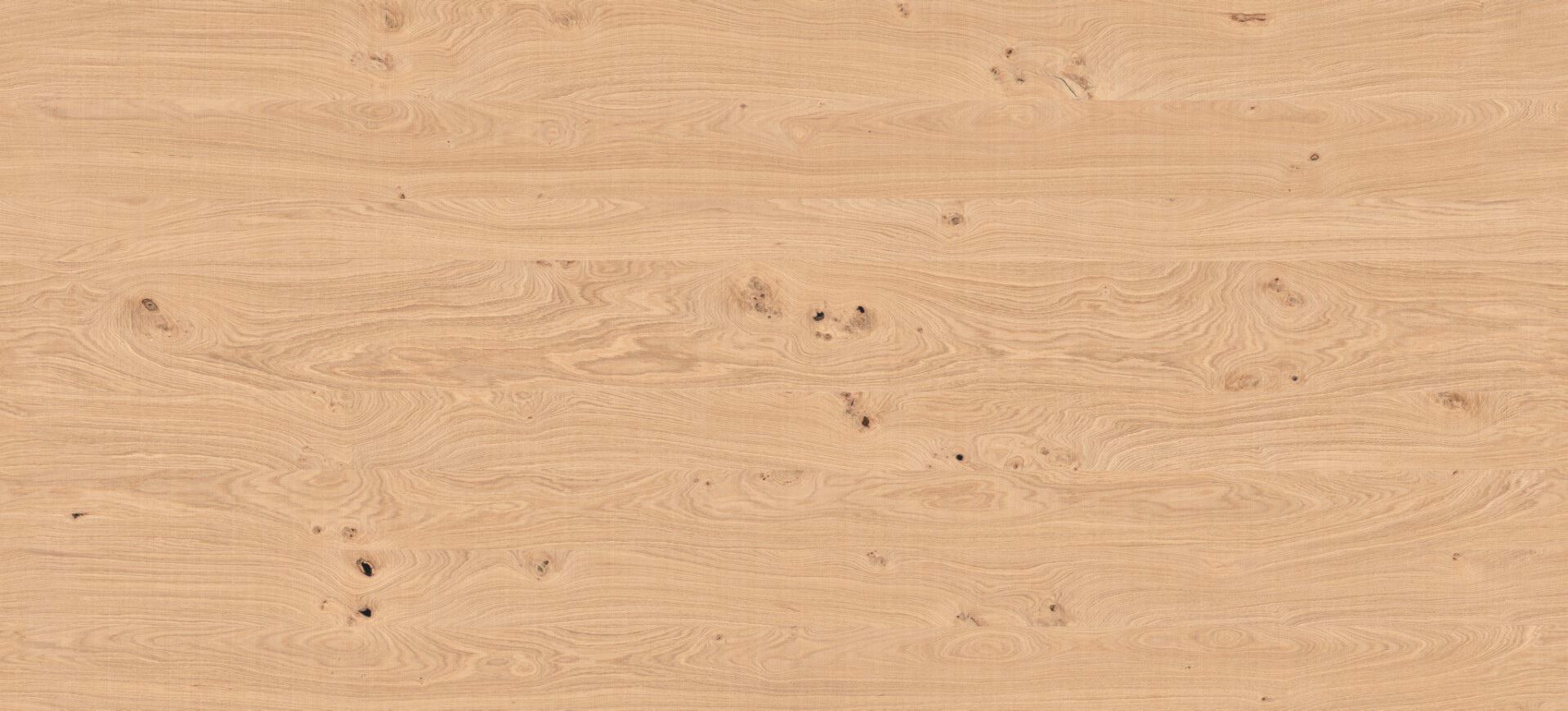
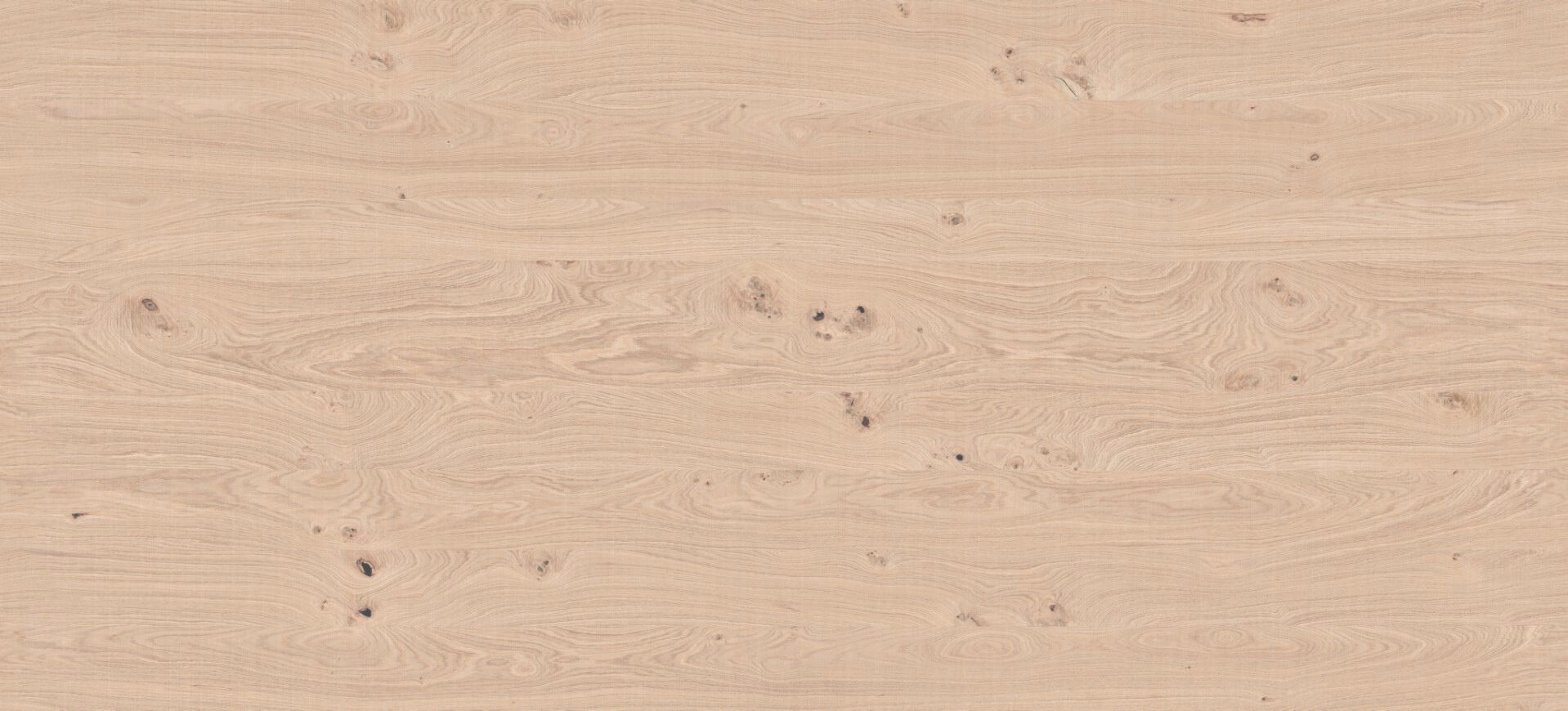
European oak has honey to golden brown tones and a pronounced open grain; no two tops are the same. The top is 40 mm thick and up to 3000 × 1200 mm. It is stained in the colour you choose and finished with two coats of clear matt lacquer, or you choose untreated and finish it yourself.
Oak is not suitable for outdoor use. Stain colours and knot filling are explained under oak table tops.
Walnut table top
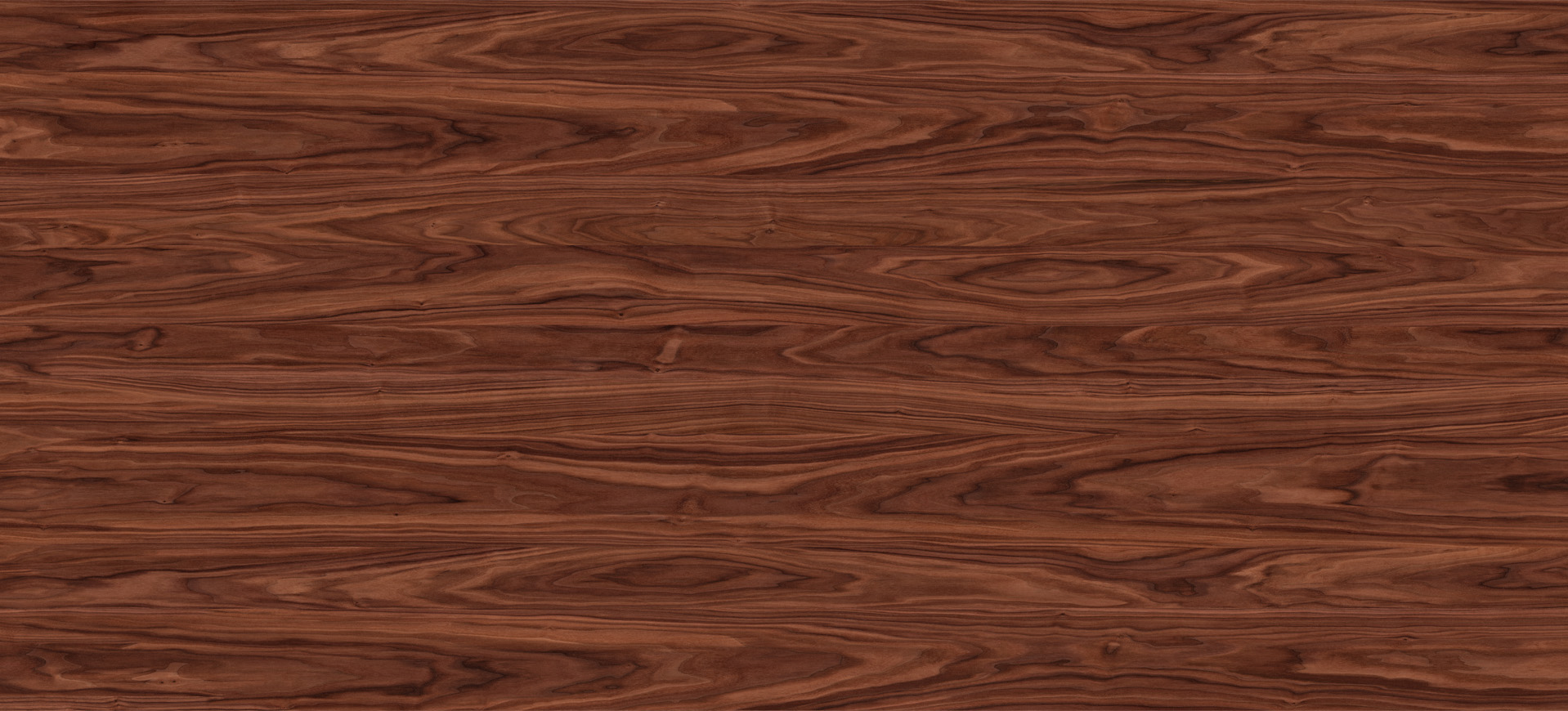
Walnut is a deep chocolate brown with purple undertones. The top is 40 mm thick and up to 2600 × 1200 mm, and knots are always filled in black. Long exposure to direct sunlight can lighten walnut slightly; UV blockers in the lacquer limit this.
Walnut is not suitable for outdoor use either. More about this wood under walnut table tops.
Granite table top
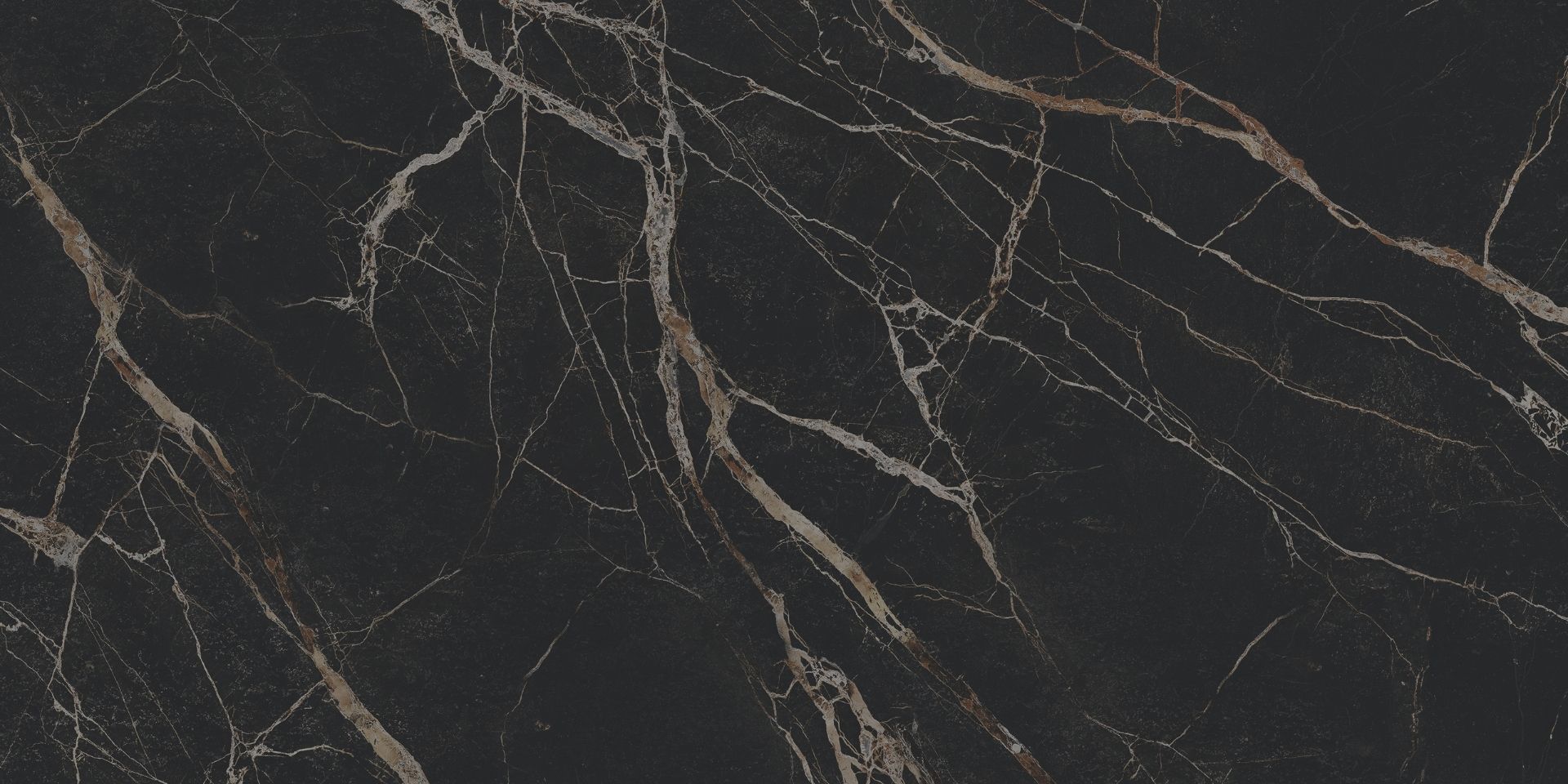
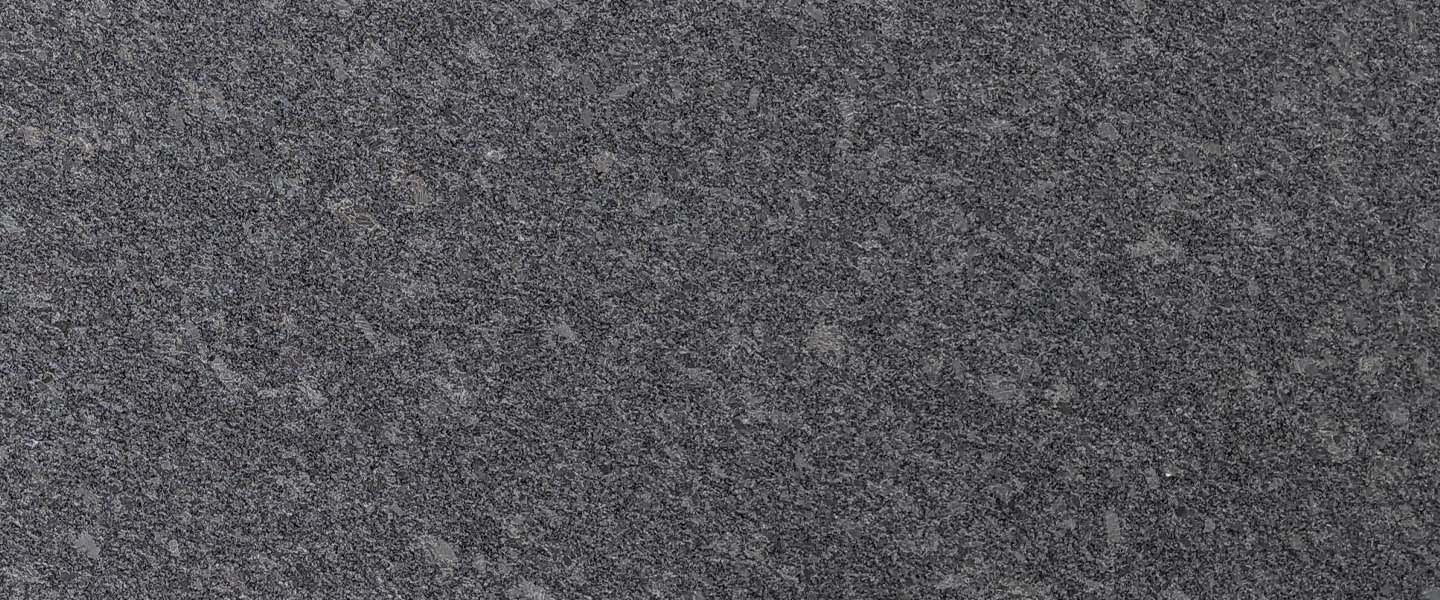
Granite is a volcanic natural stone and one of the hardest materials; every top has its own pattern. The top is 30 mm thick and up to 2400 × 1000 mm, in four types, polished (gloss) or honed (matt).
Expect some upkeep: granite must be impregnated after delivery and again every two to three years. Granite is not heat resistant, as a hot pan can crack it through thermal shock. The types are listed under granite table tops.
Table top for outdoors
Ceramic is frost resistant, absorbs less than 0.1 % water and is UV resistant. That makes it suitable for indoors and outdoors. Oak and walnut are not suitable for outdoor use.
The base must be able to stand outside as well. Stainless steel 304 is naturally corrosion resistant; a steel base for outdoor use gets an extra primer coat under the powder coating. Steel with primer and stainless steel are equally suitable outdoors, so the choice is about looks.
Complete outdoor tables are under garden tables, granite for outdoors under granite garden tables.
Choosing shape and size
The standard table height is 760 mm. Allow 700 to 750 mm of table edge per person and at least 800 mm of free space around the table.
- Six people, three on each long side: a top of 2100 to 2250 mm long.
- Room needed: the top size plus 800 mm on every side where someone sits or walks.
- Round, oval and Danish oval tops give more legroom at the ends than a rectangle; which shapes are possible depends on the material.
You set the size to the millimetre, and the configurator shows the price straight away.
A new top on your existing base
Width alone is not enough. The support area, overhang, stability and fixings must suit the new top. An existing base is not automatically suitable for every material or size, especially not for a heavy ceramic top.
Send photos of the top of your base, the fixing points and the size you want before you order. No base yet? Choose from table legs and bases welded in Maasbree to the size of your top.
See colour and material for real
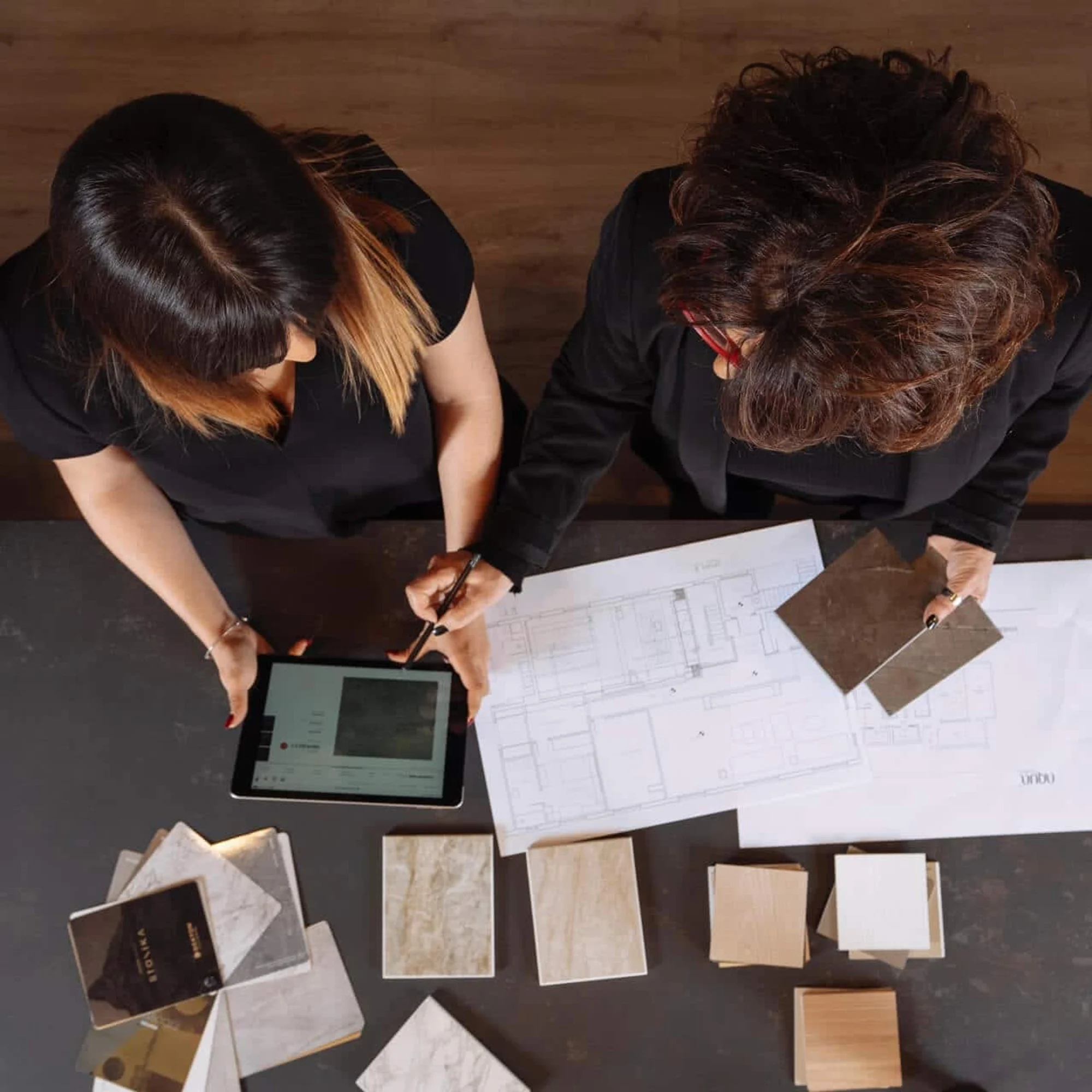
A screen shows colour and texture only up to a point. Put a material sample where the table will stand and look at it in daylight and in the evening. Samples of ceramic, oak and walnut are available under colour samples; they are refunded when returned.
The showroom and workshop are in Maasbree, the Netherlands, and open on Saturdays too.
Read moreRead less
Last updated: October 6, 2026