Garden tables
Filters0
Filters
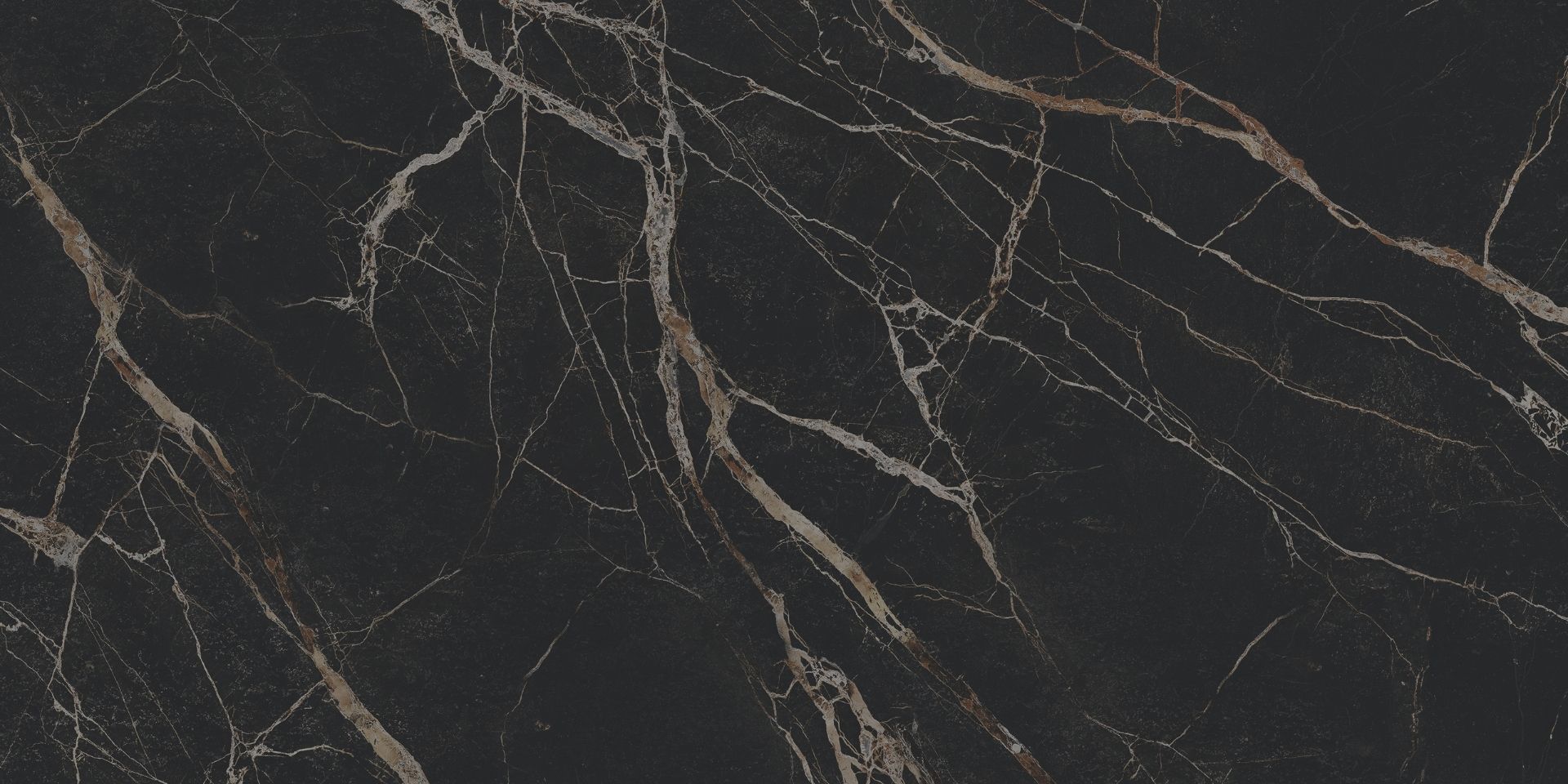
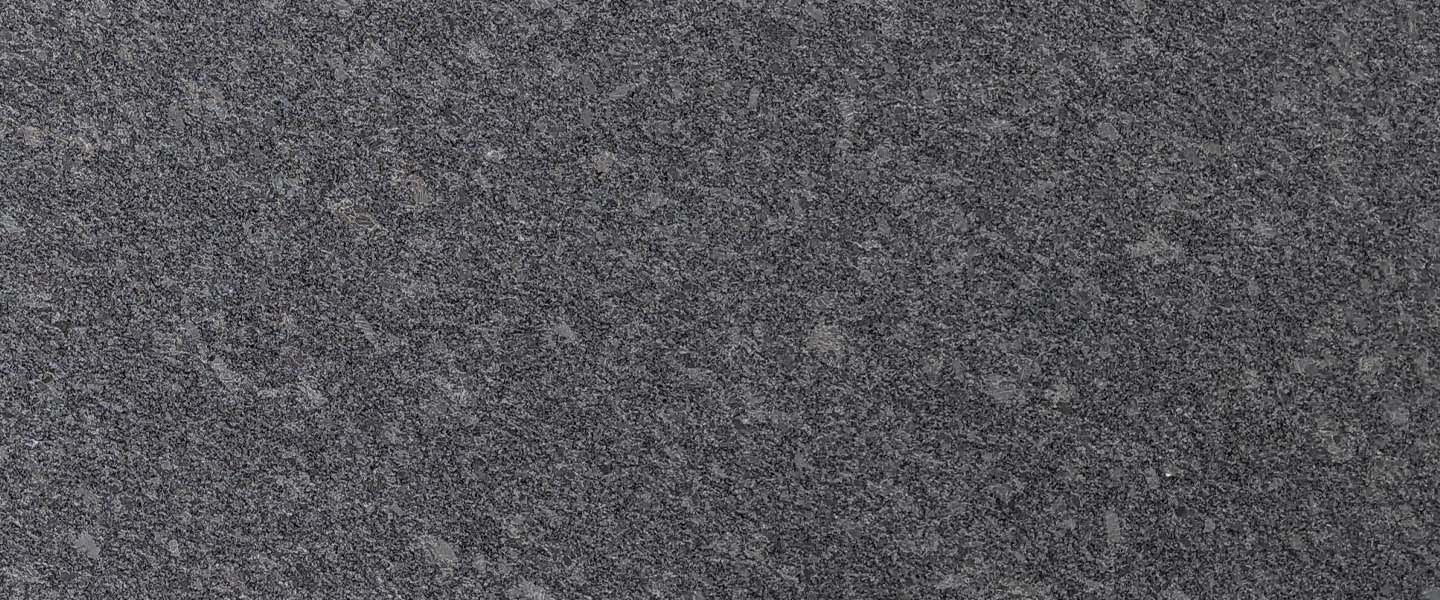
Table top shape





Base material
Steel base
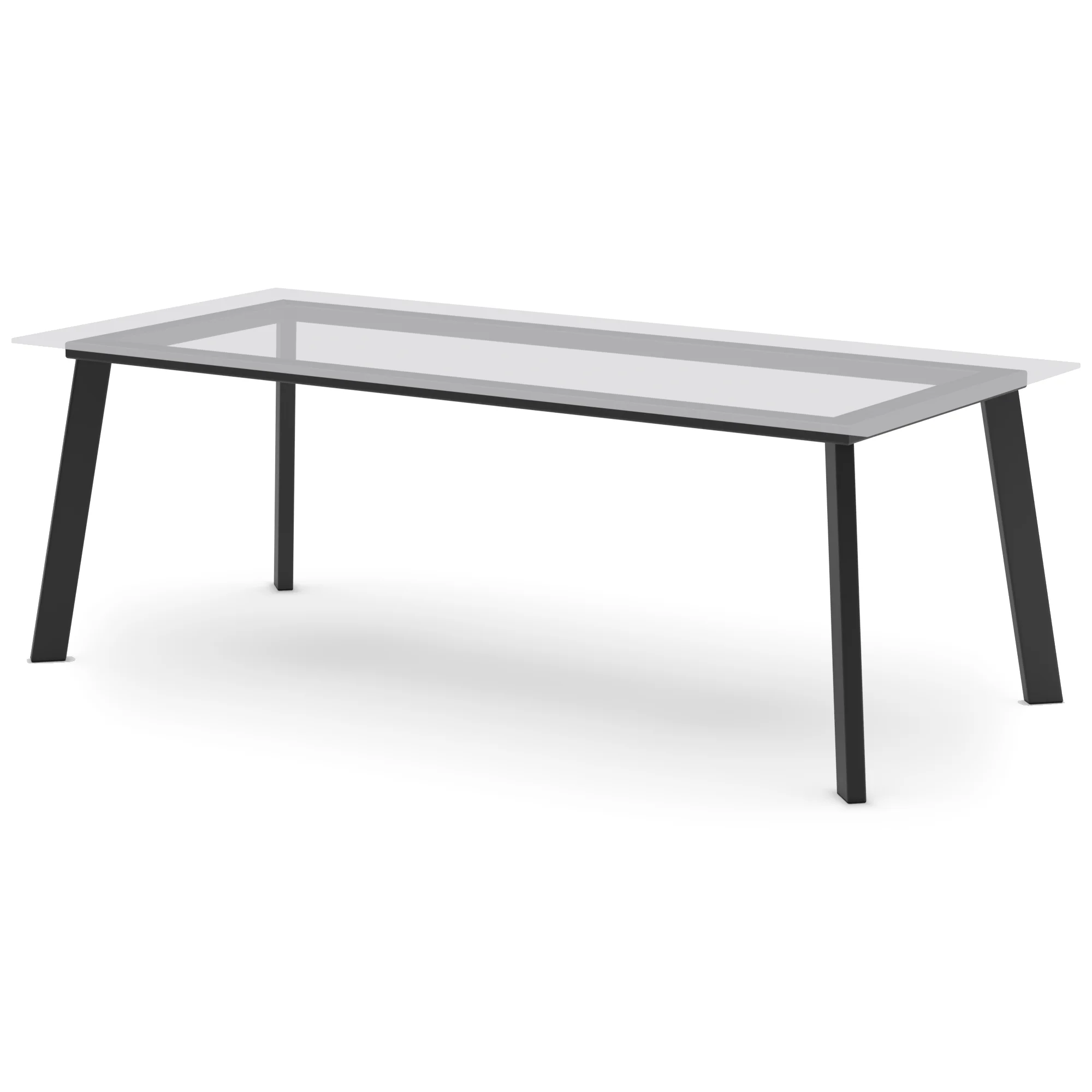
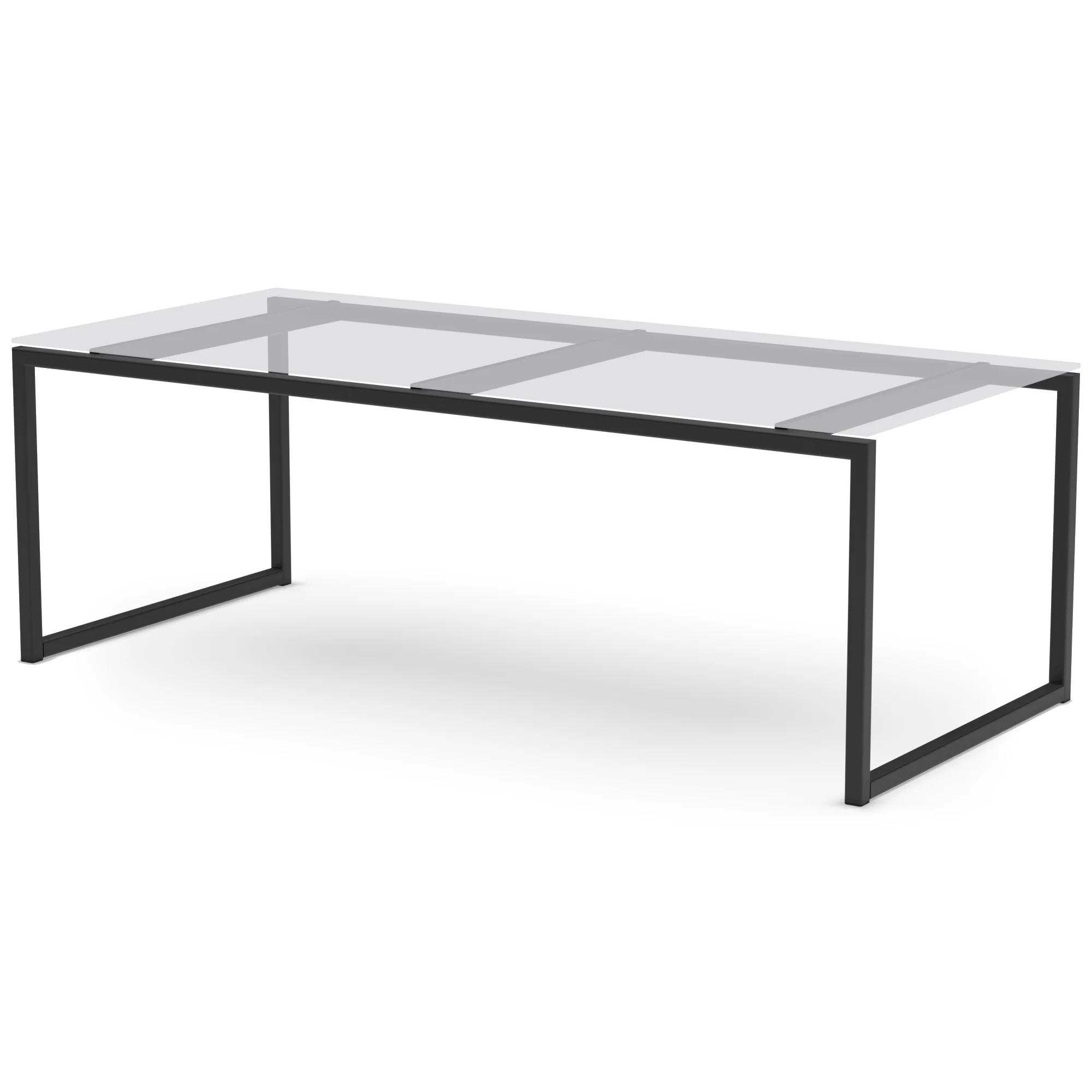
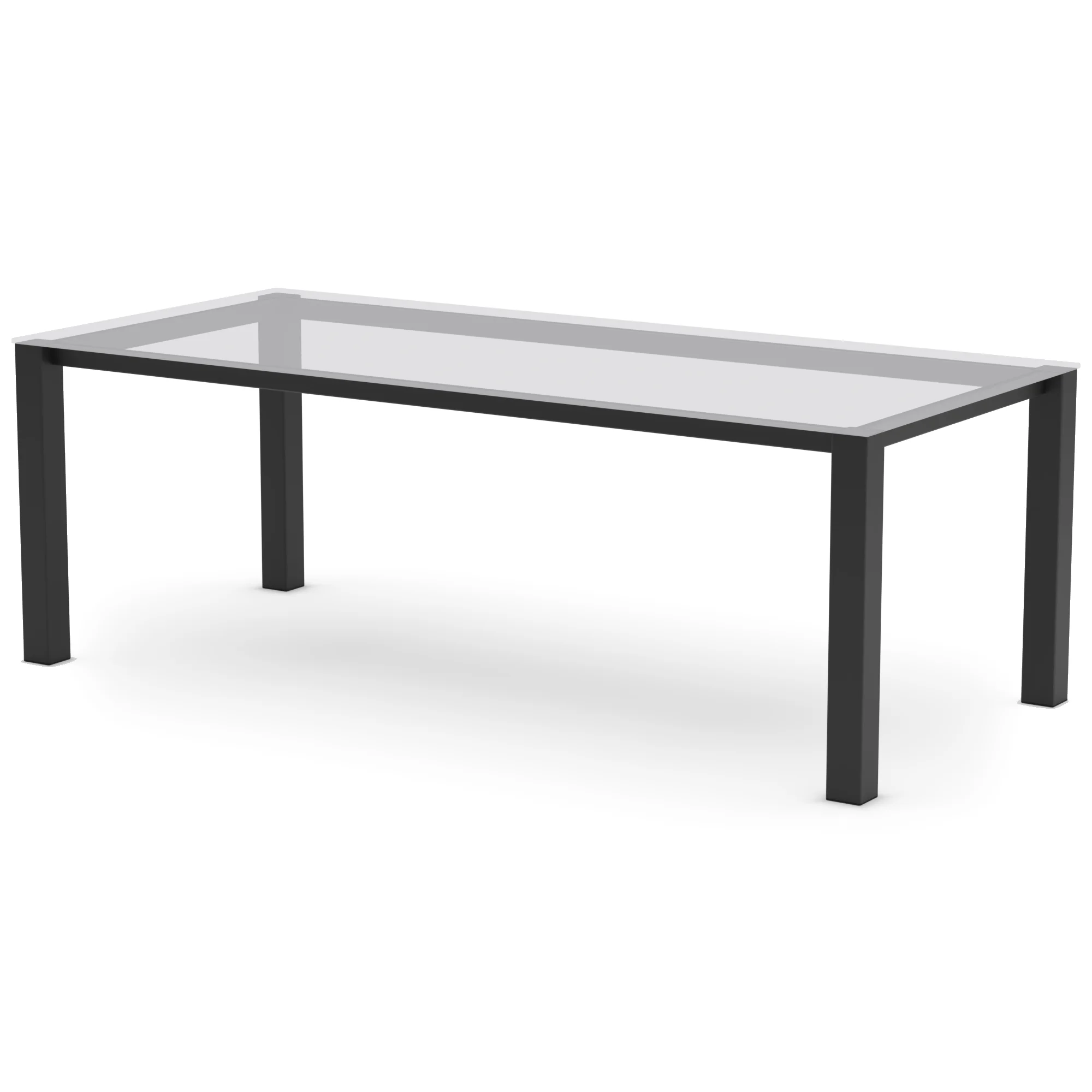

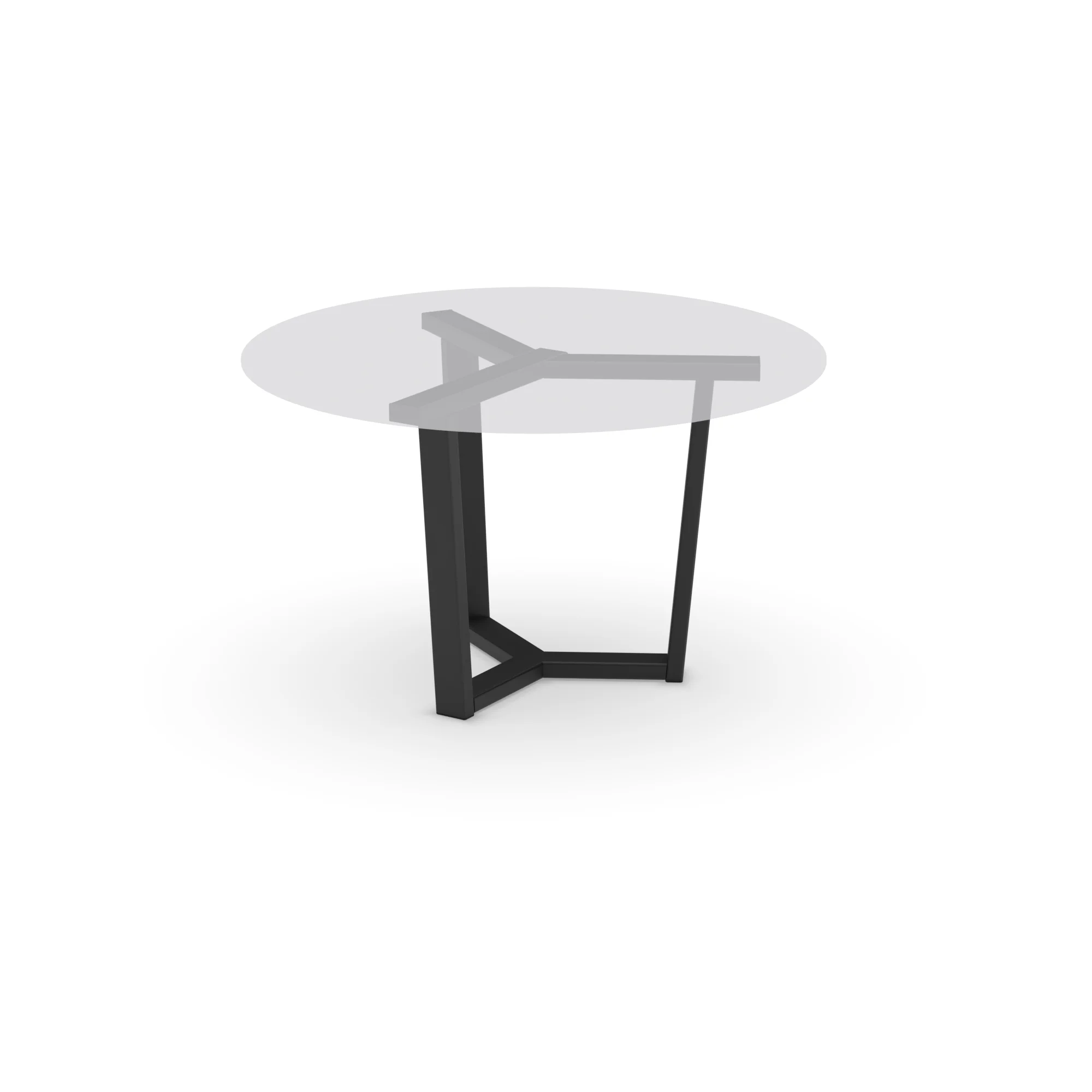
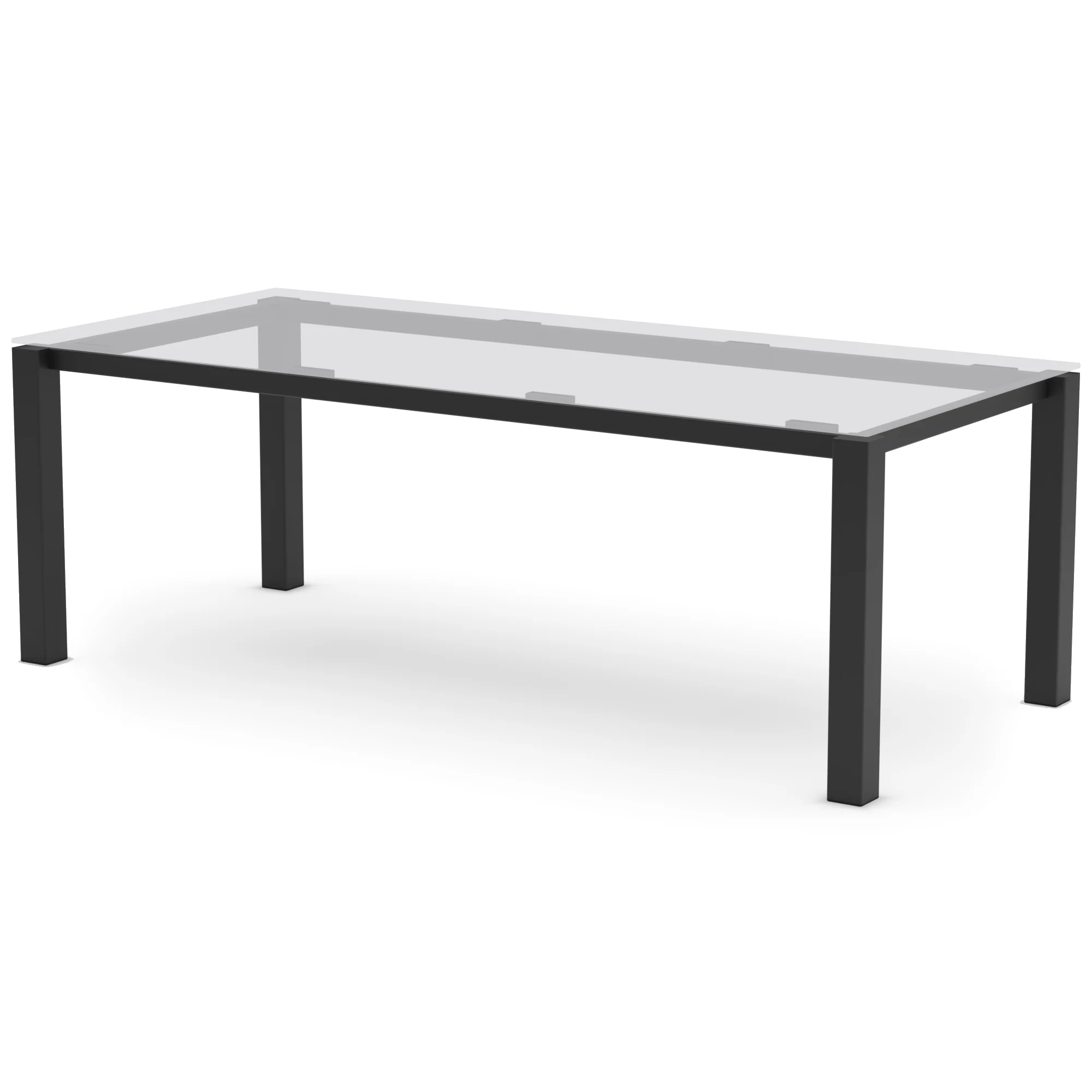
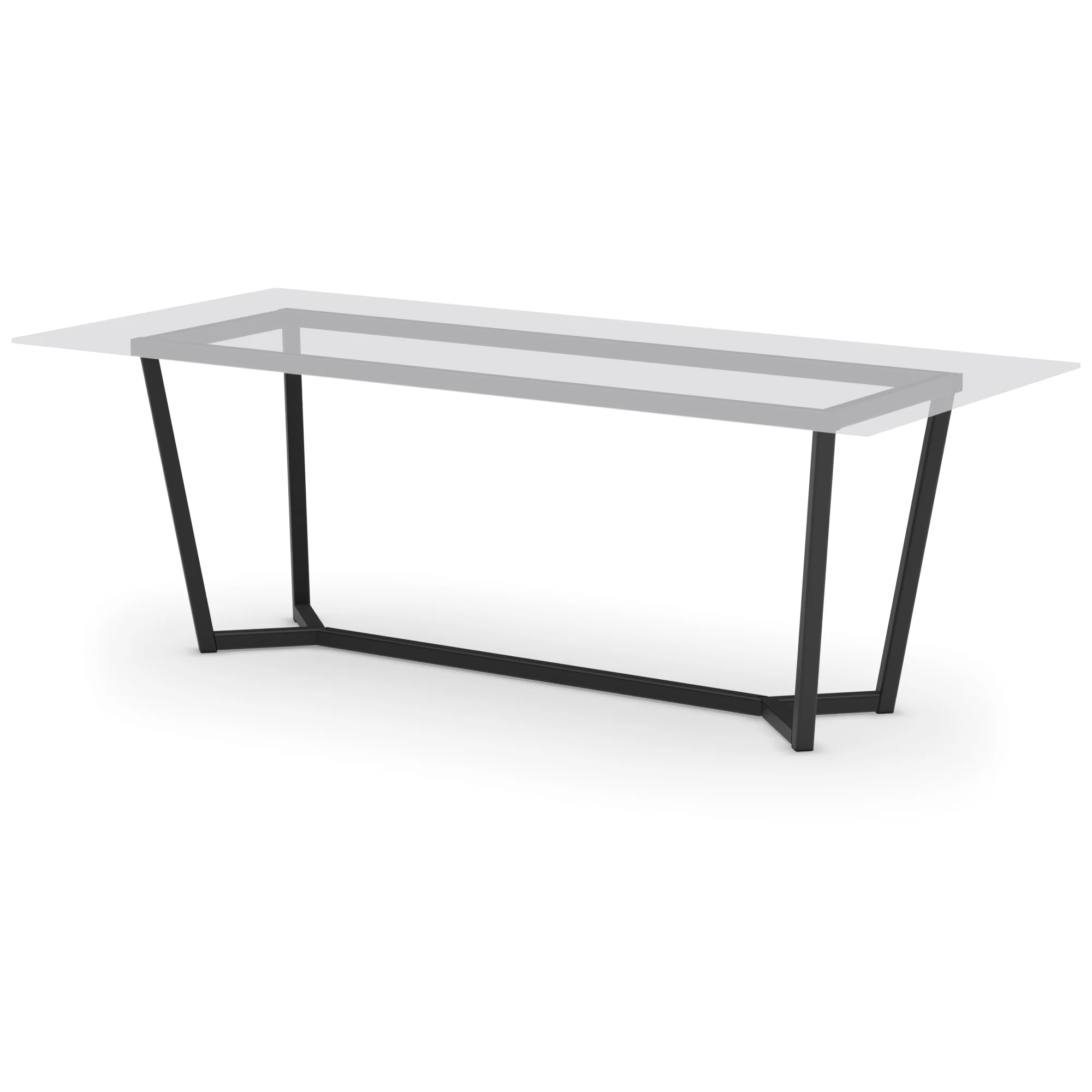
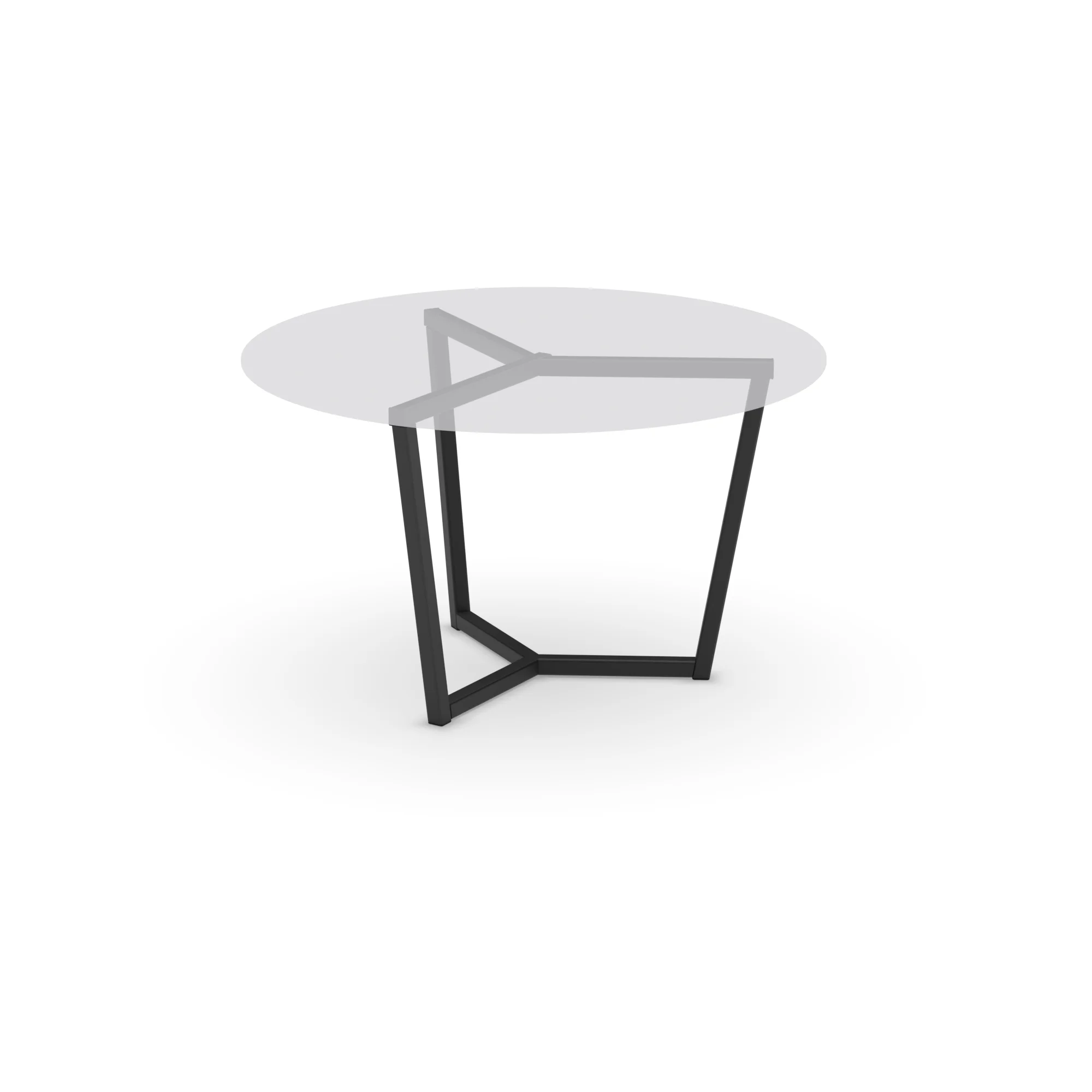
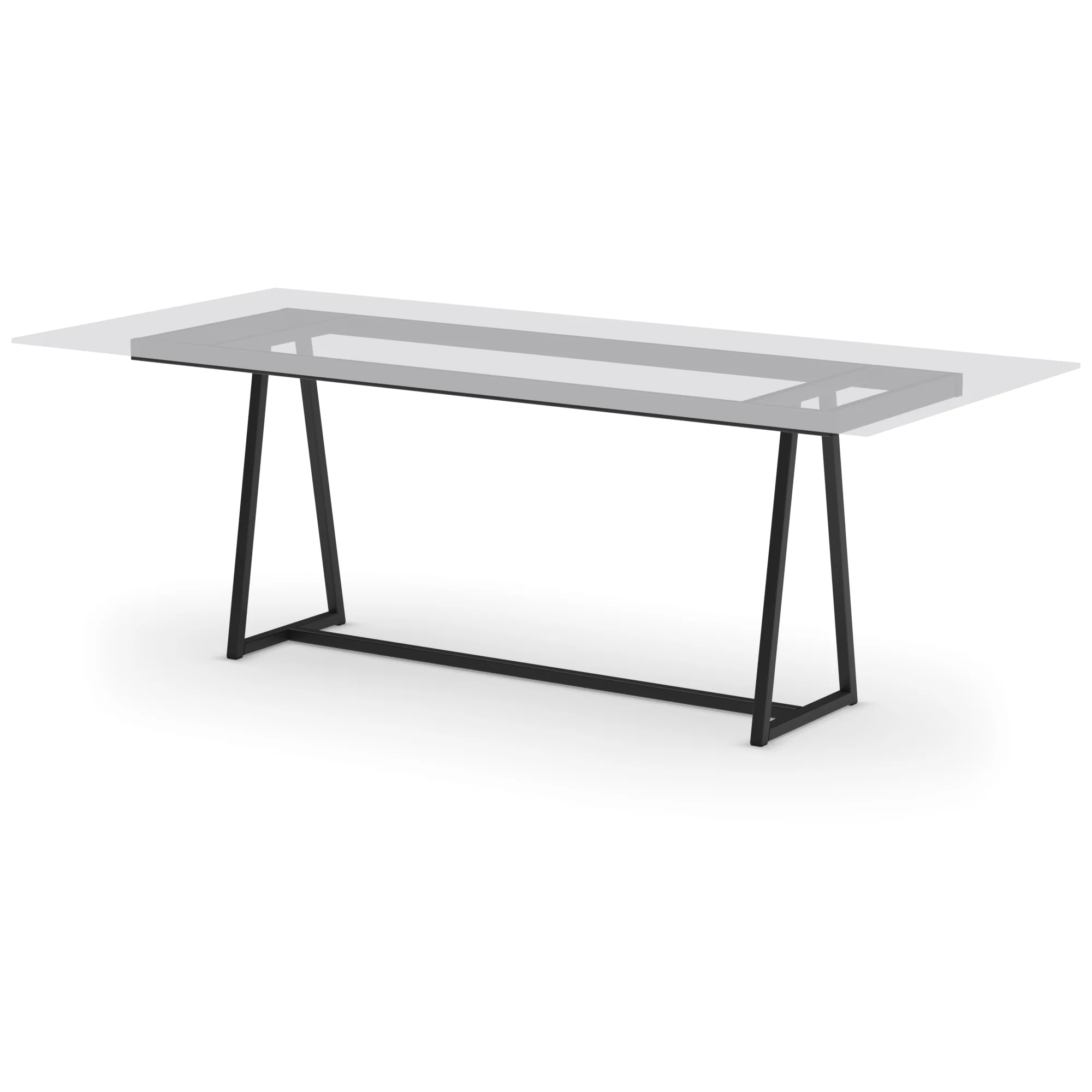
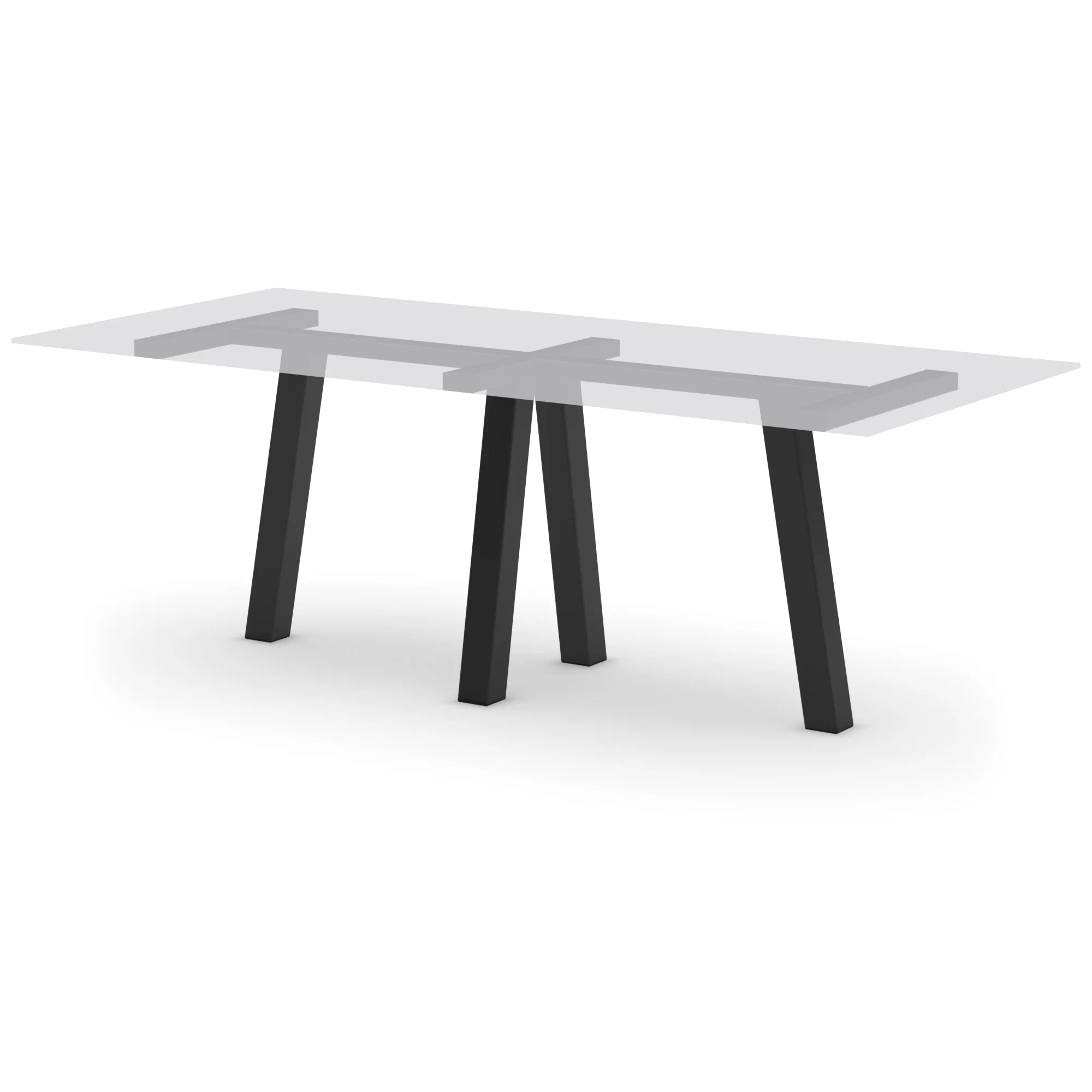
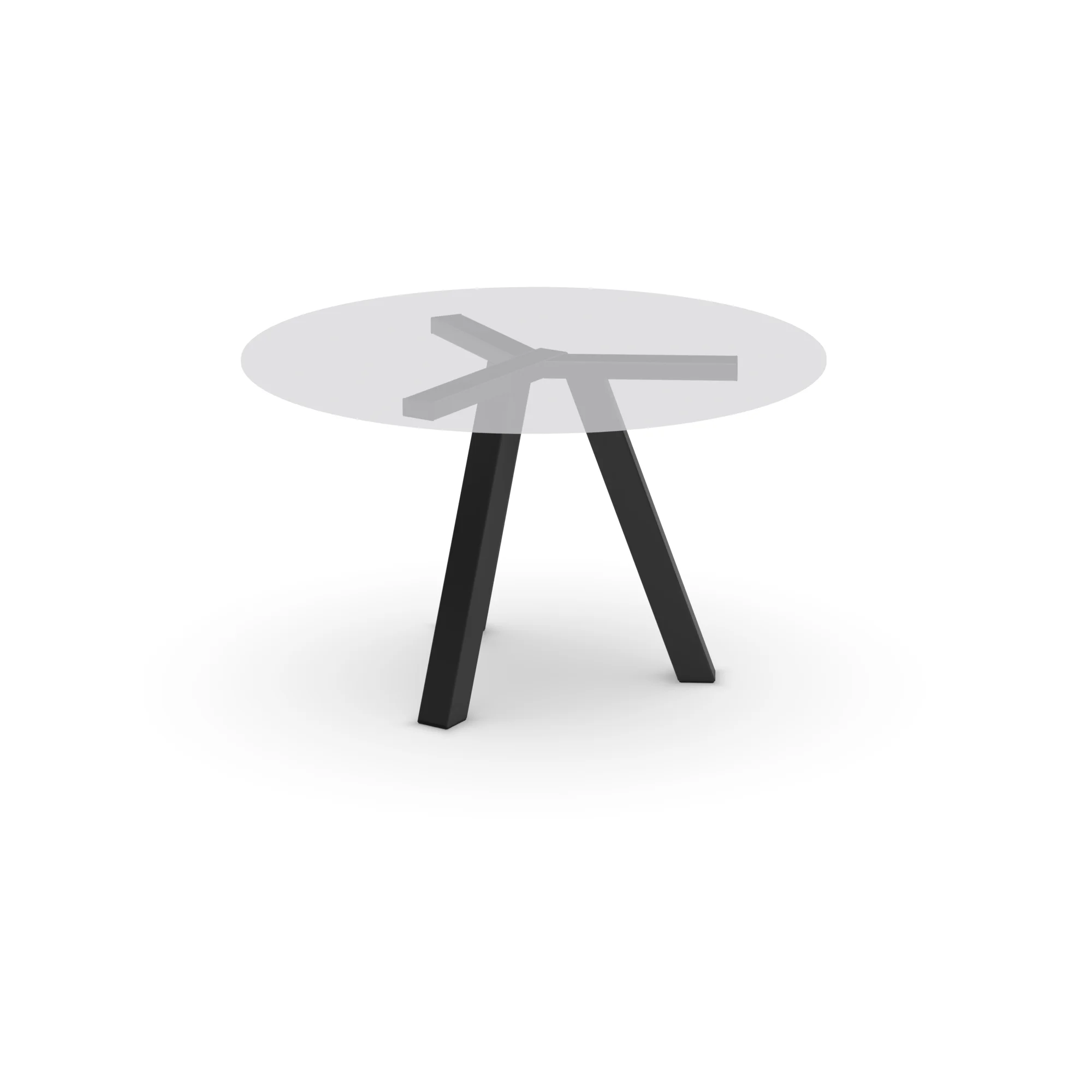


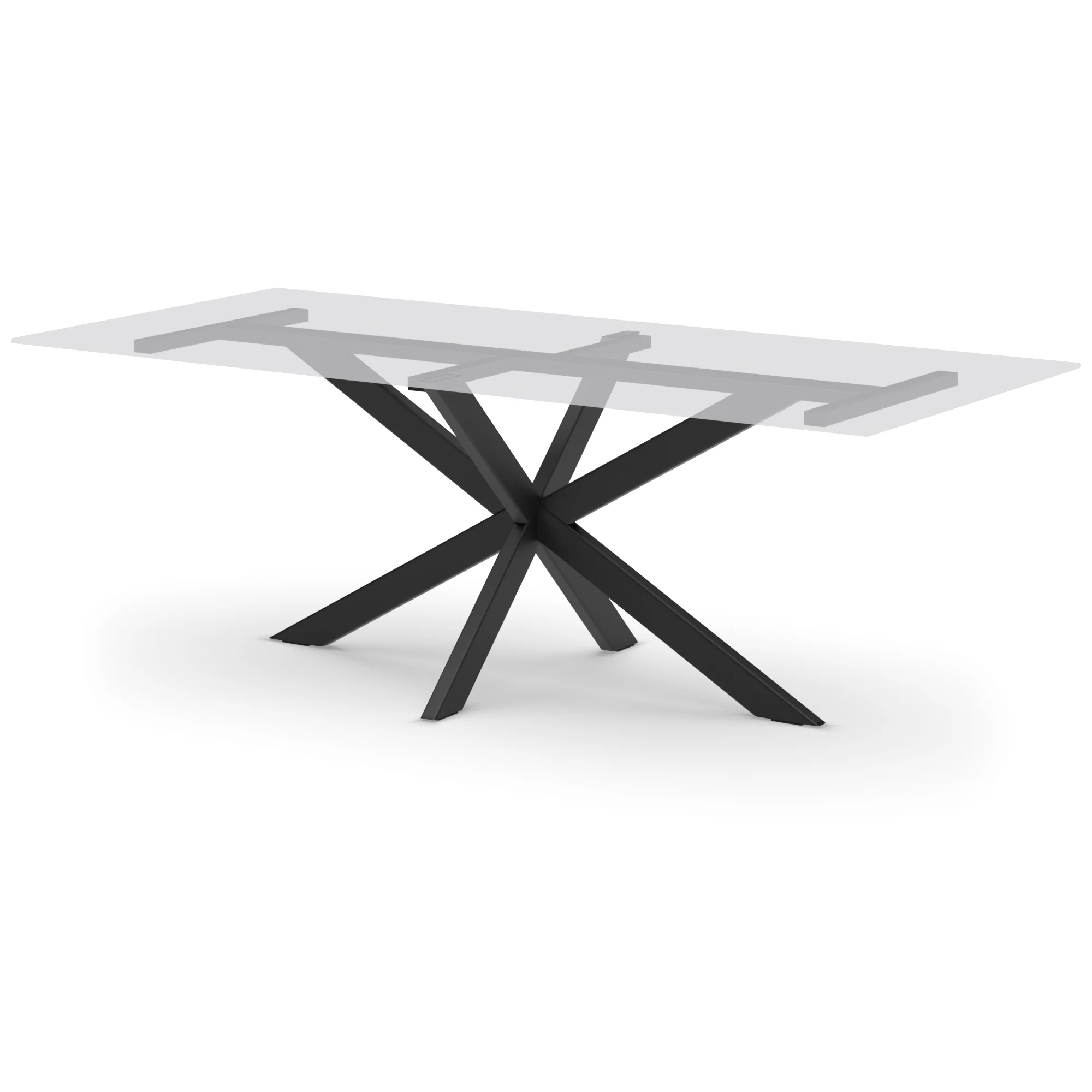
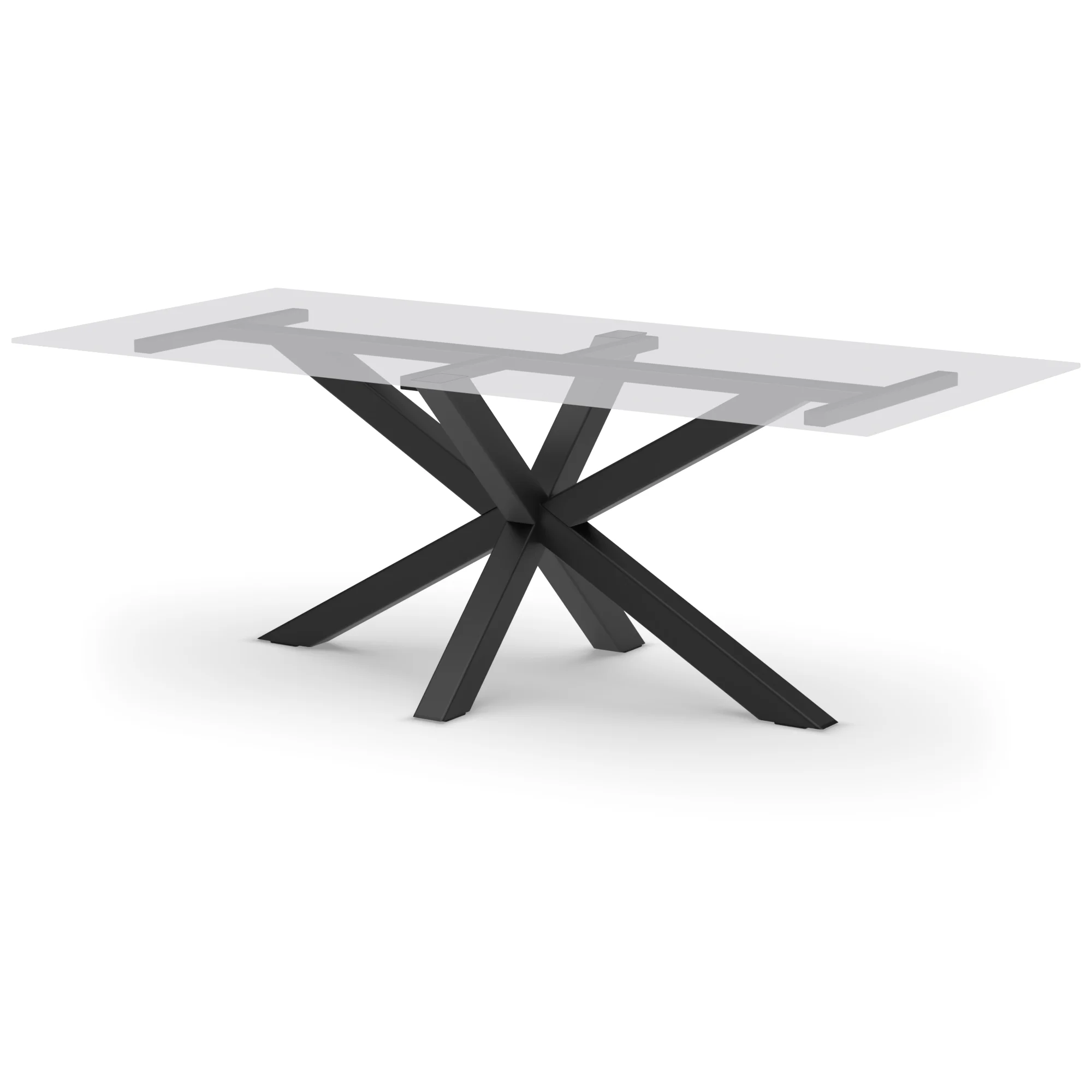
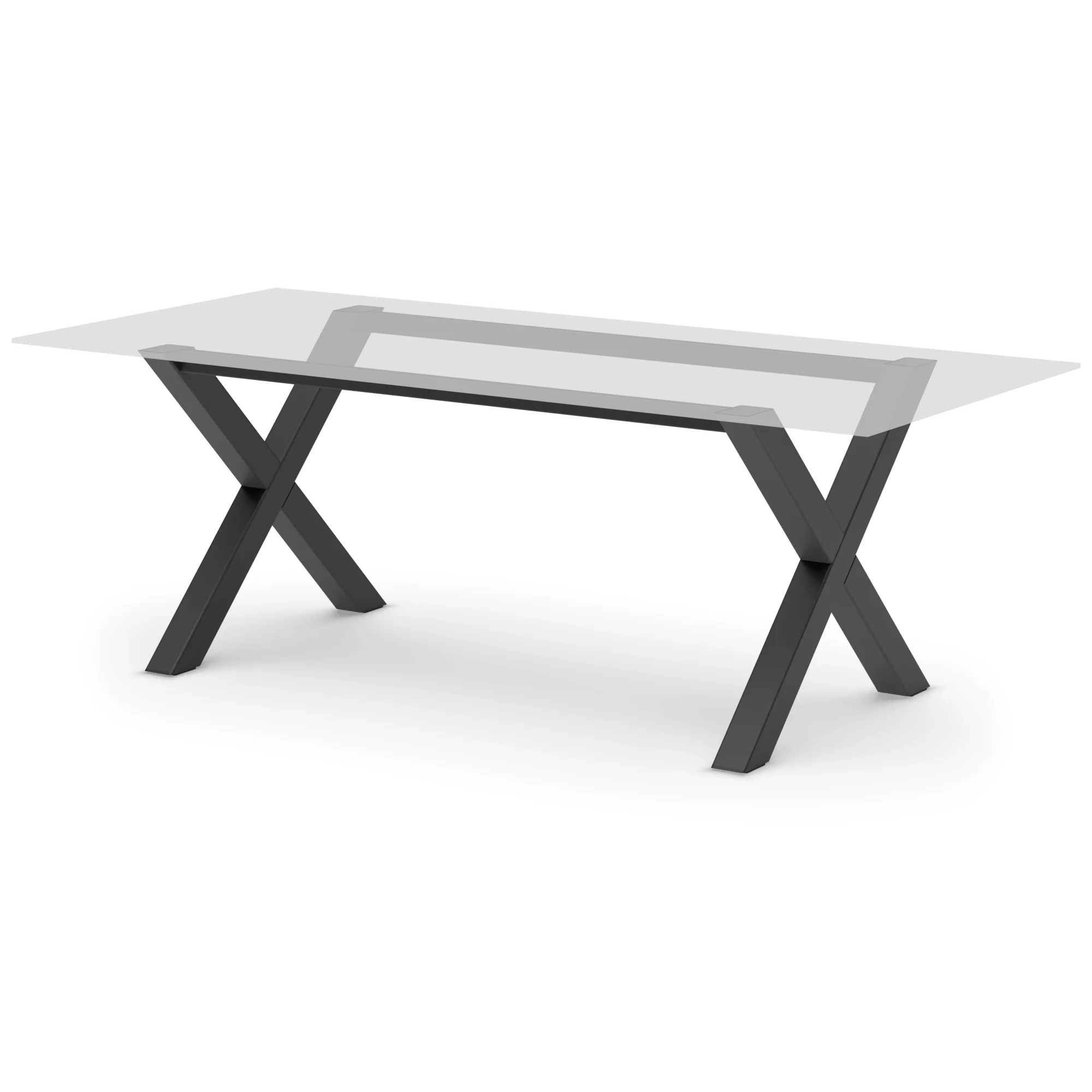
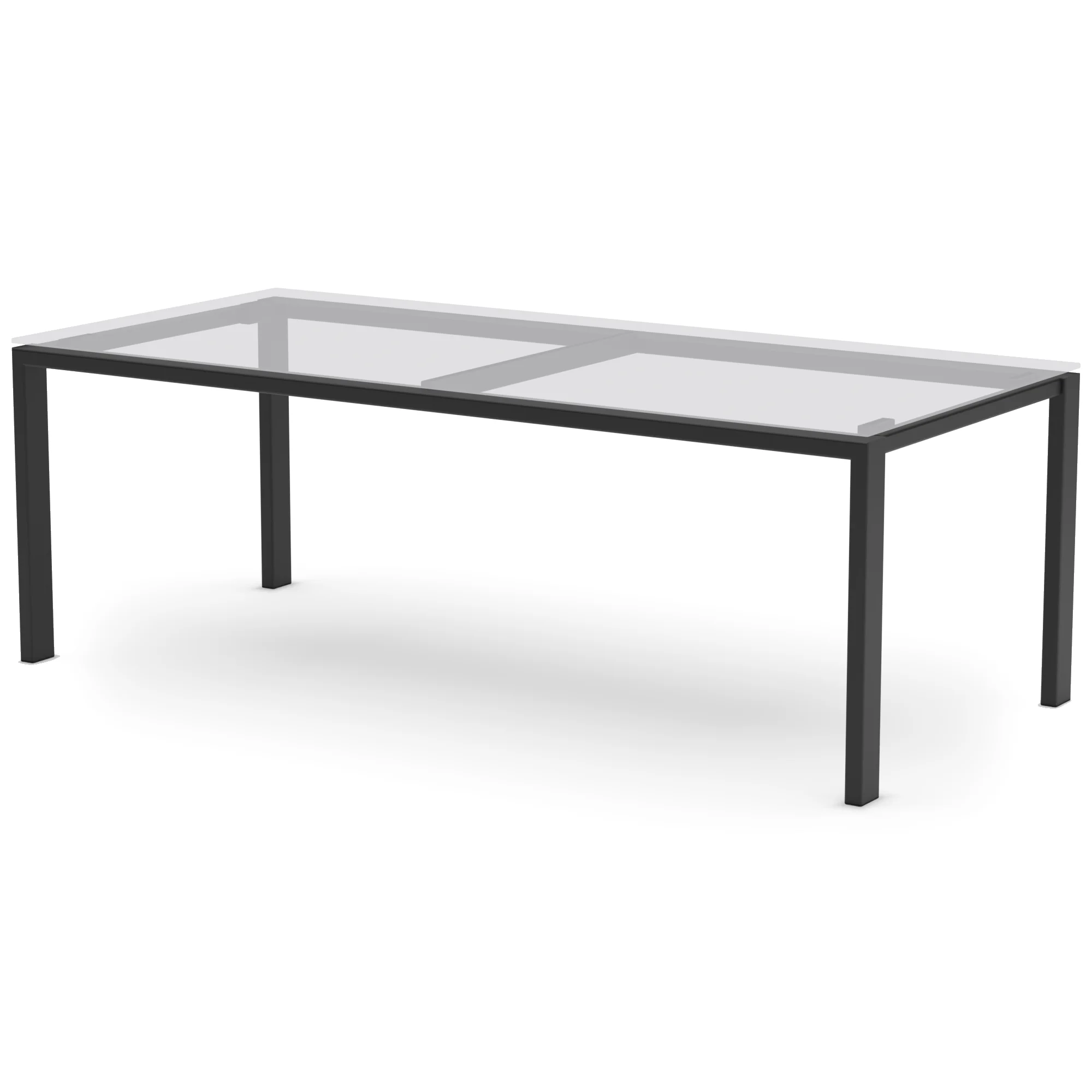

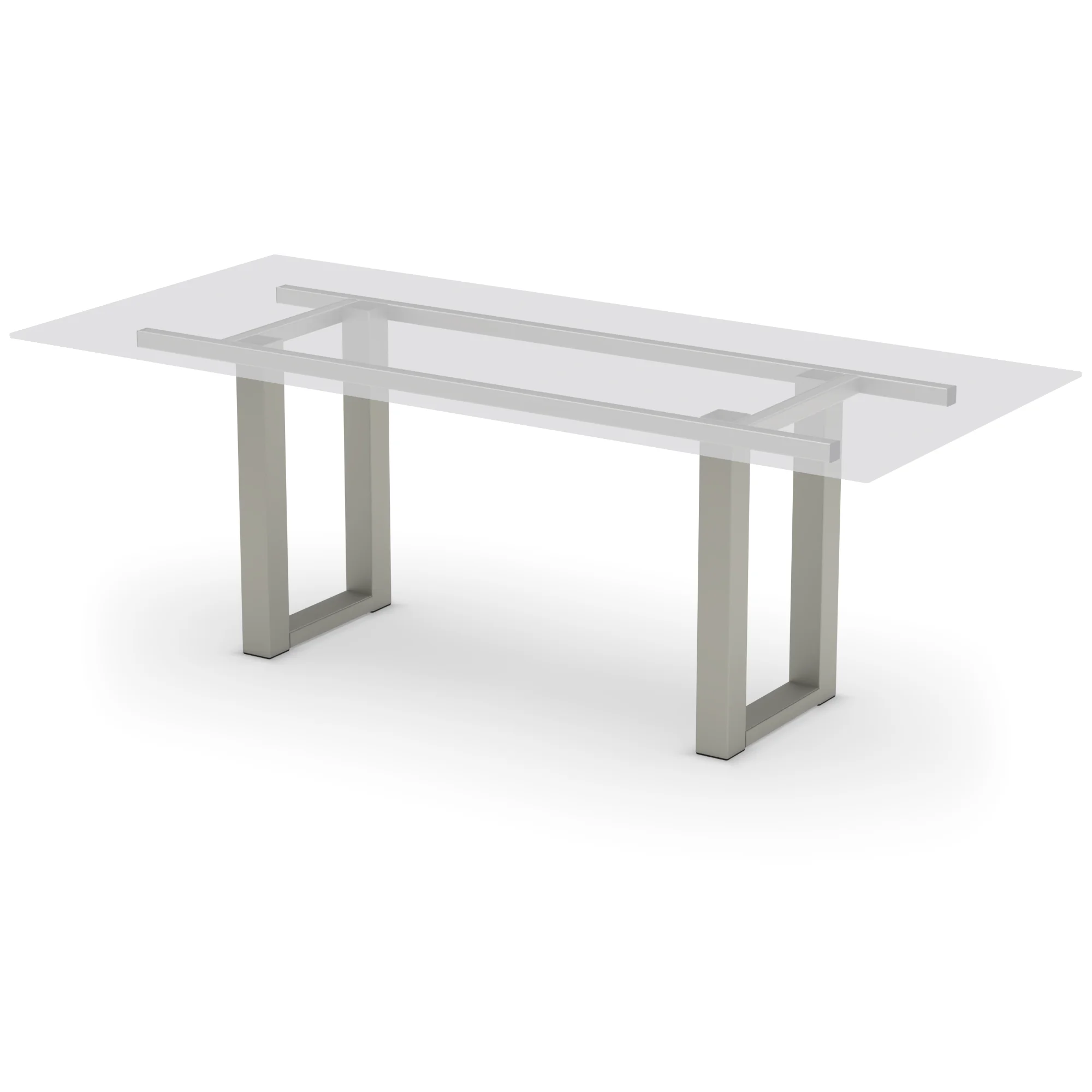
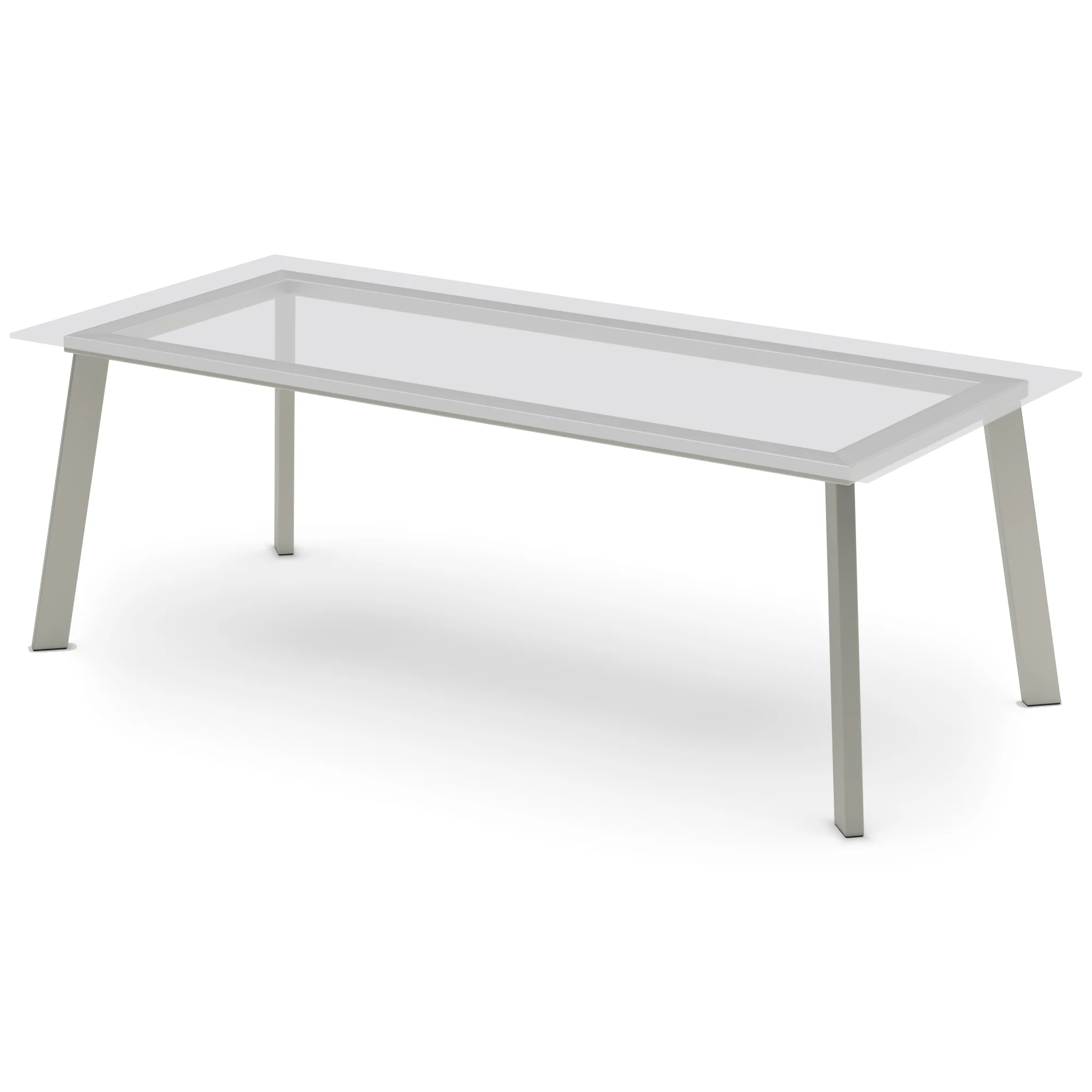
Stainless steel base
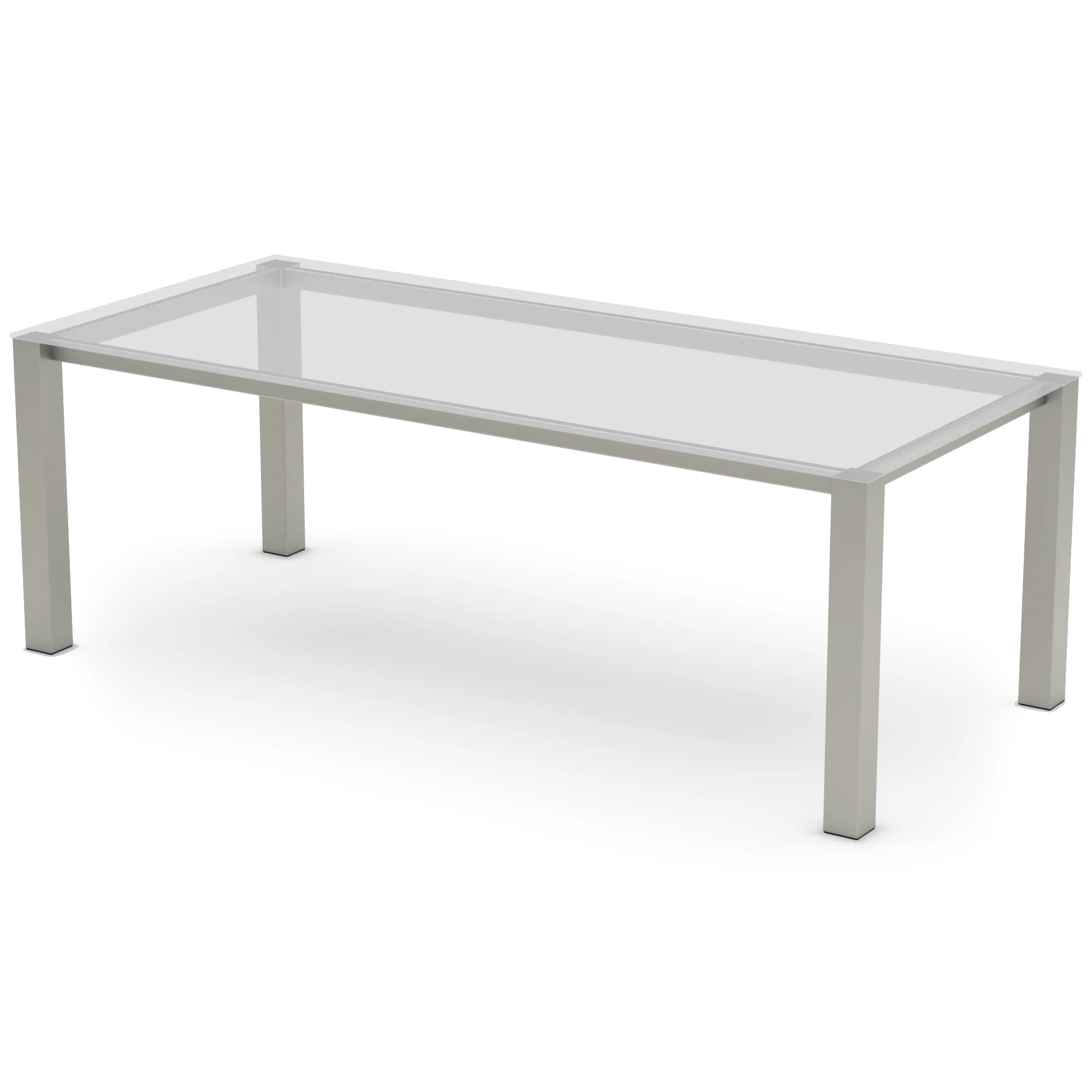
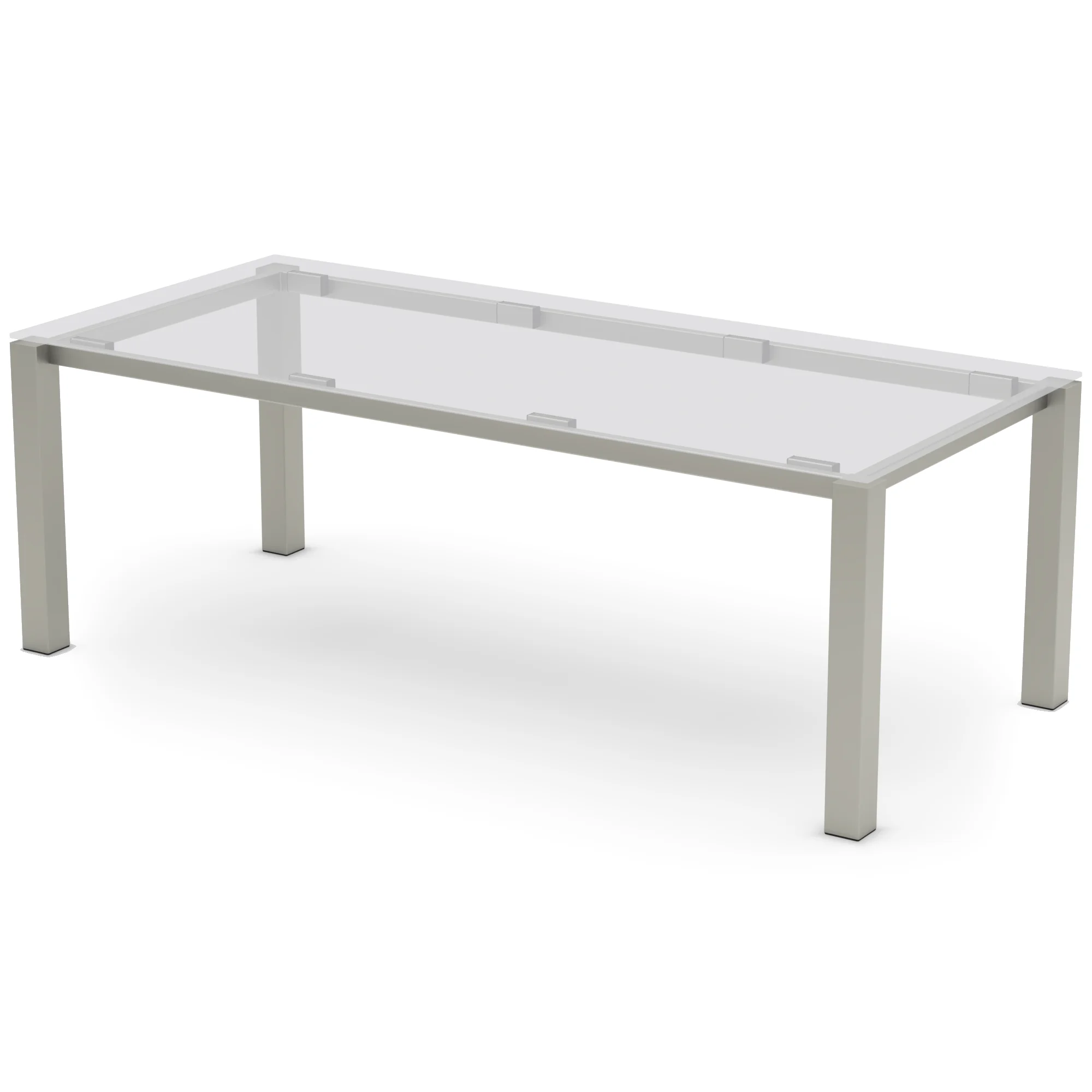
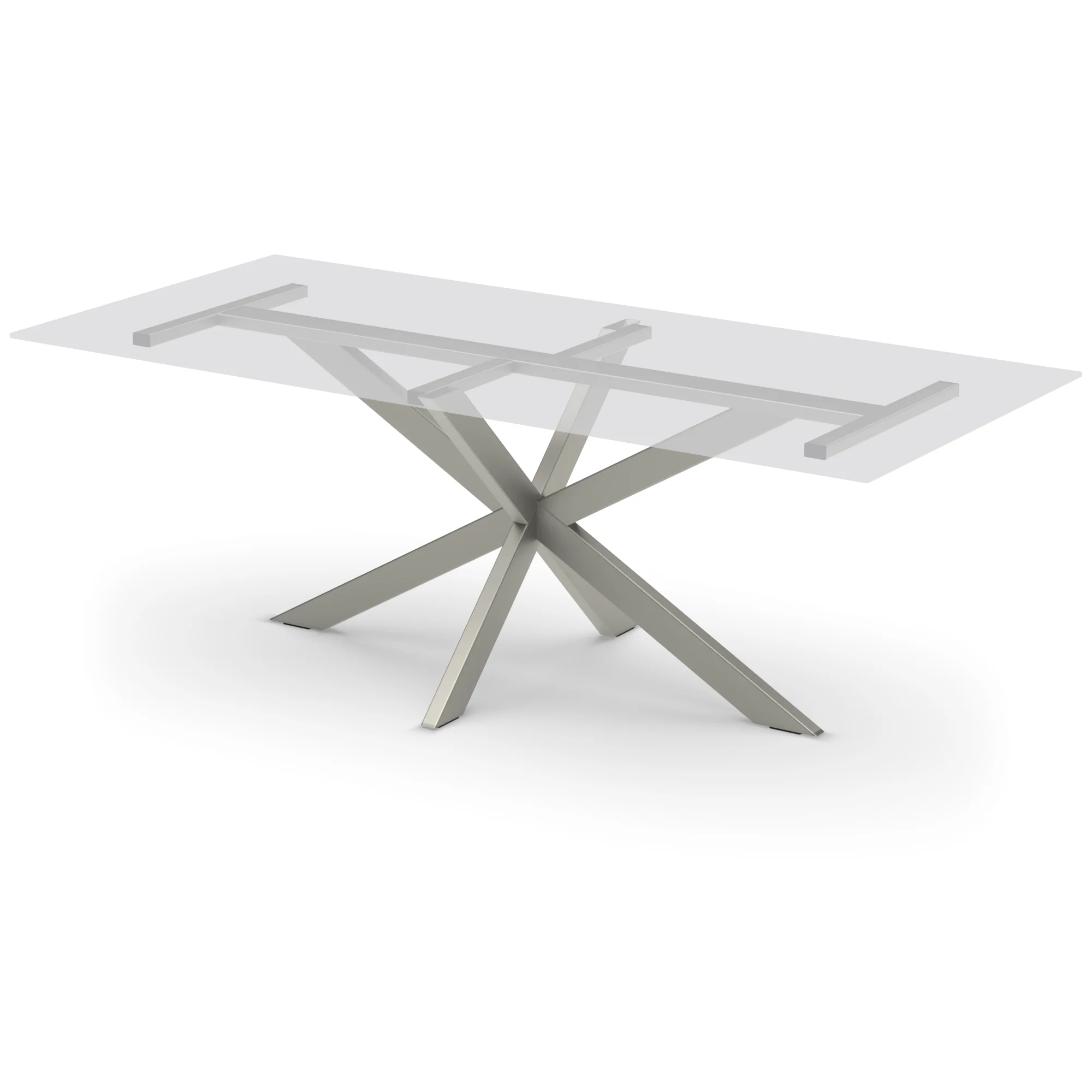
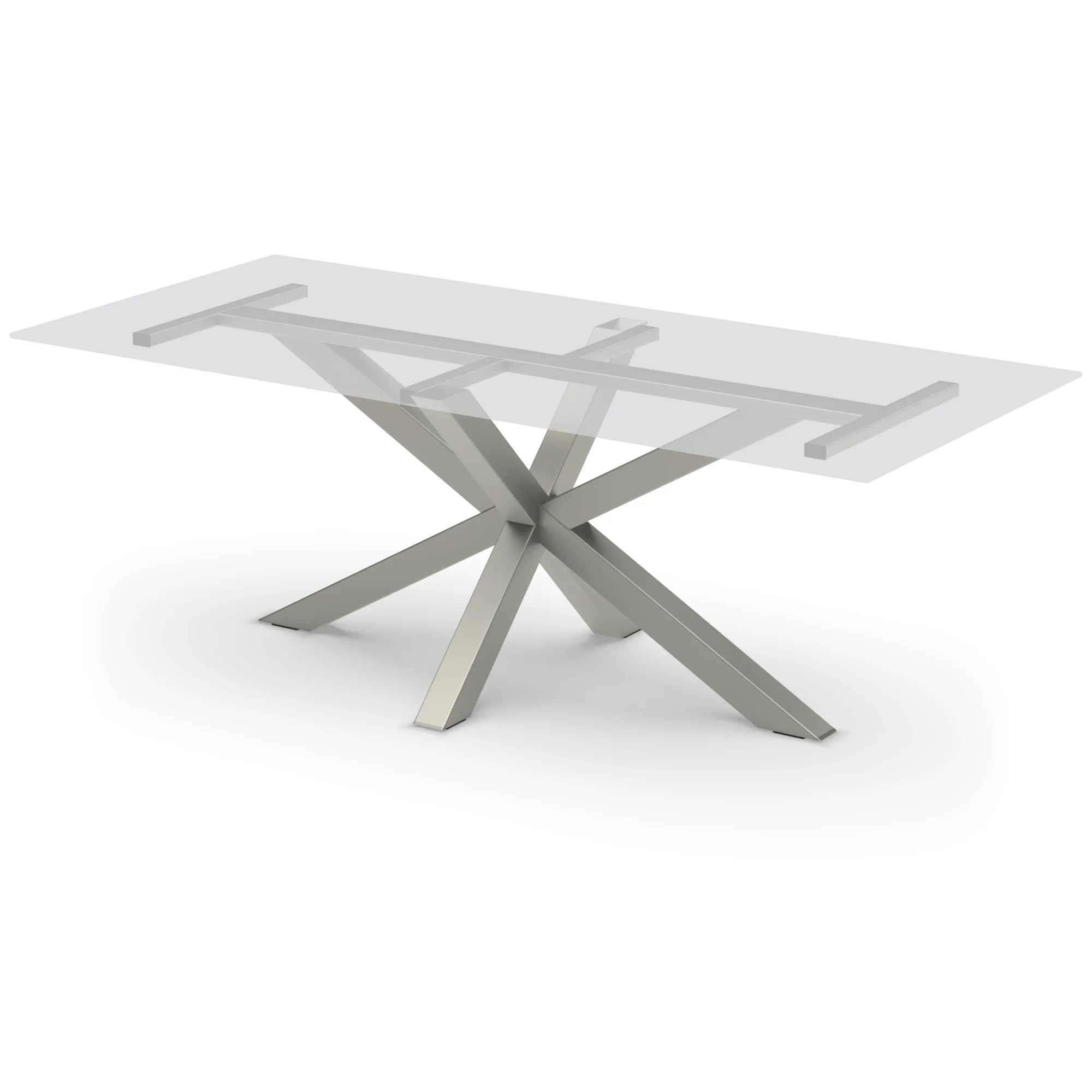
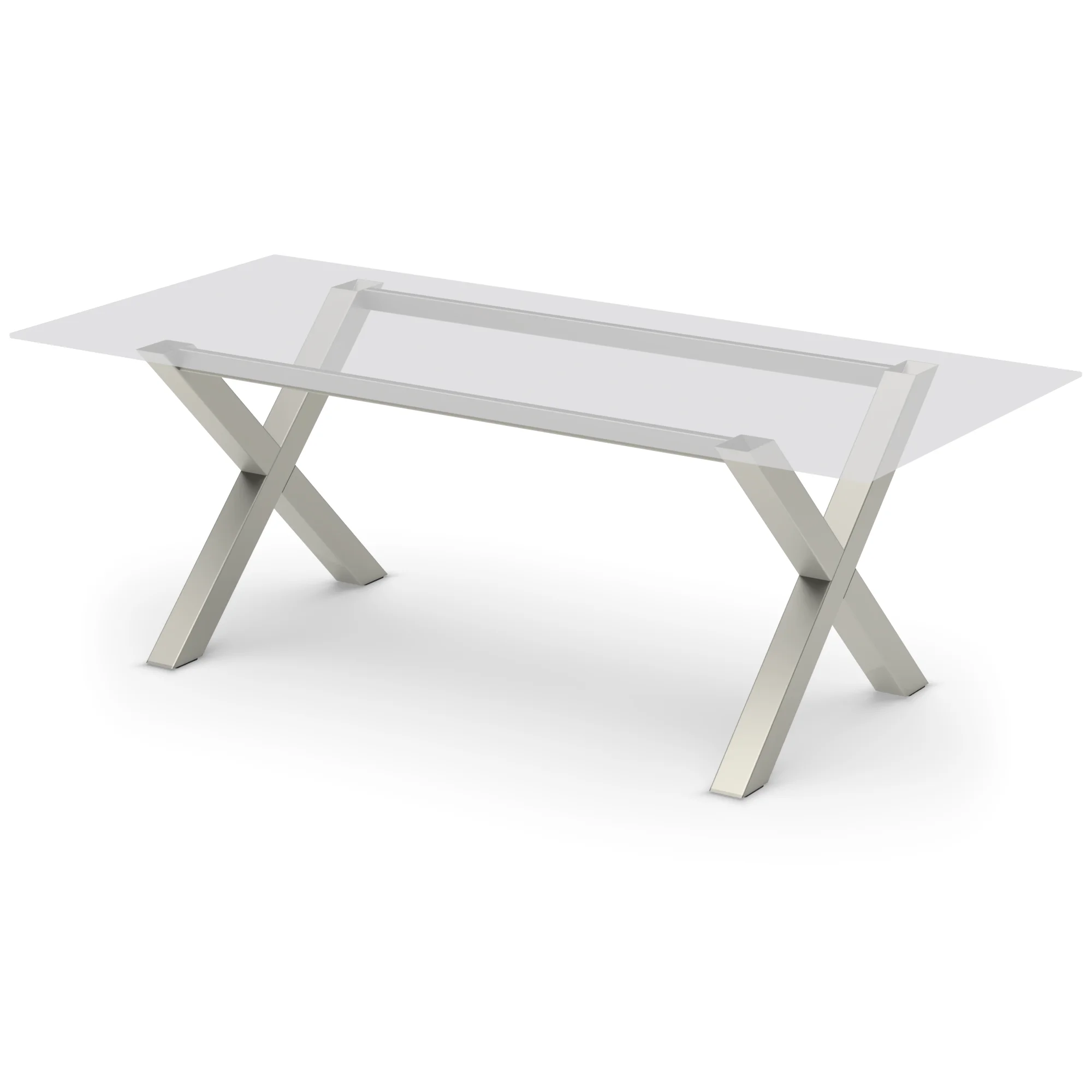
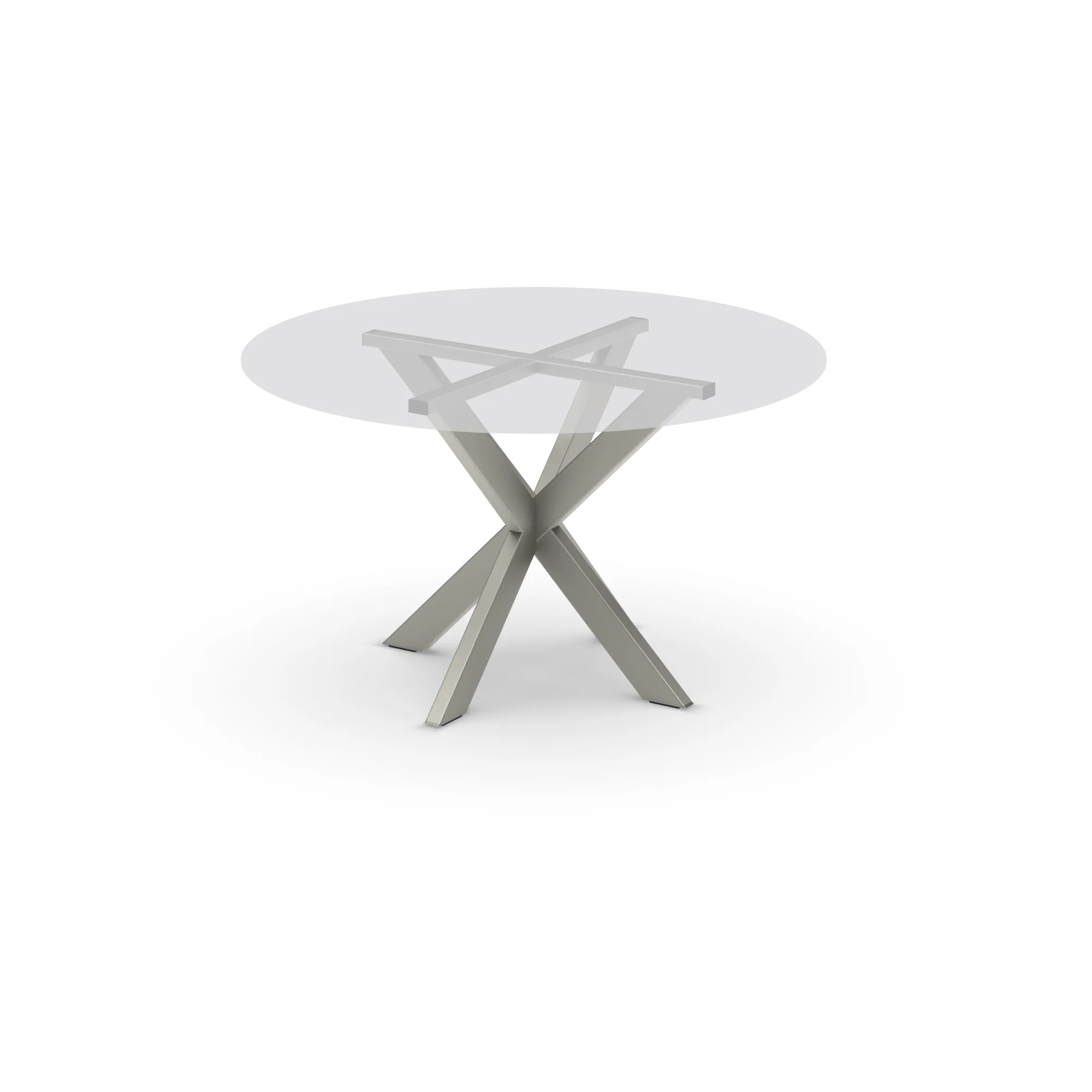
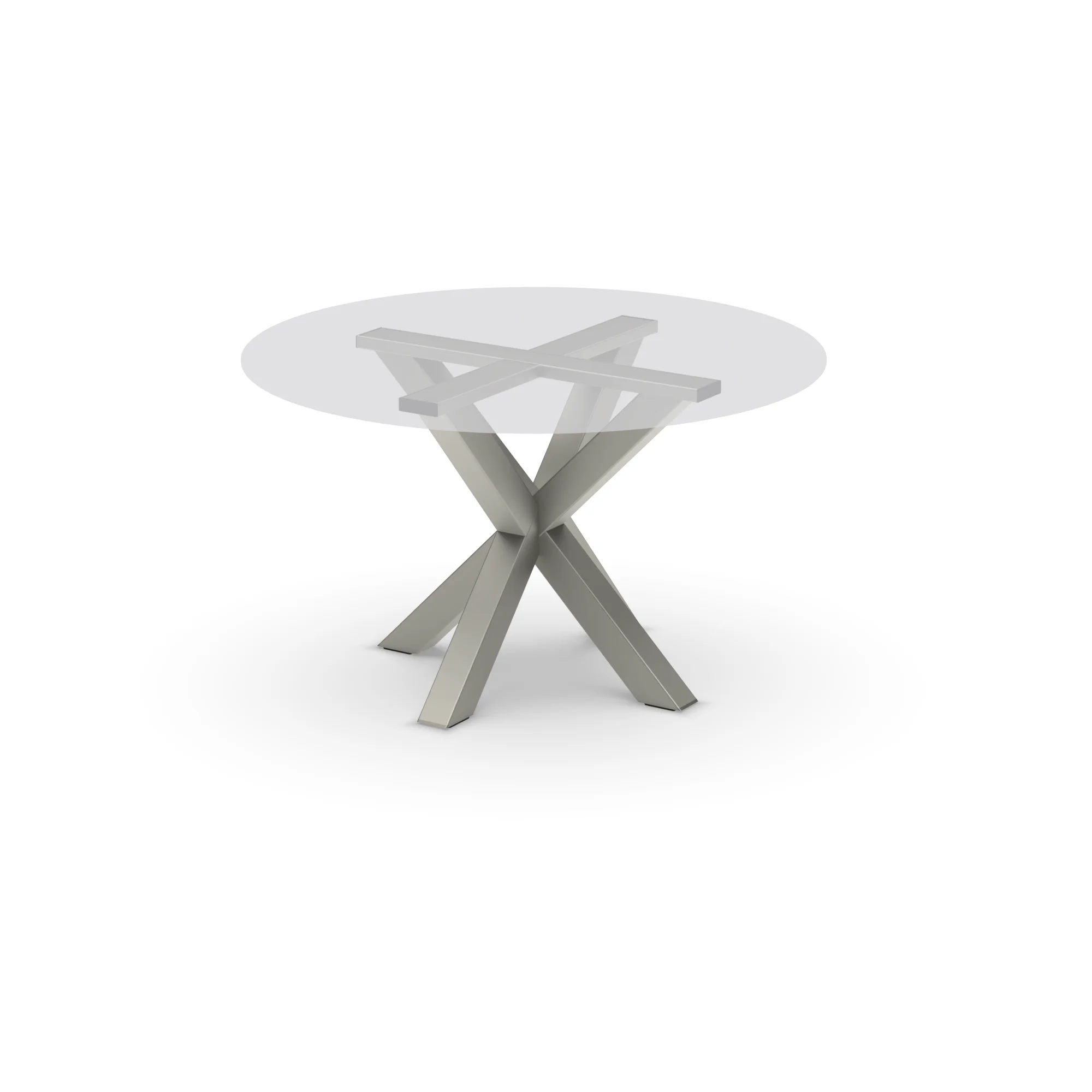
101 products
Sort byDefault





No products match this combination
Adjust or remove a filter to see results again.

Which garden table suits you?
Start with the top, because that is what takes the sun, rain and frost. The frame comes next and is mostly a matter of taste.
Quick guide
- Little maintenance and plenty of colours: choose ceramic.
- Real stone with its own pattern: choose granite.
- Silver and brushed: choose a stainless steel frame.
- Colour in the frame: choose steel with outdoor primer.
Ceramic garden table: pros and cons
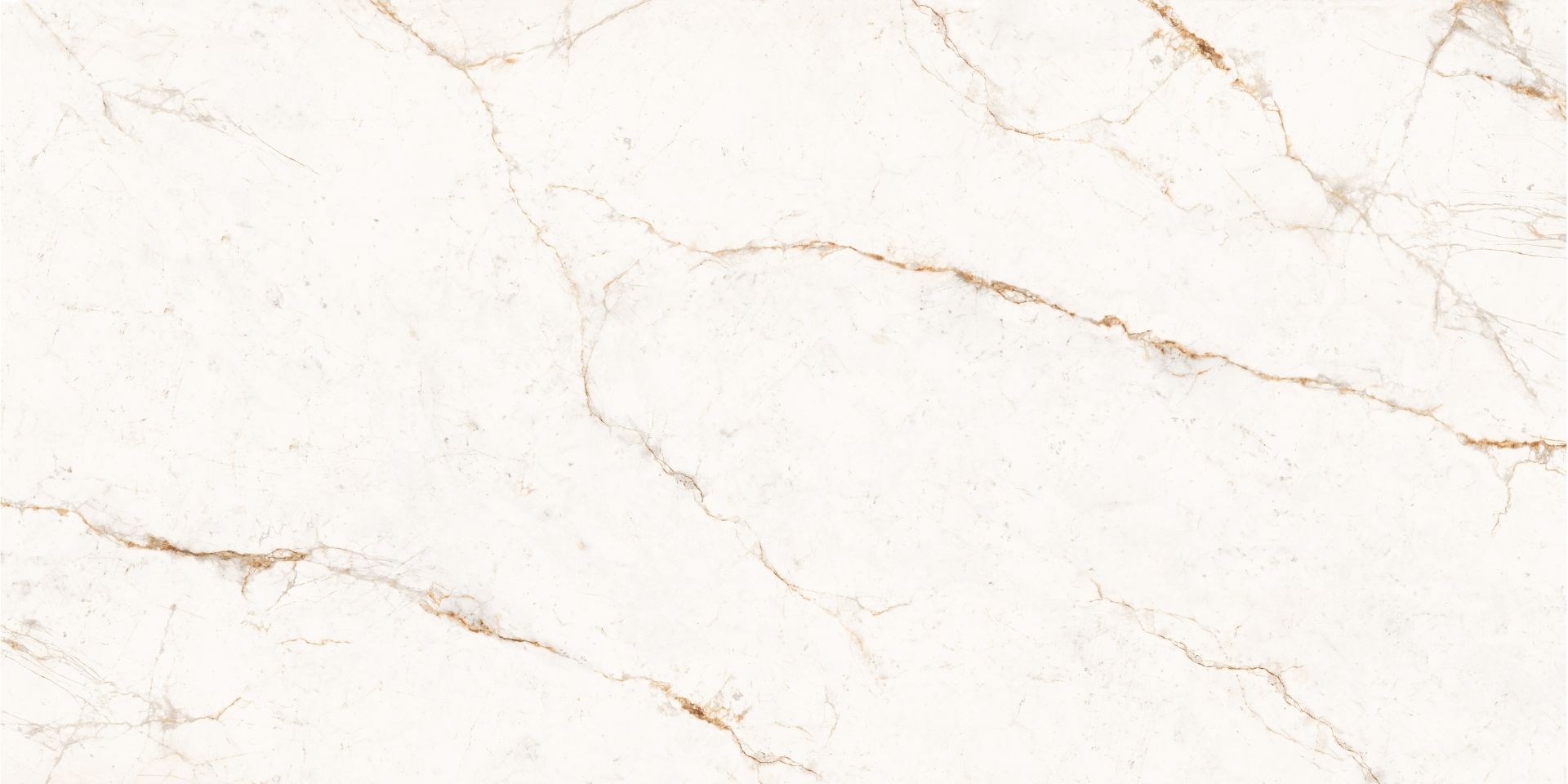
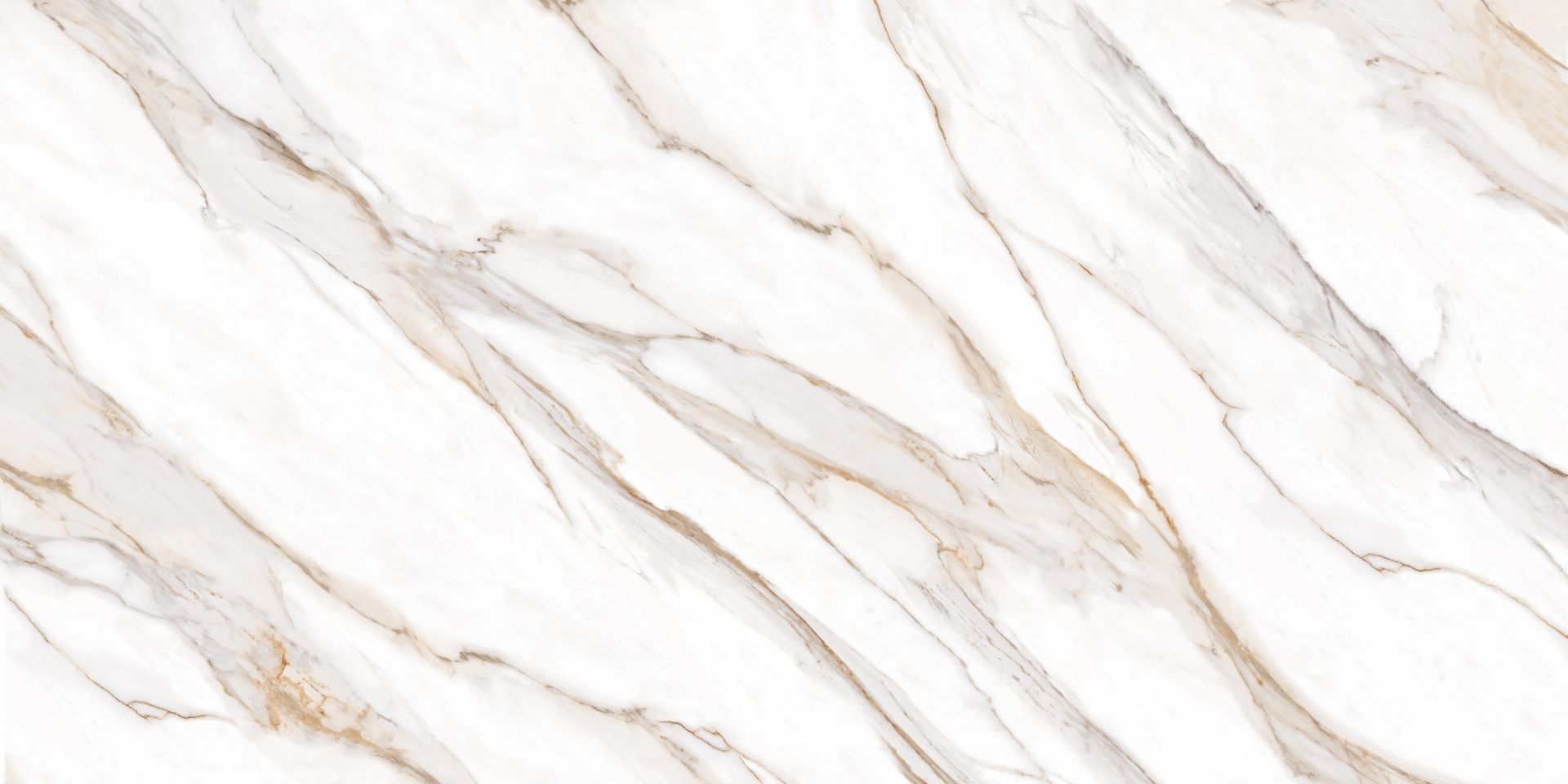
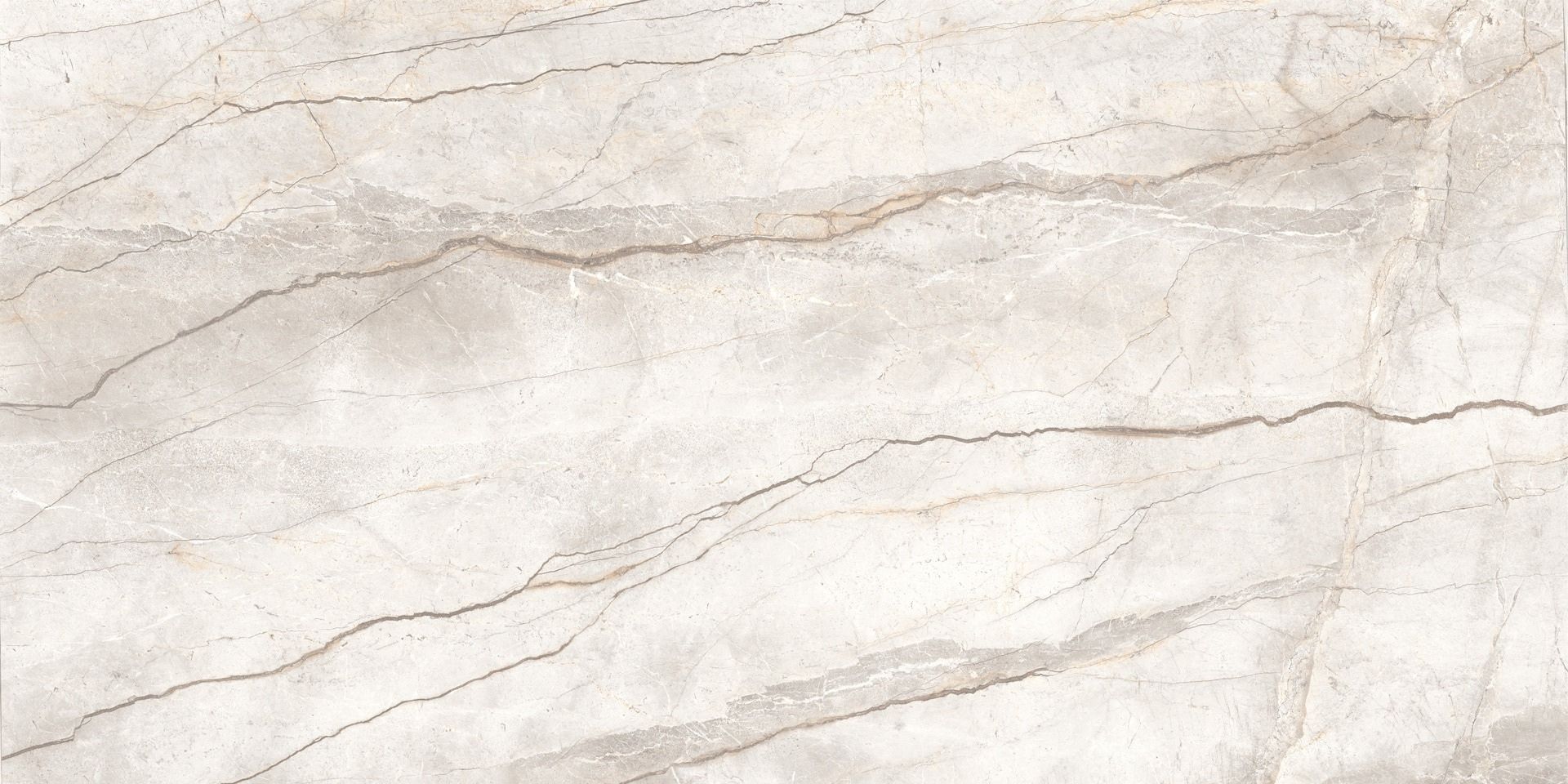
Ceramic is sintered at extremely high temperature. That makes it hard and non-porous, so it works indoors and outdoors.
- UV resistant: the colour does not fade in the sun.
- Frost resistant: tested to EN ISO 10545-12, with water absorption below 0.1%.
- Heat, scratch and stain resistant: a dish straight off the barbecue or a glass of red wine leaves no mark.
- 29 colours, in a top 12 mm or 20 mm thick.
The drawback: ceramic is heavy and sensitive to hard point loads on the edge. A heavy pot knocked against the edge can chip it. More about the top on ceramic garden tables.
Granite garden table: pros and cons
Granite is volcanic natural stone and one of the hardest materials there is. No two tops are the same.
- Four types: Steel Grey leather, Coffee Brown leather, Tan Brown polished and Nero Assoluto honed.
- Gloss or matt: polished is glossy, honed is matt.
- Thickness and size: 30 mm thick, up to 2400 × 1000 mm.
Granite needs more care than ceramic. Seal the top after delivery and again every two to three years, and use a trivet for a hot pan: the thermal shock can crack the stone. How it compares with other stone is explained on natural stone garden tables.
A frame for outdoors: stainless steel or steel
Steel with outdoor primer and stainless steel are equally suitable outdoors. The choice is about looks: brushed silver or a colour.
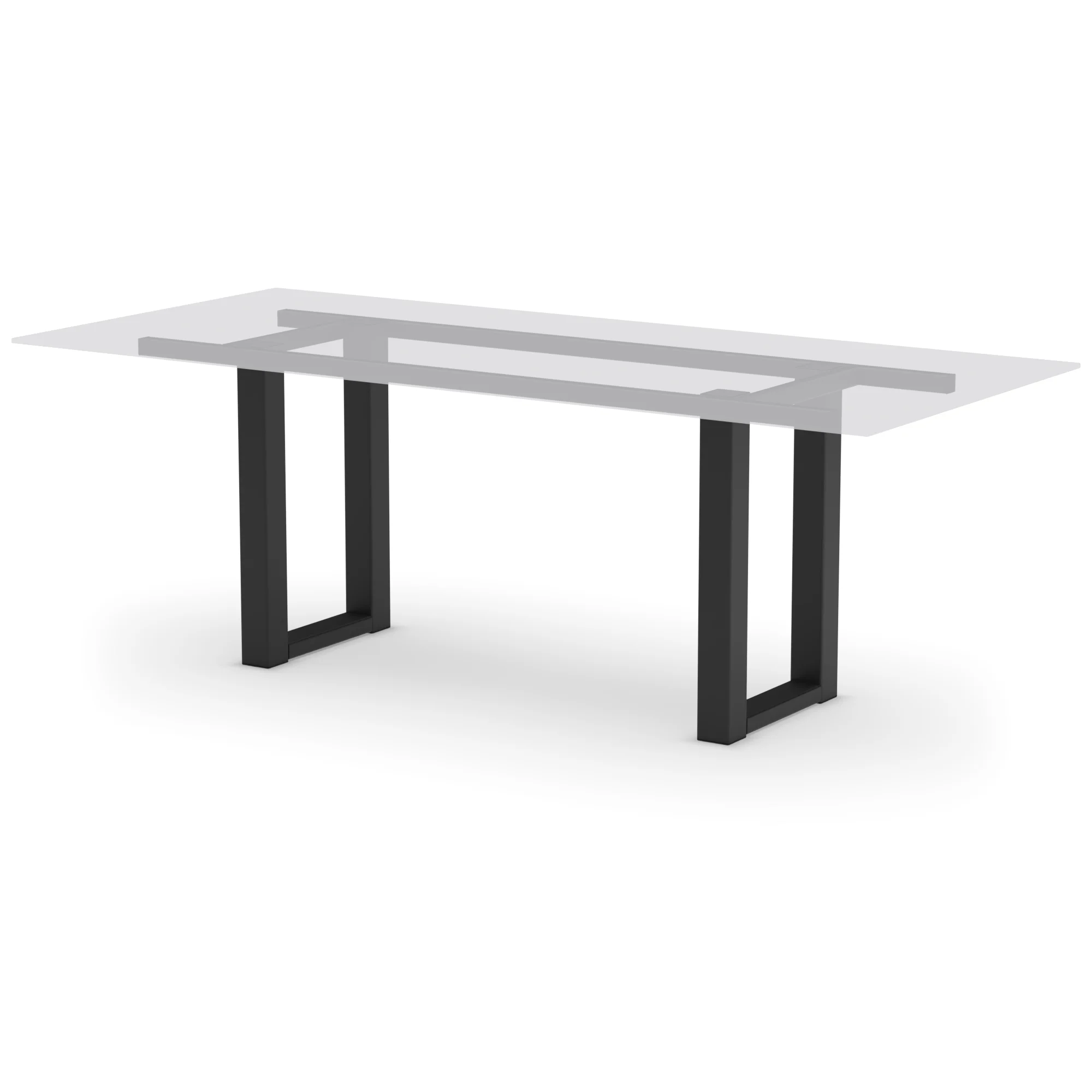
- Stainless steel 304 (18/8): naturally corrosion resistant, no coating needed. Brushed as standard; fingerprints show but wipe off easily.
- Steel: welded in Maasbree and powder coated in a fine texture, 3 to 5 times thicker than wet paint. For outdoor use the frame gets an extra primer layer under the powder coat.
- Steel colours: 10 standard colours, 8 RAL colours and 2 anodised finishes.
To be clear about steel: powder coating is a layer of paint, and a heavy impact could in theory damage it.
Round, oval and rectangular garden tables
The shape decides how many people fit and how easily you walk around the table.
- Rectangular: the most seats per metre, fits along a wall or a long patio.
- Oval and Danish oval: rounded corners, easier to walk past. A Danish oval is fuller in the curve, so there is more room at the ends.
- Rectangle with semicircular ends: as long as a rectangle, without corners.
- Round: everyone faces each other. A round top comes in ceramic.
What size garden table for 4, 6, 8 or 10 people?
Allow 700 to 750 mm of table edge per person and at least 800 mm of free space around the table, so a chair can slide back. Three chairs along one long side need 2100 to 2250 mm.
Measure the patio first, between the wall, the border and the edge of the paving. Subtract the walking space and you know how big the top can be. Standard table height is 760 mm.
Can a garden table stay outside all year?
Ceramic on stainless steel, or on steel with outdoor primer, is made for outdoors: the top is frost and UV resistant and the frame is protected against the weather. With granite it depends on sealing; keep to the two-to-three-year schedule.
Wooden tops are not suitable for outdoor use. Oak and walnut are therefore only offered as indoor dining tables.
Design your garden table to measure
In the 3D configurator you choose shape, top, size and frame, and you see the price straight away. Every table is made to the millimetre in our workshop in Maasbree, the Netherlands.
Delivery within 4 weeks, or at a lower rate within 8 weeks. Collection in Maasbree is also possible. You get a 2-year guarantee on construction and finish.
Unsure about a colour? Material samples are ordered per piece and refunded when you return them.
The showroom and workshop in Maasbree are also open on Saturdays. Chairs to go with your table are under garden chairs.
Read moreRead less
Last updated: October 6, 2026