4.9· 164 Google Reviews

Ceramic Dining Tables

4.9· 164 Google reviewsour own workshop in Maasbree

Products

Which table top works best for your household? Ceramic dining tables are the most practical choice if you want a surface that handles daily life. Children, pets, hot pans: ceramic can take it all. This page helps you decide whether a ceramic table top suits your situation, which shape works best and how to configure your table to size.

Quick selection guide

Young children or pets? Choose ceramic: scratch-resistant and stain-proof.

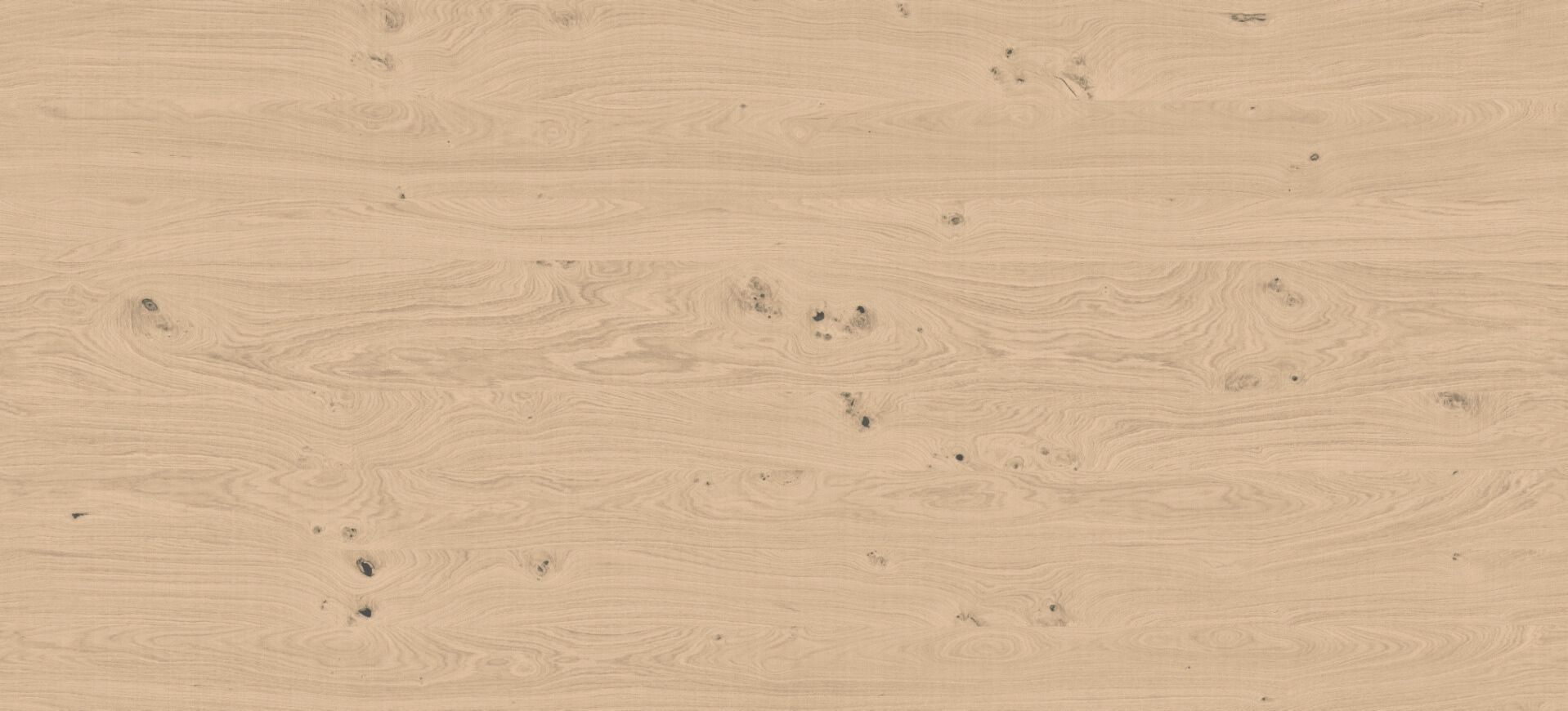
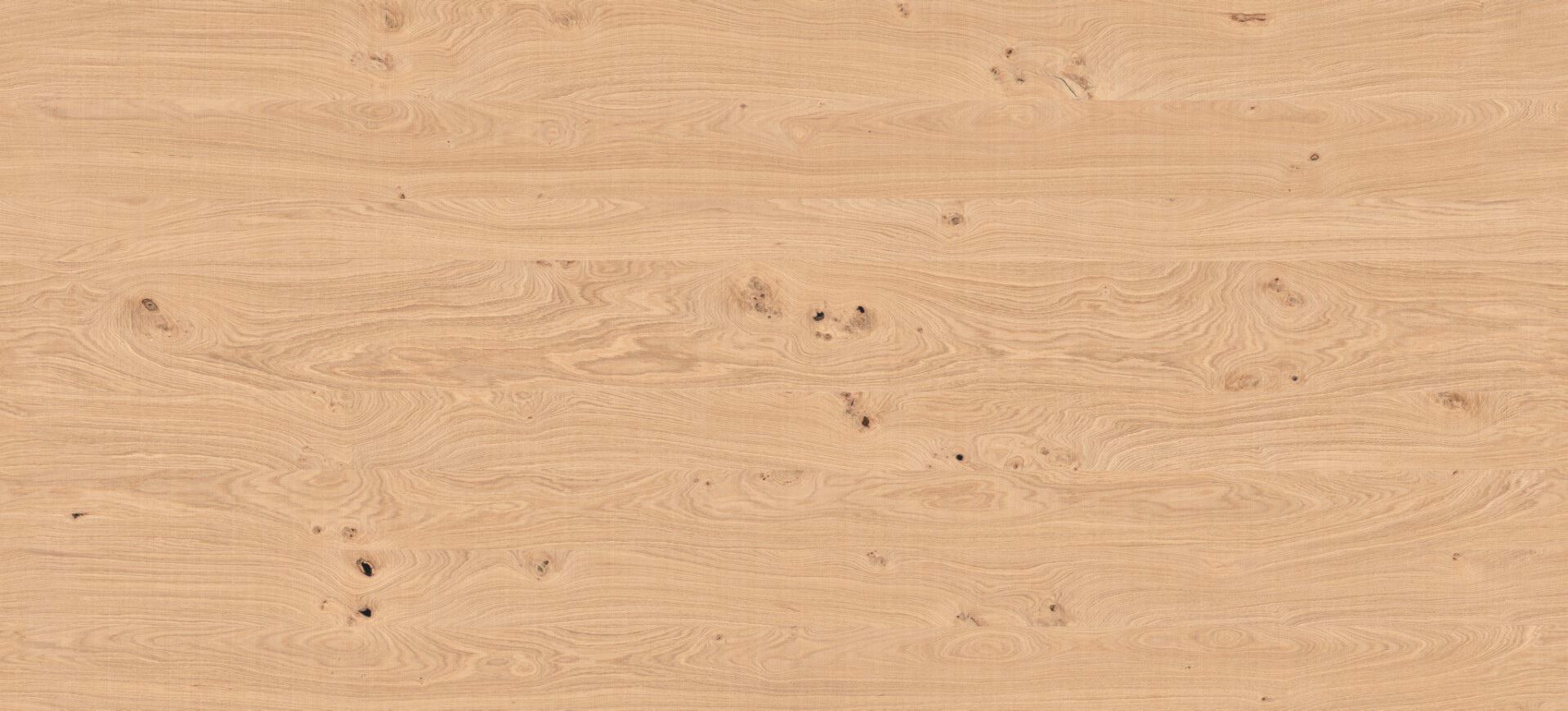
Warm, natural look preferred? Choose wood or oak.

Table for outdoor use too? Choose a ceramic outdoor table. Maximum durability and minimal maintenance? Choose granite.

Ceramic dining table: the hardest table top you can buy

A ceramic table top is extremely scratch-resistant. Knives, keys and dinnerware leave no marks. Even cutting directly on the surface — which we do not recommend — will not leave scratches. This makes ceramic particularly suited for families with children who craft, colour or do homework at the dining table.

Standard top thickness is 12 mm. Despite this slim profile, the material is remarkably strong. Ceramic is fired at very high temperatures and resists all common household cleaners, red wine, coffee, oil and acids; stains leave no marks.

Besides scratch resistance, ceramic is also heat-resistant. You can place a hot pan straight from the hob on the table, without a trivet. The top does not discolour and no rings appear. Water absorption is less than 0.1%, meaning liquids like red wine, coffee or lemon juice leave no stains.

Ceramic has a very low porosity. This means bacteria and mould cannot settle into the surface. A damp cloth is enough to keep the top clean. No special maintenance or oil treatment is needed, unlike wooden tables that need regular oiling.

Ceramic or wood? Choosing based on your situation

The choice between ceramic and wood depends on how you use your dining table. Both materials have strong points, but for different situations. Below are the key differences.

Ceramic is the better choice if you want to spend minimal time on maintenance. A wooden top needs regular oiling and is sensitive to rings from hot cups or wet glasses. Ceramic does not have this problem. If you frequently entertain guests or if your table sees heavy use, ceramic is the safer option.

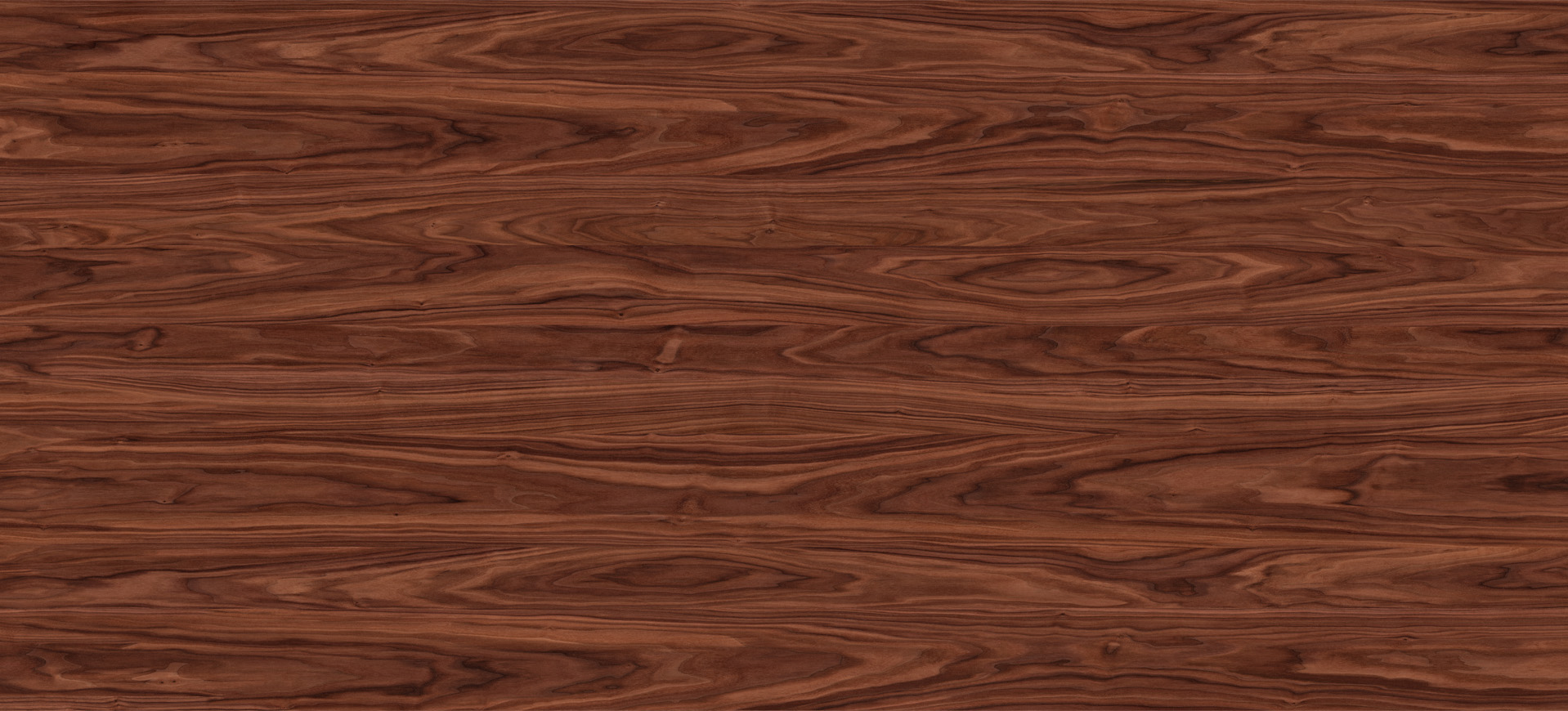
Wood is a better fit if you value a warm, organic appearance over ease of maintenance. Solid oak or walnut creates a homely atmosphere that ceramic cannot match. With normal use and proper care, a wooden table also lasts decades.

Tip when undecided

Unsure between ceramic and wood? Order material samples of both. See the difference in colour, texture and appearance in your own interior.

Ceramic dining table comparison: materials side by side

The table below compares the three most popular table top materials on the properties that matter most in daily use.

PropertyCeramicWood (oak)Granite
Scratch resistanceVery highLowModerate
Heat resistanceHot pan directly on tableTrivet requiredTrivet required
Water absorption<0.1%Absorbs moisture0.2-0.5%
MaintenanceDamp clothRegular oilingAnnual sealing
UV-resistantYesNo, discoloursYes
Frost-proofYes (EN ISO 10545-12)NoYes
Weight (12 mm)LightMediumHeavy
Suitable outdoorsYesLimitedYes

Ceramic scores highest on most practical properties. Granite comes close in hardness but is heavier and requires more maintenance. Wood wins on appearance and warmth. Your choice depends on what matters most: practical ease or natural ambiance.

Shapes and dimensions for your ceramic dining table

Ceramic table tops are available in five shapes: rectangular, oval, Danish oval, round and Racetrack. Each shape has specific advantages depending on your space and dining habits.

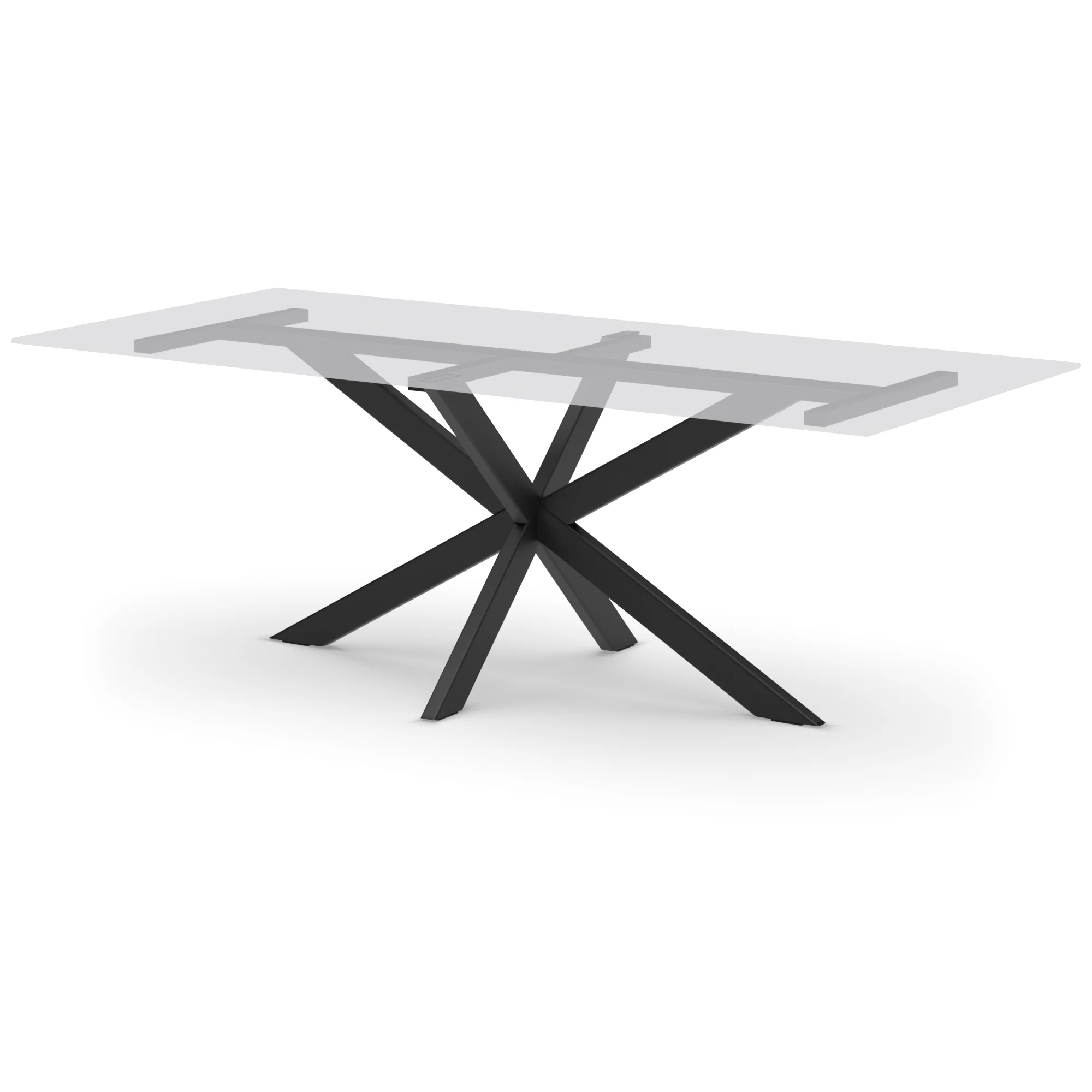
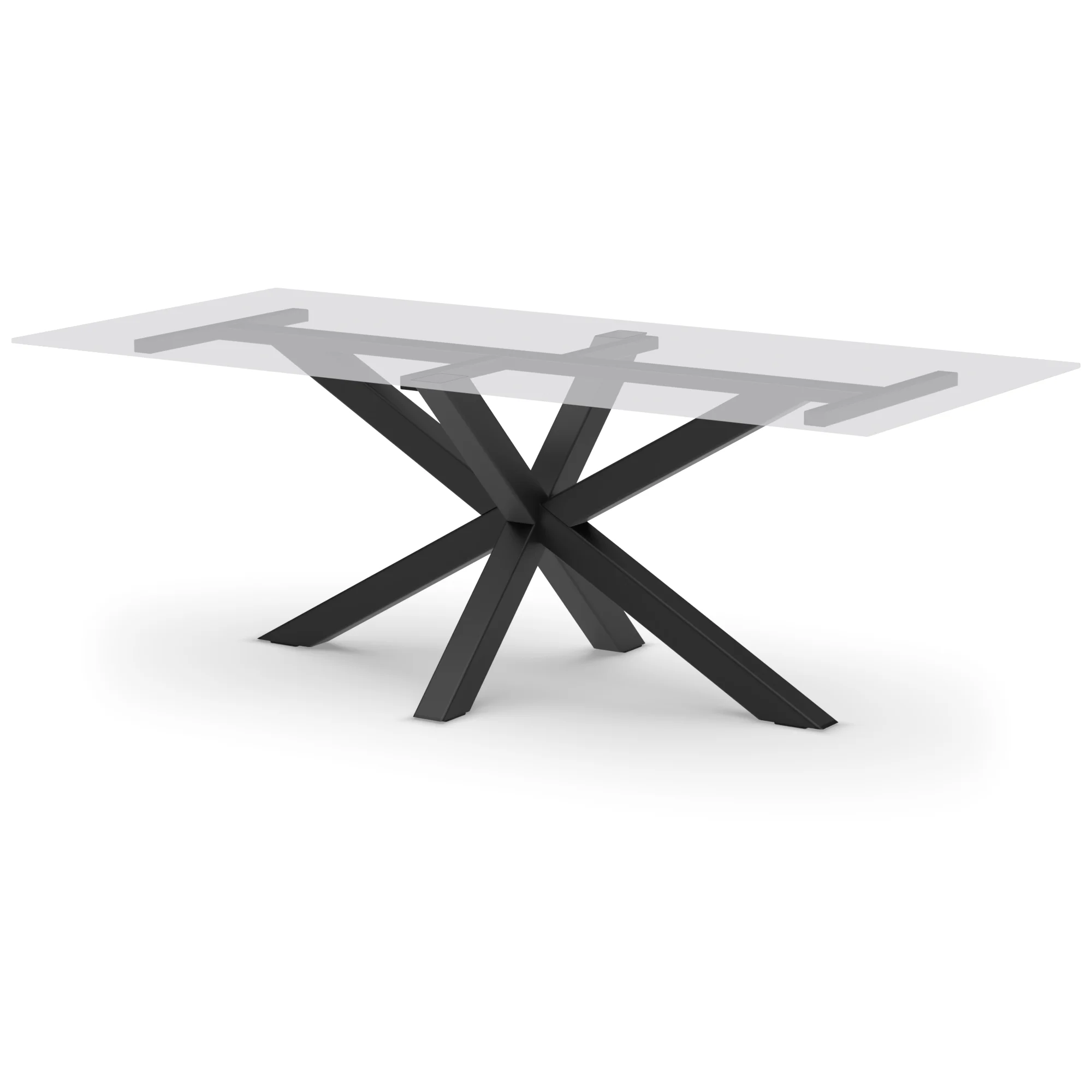
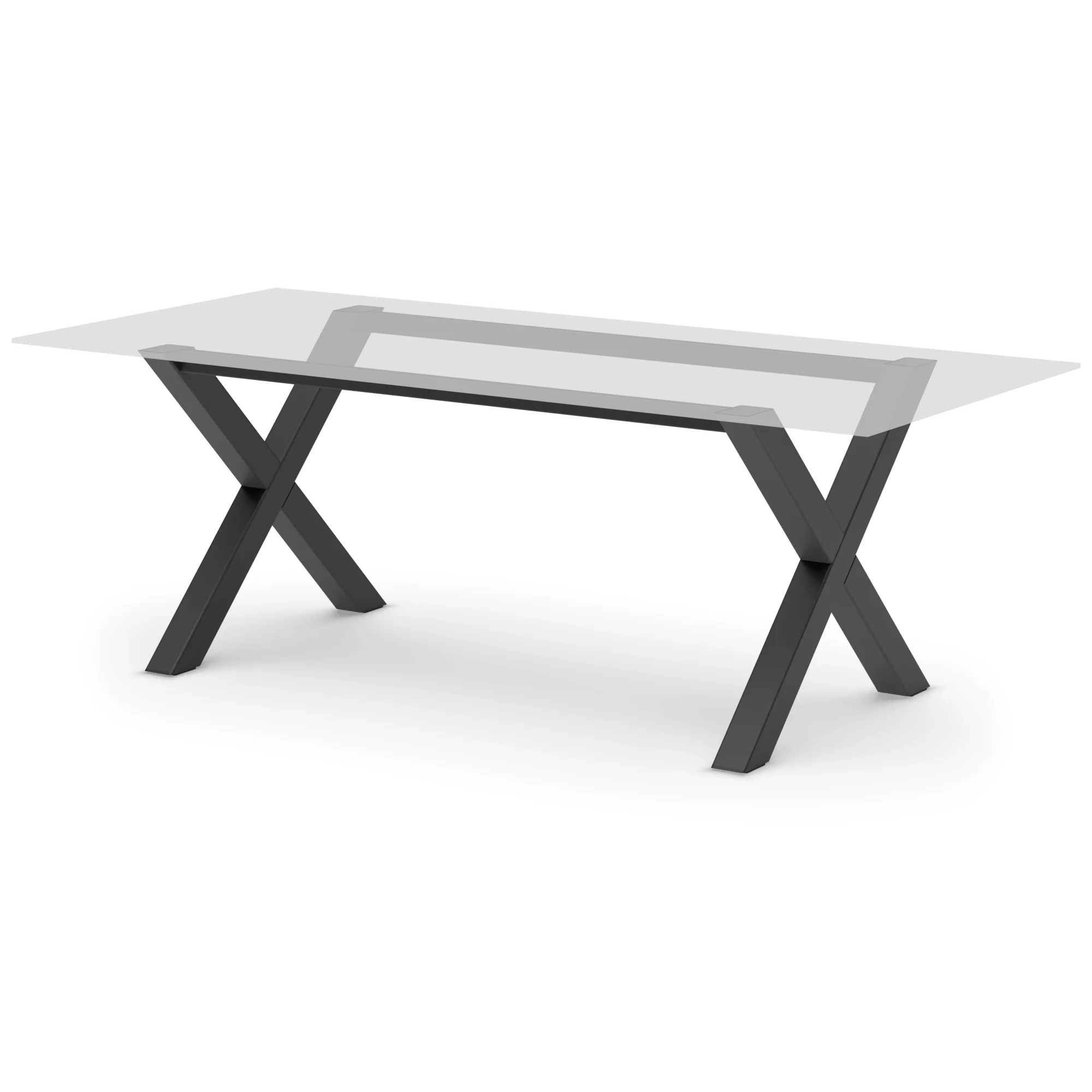
Rectangular is the most popular shape. Ideal for longer rooms and larger gatherings. A rectangular ceramic dining table offers the most seats per square metre. At a width of 100 cm, three chairs fit per long side. Maximum top size: 3200 x 1600 mm.

Oval combines the capacity of a rectangular table with a softer line. Without sharp corners, you walk around the table more easily. A good choice if you frequently have extra guests, as oval is more flexible for adding chairs.

Danish oval has straight long sides and rounded short ends. This shape gives a cleaner look than a fully oval table, but is equally safe for children due to the absence of sharp corners. Popular in modern interiors.

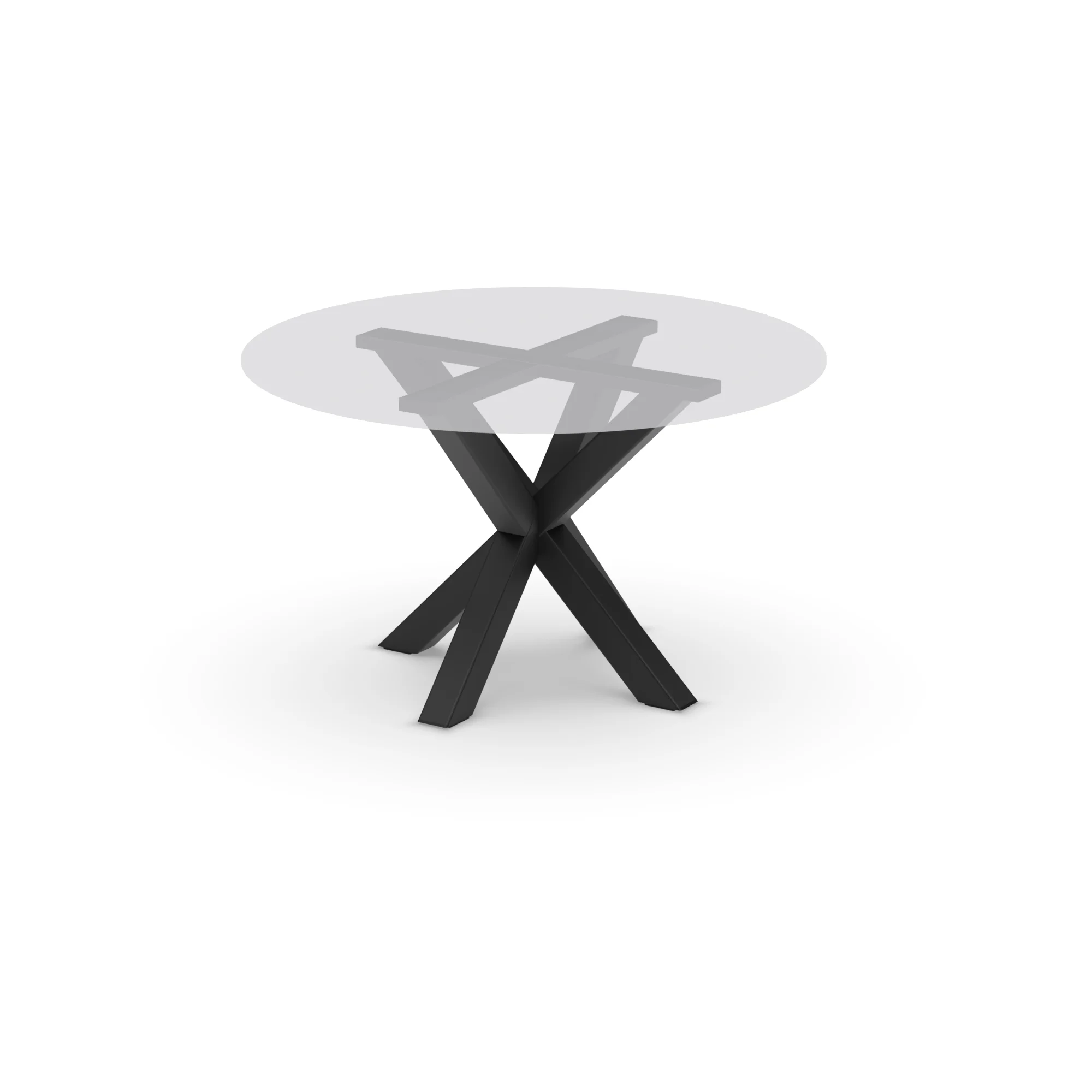
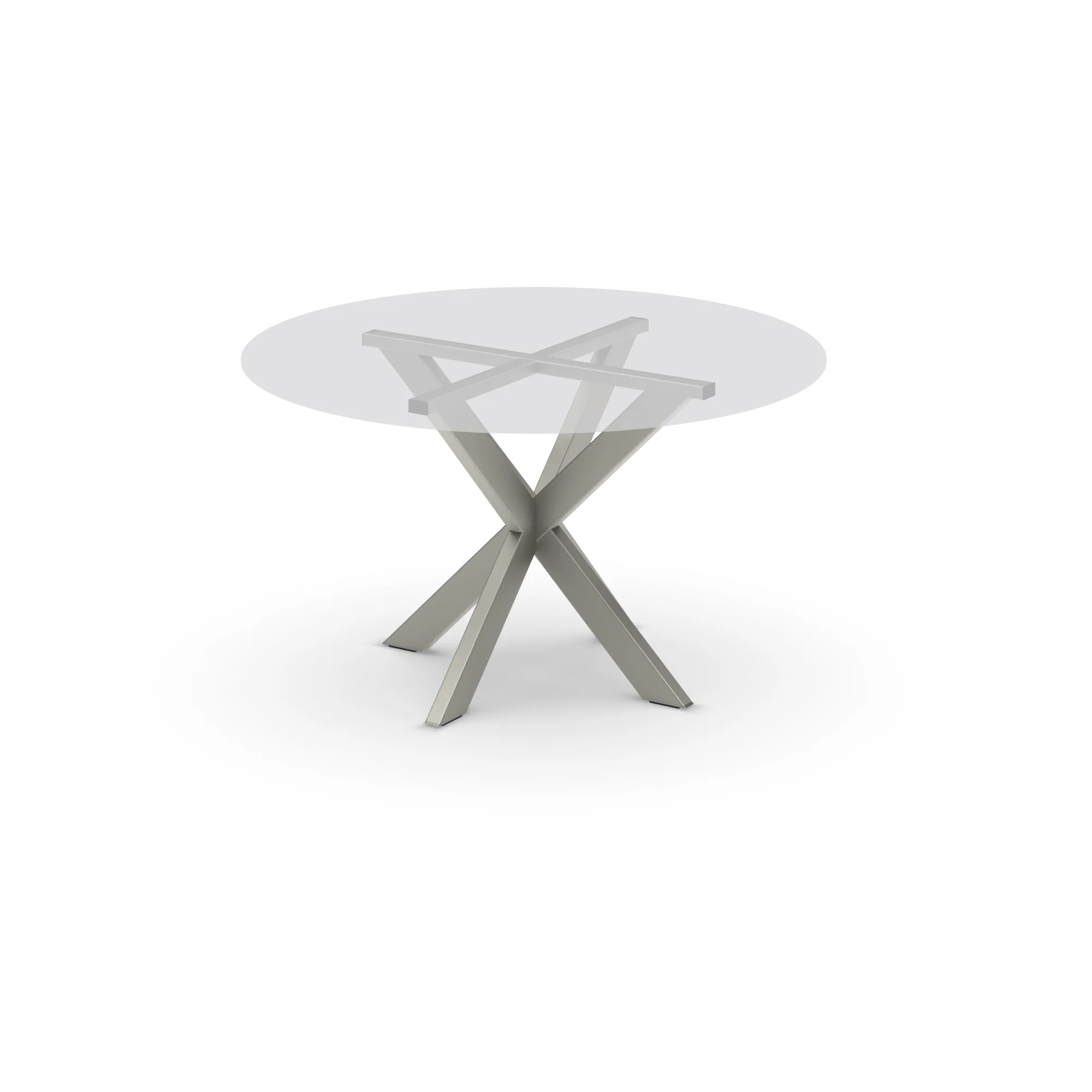
Round is the best choice for smaller spaces or when four to six people sit at the table. Everyone sits at equal distance, which encourages conversation. A round dining table also works well in an open kitchen as a centrepiece.

Racetrack is an elongated top with two rounded short ends and straight long sides. It stands freely in the room and has no sharp corners.

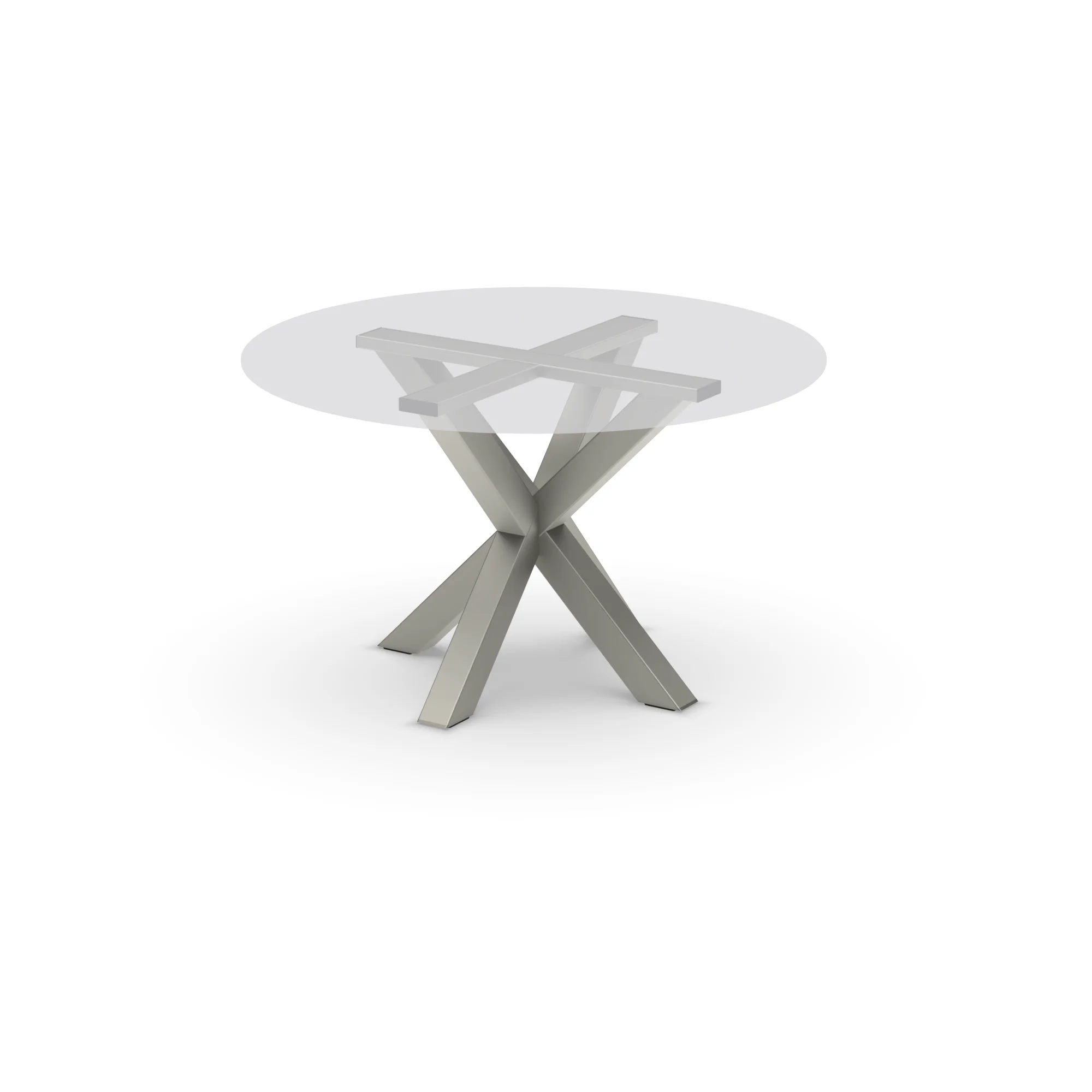
Choosing a base: steel or stainless steel

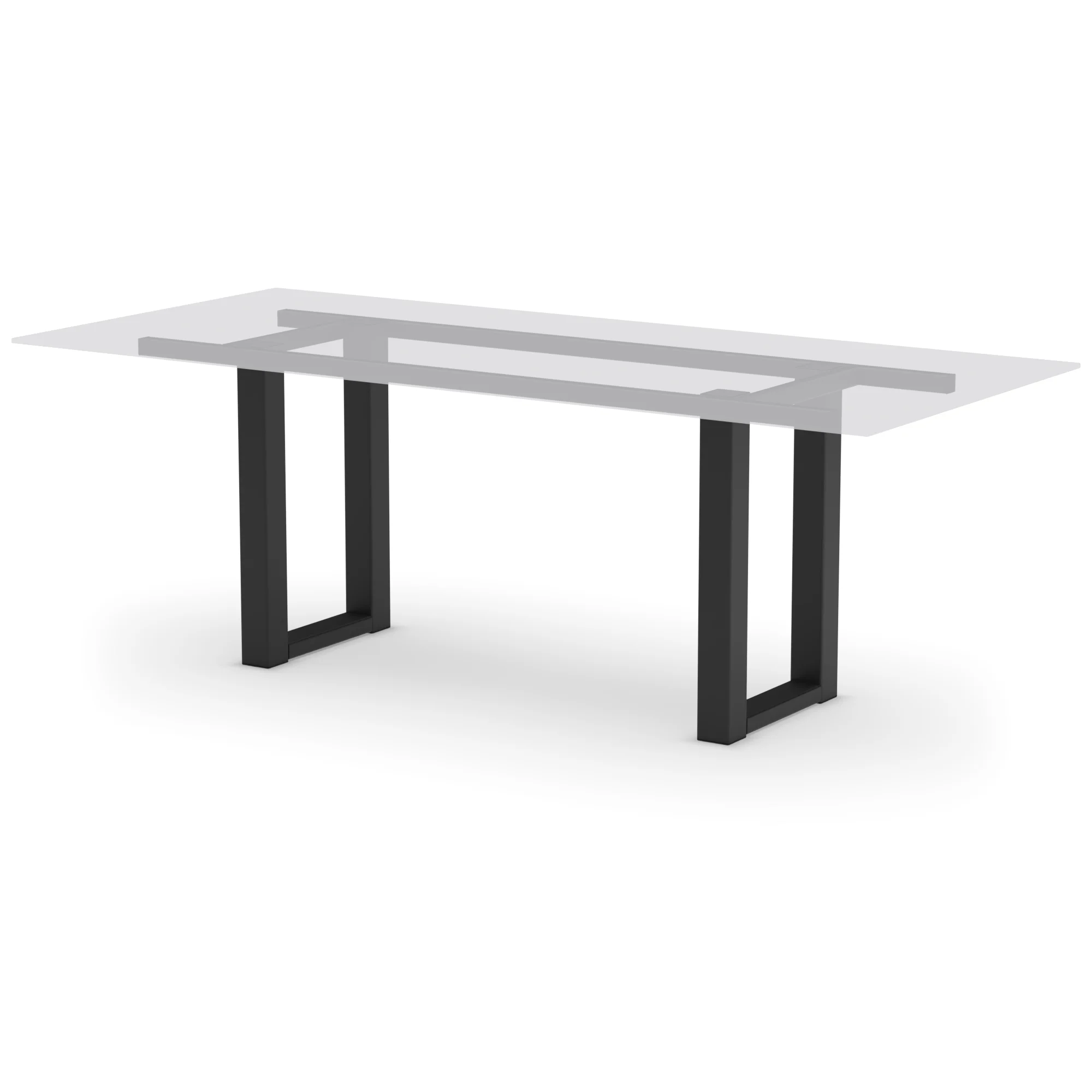
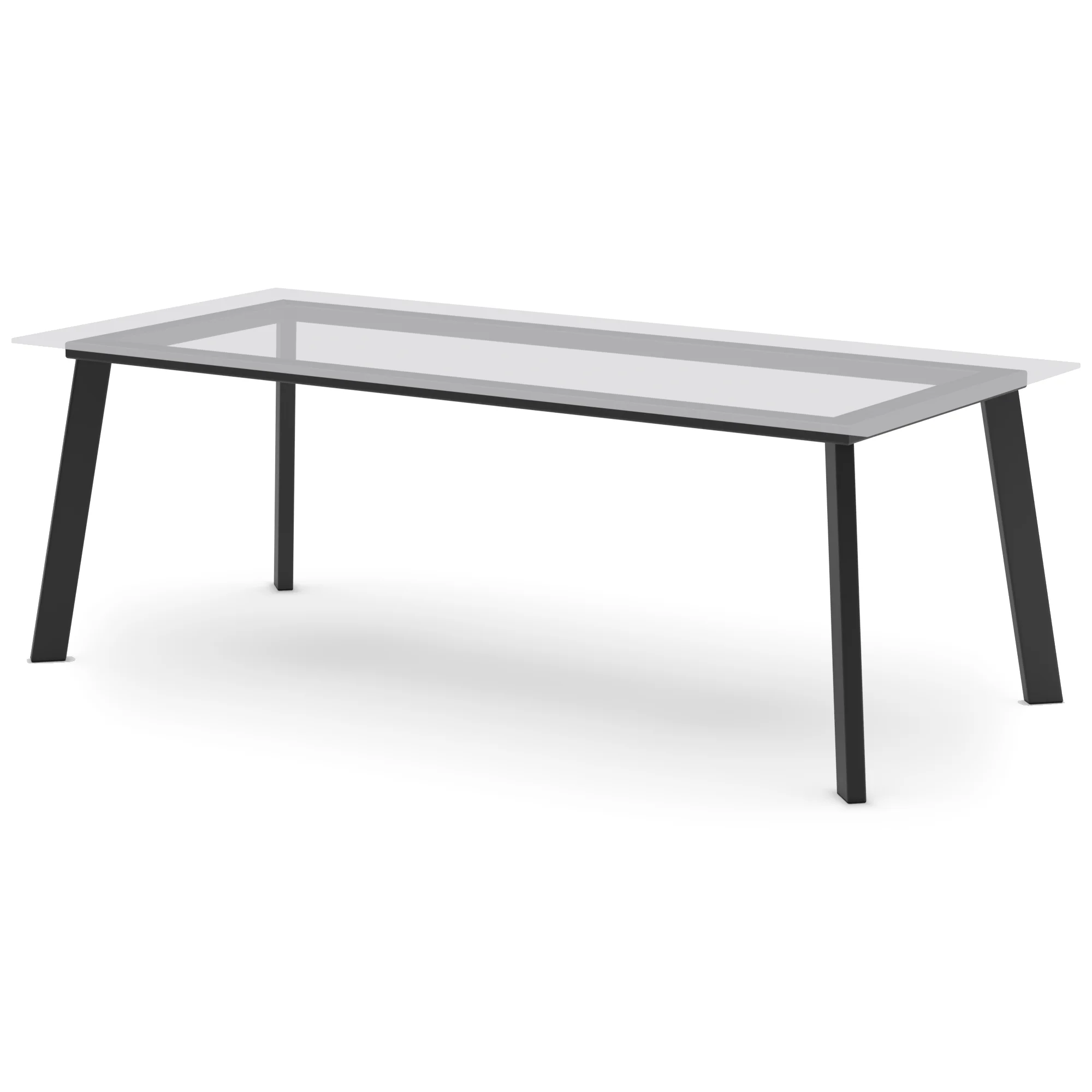
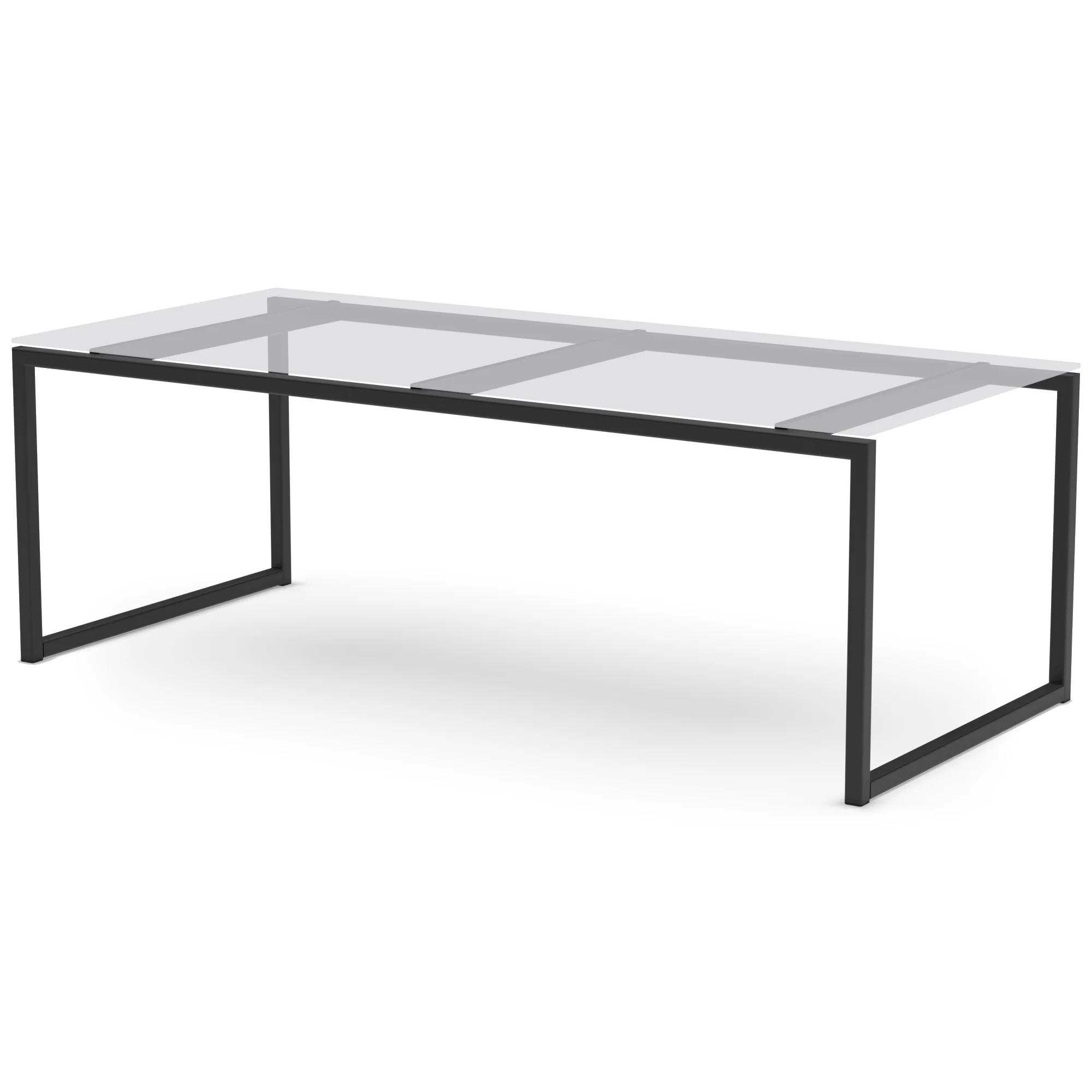
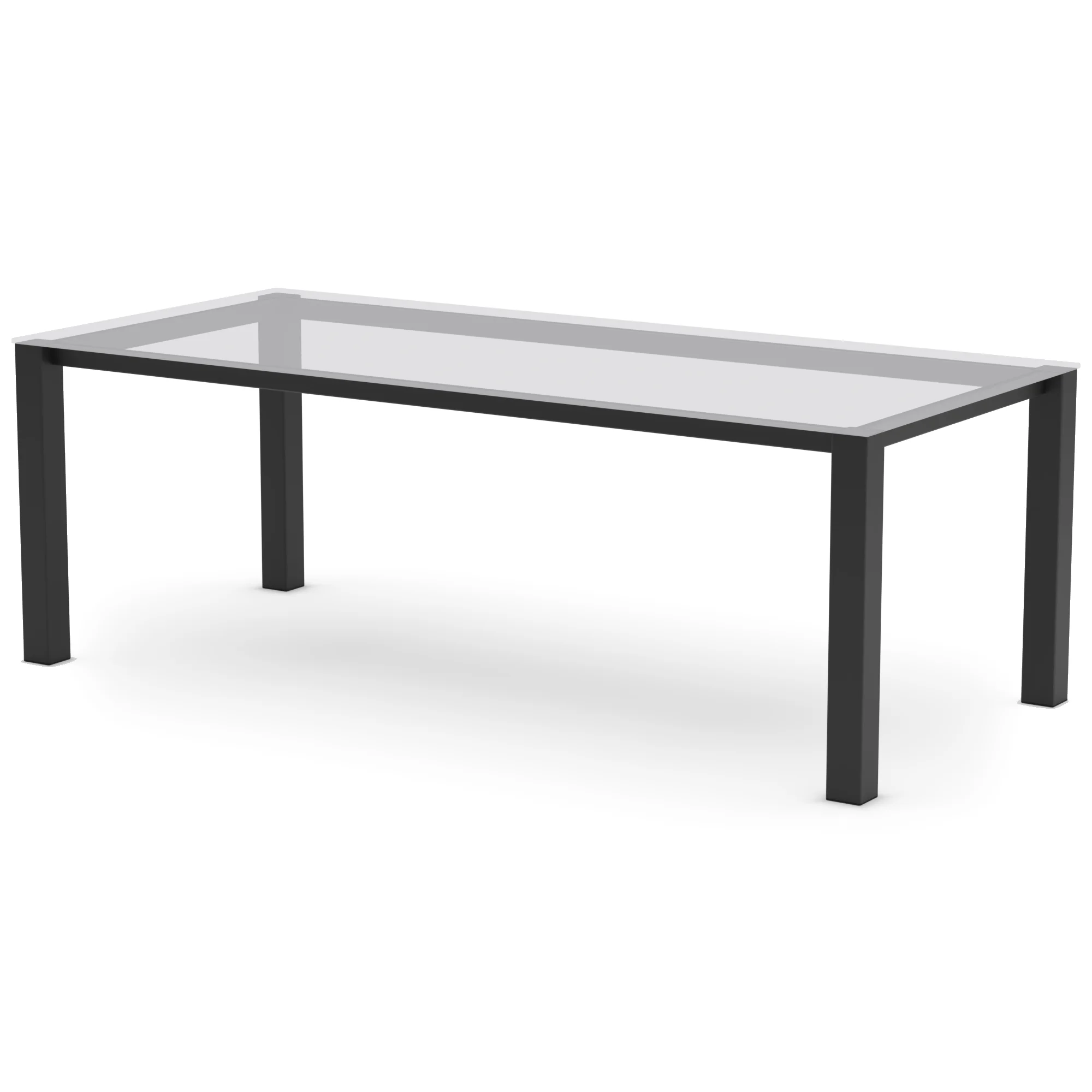
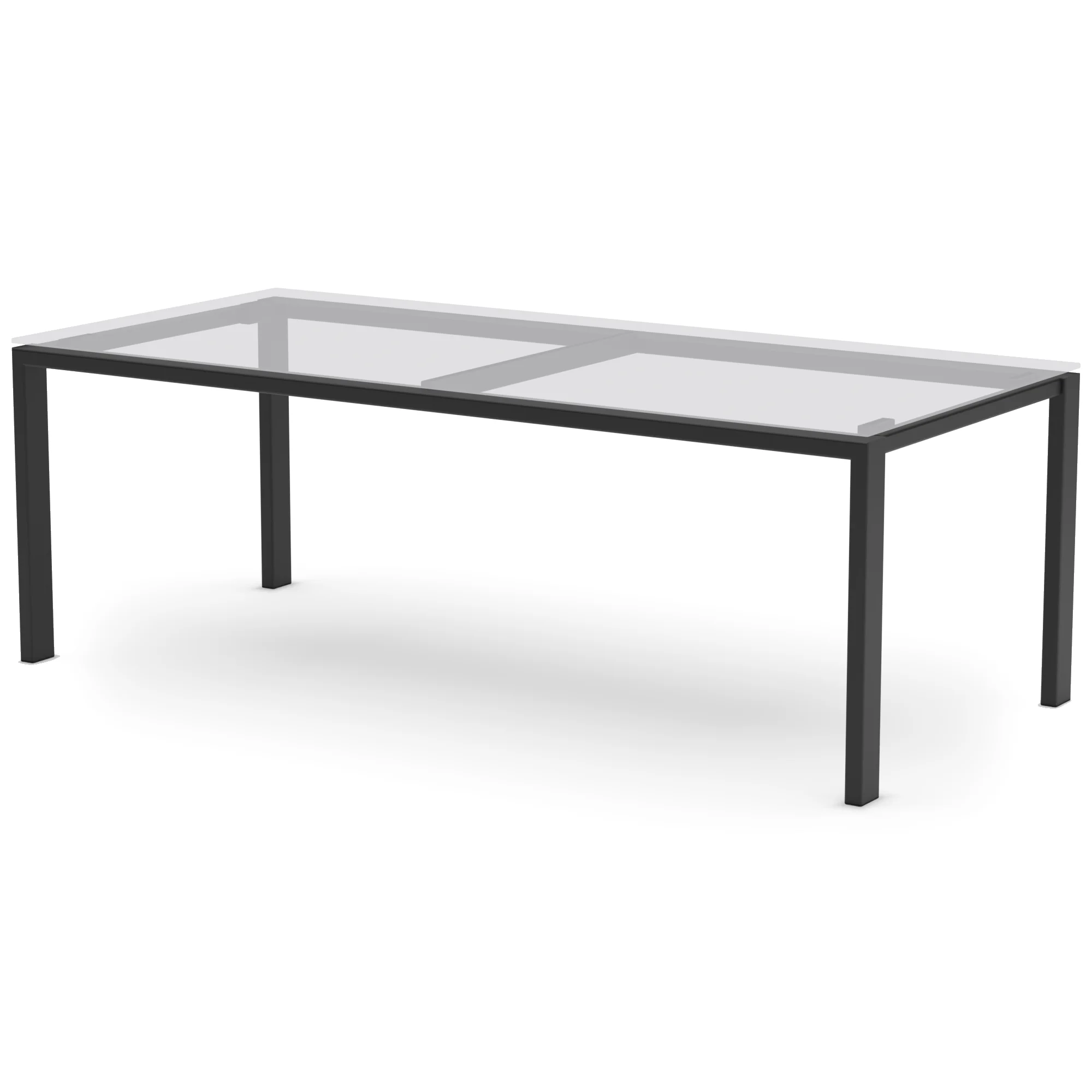
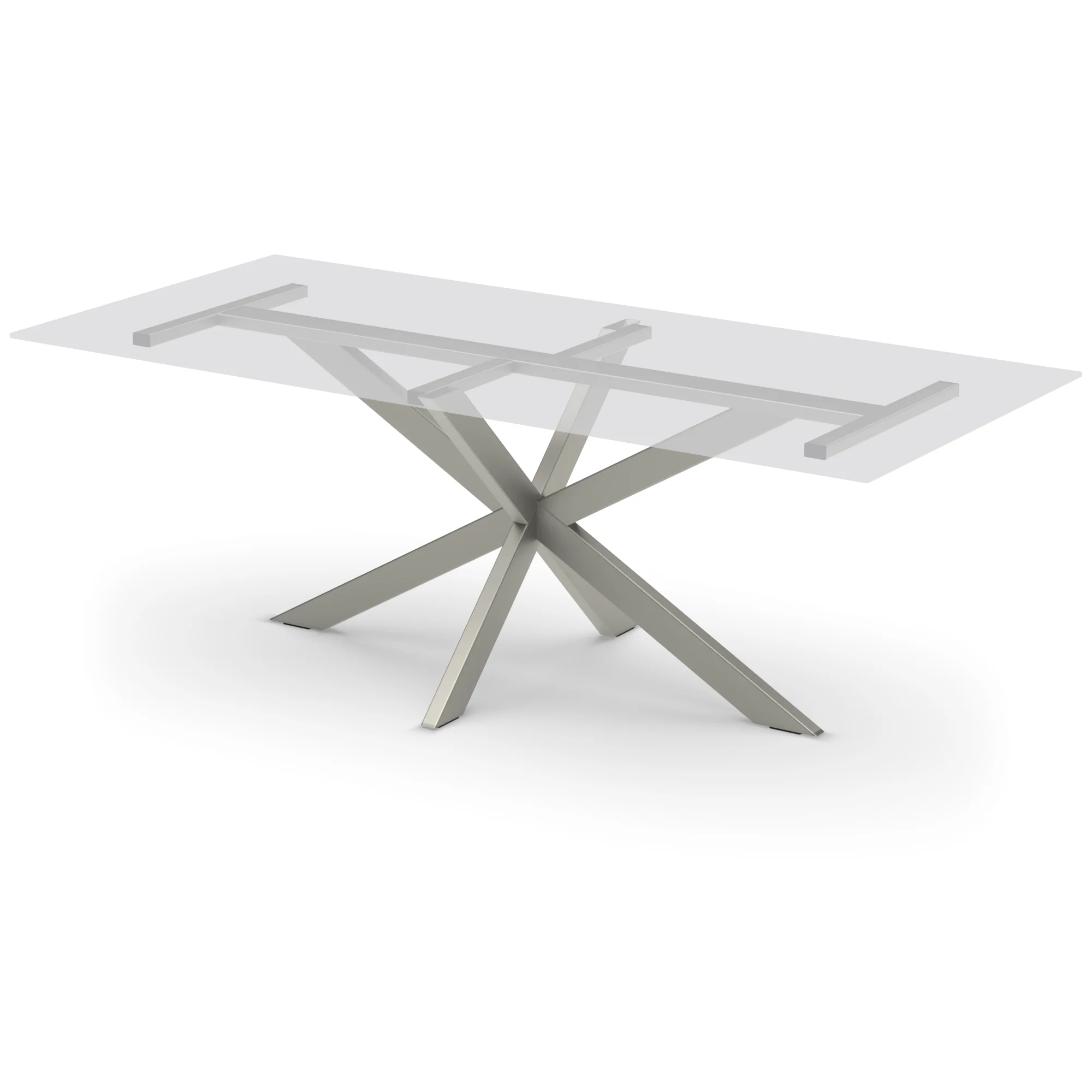
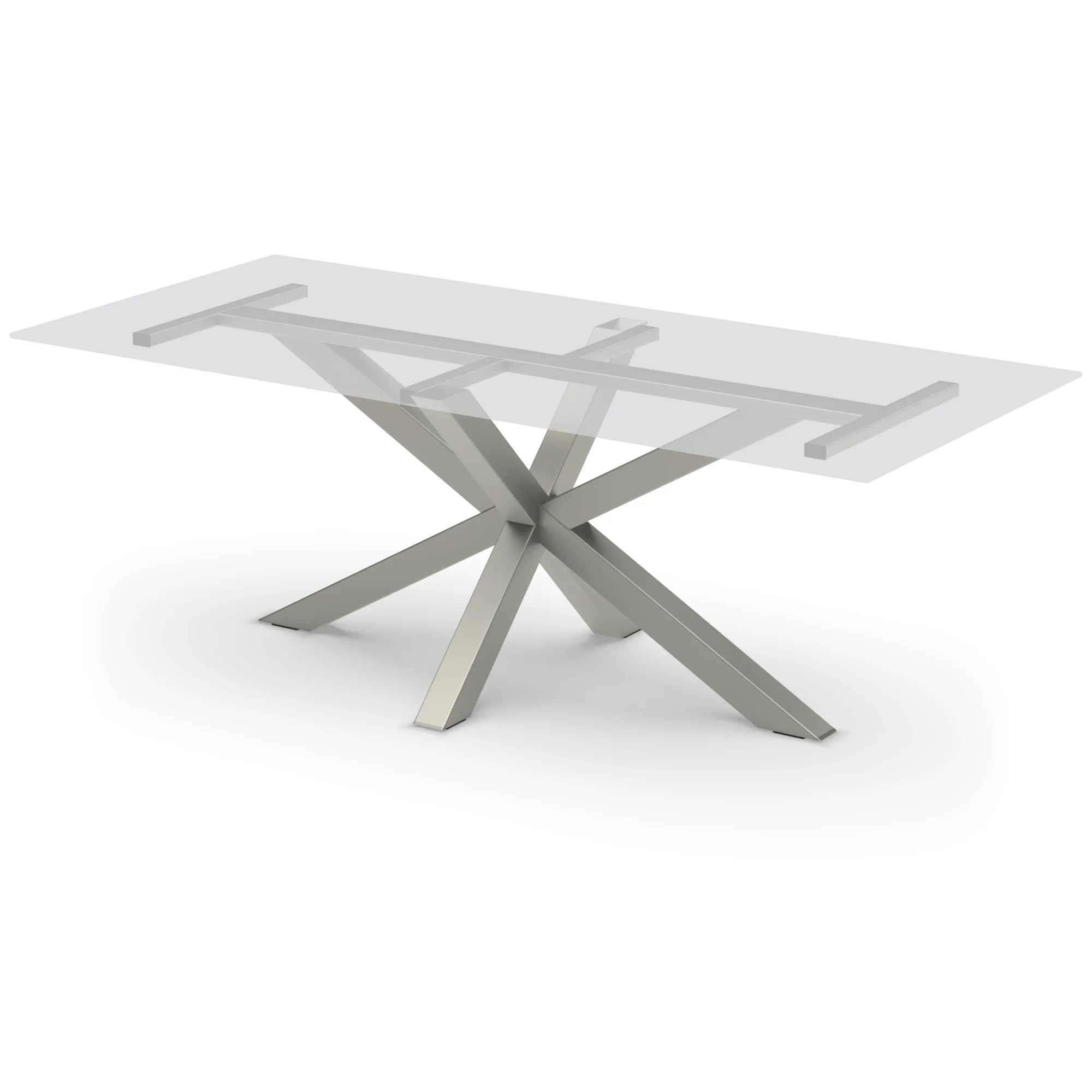
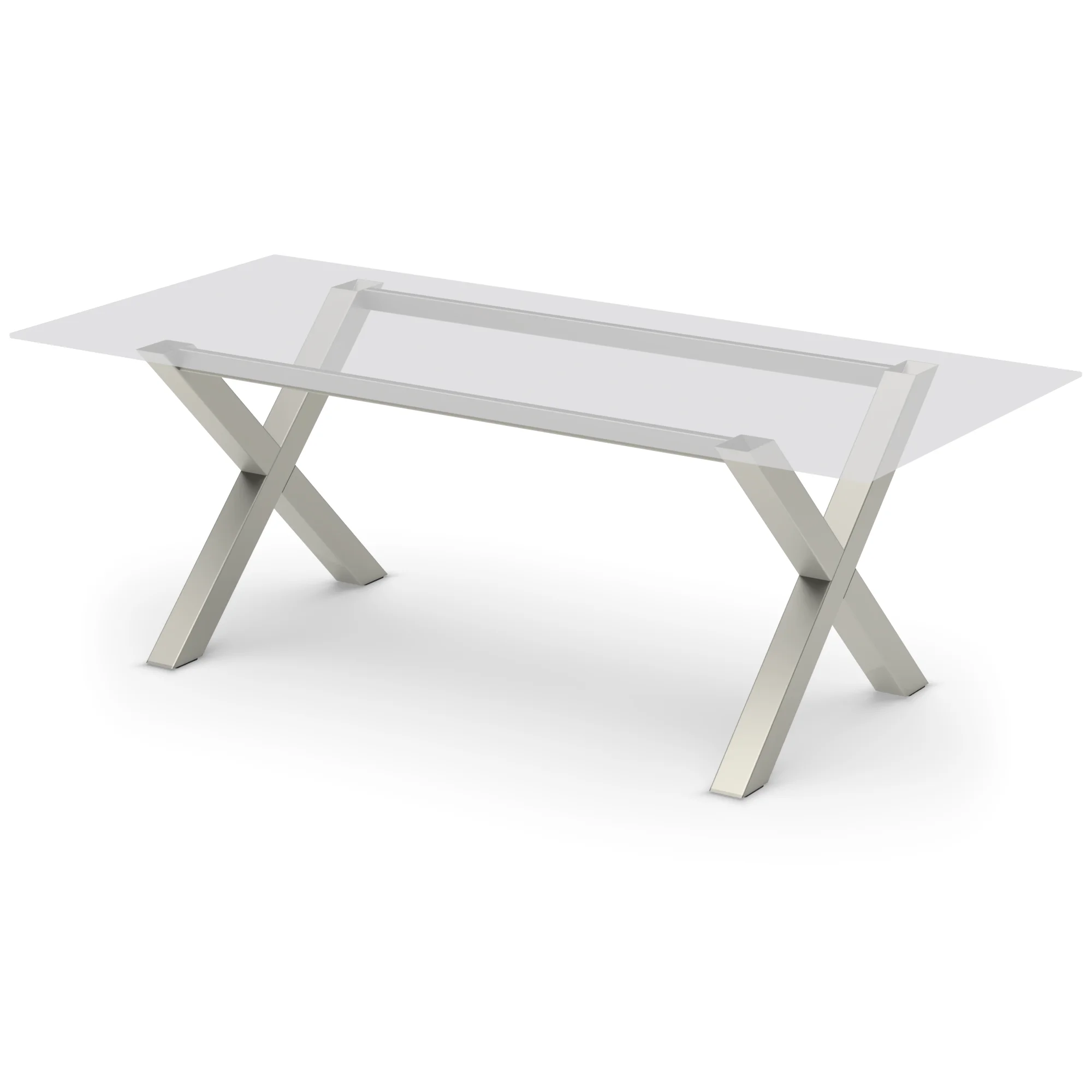
With every ceramic dining table, you choose a base that matches your interior. Two materials are available: powder-coated steel and brushed stainless steel.

Steel bases come in 10 RAL colours thanks to powder coating. From matt black and white to warmer tones: you match the base to your interior. Powder coating is scratch-resistant and durable. See all options on the steel table bases page.

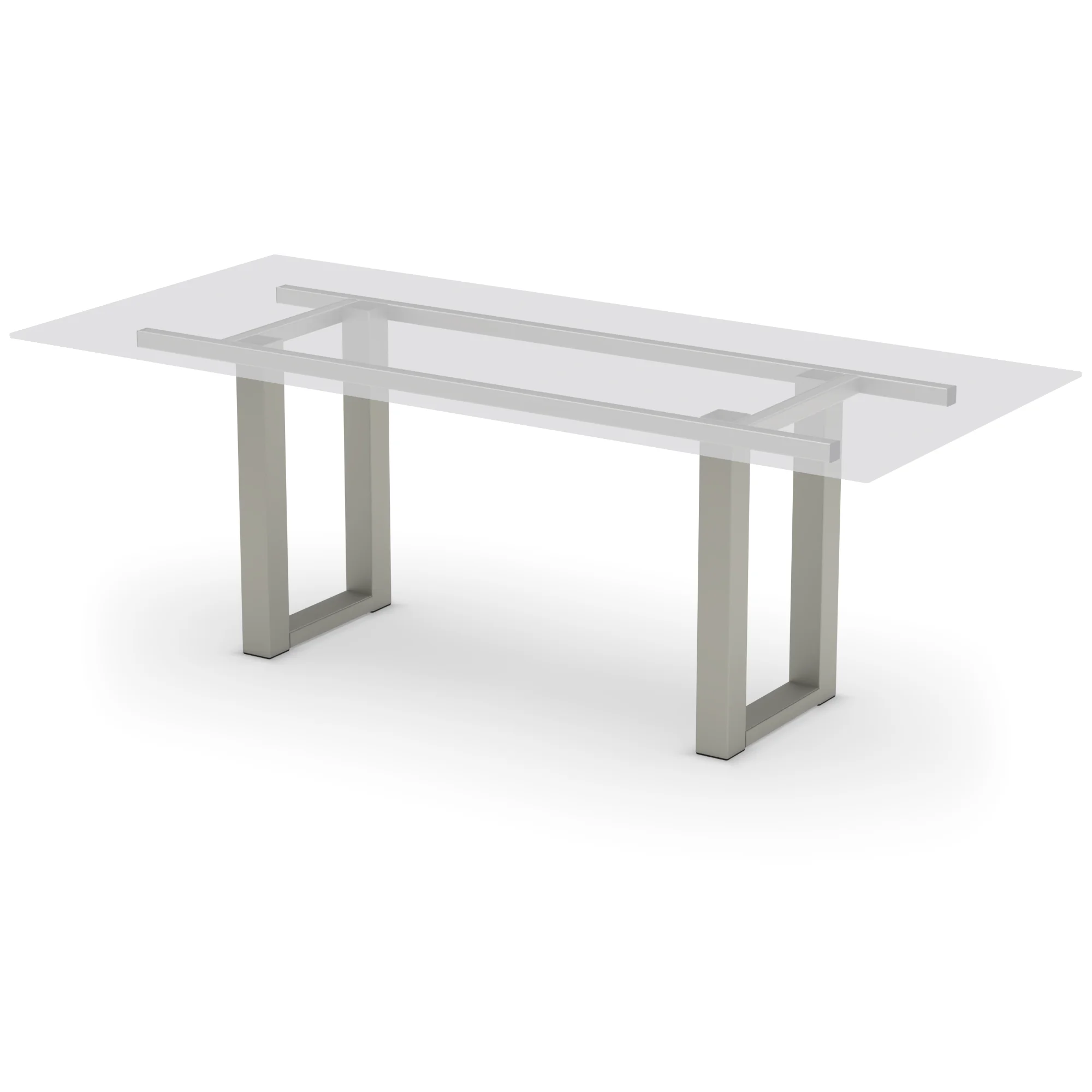
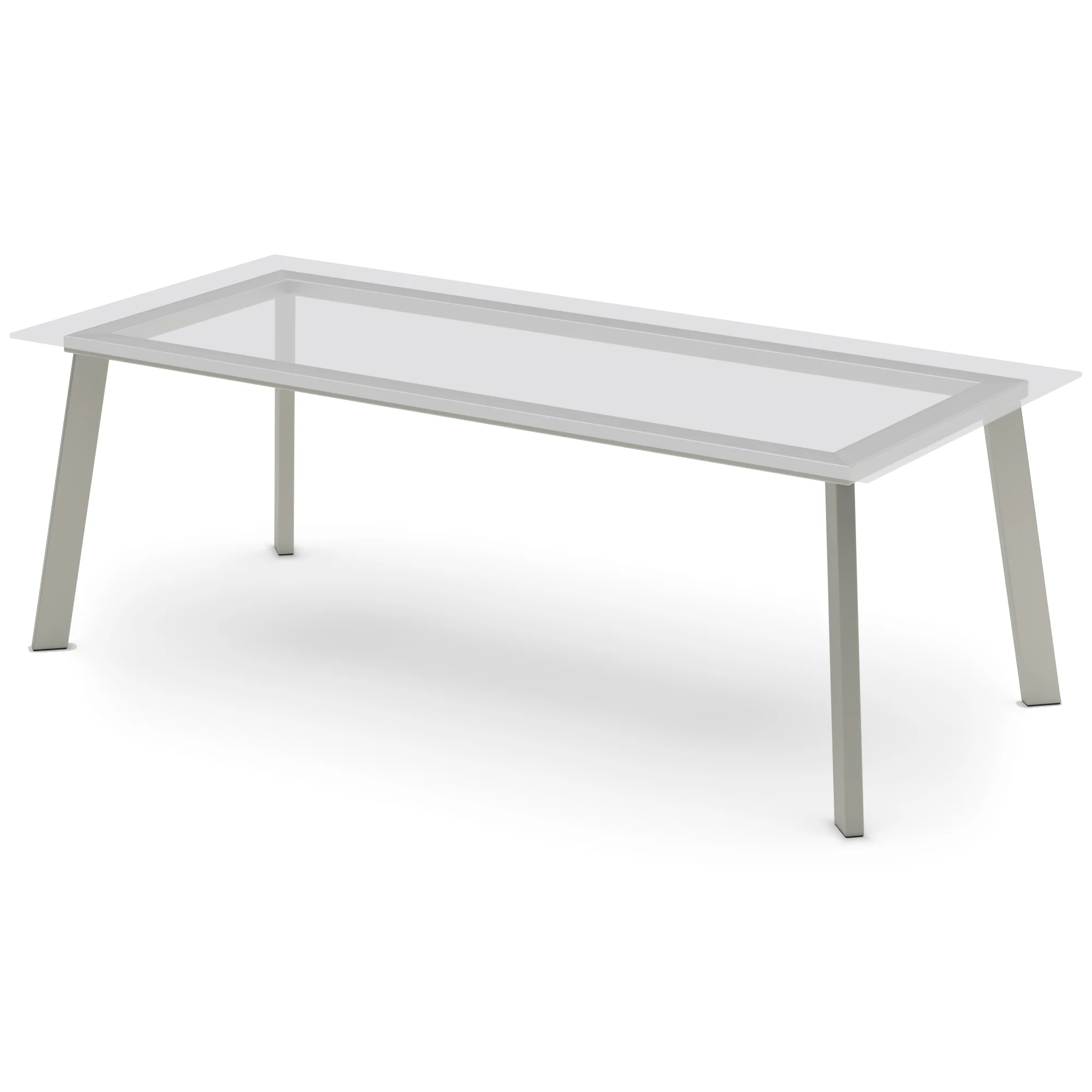
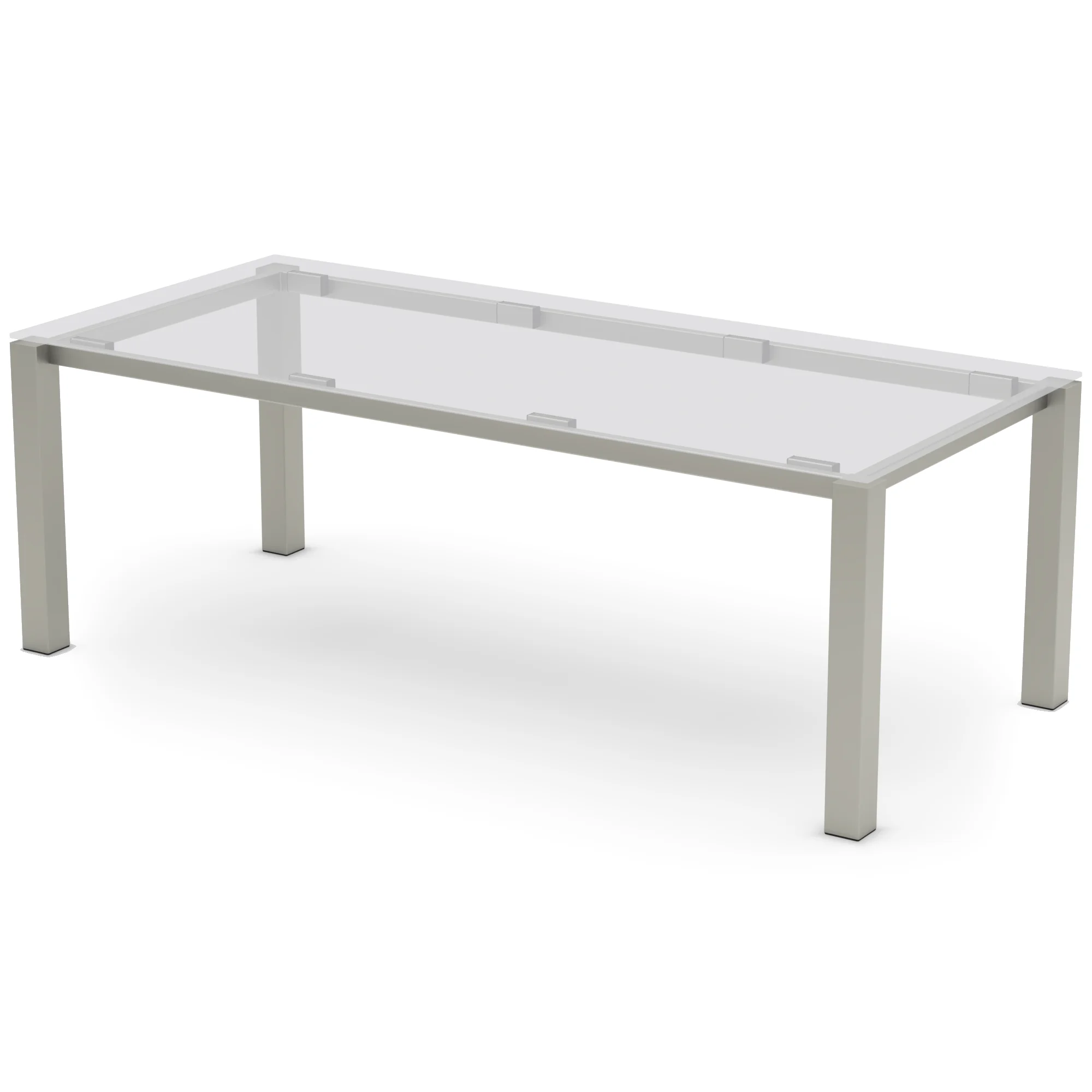
Stainless steel bases have a brushed finish that delivers a luxurious, industrial look. Stainless steel is naturally rust-free and retains its shine without maintenance. A brushed stainless steel base pairs well with lighter ceramic colours. See options at stainless steel table bases.

Base for ceramic

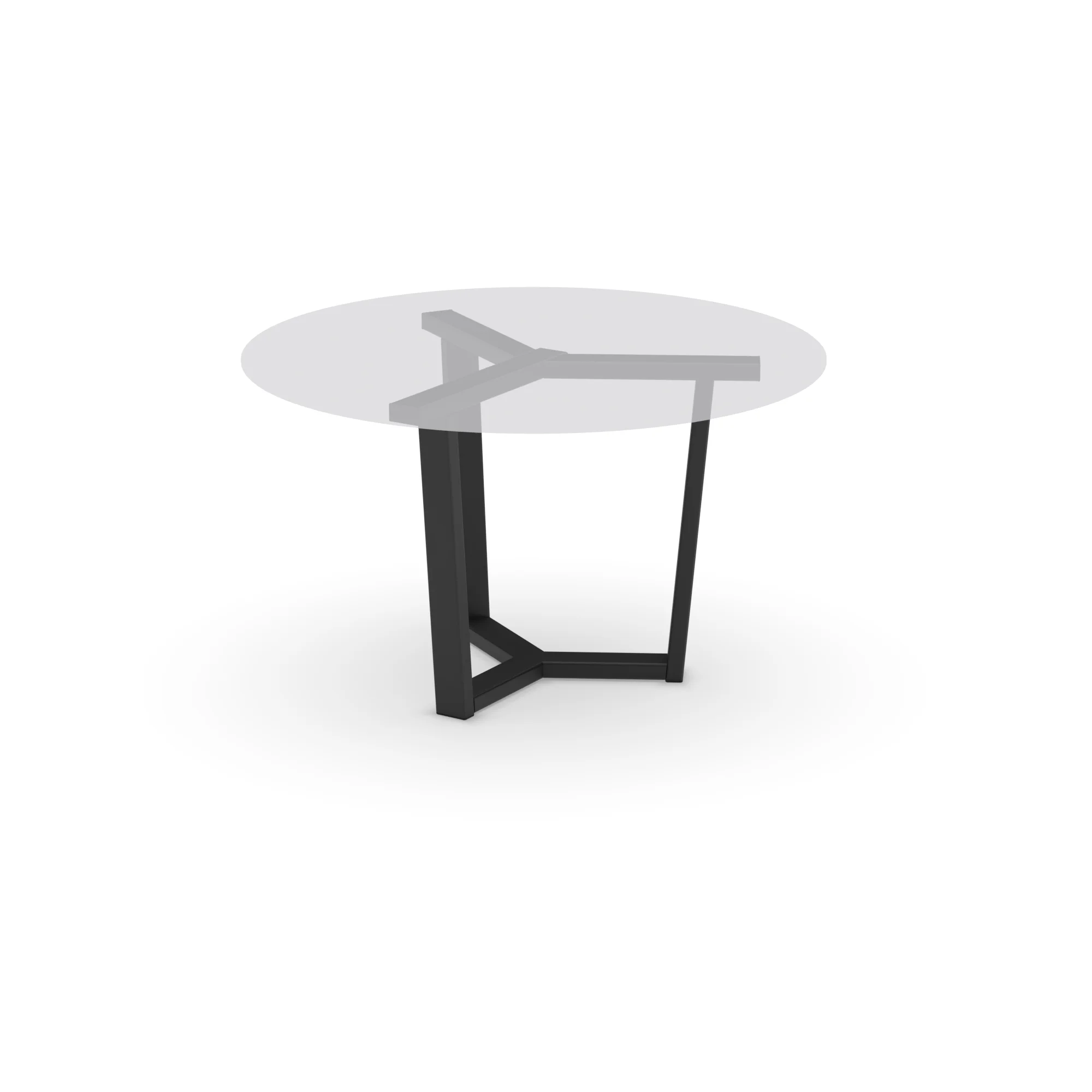
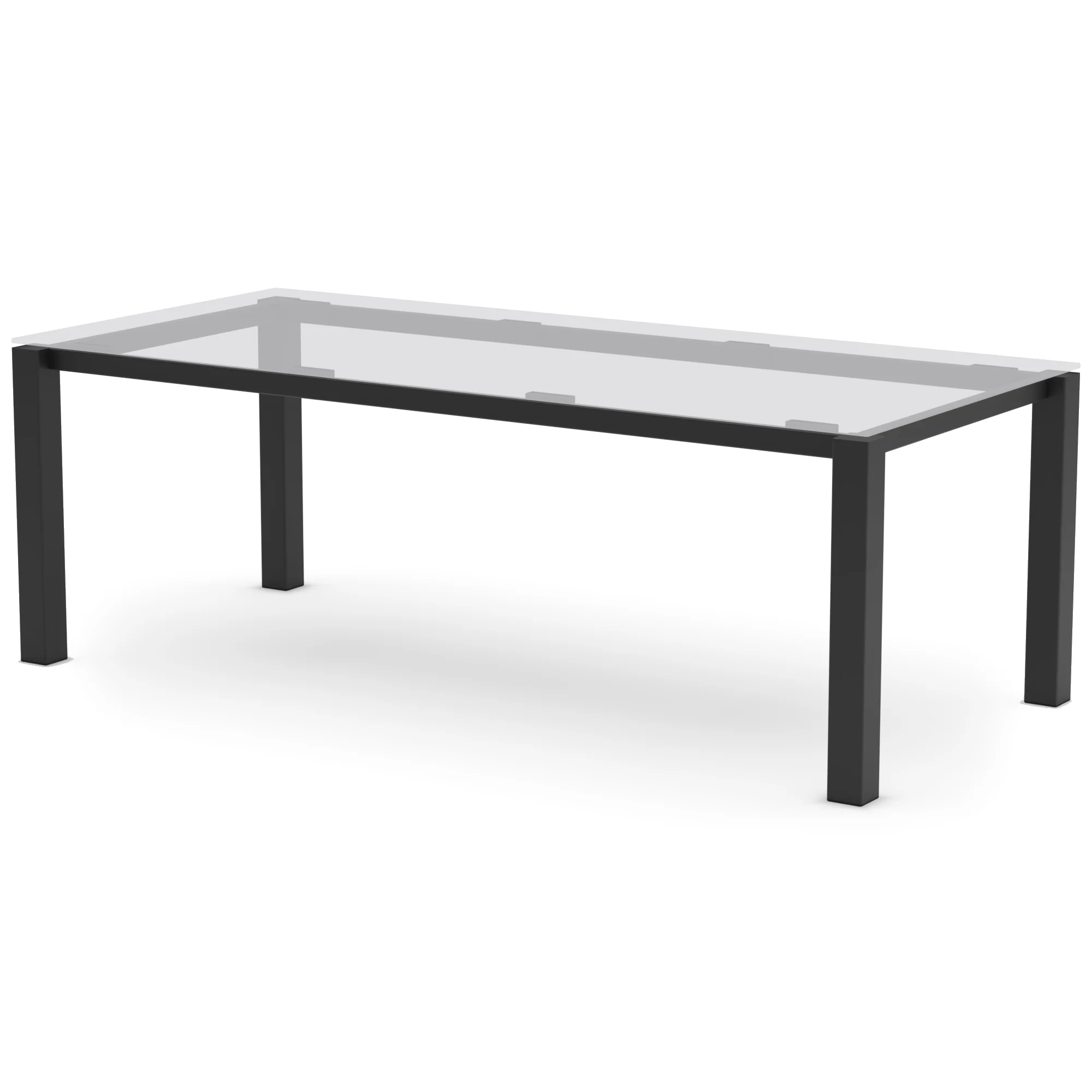
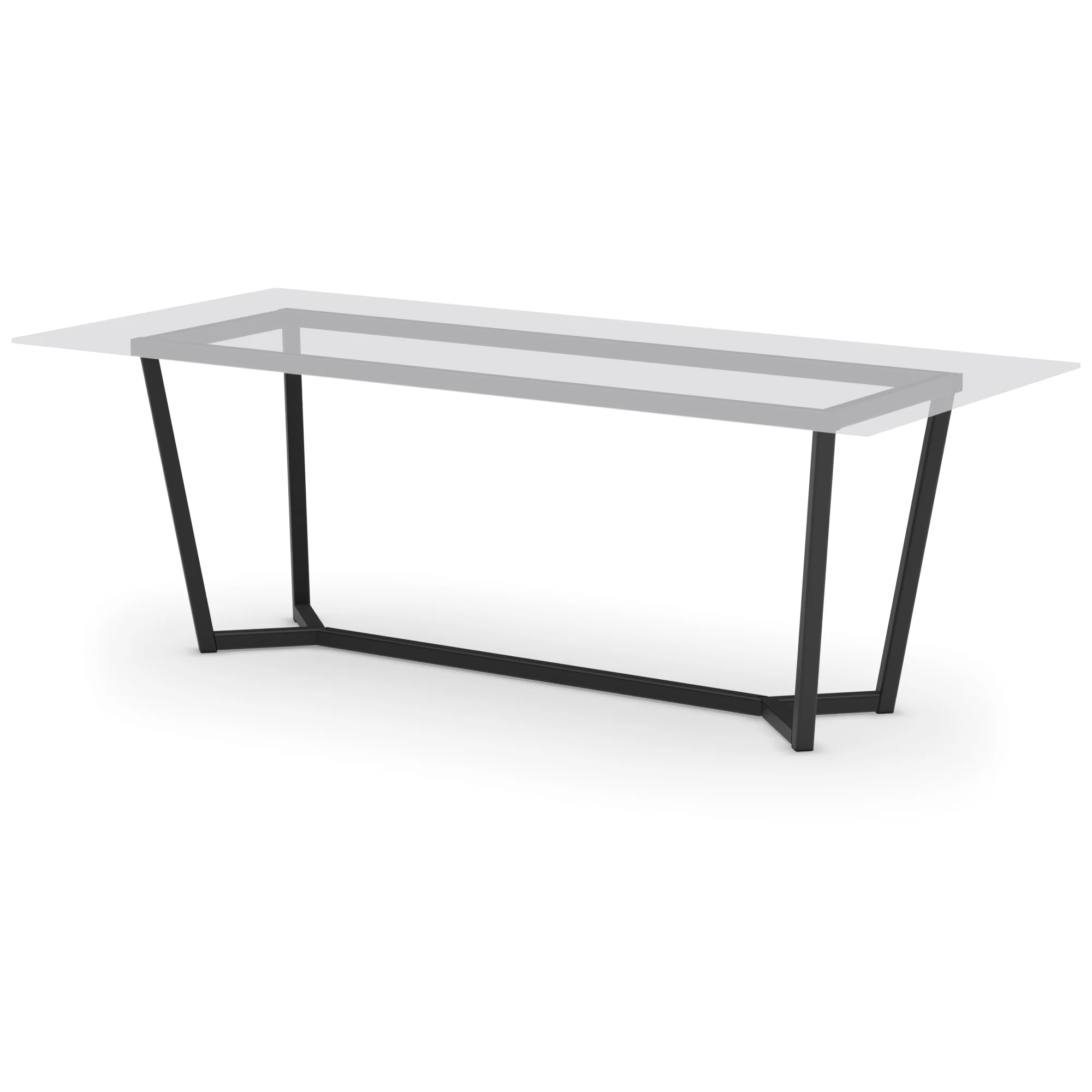
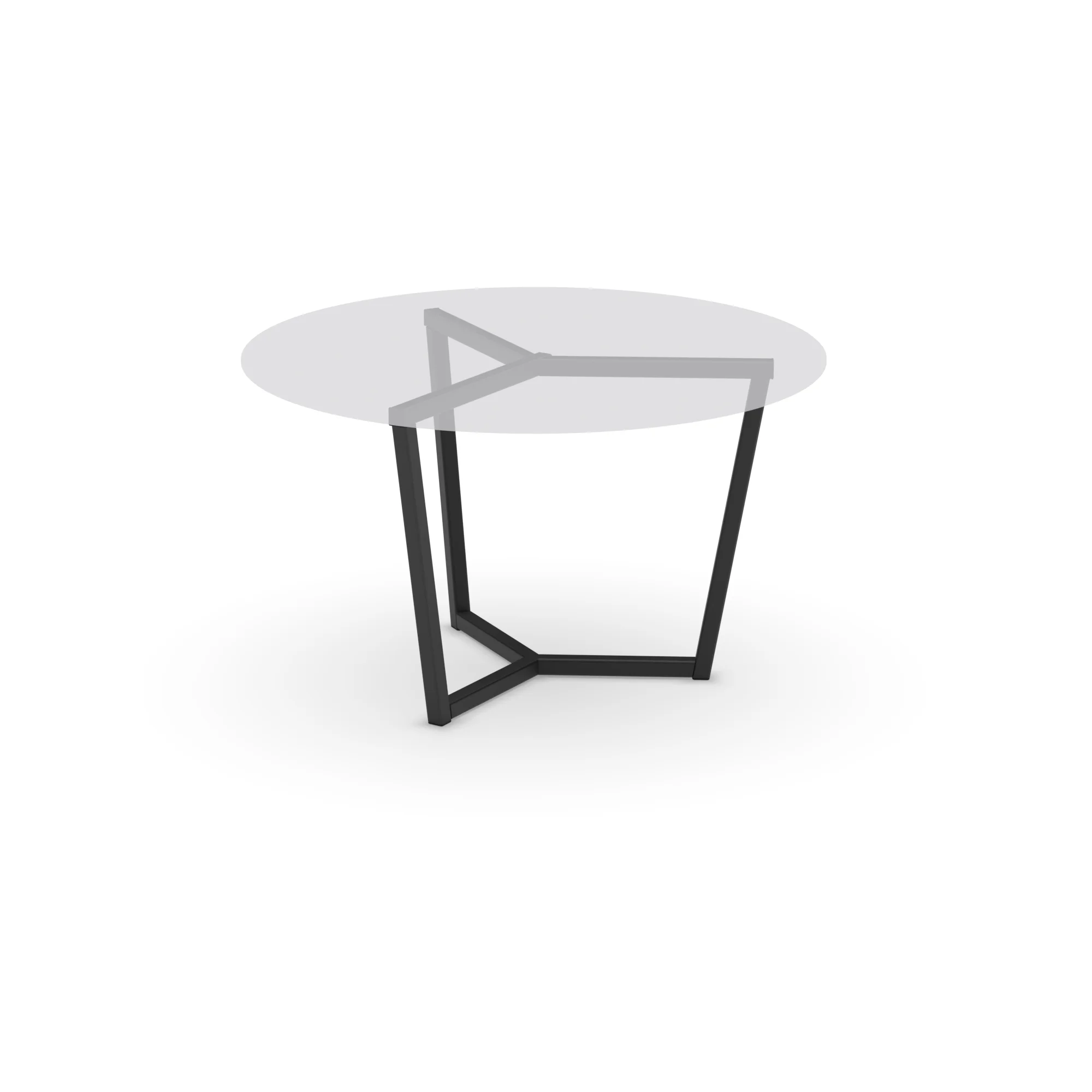
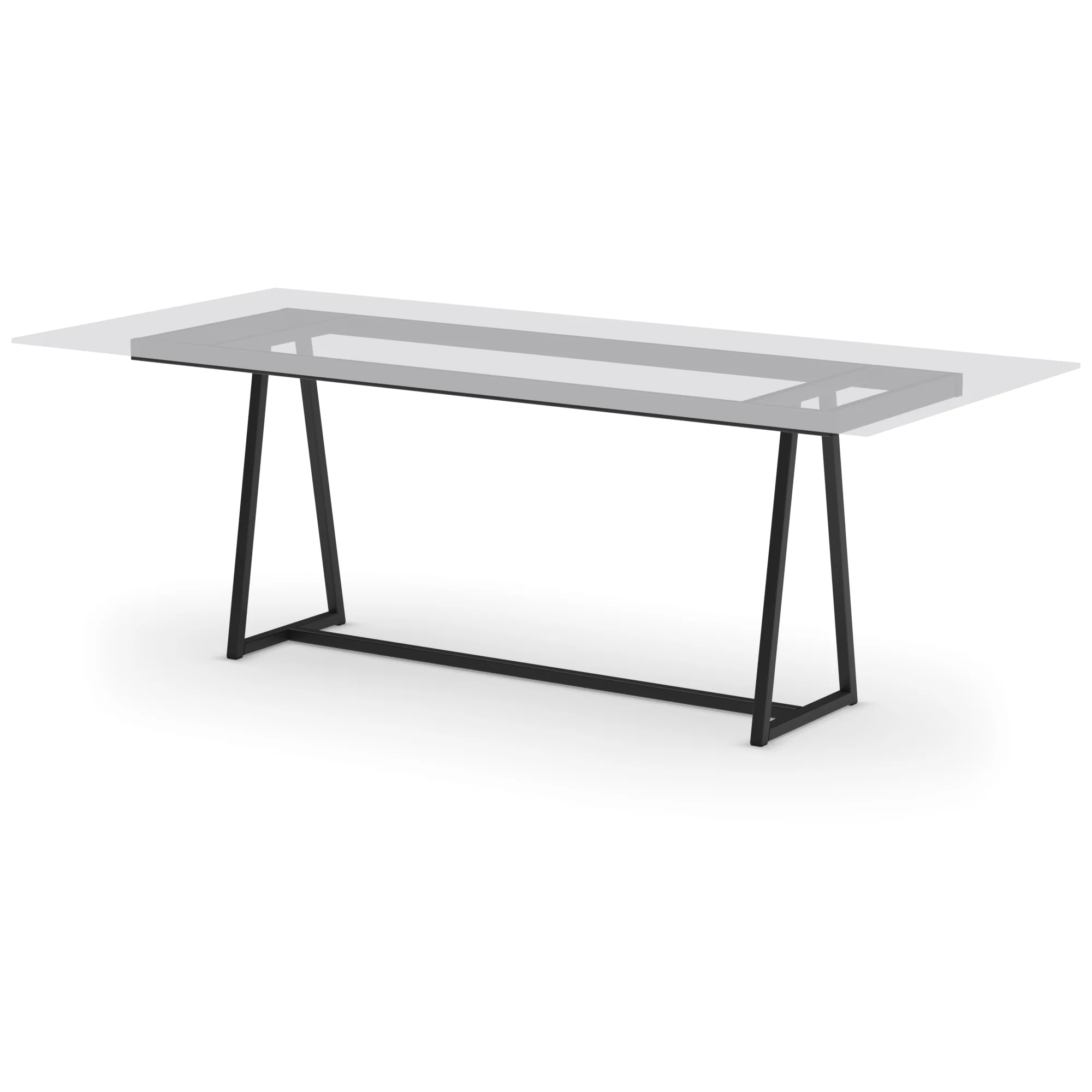
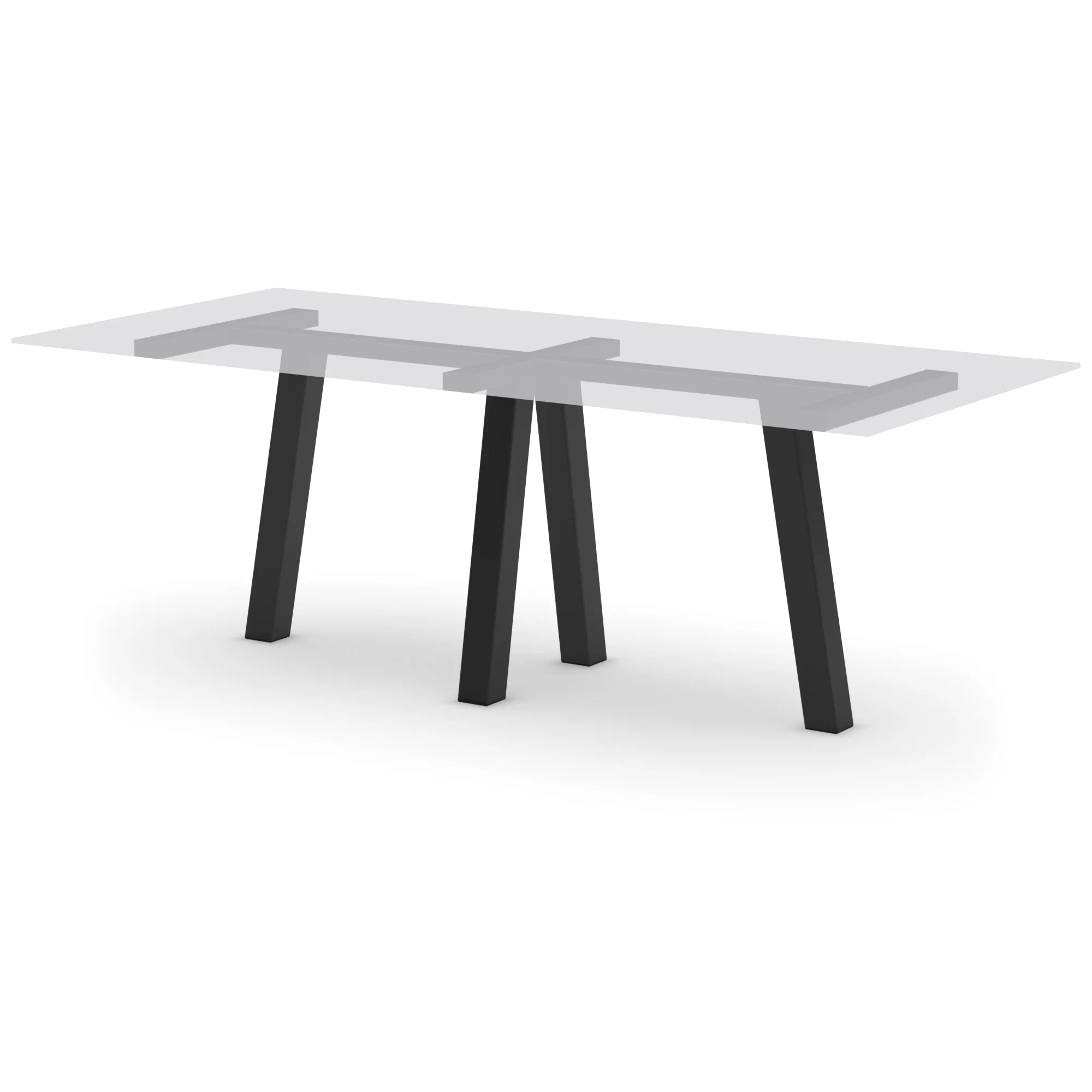
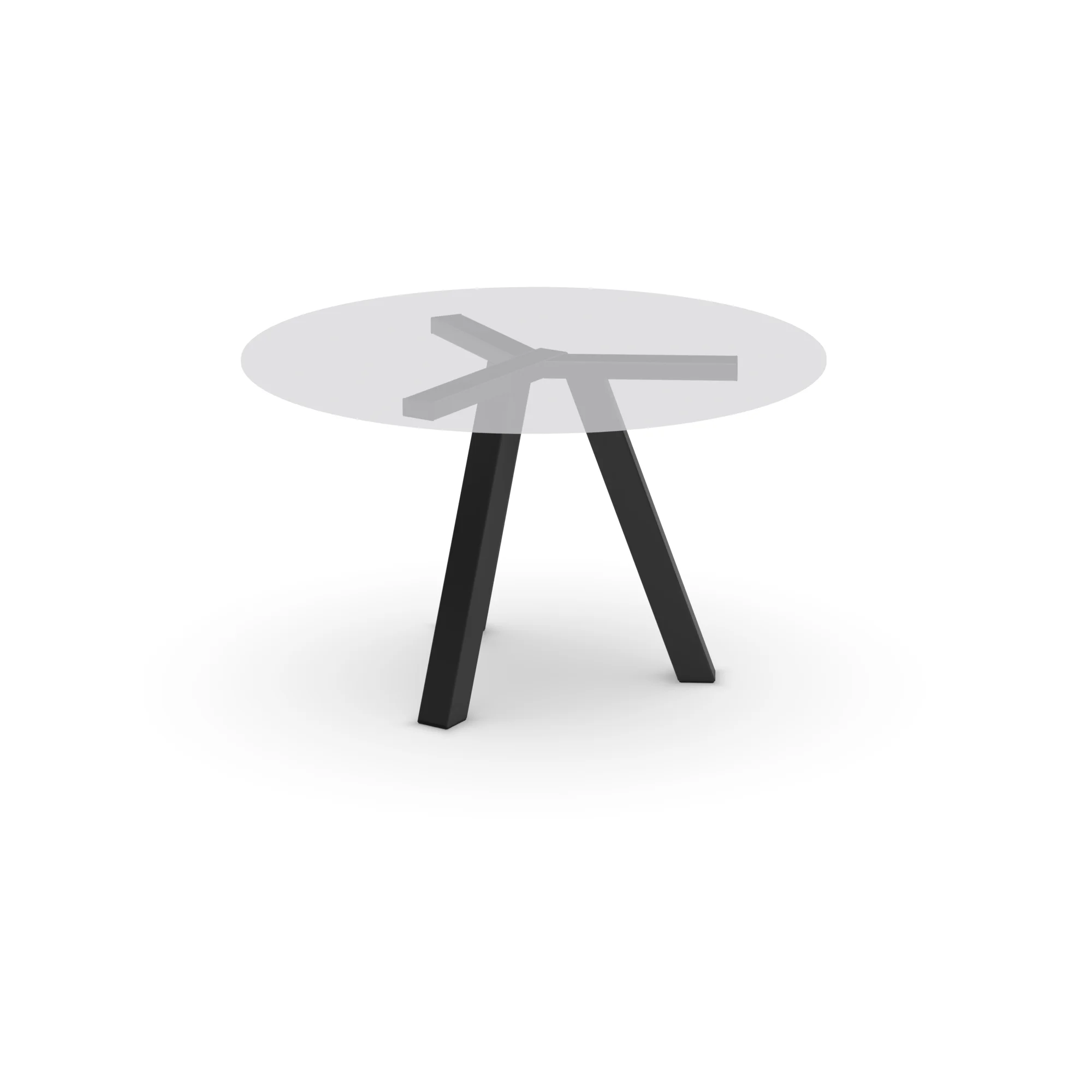
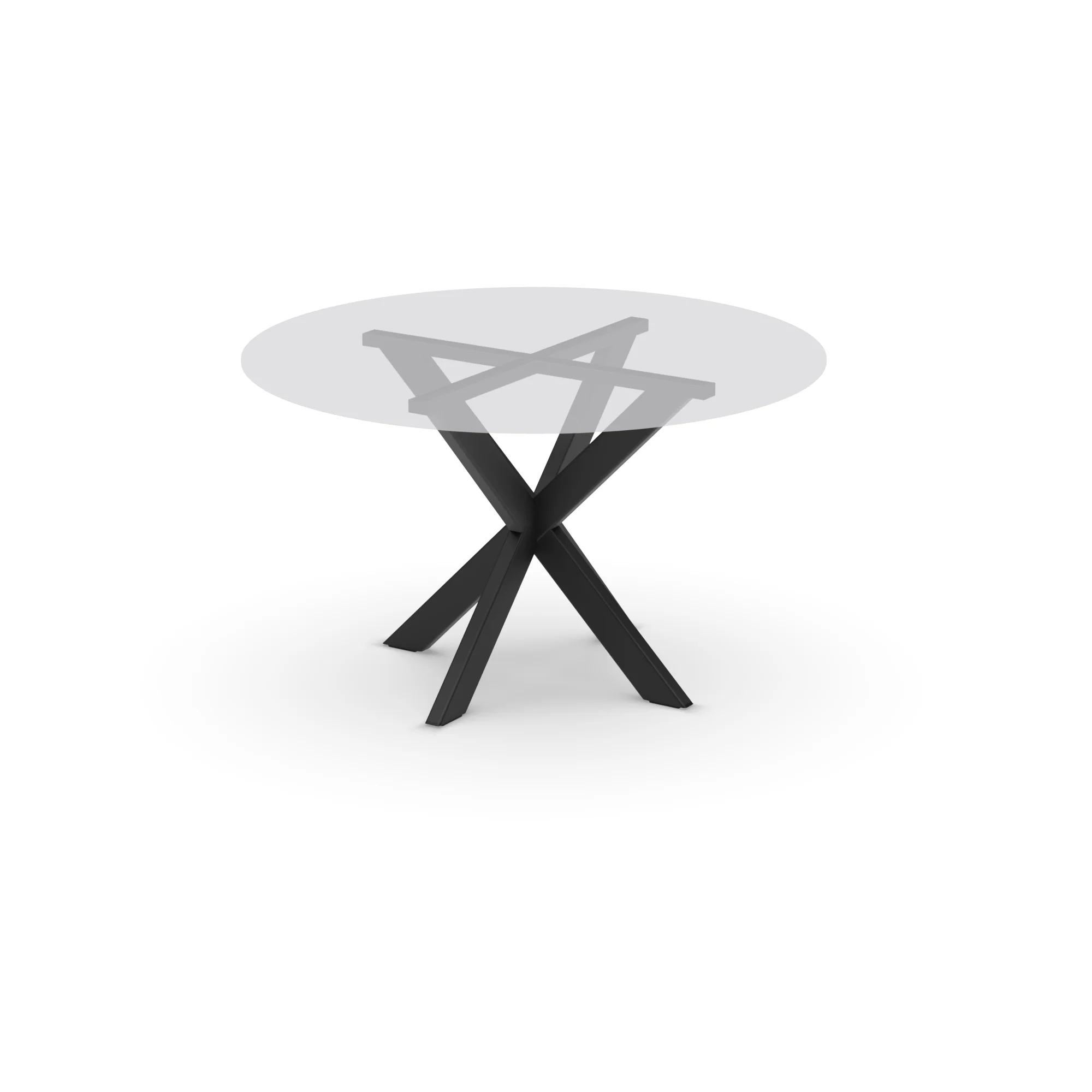
Unsure which base suits your ceramic top? In the 3D configurator you combine top and base and see the result instantly. No surprises.

Configuring your custom ceramic dining table

At Tulmans you configure your ceramic dining table entirely to size. In our online 3D configurator you choose the shape, dimensions, ceramic colour and base. You see the result in 3D instantly, rotate the table and view it from every angle.

Ceramic tops are cut to size in our own workshop in Maasbree, Netherlands. This means you are not restricted to standard sizes. The edge finish is a standard clean, straight edge that matches the modern look of ceramic.

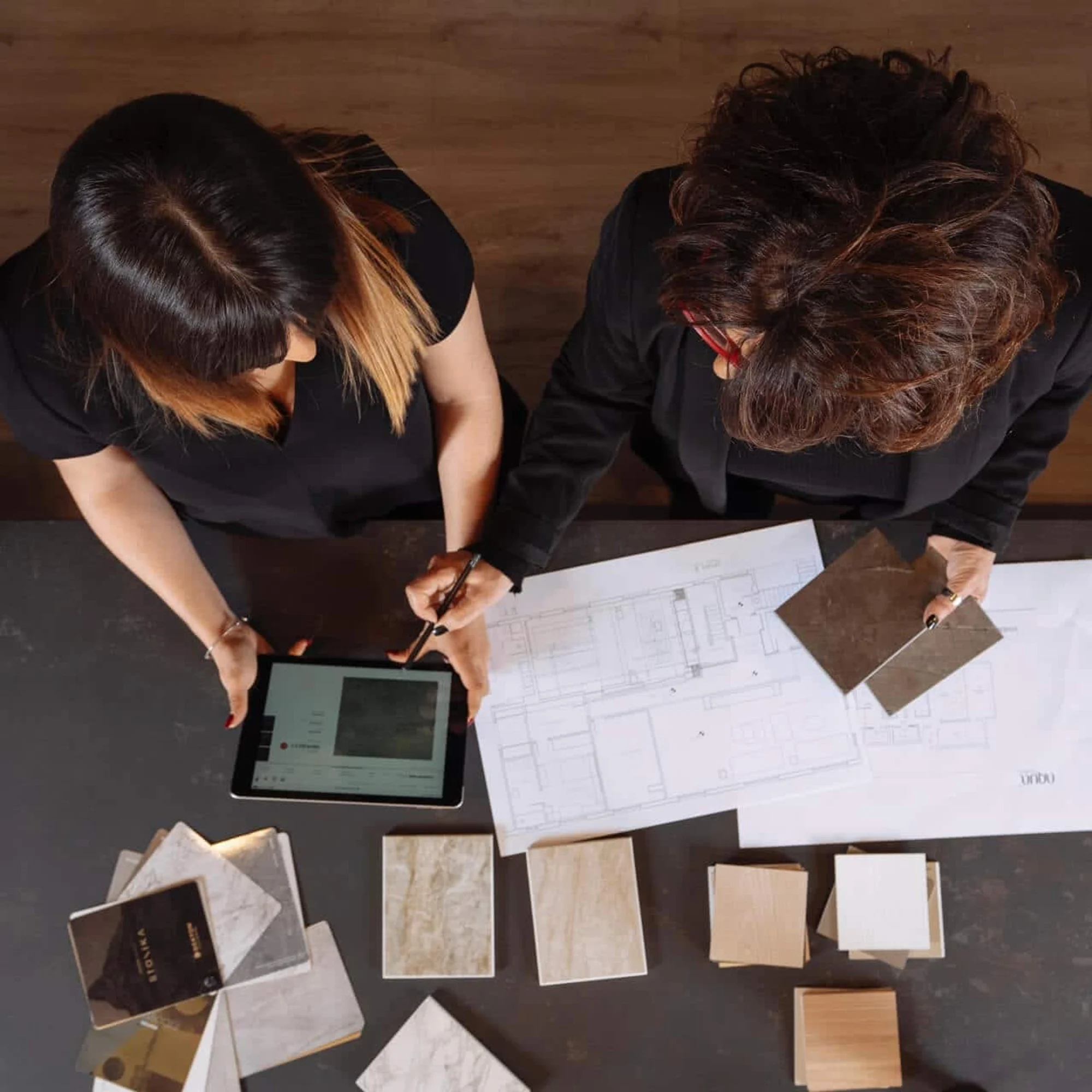
Want to see the material in person first? Order material samples or visit our showroom in Maasbree. Multiple ceramic dining tables are on display so you can compare different colours and textures.

Brands: Dekton, Neolith and Marazzi

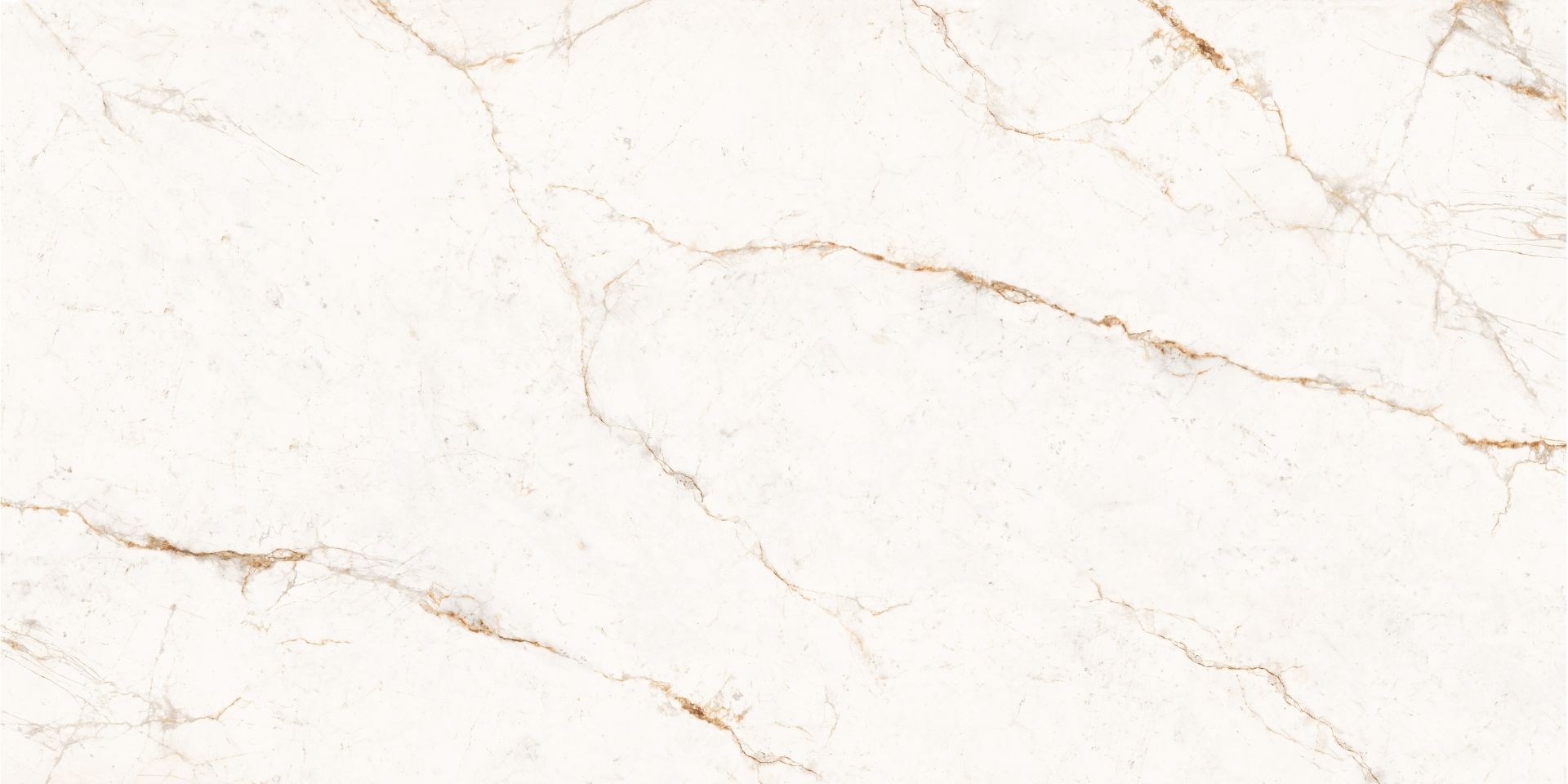
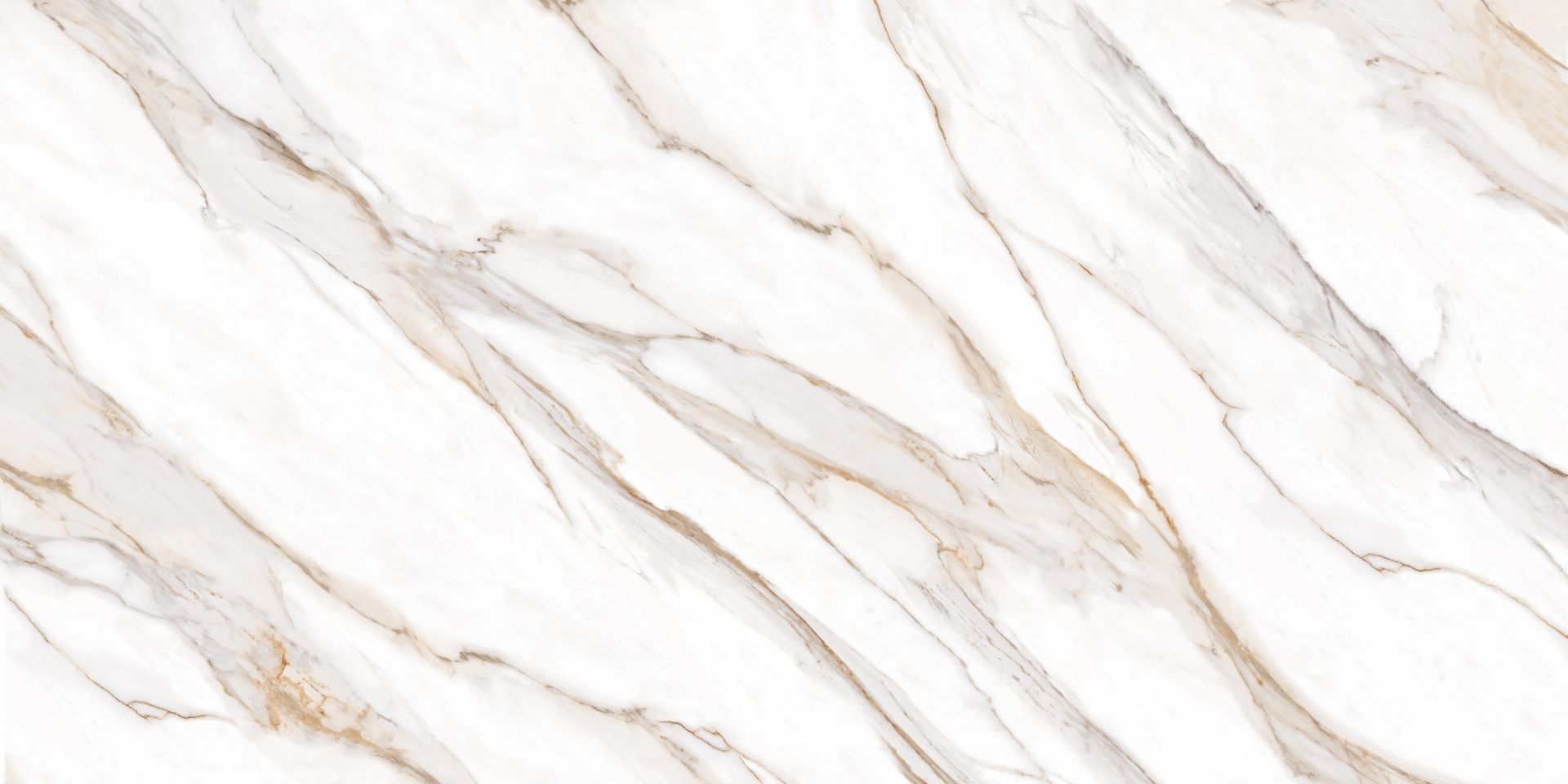
Ceramic table tops are produced by specialist manufacturers. The best-known brands are Dekton (Cosentino), Neolith (TheSize) and Marazzi. Each brand offers its own colour palette and surface textures.

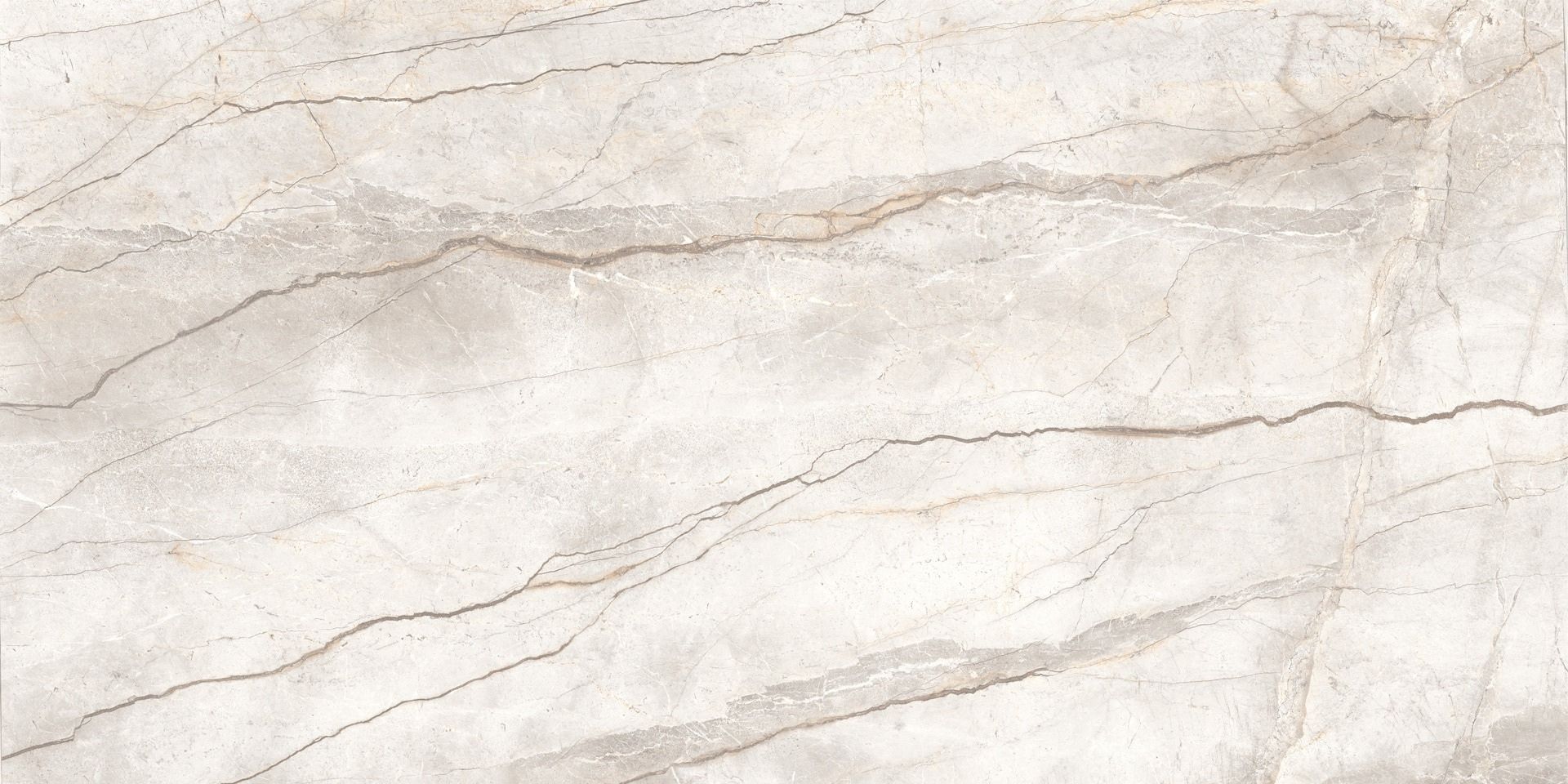
The materials from these brands are technically comparable: all are extremely scratch-resistant, heat-resistant and have water absorption below 0.1%. The difference lies primarily in the range of colours and textures. From marble look and concrete look to warm earth tones and sleek monochromes: the choice is extensive.

In the configurator you see which colours are available for your chosen shape and dimensions. Have a preference for a specific brand? Get in touch and we will advise on the options.

Caring for a ceramic table top

A ceramic dining table is the easiest table top material to maintain. For daily use, a damp cloth or microfibre cloth is sufficient. For stubborn stains, use a mild cleaning agent. Abrasive cleaners are not needed and not harmful, but a soft cloth is always sufficient.

Unlike wood, ceramic does not need oiling or lacquering. Unlike natural stone, it does not need sealing. The surface does not change under UV light, so your table looks exactly the same after years as it did on day one. More information on our care page.

Delivery and lead time

Your custom ceramic dining table is delivered within 1 to 4 weeks — fast for custom tables. The short lead time is possible because tops are cut and finished in our own workshop.

Delivery is available throughout the Netherlands, Belgium and North Rhine-Westphalia (Germany). The table is delivered to your home by our own delivery team and placed in your preferred location.

Questions about delivery in your area or want to arrange a specific delivery date? Get in touch.

Read more

Last updated: July 9, 2026

Frequently asked questions

How much does a custom ceramic dining table cost?
The price depends on the chosen dimensions, ceramic colour and base type. Use the online 3D configurator to calculate your price instantly based on your exact requirements.
Can I place a hot pan on a ceramic table?
Yes, ceramic is heat-resistant. You can place a hot pan straight from the hob on the table top, without a trivet. The top does not get damaged or discoloured by heat.
What is the difference between Dekton and Neolith?
Dekton (Cosentino) and Neolith (TheSize) are both sintered ceramic materials with comparable technical properties: very high scratch resistance, water absorption below 0.1%. The difference lies mainly in the colour range and available surface textures.
Can a ceramic table top crack?
Ceramic is very hard but not unbreakable. A heavy pointed impact on the edge could cause damage. Under normal household use this risk is negligible. The 12 mm thickness provides sufficient strength for daily use.
How do I maintain a ceramic dining table?
Clean with a damp cloth or microfibre cloth. For stubborn stains, a mild cleaning agent is sufficient. Oiling, lacquering or sealing is not needed, unlike wooden or natural stone tables.
What shapes are available for a ceramic dining table?
Rectangular, oval, Danish oval, round and Racetrack. Rectangular offers the most seats, round is ideal for smaller spaces, and Racetrack is elongated with two rounded short ends and straight long sides. Maximum dimensions are 3200 x 1600 mm.
What is the delivery time for a custom ceramic dining table?
Delivery time is 1 to 4 weeks — fast for custom tables. The short lead time is possible because tops are cut and finished in our own workshop in Maasbree, Netherlands.
Is a ceramic dining table suitable for outdoor use?
Yes, ceramic is UV-resistant, frost-proof (EN ISO 10545-12) and has water absorption below 0.1%. This makes it one of the few table top materials that performs well both indoors and outdoors.
Which base suits a ceramic dining table?
Choose from powder-coated steel (10 RAL colours) or brushed stainless steel. Steel offers colour freedom to match your interior. Stainless steel gives a luxurious, industrial look and is maintenance-free. In the 3D configurator you combine top and base and see the result instantly.