Round ceramic dining tables
Complete your dining area.
Choose chairs for your tableFilters0
7 products




No products match this combination
Adjust or remove a filter to see results again.

Looking for a round ceramic dining table that still looks the way it did on day one, ten years from now? Ceramic is the lowest-maintenance top material in our range: heat, scratch and stain resistant, and clean again with a damp cloth. A round ceramic top also carries on up to Ø 1600 mm, while solid wood in a round shape stops at 1300 mm.
Quick choice guide
- Do you want a table that asks nothing of you? Choose ceramic: no impregnating, no oiling, no rings left by a warm plate.
- Are you after a large round table above Ø 1300 mm? Ceramic is the only material that carries on in a round shape up to Ø 1600 mm.
- Will the table stand under a canopy or on a veranda? Ceramic is UV resistant and does not fade in sunlight.
- Is it mainly warmth and a grain you can feel that you are after? Compare with the round oak dining tables.
- Unsure about the colour? Order material samples from €2.50, refunded on return, or plan a visit to the showroom in Maasbree.
Round ceramic dining table: low maintenance and hard wearing
Ceramic owes its hardness to the way it is made: the slab is sintered at extremely high temperature. That produces a very dense material with very low porosity, which absorbs almost no moisture. Red wine, olive oil, coffee and lemon juice do not soak into it.
That keeps daily use simple. A hot pan can go straight onto the table, without a trivet and without a scorch mark. Knives, bunches of keys and children's toys do not leave the scratches you would see on an oiled wooden table.
Maintenance comes down to wiping with a damp cloth. There is no annual oiling, no sanding and no impregnating agent. Anyone looking for a table that can take a busy family almost always arrives at a ceramic dining table as the lowest maintenance burden of all top materials.
The ceramic slab is 12 mm thick and is finished to the diameter you want in our workshop in Maasbree, Netherlands. The edge finish runs all the way round, so the table holds the same line from every angle. There is more background on the material in the guide to ceramic dining tables.
29 colours: from marble look to concrete look
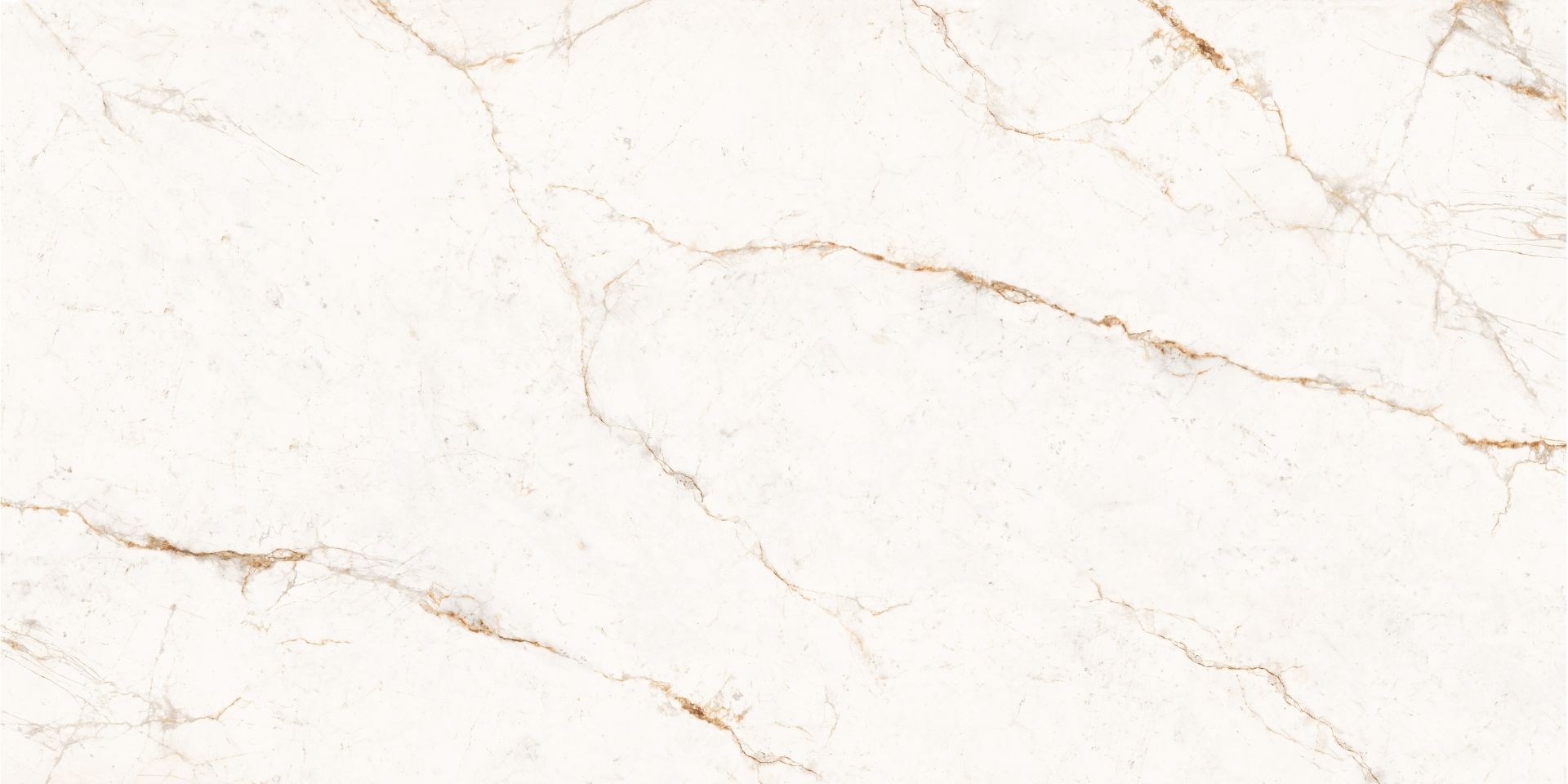
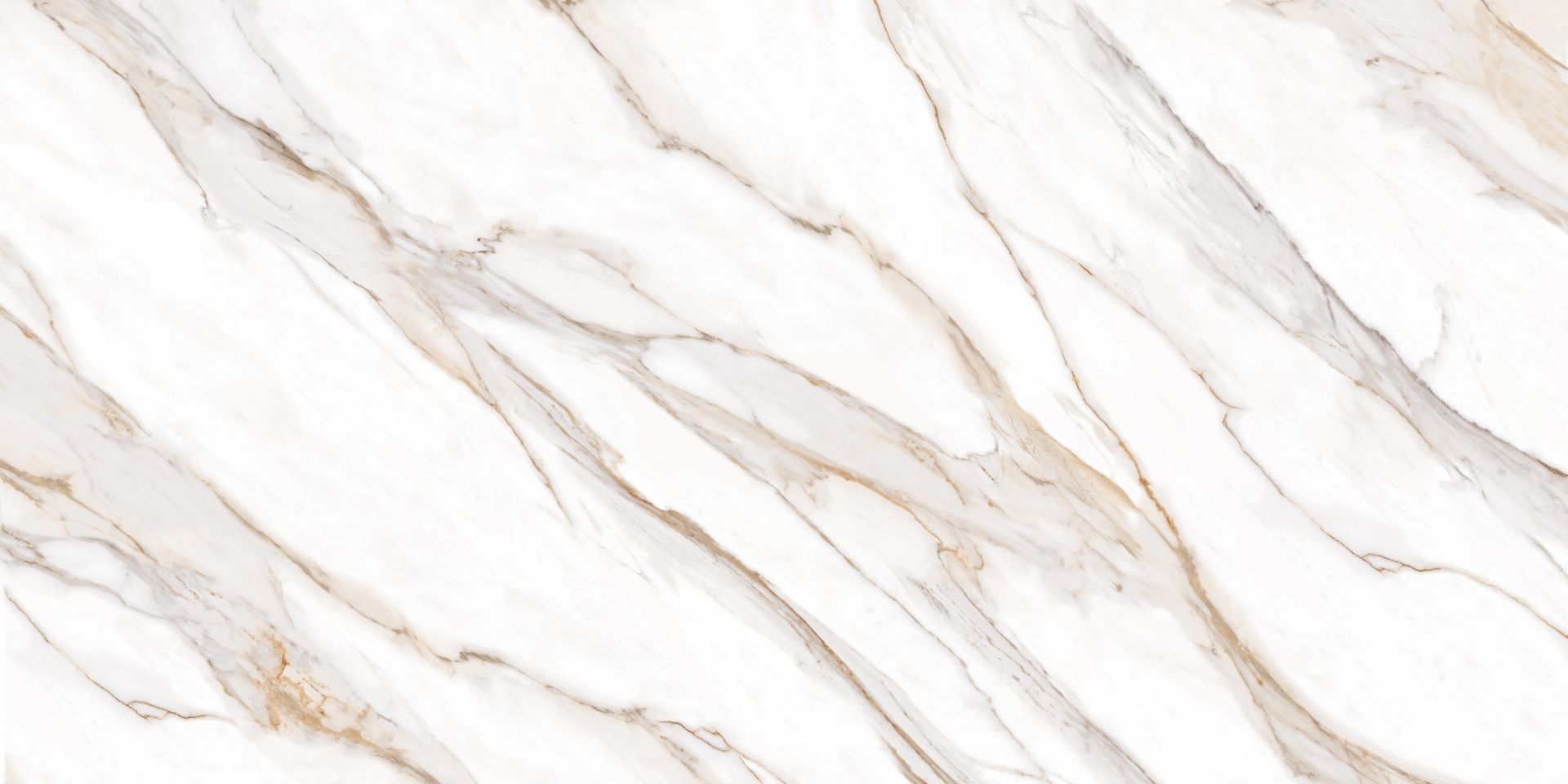
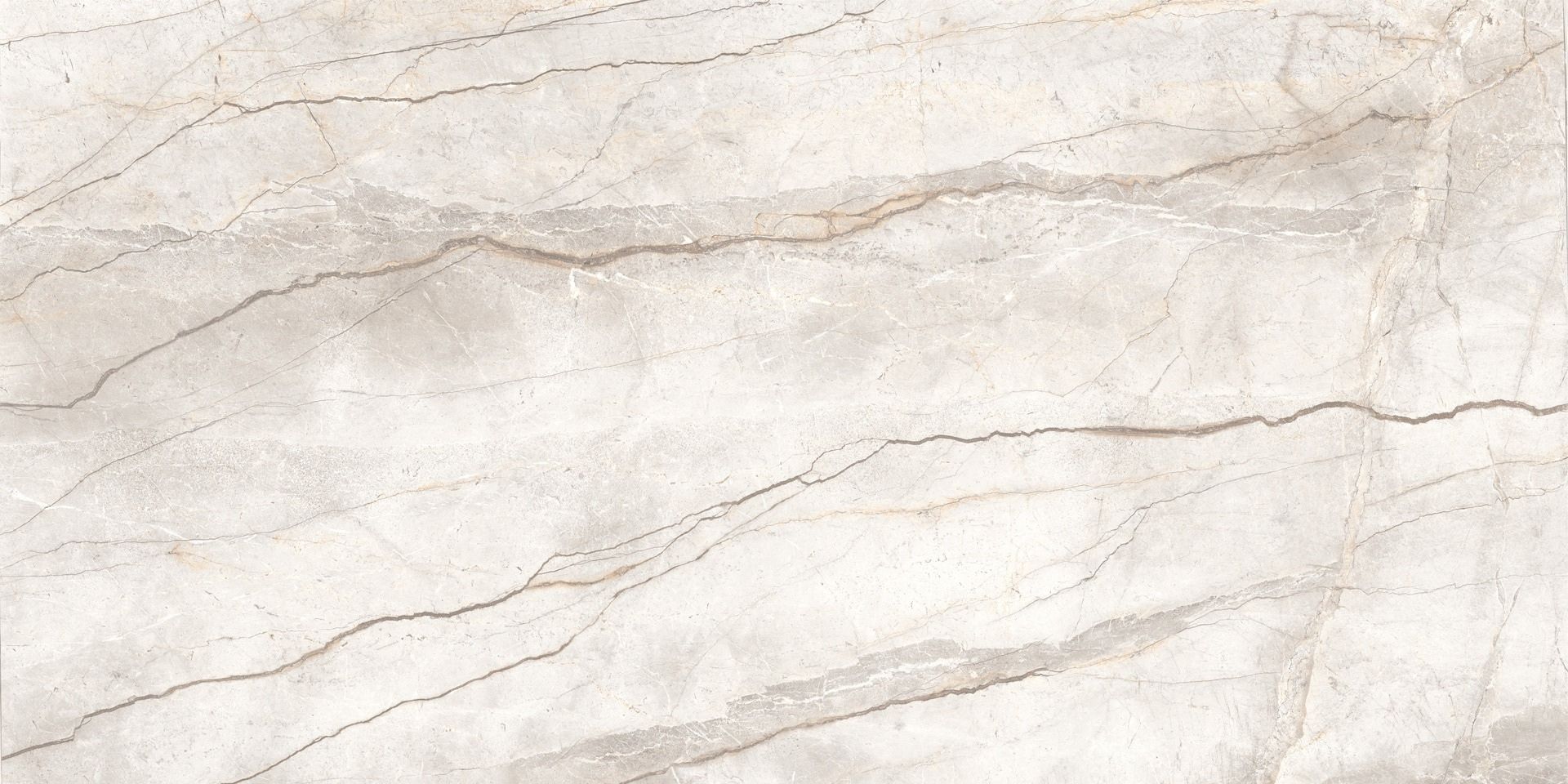
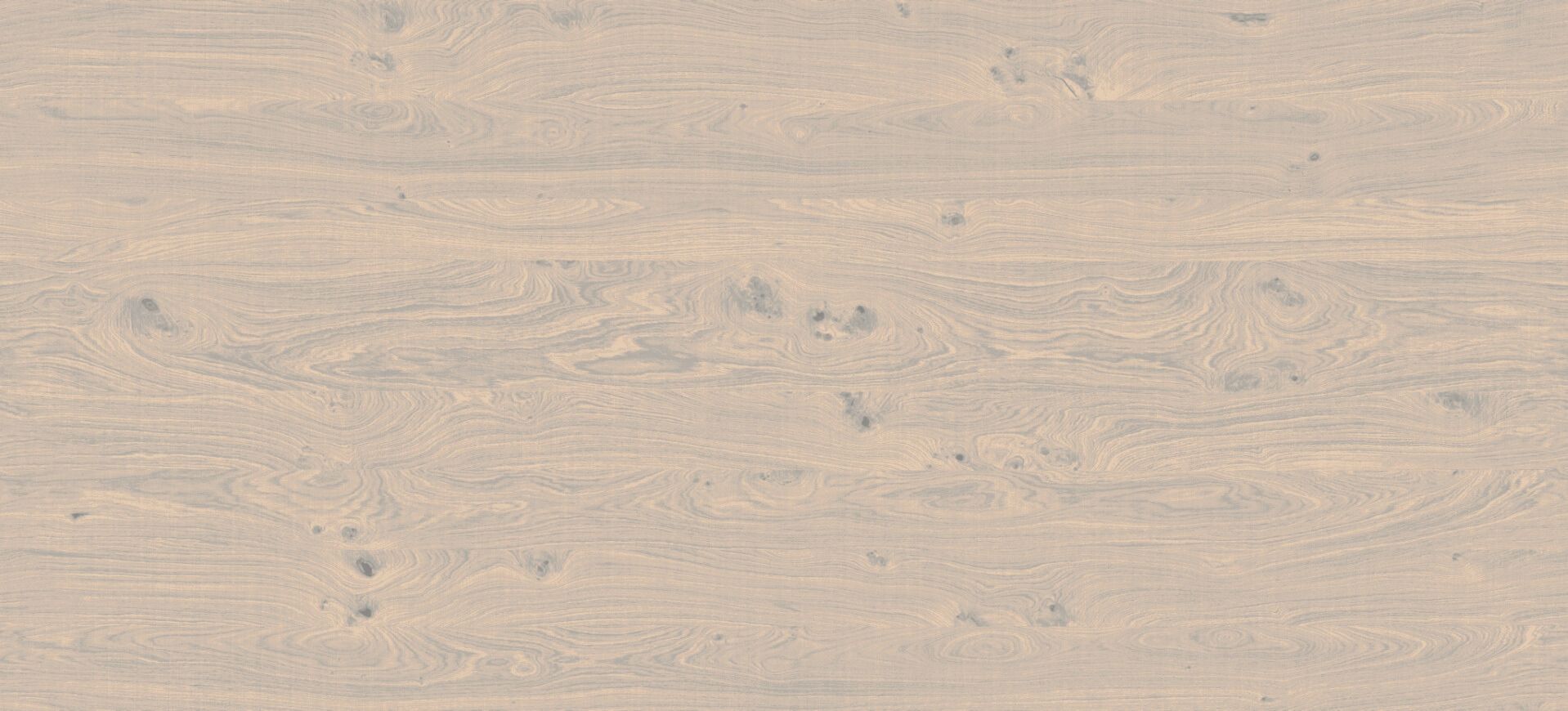
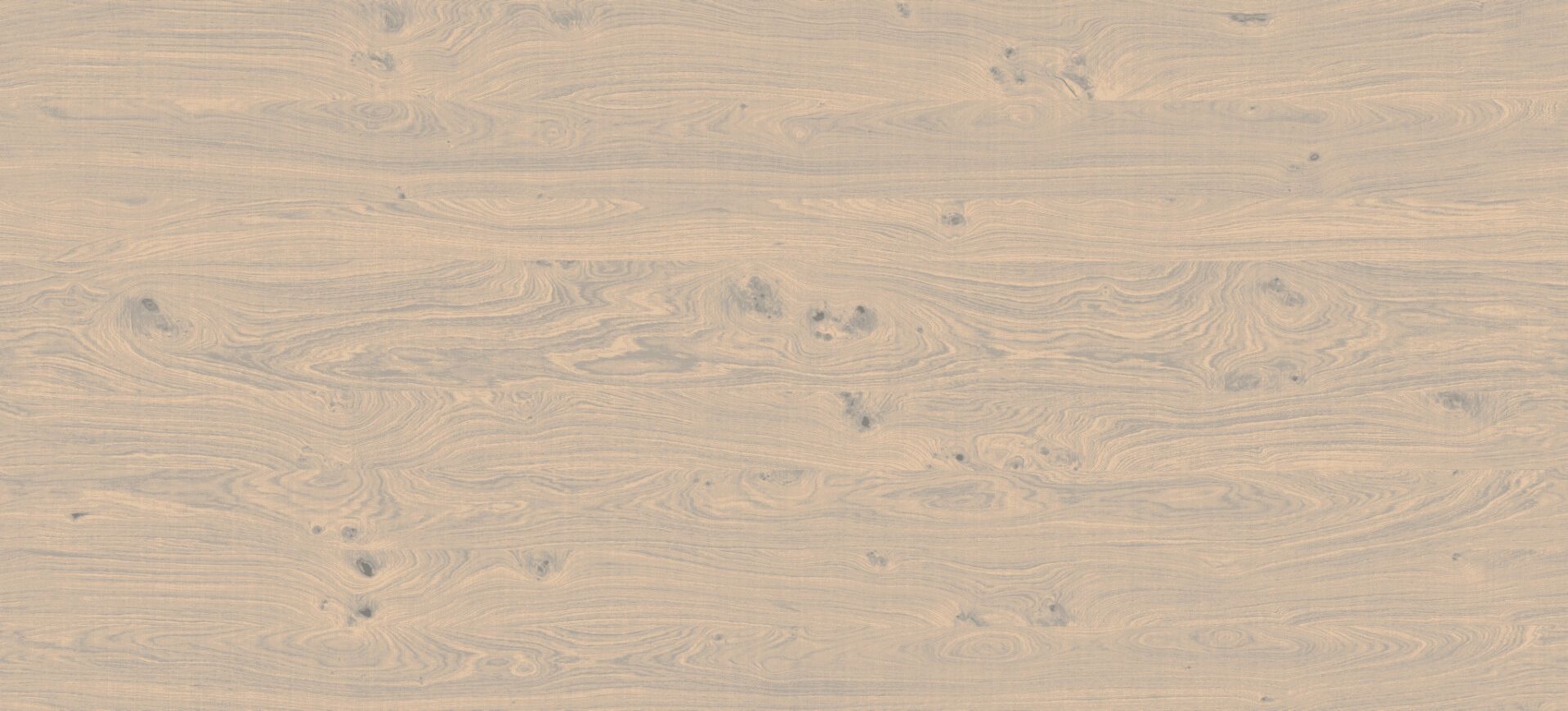
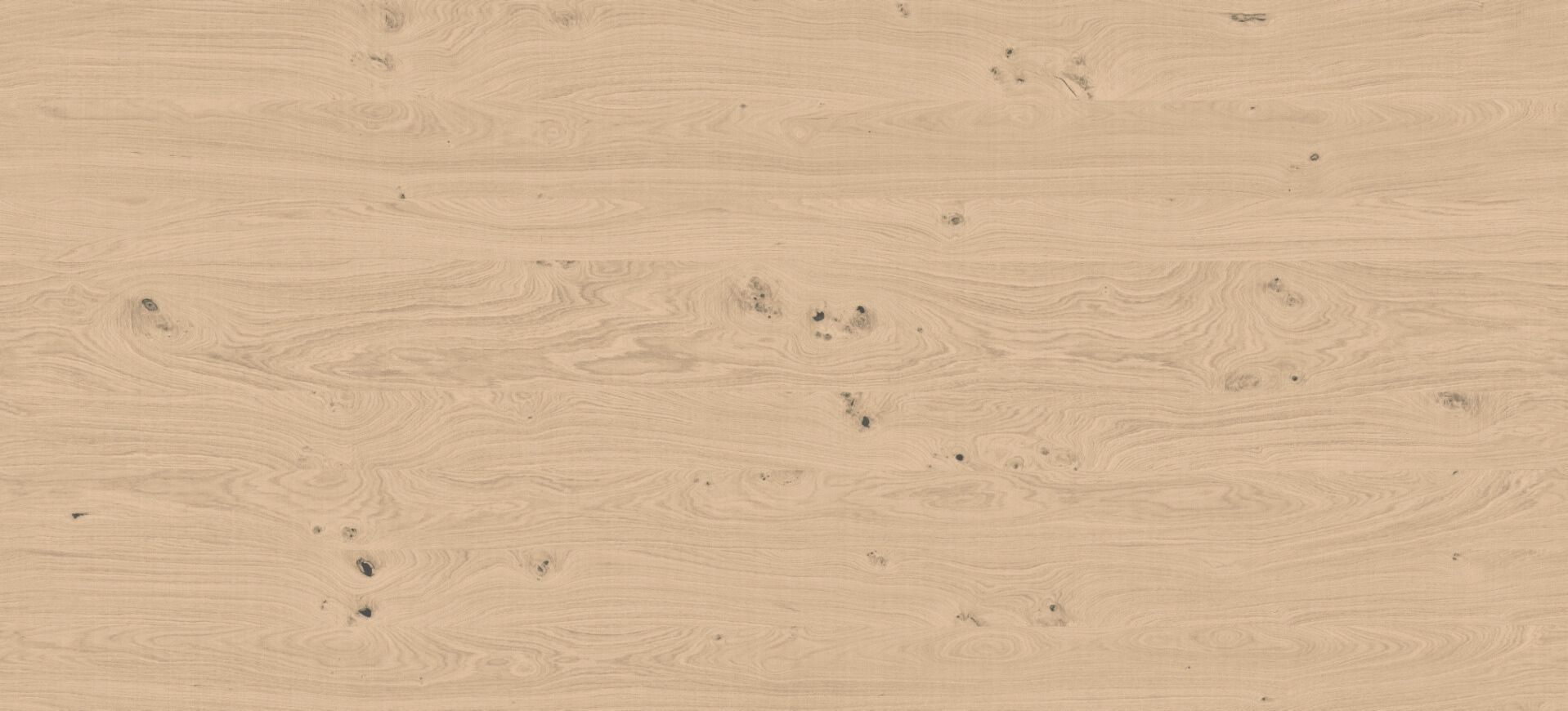
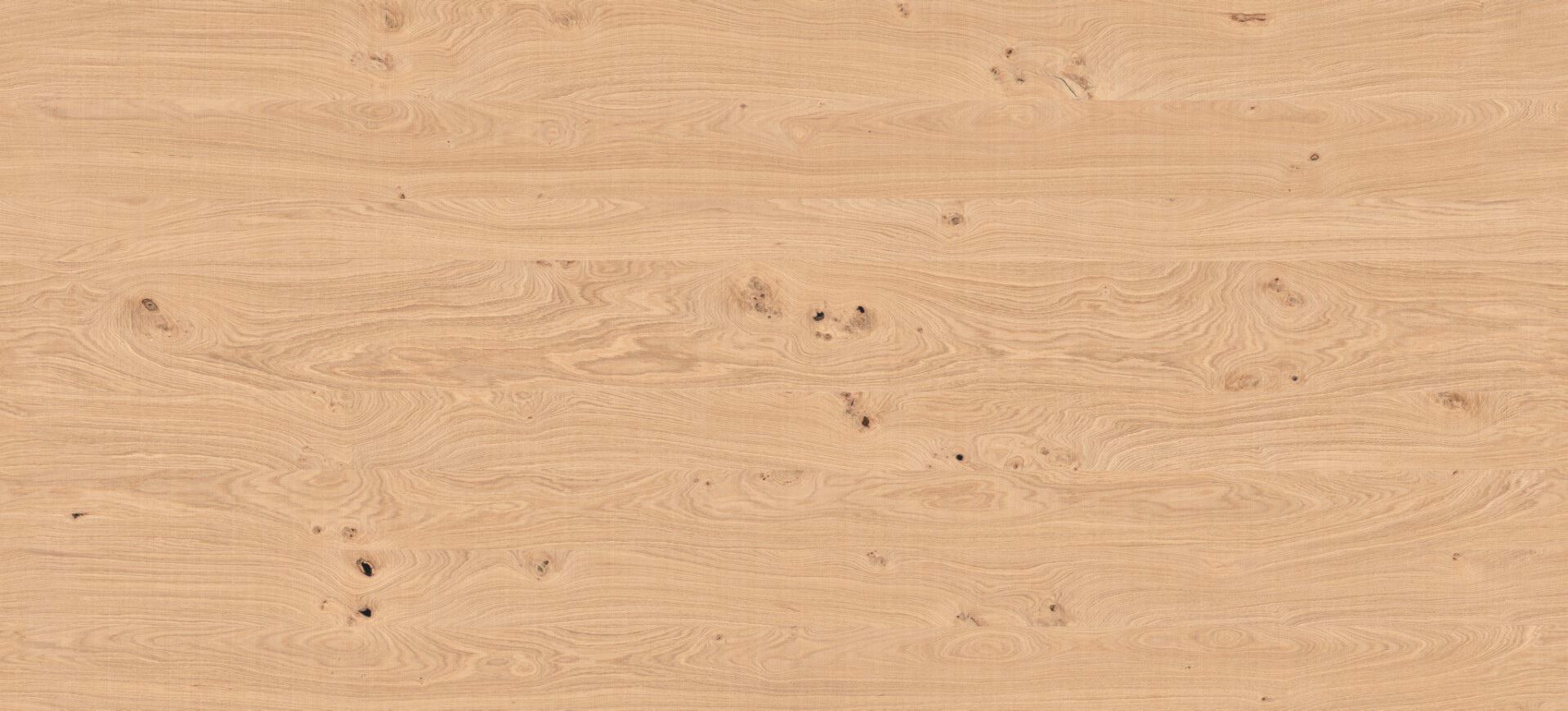
Colour decides more with ceramic than it does with wood. There are 29 colours available, from calm concrete looks to expressive marble looks with veining that runs on across the slab. Those 29 colours also include a range of plain tones in white, grey and anthracite.
A round shape calls for a deliberate choice in pattern. A marble look with strong veining is read from every side on a round top, so the pattern registers all the way round. A concrete look or a plain tone is quieter and lets the base speak more.
Choosing a colour in three steps
- Settle first on calm or expressive: plain tones and concrete looks stay quiet, a marble look pulls attention to the top.
- Hold the colour against your floor and your cabinetry, not against a computer screen. Daylight shifts the tone visibly.
- Order material samples from €2.50; the amount is refunded once the sample comes back to us.
The full overview of the slabs sits with the ceramic table tops. There you can see per colour how the pattern travels across a large surface. In the showroom in Maasbree the slabs lie at full size, and with a marble look that is exactly what settles the choice.
Up to Ø 1600 mm: larger than wood goes in a round shape
A round ceramic dining table at Tulmans carries on up to Ø 1600 mm. Solid oak stops at Ø 1300 mm in a round shape, because a larger round wooden slab becomes too sensitive to movement and sagging. Ceramic does not have that limit, which is why the largest round sizes are available in this material only.
Every diameter can be ordered to measure, down to the millimetre. The standard table height is 76 cm. If you are hesitating between two sizes, you are not picking from a fixed ladder of sizes but simply stating the diameter you want.
For the number of people, count on 70 to 75 cm of table edge each. The circumference of a round table is π × diameter, so that sum is quickly made. The guideline below follows from it; if in doubt, work it out with the width of your own chairs.
- Ø 1100 mm: circumference around 345 cm, guideline 4 people with room to spare.
- Ø 1200 mm: circumference around 377 cm, guideline 5 people.
- Ø 1300 mm: circumference around 408 cm, guideline 5 people with room to spare.
- Ø 1400 mm: circumference around 440 cm, guideline 6 people.
- Ø 1500 mm: circumference around 471 cm, guideline 6 people with room to spare.
- Ø 1600 mm: circumference around 503 cm, guideline 6 to 7 people.
Allow at least 80 cm of clear walking space around the table as well. With a round table that space counts for more than with a rectangular one, because people walk past on every side. So measure the free floor, not just the room.
The width of your chairs helps decide the end result. Chairs with armrests need more edge length than narrow models without them. Check the dimensions with the dining chairs before you fix the diameter.
Indoors and outdoors: UV resistant under a canopy
Ceramic is UV resistant and does not fade in sunlight. That makes the round ceramic table the only round version that can stand outside as well, under a canopy or on a veranda for instance. Wood and veneer weather outdoors, while ceramic holds its colour.
Rain, frost and summer heat leave the top untouched. A terrace with changing weather therefore asks for no other maintenance rhythm than the dining room: wiping with a damp cloth is enough. Leaves, pollen and garden dirt do not soak into the surface.
If you are after a table purely for outdoors, look at the ceramic garden tables and the wider range of garden tables too. The top material is the same there; the choice sits mainly in size and base. For a covered spot that serves sometimes as a dining room and sometimes as outdoor space, the round ceramic table is the most flexible answer.
The honest drawbacks of ceramic
Ceramic has three properties that not everyone finds pleasant. They are no reason to rule the material out, but you would rather know them beforehand than afterwards.
- Heavy material: a large round ceramic top weighs a good deal. You do not move it on your own, and the floor under the base takes a concentrated load.
- Cooler to the touch: ceramic feels cooler than wood when you touch it. Anyone after the warm, soft touch of oak notices that difference straight away.
- Sensitive edge: the surface is scratch and heat resistant, but the edge can be damaged by a hard point load. A cast iron pan dropped on the rim of the top is the scenario to avoid.
The middle of the slab is close to indestructible in practice. Attention therefore goes to the edge, and specifically to point loads from above. In normal household use that rarely happens.
Construction and finish carry a 2 year warranty. If the warmth of wood matters more to you than the freedom from maintenance that ceramic gives, the oak dining tables stay the better track.
Choosing a base for a round ceramic table
With a round table it is the base that decides the legroom. A central base keeps the floor clear all round, so chairs can stand at any point along the edge. That often settles the matter with round tables, certainly at larger diameters where you want to pull up a chair from every side.
There are two versions: powder coated steel and brushed stainless steel 304. Both are welded in our own workshop in Maasbree, Netherlands. The choice between the two is aesthetic, not functional.
- Powder coated steel: available in any colour you like with a fine-texture powder coating. The drawback: the coat can be damaged by a heavy impact. With an outdoor primer, steel is just as suitable for a covered spot outside.
- Brushed stainless steel 304: corrosion resistant by nature and usable outdoors without a coating. Fingerprints show on the brushed surface, but they wipe away easily.
The colour choice on steel gives you the most room to steer. A base in the same tone as the top reads the table as one mass, while a contrasting colour sets the top apart. Look at the options with the steel table bases and the stainless steel table bases.
The full overview sits with the table bases. Every base can be combined with a ceramic top, as long as the matrix in the configurator allows that combination. The configurator shows straight away which bases are available at the diameter you chose.
Round ceramic or round oak: the comparison
The choice between ceramic and oak comes down to maintenance, size and feel. The table below sets the differences side by side.
| Property | Round ceramic | Round oak |
|---|---|---|
| Maximum diameter | Ø 1600 mm | Ø 1300 mm |
| Maintenance | Damp cloth, no treatment needed | Periodic oiling or upkeep |
| Heat resistant | Hot pan straight onto the table | Trivet needed |
| Scratch resistant | Very high | Scratches show, but can be sanded |
| Stains | Very low porosity, hardly soaks in | Moisture can soak in where the oil layer is damaged |
| Usable outdoors | Yes, UV resistant | No |
| Touch | Cooler, smooth | Warm, structure you can feel |
| Weight | Heavy | Lighter |
| Weak point | Edge under a hard point load | Scratches and rings across the surface |
| Colour choice | 29 colours | Wood grain with a choice of finish |
Choose ceramic when ease of maintenance, size or outdoor use is what settles it. A busy family, a large gathering or a covered terrace all three point towards ceramic. After that the table asks no further attention.
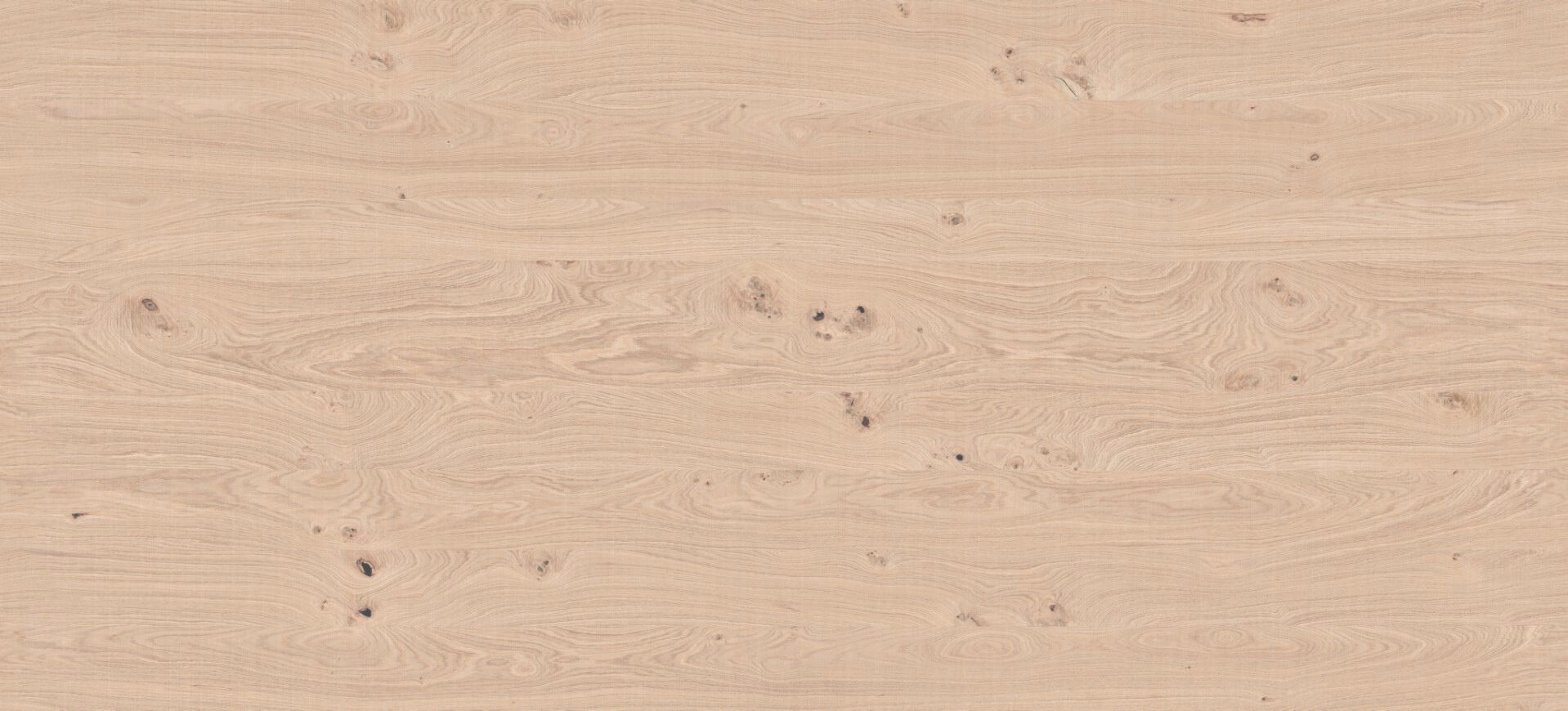
Choose oak when the warmth and the tangible grain of wood matter more to you. Wood moves with the seasons, takes on a patina and lets itself be sanded back after years; ceramic stays exactly as it was. If you are weighing that up, read the advantages of a round dining table and then compare the round dining tables across all materials.
Does a round shape turn out not to suit your room after all? In a narrow or elongated space an oval table often works better, with the same top material and the same maintenance load. In that case have a look at the oval ceramic dining tables.
Building your own: configurator and showroom
The 3D configurator lets you put the table together in full. You choose diameter, colour and base, and with every choice you see the price move along live. Start with the 3D table configurator and turn the model around to judge the colour pattern from every side.
What stays difficult on a screen is the experience of colour. That is why all the slabs lie in the showroom in Maasbree, next to the bases and the chairs. Half an hour on the spot prevents a choice that looked different in a photo.
Cannot make it to the showroom? Then order material samples from €2.50 and put them down at home in the spot where the table will stand. The amount is refunded as soon as the samples come back.
Delivery runs throughout the Netherlands, Belgium and North Rhine-Westphalia (Germany). Free delivery applies on orders above €2500 in the Netherlands and Belgium. Construction and finish of every table carry a 2 year warranty.
The wider range sits with the dining tables. Alongside ceramic you will find the other top materials there, with the same made-to-measure options down to the millimetre.
Caring for a round ceramic table
Daily care is a damp cloth, nothing more. Use lukewarm water and, if needed, a neutral cleaning agent. Rinsing and drying off afterwards prevents limescale streaks, above all on darker colours.
Stubborn stains ask for a little more patience but no aggressive products. Let the cleaning agent sit for a moment and then wipe it away. Scouring powder and steel wool are unnecessary and can dull the surface.
Different rules apply to the base than to the top. Powder coated steel you wipe with a soft cloth, without abrasive products that attack the coat. Brushed stainless steel you rub in the direction of the brushing, which takes fingerprints away immediately.
Is the table standing outside under a canopy? Then wipe the top down periodically to stay ahead of deposits from pollen and rainwater. Further care advice per material sits with maintenance.
That is how a round ceramic dining table stays for years exactly as it was on the day it arrived. No oil, no sanding, no rings. Which is precisely why this material so often becomes the first choice for round tables.
Read moreRead less
Last updated: September 3, 2026