Oval ceramic dining tables
Complete your dining area.
Choose chairs for your tableFilters0
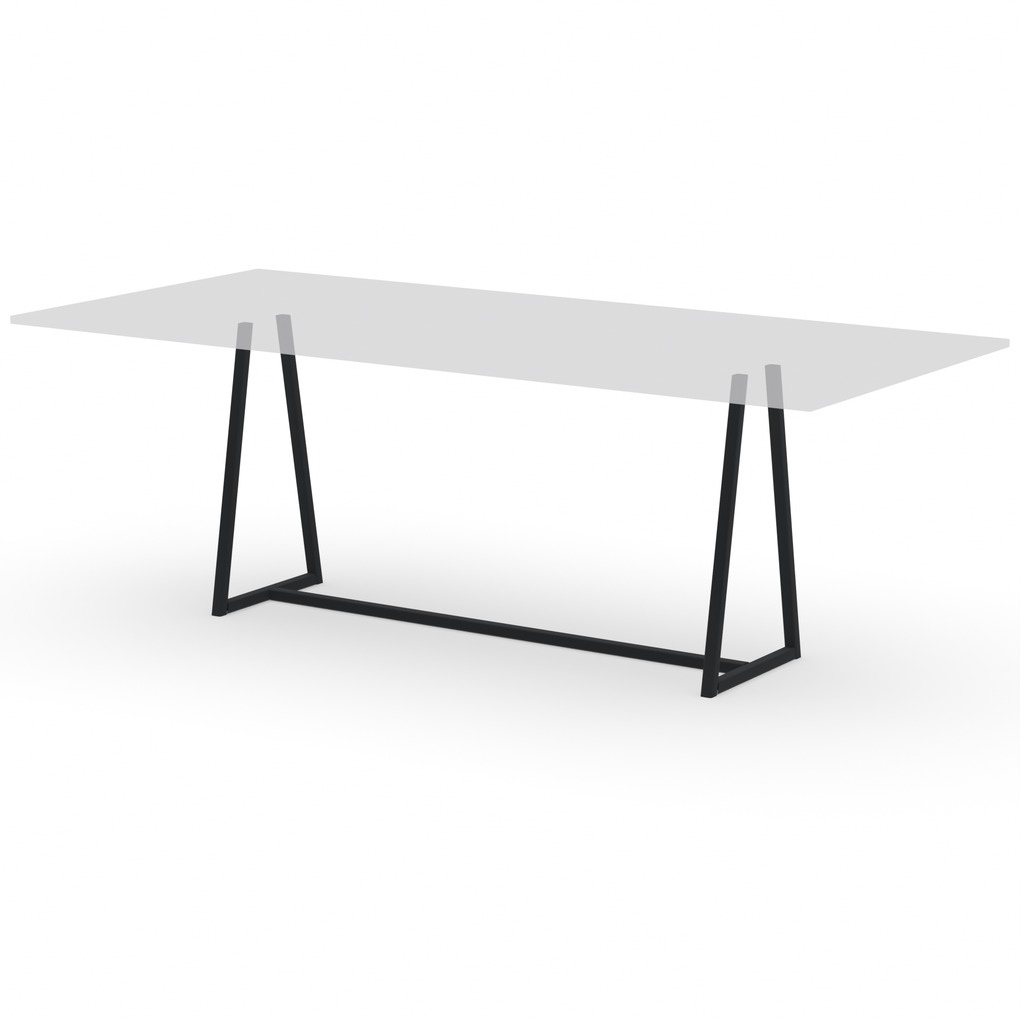
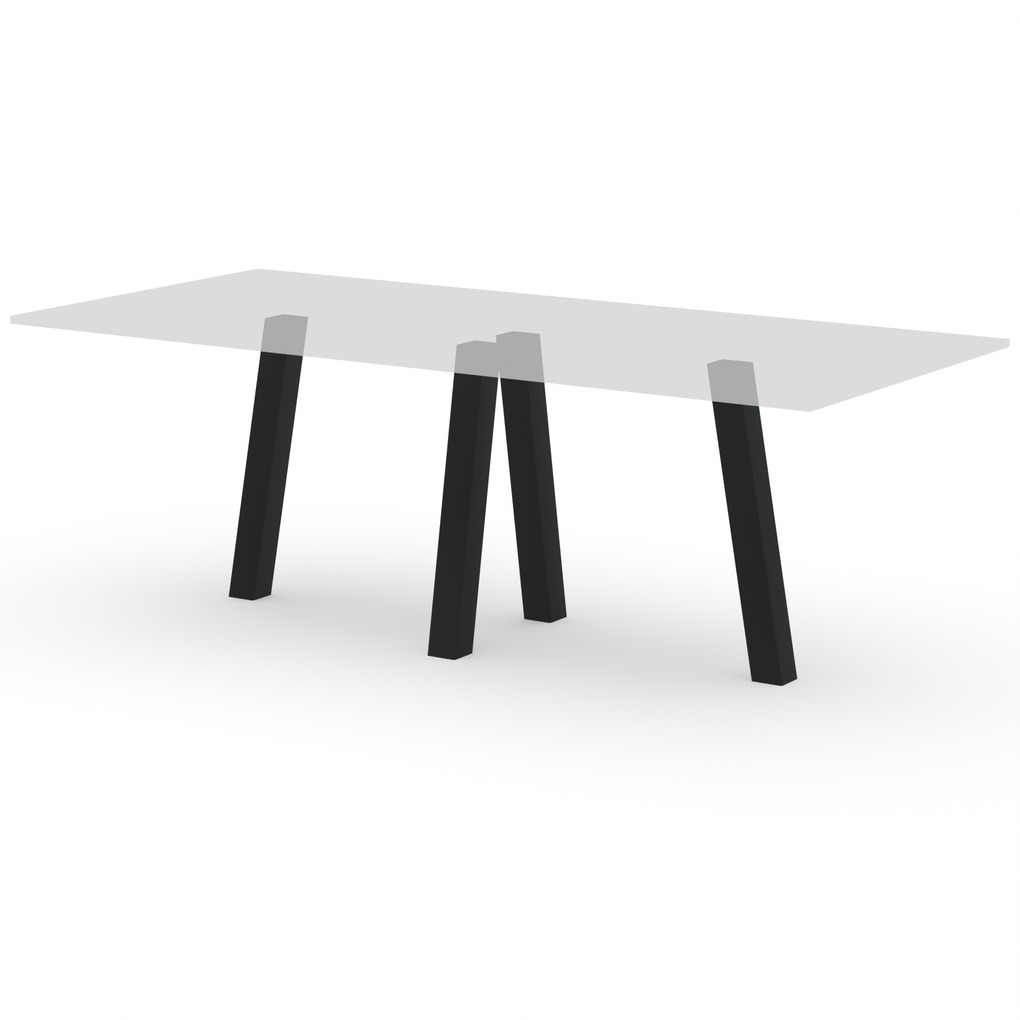
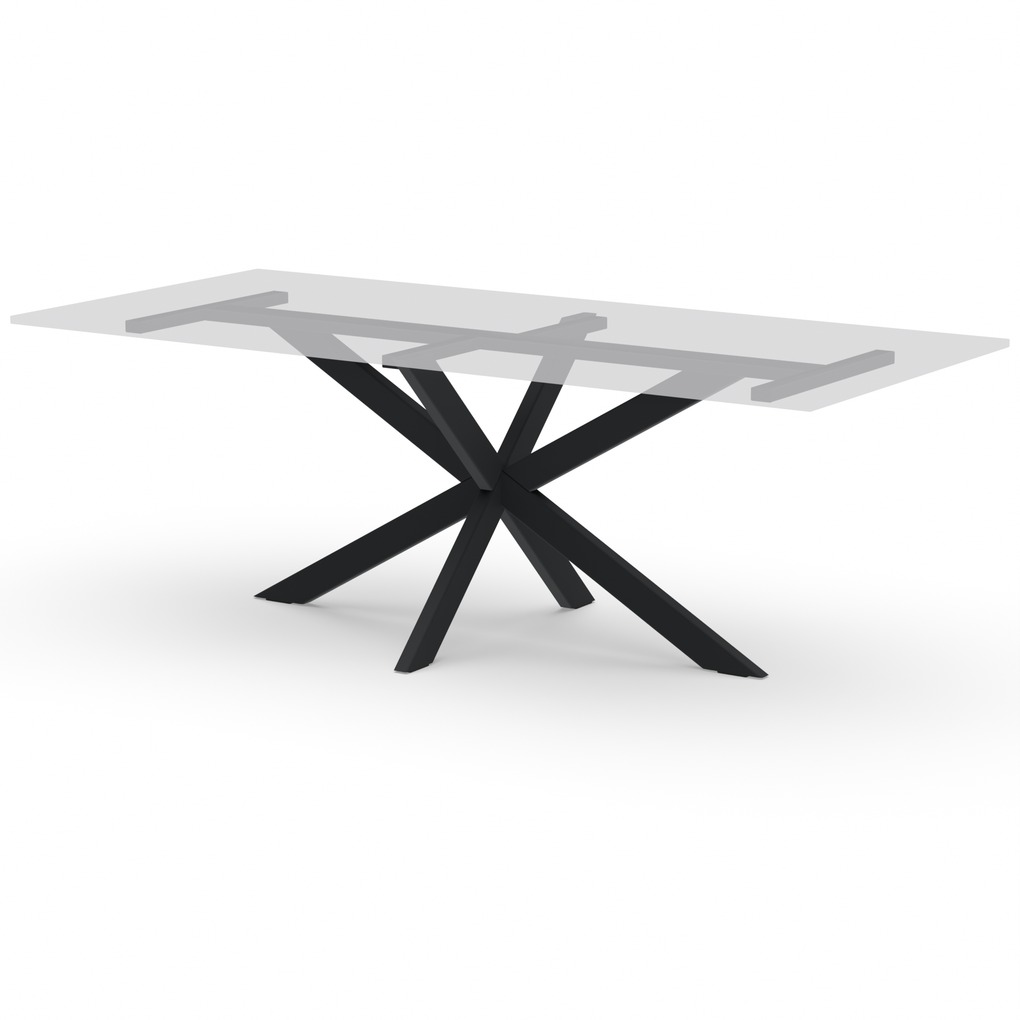
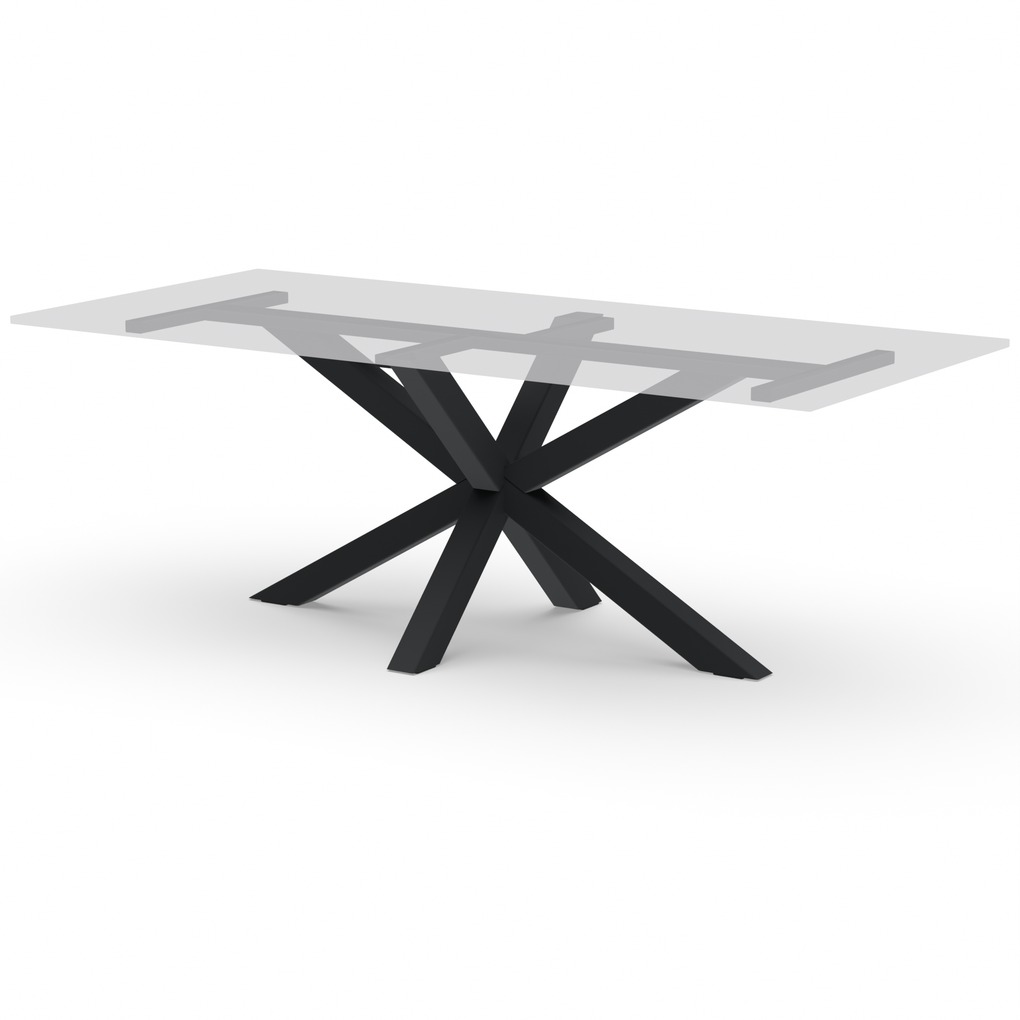
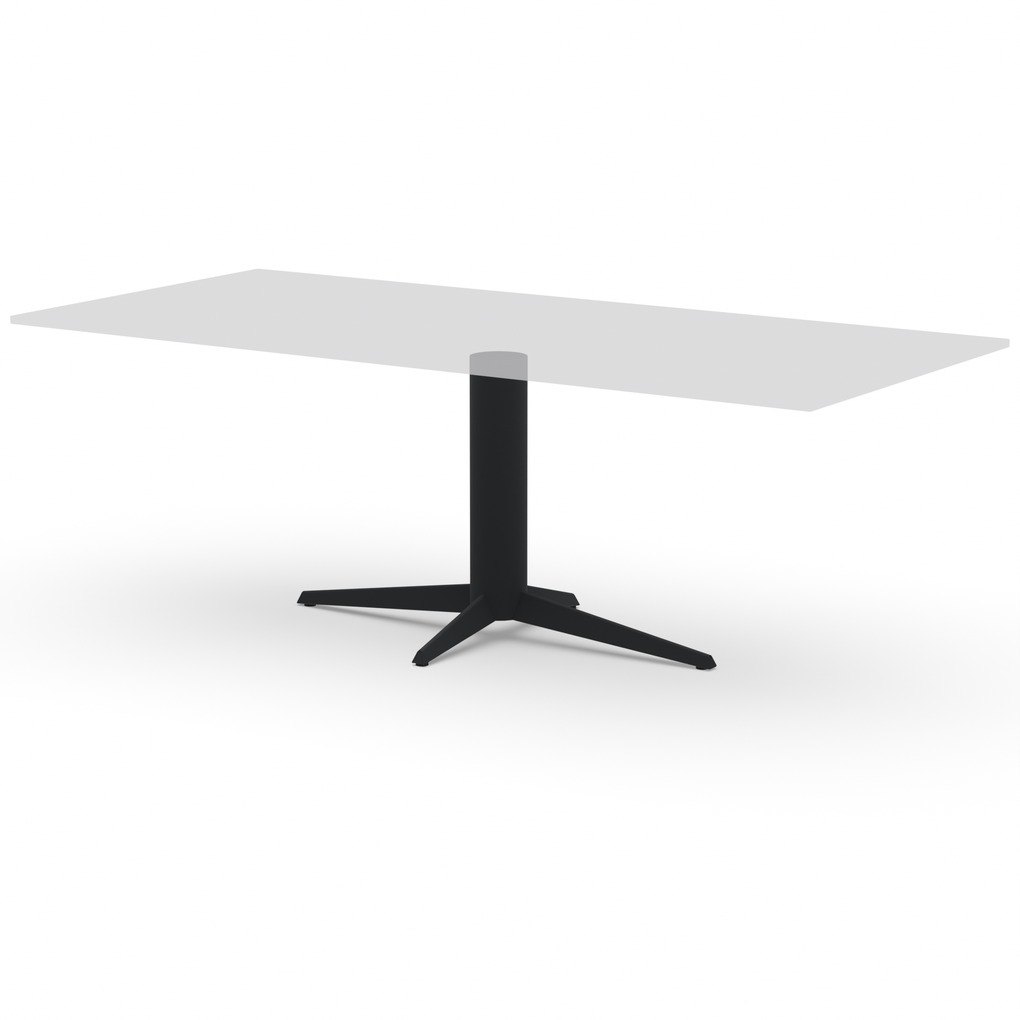
10 products


colour samples, €2.50 each
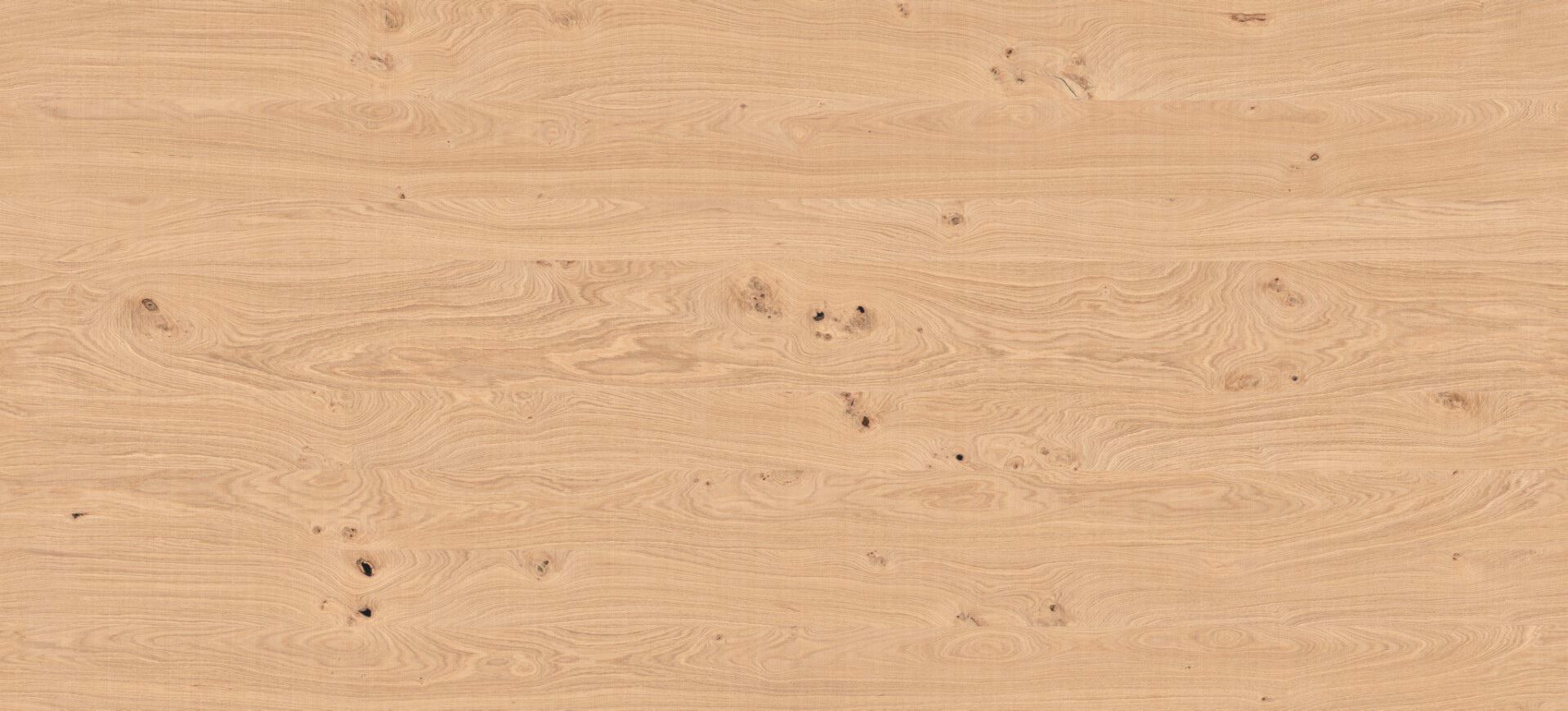
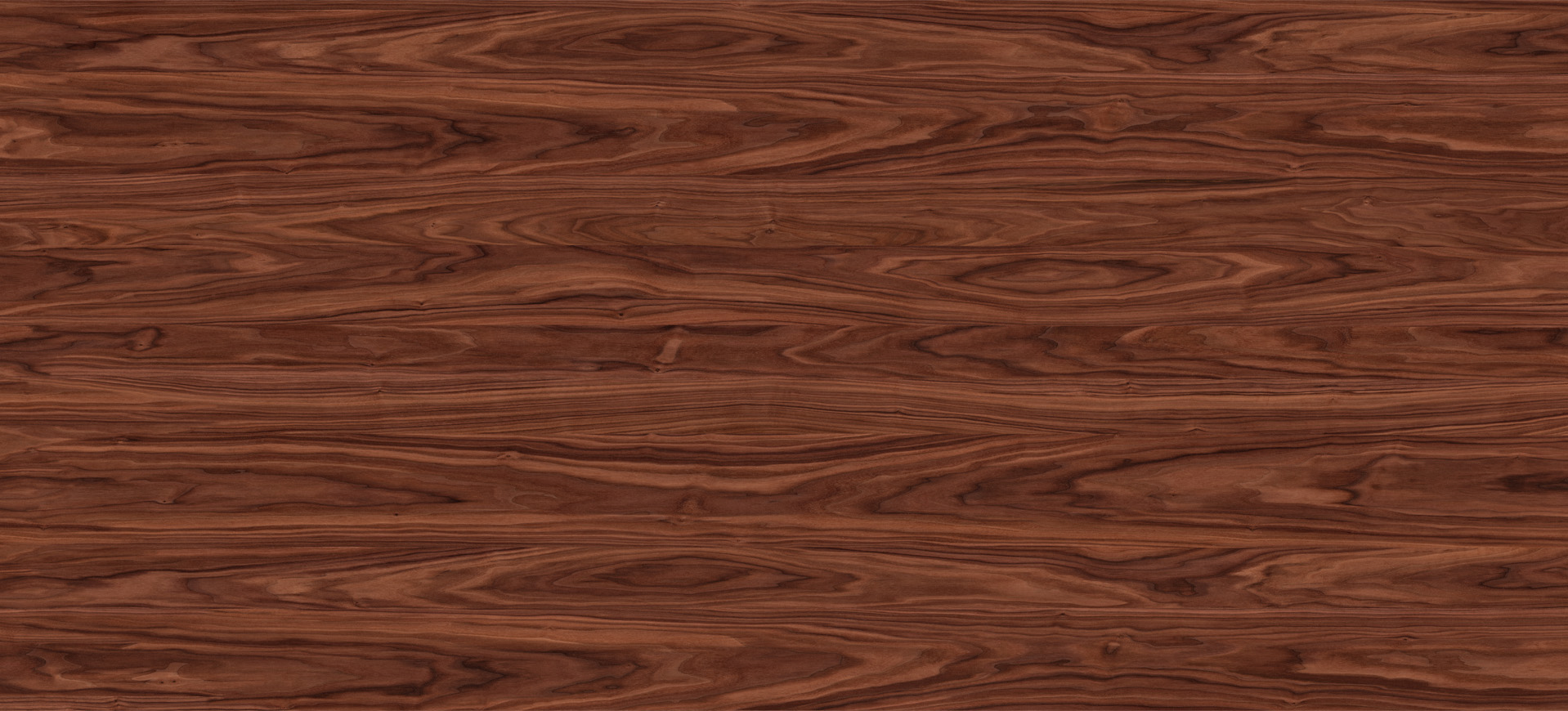
Not sure about the material?
Order colour samples and compare the materials at home, in your own light and interior.
Order colour samples


No products match this combination
Adjust or remove a filter to see results again.

Looking for an oval ceramic dining table that seats ten or more guests in comfort? In our range, oval ceramic runs all the way up to 3200 × 1600 mm, which makes it the largest table size Tulmans will build for you. The rounded ends keep that kind of length visually light, while the ceramic top shrugs off heat, scratches and stains without complaint.
Large gatherings normally force a compromise. The longer the table, the more is asked of the top, and that is exactly where solid timber reaches its limit. Ceramic moves that limit: the length can grow without costing you anything in hard-wearing quality.
Quick chooser before you read on.
- A regular party of eight to twelve people: oval ceramic from 280 cm long.
- Room shorter than 240 cm: look at round ceramic dining tables.
- Warmth and visible grain matter more to you than wear resistance: oval oak dining tables.
- Table for the terrace or the veranda: ceramic, also in the ceramic garden tables category.
- Unsure about the colour: order material samples from €2.50 first through ordering material samples, refunded on return.
Oval ceramic dining table: large, hard-wearing and low-maintenance
An oval ceramic dining table brings together two qualities that rarely meet in one piece of furniture: plenty of seats and a top that asks almost nothing of you. The material is sintered at extremely high temperature, which leaves the surface as hard as stone. Whatever you put down on it stays on the surface.
Sintered ceramic has very low porosity, so red wine, oil and coffee never sink into the top. A damp cloth is enough to bring the table back to clean, even hours later. On a table where a lot of people eat every single day, that saves work every evening.
The oval shape reinforces that practical character. There are no corners for anyone to shuffle up against, everyone faces everyone else, and chairs can be spread out more freely than at a rectangular table. Above three metres in length that difference in daily use becomes very noticeable.
The top is 12 mm thick and the standard table height is 76 cm. Every size is made to measure down to the millimetre, so you never have to round your room up or down to a standard format. The full range sits under ceramic dining tables and the shape variants under oval dining tables.
Up to 3200 × 1600 mm: room for ten people and more
The maximum size for oval ceramic is 3200 × 1600 mm. That is the largest format in the entire collection, in any material at all. Anyone looking for a table for family dinners, meetings at home or a laid table with ten covers ends up at this shape and this material.
For the number of seats you count along the long sides. The guideline is 70 to 75 cm per person, plus one chair at each end. Allow at least 80 cm of clear walking space all round the table as well, so chairs can push back without meeting a wall or a cabinet.
One detail deserves attention on an oval: the long side narrows as it runs towards the ends. Work with the straight middle zone rather than the full length. The guideline below already takes that into account.
- 200 × 100 cm: two chairs per long side plus two ends, guideline six people.
- 240 × 110 cm: three chairs per long side plus two ends, guideline eight people.
- 280 × 120 cm: three to four chairs per long side plus two ends, guideline eight to ten people.
- 300 × 130 cm: four chairs per long side at 75 cm per person plus two ends, guideline ten people.
- 320 × 160 cm: four chairs per long side at roughly 80 cm per person plus two ends, guideline ten people seated generously.
Twelve seats on 320 cm is possible, but the space per person then drops to about 64 cm. That is tighter than the guideline of 70 to 75 cm and you feel it during a long dinner. So choose twelve covers deliberately, or stay at ten with room for your elbows.
Measure your room again before you settle on the maximum size. A table of 320 × 160 cm with an 80 cm walkway all round needs a clear floor of 480 × 320 cm. If that does not fit, keep the length and pull the width back: on an oval you still gain two seats at the ends.
The width also decides how the table gets laid. From 120 cm you can run a centre band of serving dishes and candles between two rows of plates. Below 110 cm you lay it more narrowly and serve more often from a side table.
29 colours: marble look on an oval shape
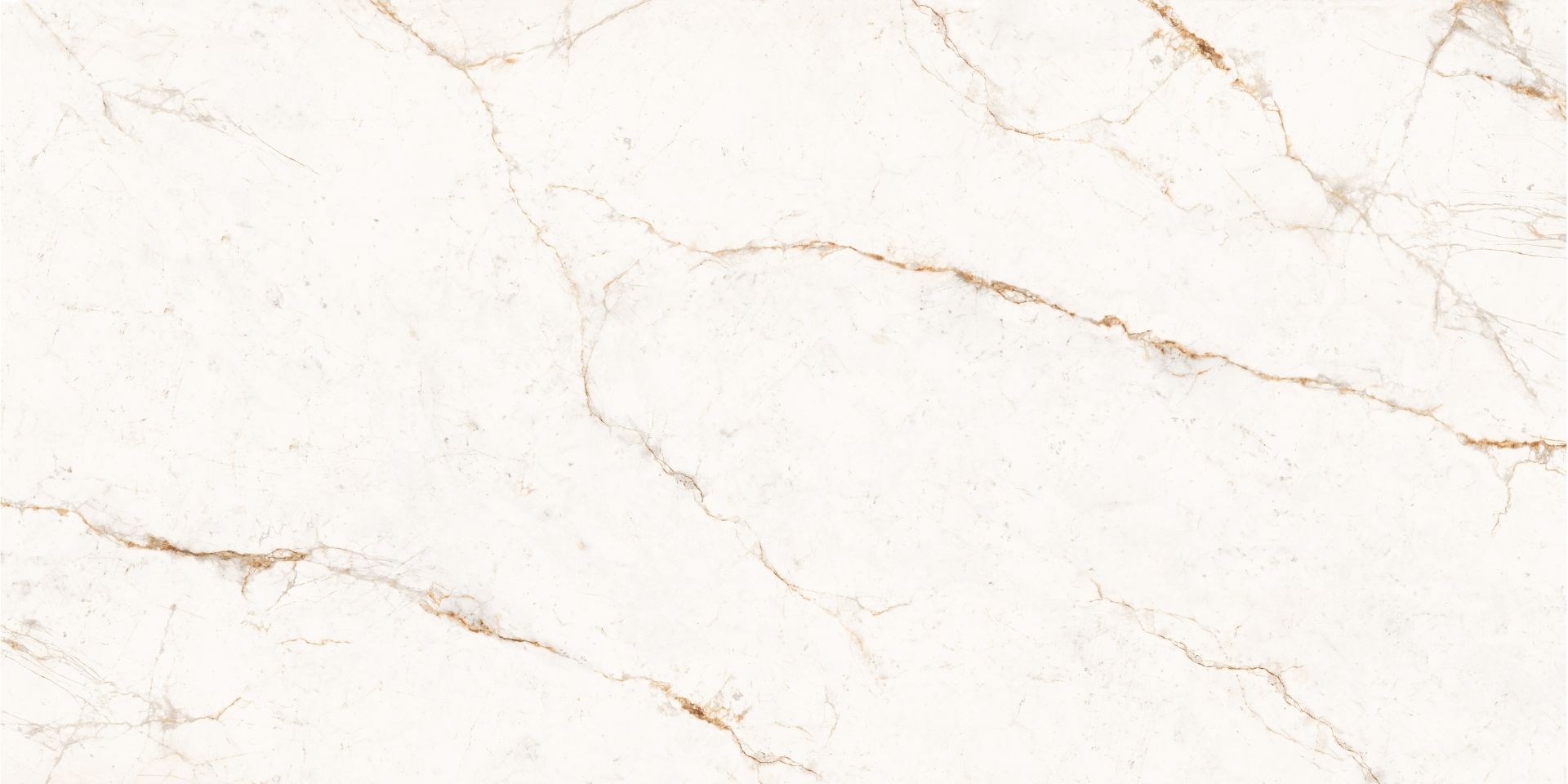
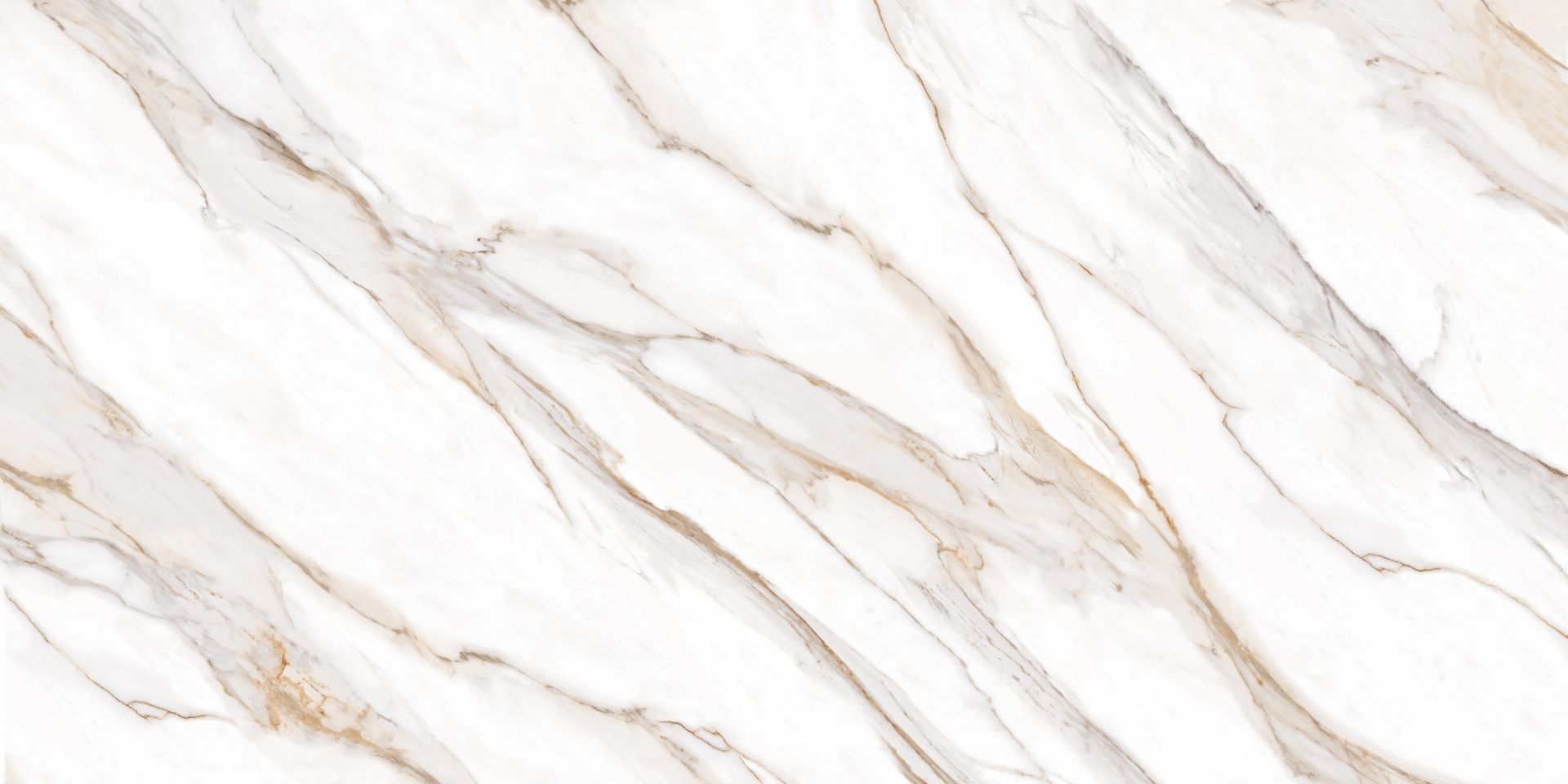
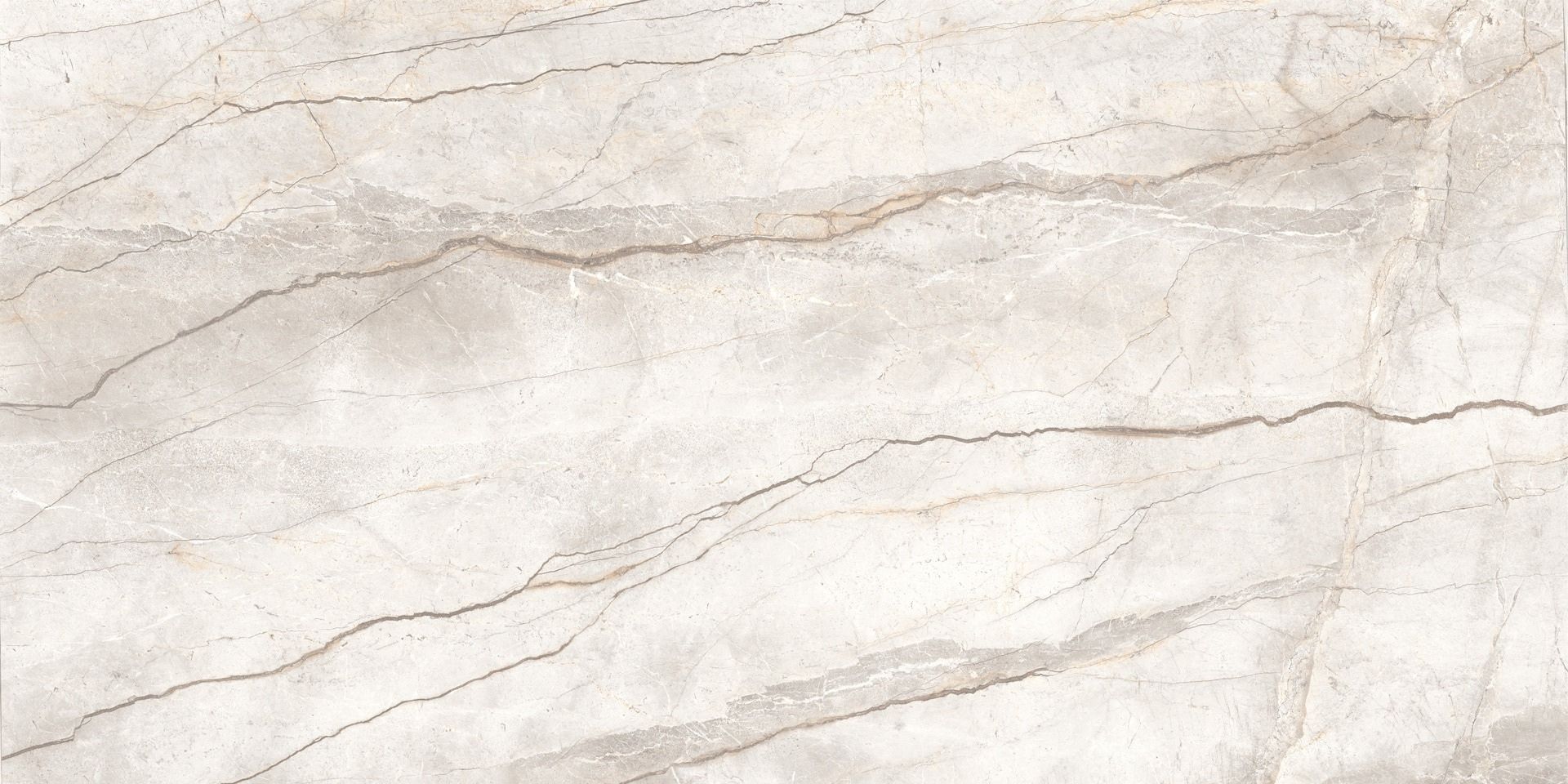
Marble look on an oval shape is the most requested combination in ceramic, and there is a sound reason for that. The veining runs through to the edge without a single corner, so the top reads as one continuous plane. On a rectangular table that same pattern is optically cut short by the corners.
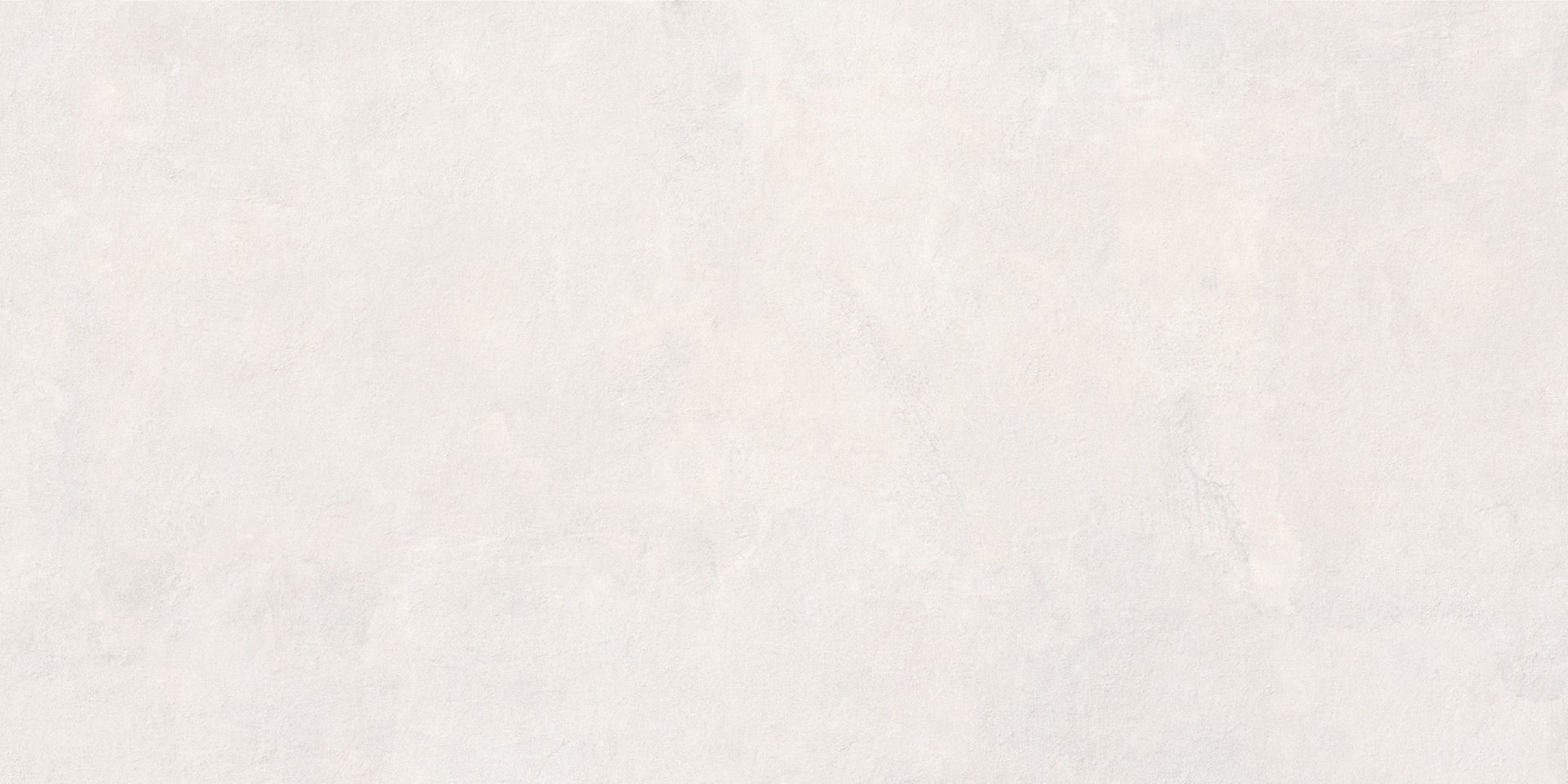
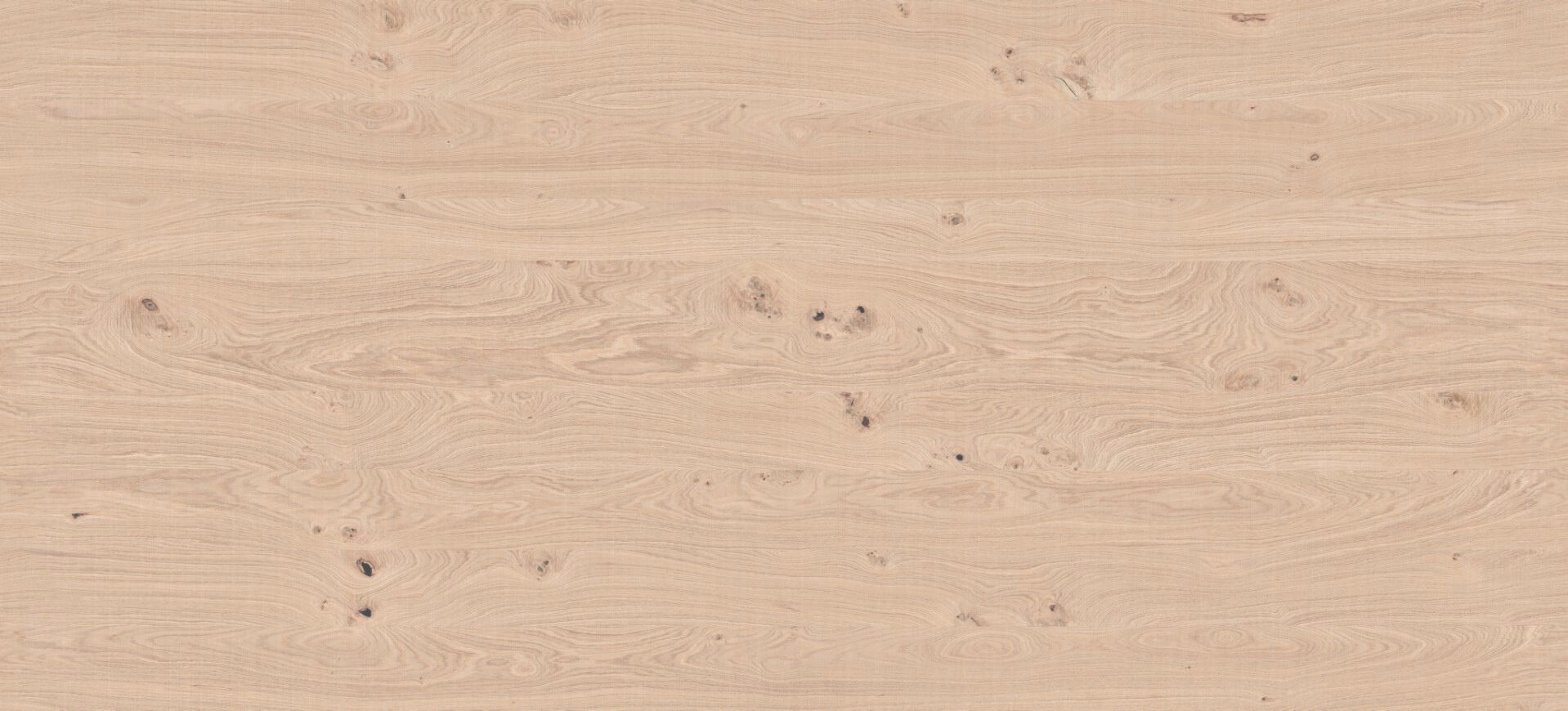
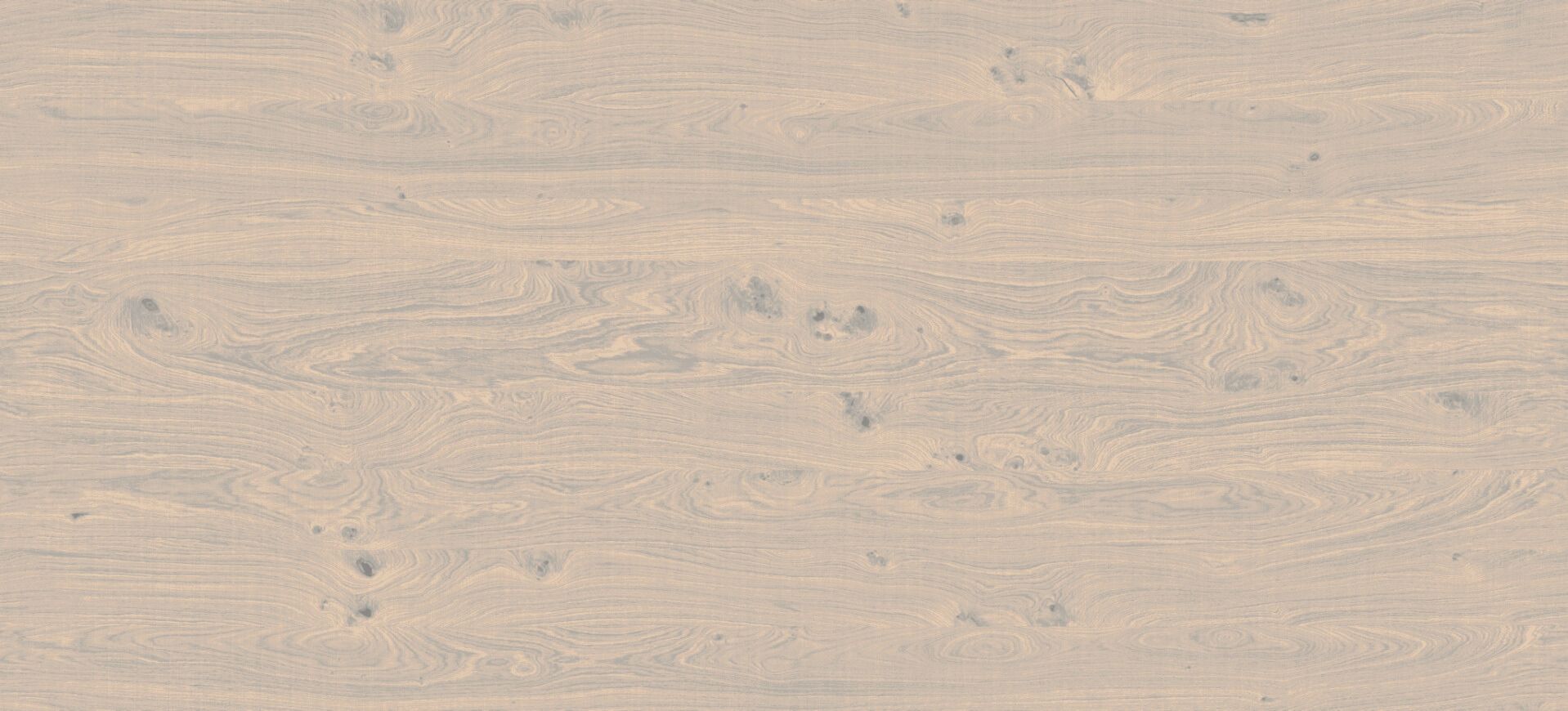
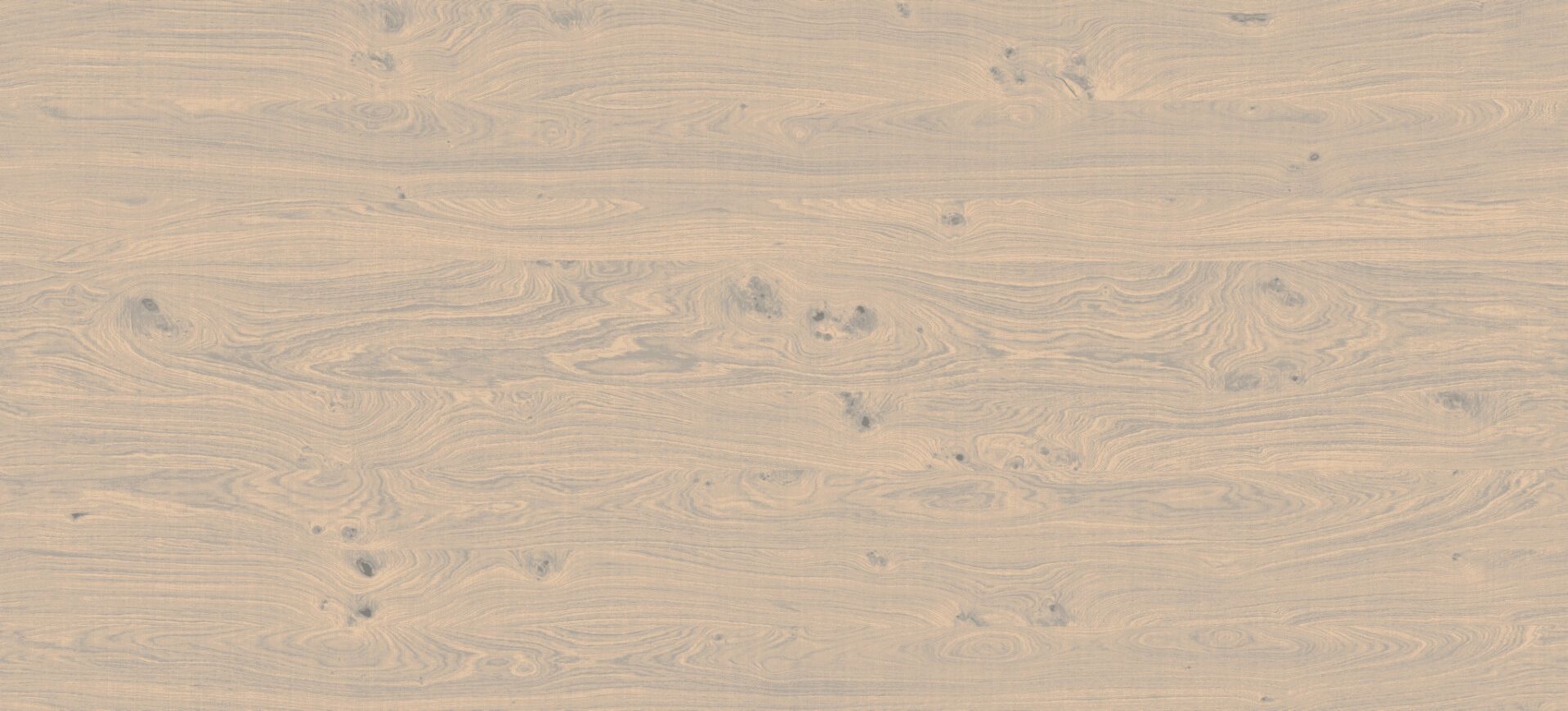
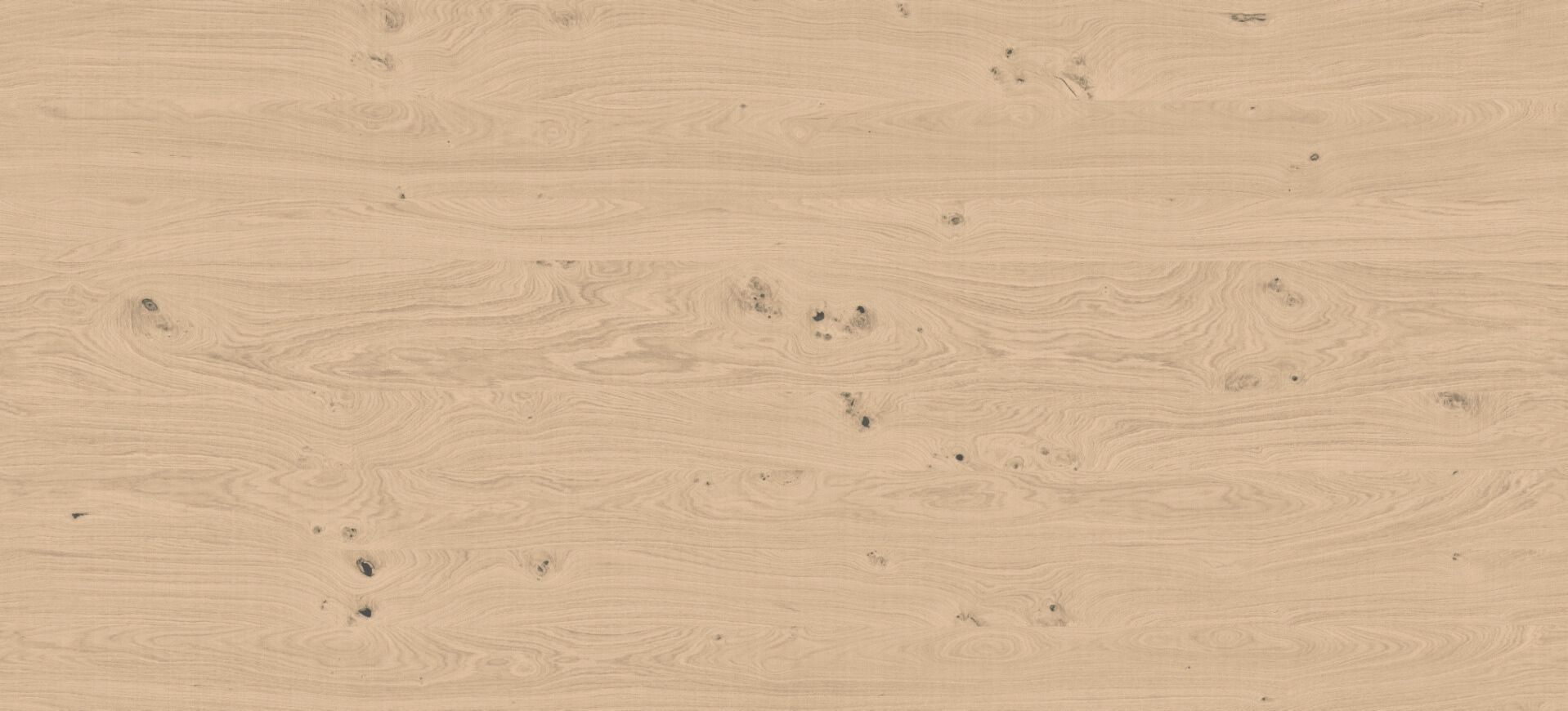
You choose from 29 colours, from a pale marble look with fine veining to darker versions with a graphic flow. There are also concrete-look decors and plain shades for anyone who wants a calmer surface. All decors can be viewed under ceramic table tops.
At large sizes the colour choice weighs heavier than on a compact table. A top of three metres is a substantial plane in the room: a pale marble look keeps the space open, while a dark decor makes the table the centre of gravity of the interior. For that reason, never judge a colour on a screen alone.
Order material samples from €2.50 instead and lay them out in your own light, during the day as well as in the evening. The amount is refunded when you return the samples. Everything available is listed under material samples.
Indoors and outdoors with the same top
Ceramic is UV-resistant and does not fade in sunlight. That makes an oval ceramic dining table just as usable on the terrace as in the dining room. It is what makes the shape interesting for covered outdoor spaces, where large groups gather through the summer.
The same sizing applies outdoors: oval ceramic runs up to 3200 × 1600 mm there too. Rain, sun and temperature swings leave the top untouched, and a hot dish straight off the barbecue may go directly on it. The outdoor range sits under ceramic garden tables and in the wider overview of garden tables.
Outdoor use does call for attention to the base rather than the top. Brushed 304 stainless steel is naturally corrosion-resistant and needs no extra coating outside. Powder-coated steel with an exterior primer is just as suitable, as explained further on under the base choice.
The honest drawbacks of ceramic
Ceramic has three properties you should weigh up in advance, certainly at this scale. None of them is a fault, but together they decide whether the material suits your situation. Here they are without any dressing up.
The weight comes first. Ceramic is a heavy material and on a top of three metres that counts double. Positioning is done by several people at once, and a doorway or a staircase has to be checked beforehand.
Choose the spot in the house carefully for that reason. An oval ceramic dining table of these dimensions is not something you shift aside for cleaning or during building work. Think through the walking routes around it and the position relative to the window in advance.
Hard point loads on the edge are the second thing to note. The surface resists scratches and heat effortlessly, but a heavy pan that lands exactly on the rim of the top can cause damage. Within the plane itself that barely plays a role.
The third point is how it feels to the touch: ceramic feels cooler than wood. For some people that is precisely the crisp character they are after, for others it lacks the warmth of a wooden top. If you recognise yourself in the latter, you are better served at oval oak dining tables or in the wider range of oak dining tables.
Choosing the base: steel or stainless steel
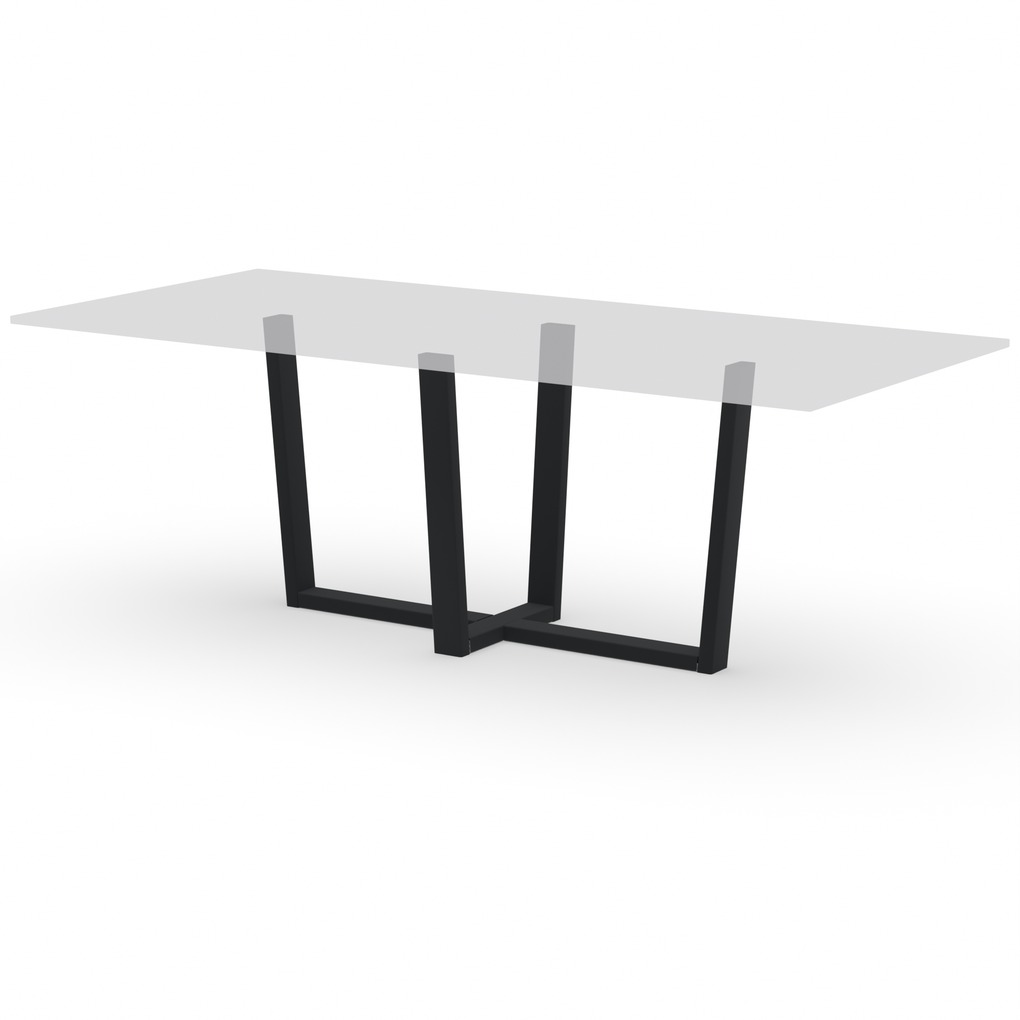
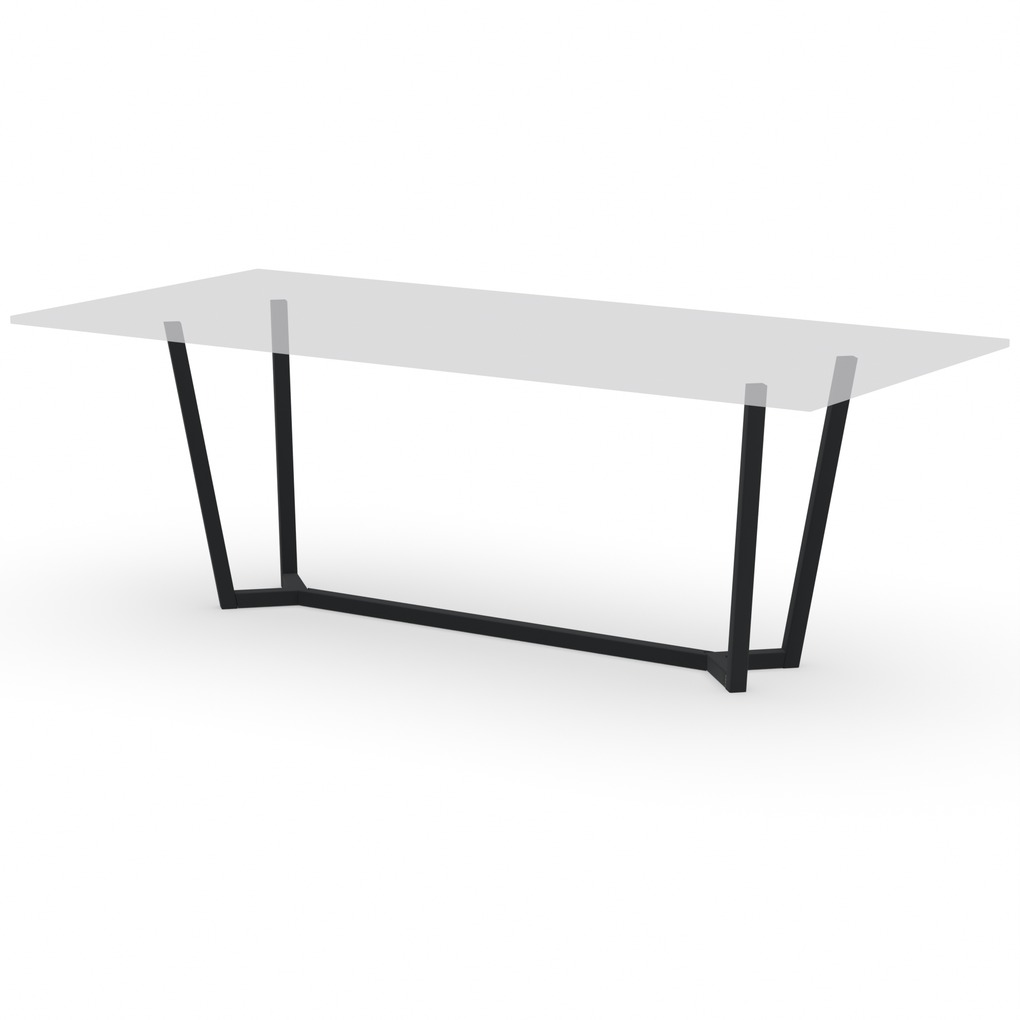
With a top of up to 3200 mm the base is no side issue. It carries the full length of the top and at the same time decides how much legroom is left per seat. Tulmans offers two versions, and the choice between them is an aesthetic one rather than a functional one.
Powder-coated steel is available in any colour you like, with a fine-texture powder coating that gives the surface a matt depth. The frames are welded in our own workshop in Maasbree, Netherlands. The drawback deserves naming honestly: the coating layer can be damaged by a heavy impact.
Brushed 304 stainless steel is the second route. The material is naturally corrosion-resistant and needs no coating outdoors, which makes it maintenance-free on the terrace. Fingerprints do show on the brushed texture, but a cloth removes them easily.
So steel is no better than stainless steel, and the reverse does not hold either. Steel with an exterior primer stands outside without any trouble at all. View the versions under steel table bases, under stainless steel table bases or in the full overview of table bases.
At large sizes, think about the chairs as well. Ten to twelve chairs shape the look of the room at least as strongly as the table itself. A matching selection sits under dining chairs.
Oval ceramic or oval oak: the comparison
The choice between oval ceramic and oval oak comes down to wear resistance against warmth. Both shapes read as soft, and both are made to measure down to the millimetre. The difference sits in the top, and that difference is decisive for daily use.
| Property | Oval ceramic | Oval oak |
|---|---|---|
| Maximum size | up to 3200 × 1600 mm | made to measure, maximum per model shown in the 3D configurator |
| Top | sintered ceramic, 12 mm thick | solid oak with an open, visible grain |
| Heat | hot pan may go straight on the table | use trivets |
| Scratches | very high scratch resistance | the wood shows its history over the years |
| Stains | very low porosity, moisture does not sink in | wipe up spills quickly |
| Outdoors | suitable, UV-resistant and colourfast | for outdoors Tulmans advises ceramic |
| Touch | feels cooler | feels warmer |
| Colours | 29 colours, including marble look and concrete look | wood grain with a choice of stain |
| Maintenance | a damp cloth is enough | follow the care advice for solid timber |
| Suits | large gatherings, families, indoors and outdoors | anyone after warmth and natural markings |
The deciding advice is short to summarise. If you regularly eat with eight people or more, if the table is in use all day long, or if you want to be able to put it outside, then oval ceramic is the logical choice. The sizing up to 3200 mm is moreover available in this material only.
If the warmth of wood weighs heavier for you and the party usually stays under eight people, choose oak. If you want that wooden warmth in a lighter, more styled model, look at Danish oval dining tables. A broader weighing-up of materials and shapes is set out in the ceramic dining table guide.
Putting your oval ceramic dining table together
You put the table together yourself in the 3D configurator. There you choose shape, length, width, colour and base, and every choice shows you the matching price straight away. The 3D model turns along with you, so you can judge the proportion between top and base at true size.
At large sizes, work from the outside in. First establish the maximum length the room allows including an 80 cm walkway, then choose the width on the basis of the number of covers, and leave the colour until last. That stops a chosen decor from quietly steering the sizing.
If you would rather see a top of three metres in real life first, come by the showroom in Maasbree. Tables stand set up there and all the ceramic decors lie side by side, which at this scale tells you far more than a sample held in the hand. The frames are welded just down the road in our own workshop in Maasbree, Netherlands.
Construction and finish carry a 2 year guarantee. Delivery is available throughout the Netherlands, Belgium and North Rhine-Westphalia (Germany), with free delivery on orders above €2500 in the Netherlands and Belgium. If you would like a step-by-step approach, read choosing a made-to-measure dining table or browse the full range of dining tables.
Caring for an oval ceramic top
Maintenance is limited to wiping the top with a damp cloth. Thanks to the very low porosity, dirt barely clings to the surface and aggressive cleaners are unnecessary. A neutral all-purpose cleaner is enough for more stubborn residue.
Hot pans may go straight on the table, with no trivet underneath. At a table laid for ten people that saves a considerable amount of fuss, because serving dishes can come out of the oven onto the top. Cutting on the top leaves no marks either, although a chopping board stays kinder to your knives.
Protect the edge, not the plane. The upper surface handles daily use without trouble, but a heavy pan that lands on the rim of the top can cause damage. So lift heavy pans over the edge rather than sliding them across it.
The base comes with points of its own. Wipe powder-coated steel with a soft cloth and no abrasive, so the fine texture stays intact. Wipe brushed stainless steel in the direction of the brushing, which makes fingerprints disappear at once.
All the care advice per material is collected on the table care page. There you can also read what to do about specific stains and how to bring a table that stands outside through the seasons.
Read moreRead less
Last updated: September 3, 2026