Oval oak dining tables
Complete your dining area.
Choose chairs for your tableFilters0
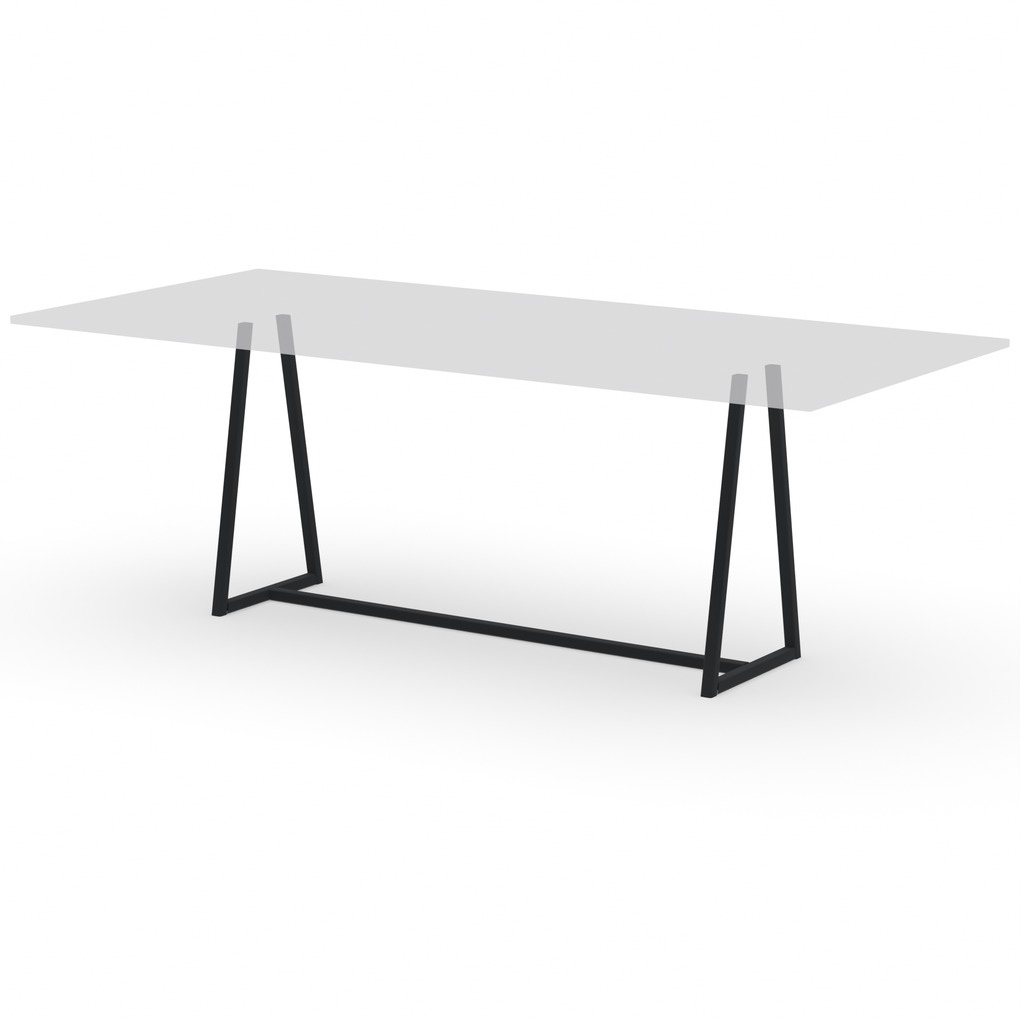
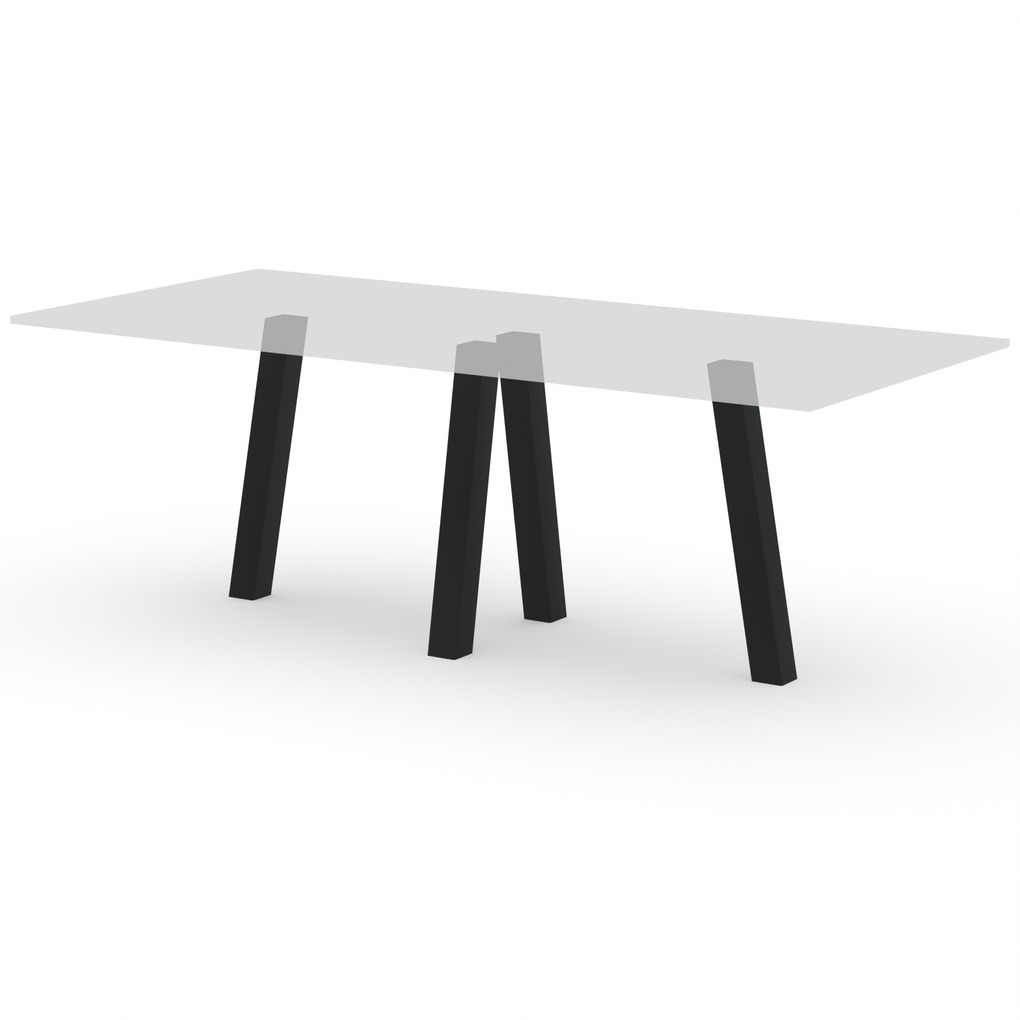
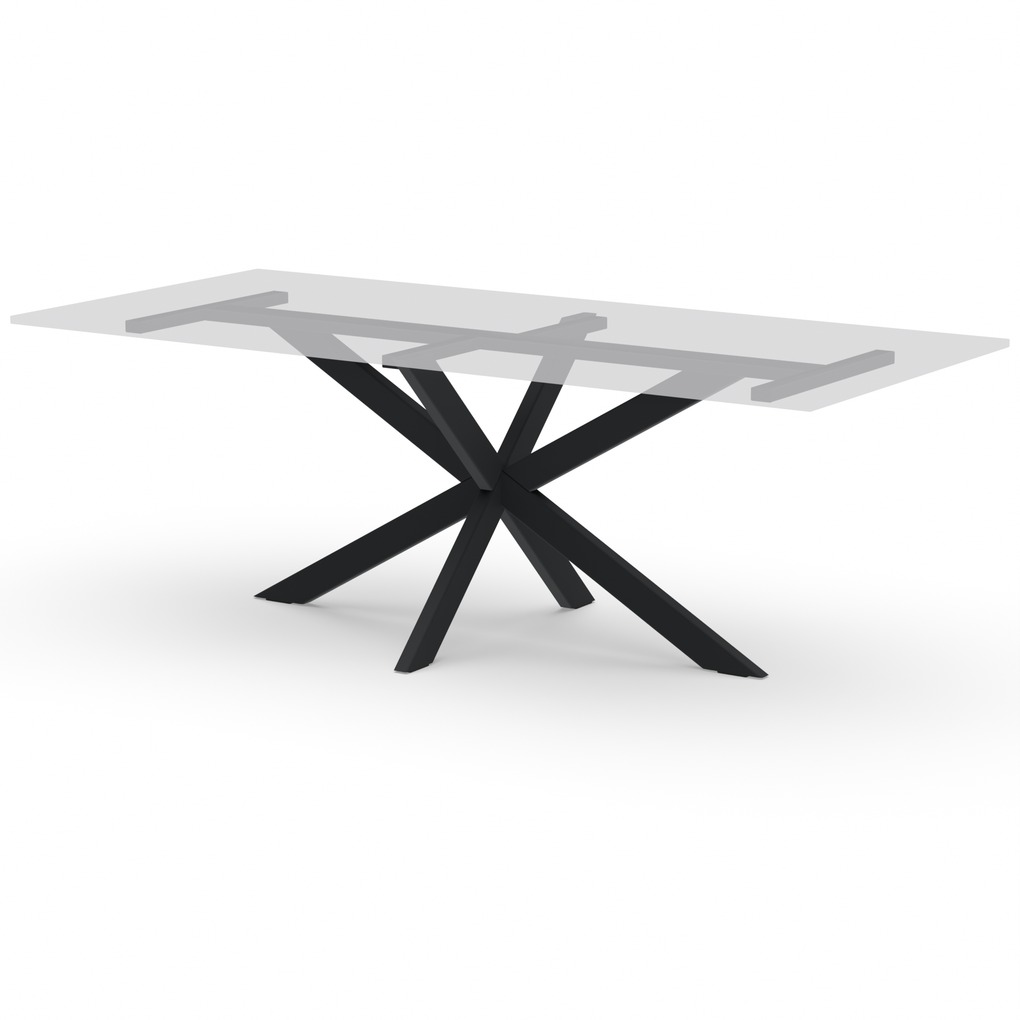
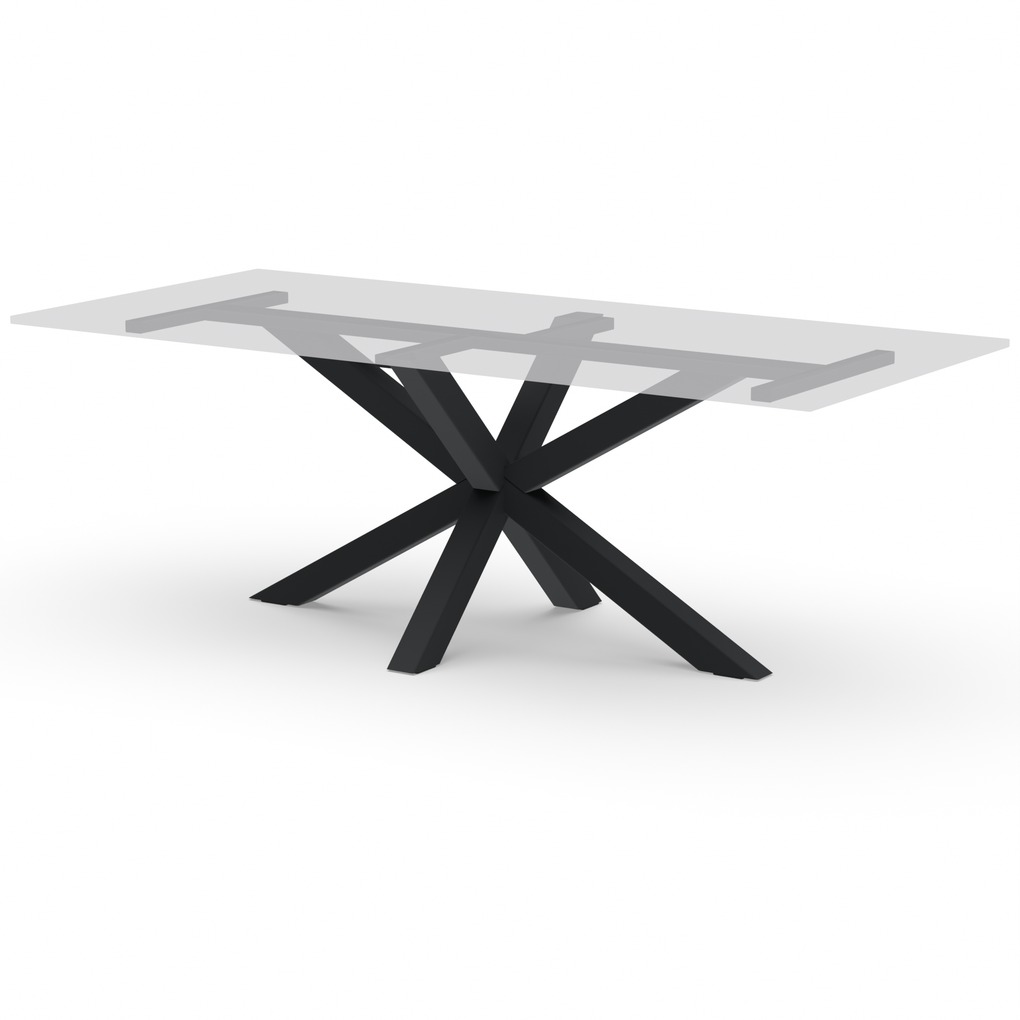
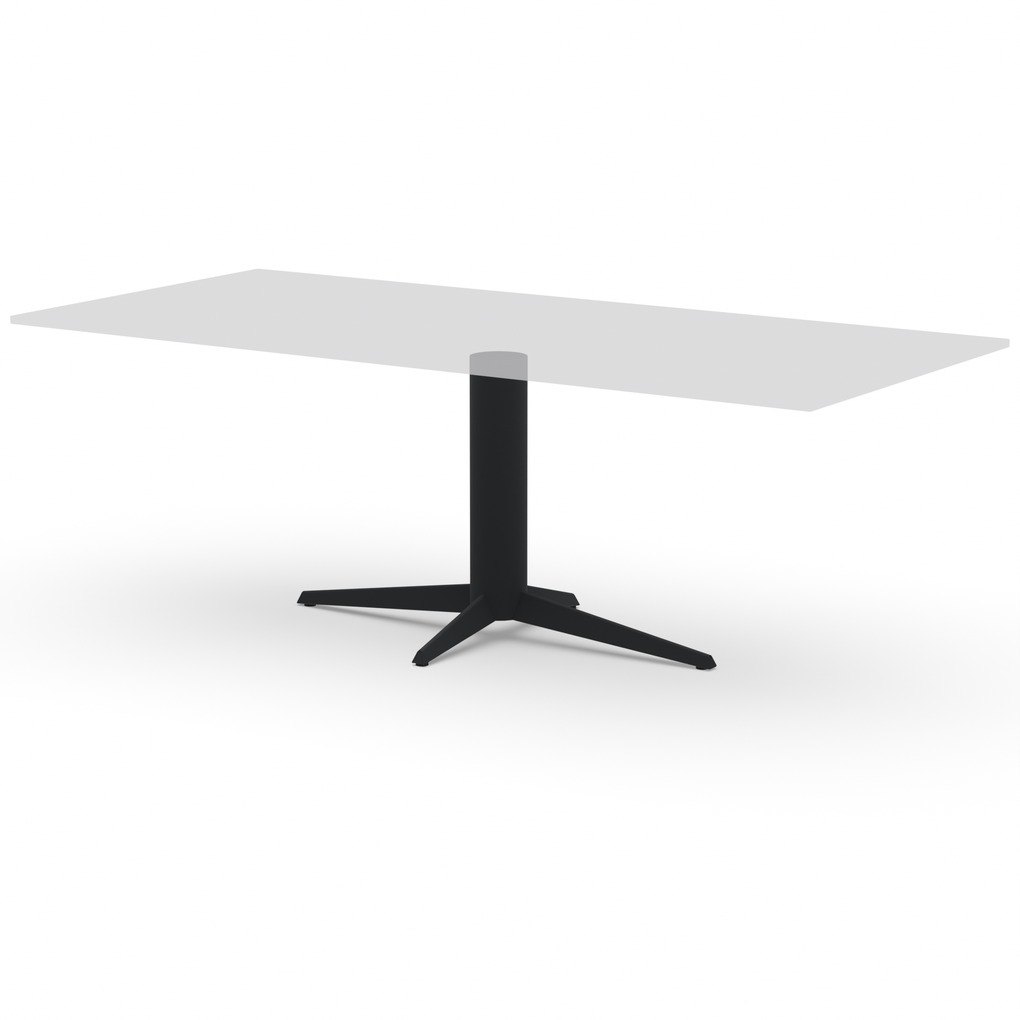
10 products


colour samples, €2.50 each
Not sure about the material?
Order colour samples and compare the materials at home, in your own light and interior.
Order colour samples


No products match this combination
Adjust or remove a filter to see results again.

Looking for an oval oak dining table that seats the whole family every day? The oval shape gives you plenty of seats without sharp corners, and solid oak brings the warmth of real wood to the top. Below you will find the lengths, the stain colours and the bases set out side by side.
Quick sizing guide: allow 70 to 75 cm per person along the long sides and keep 80 cm of walking space clear all round. A table of 180 cm seats six comfortably, 220 cm seats eight. From 280 cm upwards it becomes a family table for ten or more.
Oval oak dining table: plenty of seats without sharp corners
The oval shape beats a rectangle as soon as children start walking around the table. There are no sharp corners at toddler eye height, and the continuous curve makes it easier to squeeze past in a narrow dining room. That is precisely why so many families choose an oval top over a classic rectangle.
The second advantage is the sightline at the table. Around an oval top everyone faces everyone, including the people seated at the rounded ends. At long rectangular tables the conversation tends to split into two separate halves.
Solid oak keeps the whole thing homely rather than severe. The top is 40 mm thick, feels reassuringly solid and can be sanded back and refinished, which is impossible with veneer. Oak is medium-hard, so normal family wear is no problem.
The curve is practical when the table is full as well. Dishes and plates slide along the curved edge without anyone having to reach around a corner. The rounded ends also leave room for a high chair, which always sits awkwardly against a square corner.
The grain does a lot of the work in a busy household. Every board carries its own drawing, so the marks of daily use settle into that pattern instead of standing out against a flat surface. A top that is used every day therefore ages into something more lived-in rather than something worn out.
- Maximum size: 3000 × 1300 mm, made to measure down to the millimetre
- Standard table height: 76 cm
- Top: solid European oak, 40 mm thick
- Finish: your choice of stain plus two coats of clear matt 2K lacquer
- Base: powder-coated steel or brushed stainless steel 304
Would you like to see the wider range first? Browse all oval dining tables or the complete oak dining tables category. For other shapes and materials, the overview page with dining tables is ready and waiting.
Which length for how many people
Length determines the number of seats, not the shape. Allow 70 to 75 cm per person along the long sides; anything tighter means eating elbow to elbow. The rounded ends of an oval usually add one place each.
| Length | Guideline number of people | How the places divide up |
|---|---|---|
| 160 cm | 4 to 6 | 2 per long side, plus 2 end places if people sit close together |
| 180 cm | 6 | 2 per long side plus 2 end places |
| 200 cm | 6 to 8 | 2 with room to spare or 3 close together per long side |
| 220 cm | 8 | 3 per long side (roughly 73 cm each) plus 2 end places |
| 240 cm | 8 | 3 with room to spare per long side plus 2 end places |
| 260 cm | 8 to 10 | 3 very generously or 4 close together per long side |
| 280 cm | 10 | 4 per long side (roughly 70 cm each) plus 2 end places |
| 300 cm | 10 to 12 | 4 with room to spare per long side, 5 only if people sit close together |
Keep at least 80 cm clear all round so people can walk past and push their chairs back. Measure your dining room first: a top of 240 cm plus twice 80 cm calls for a room of roughly 400 cm long. If that does not fit, a shorter table with compact dining chairs is the better move.
Torn between two lengths? Choose the longer one if guests join you regularly, and the shorter one if the table is mainly for everyday use. The guide to choosing a made-to-measure dining table works through that trade-off step by step.
High chairs need their own place in the sum. A high chair takes up about as much room along a long side as an adult place, but it usually sits more conveniently at a rounded end. So count two high chairs as two full places.
Watch the ratio between length and width too. An oval of 300 by 100 cm looks narrow and drawn out, while 300 by 120 cm sits far more calmly in the room. You see that proportion on screen the moment you enter your measurements.
Width counts just as much as length. A top of 100 cm wide lets two place settings face each other with room for serving dishes down the middle; 110 to 120 cm feels more generous on long tables. Anything up to 1300 mm wide is possible, including in-between sizes of a few millimetres.
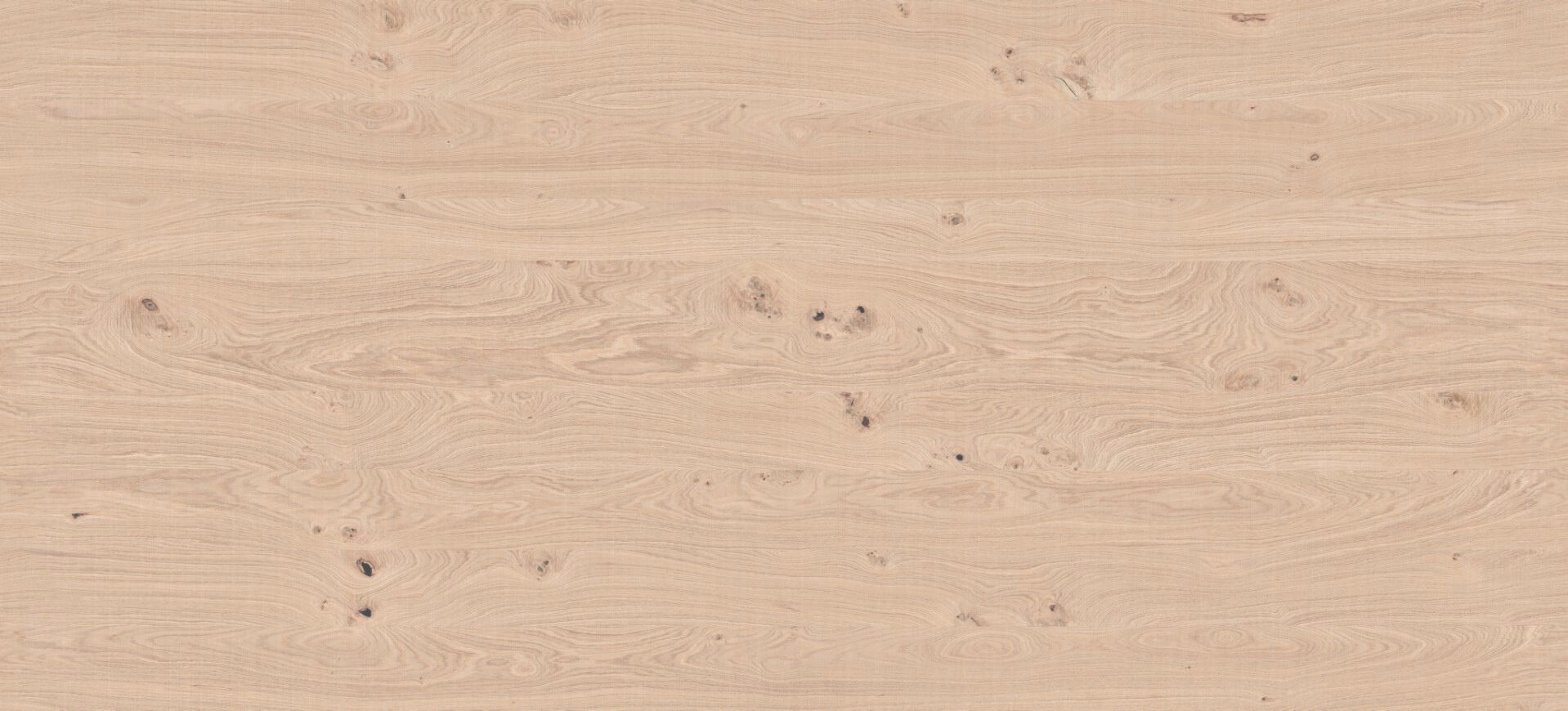
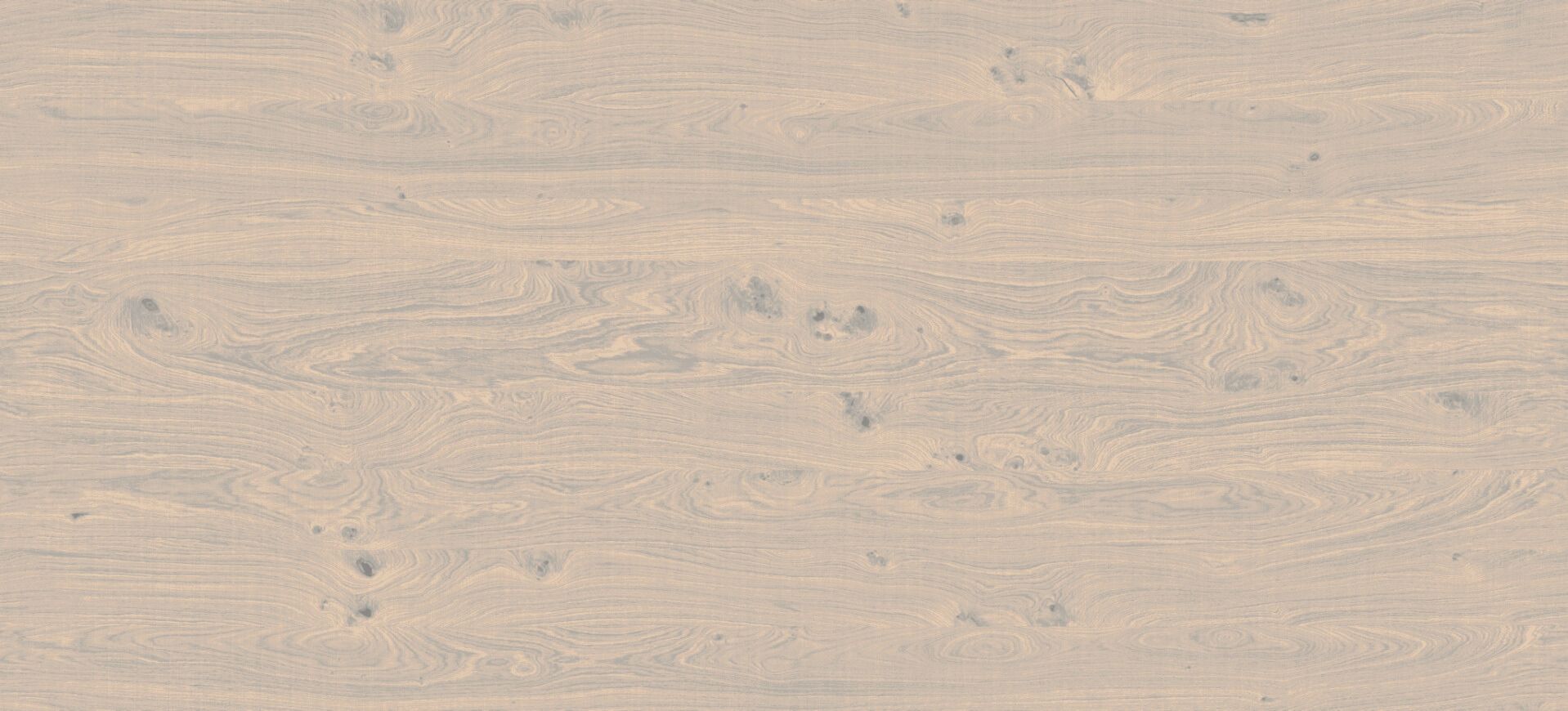
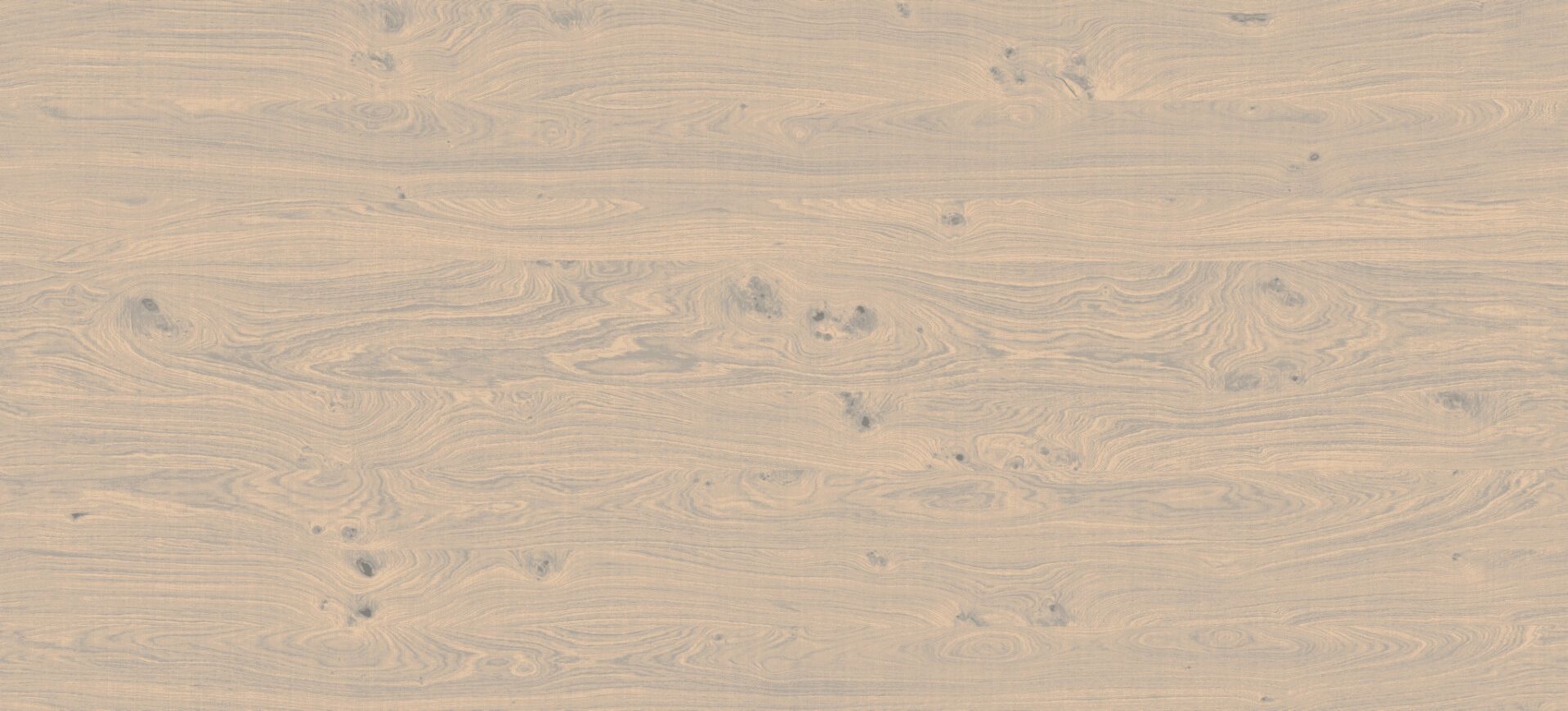
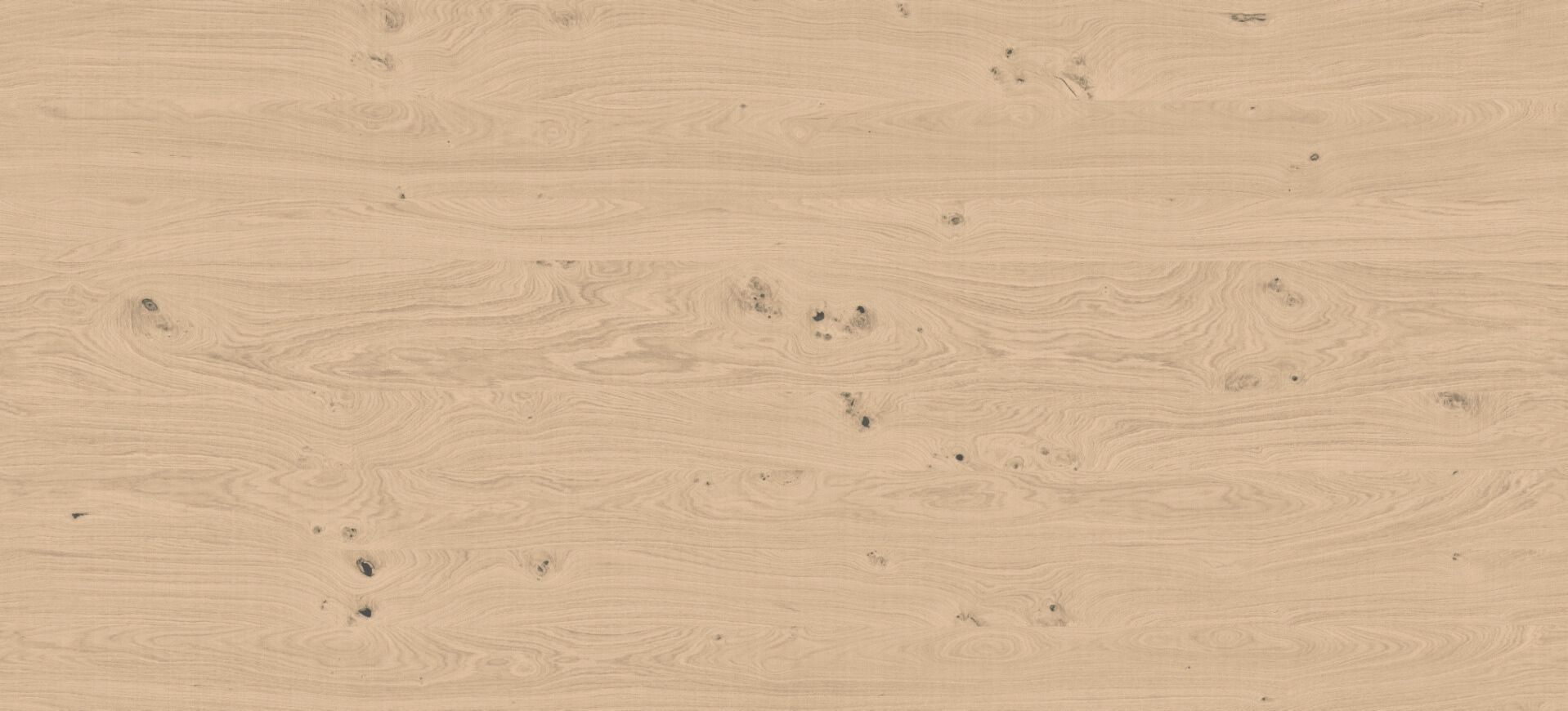
19 stain colours: from pale natural to black oak
Oak can be finished in 19 stain colours, from pale natural to dark, almost black tones. Two coats of clear matt 2K lacquer then lock in the colour and protect the top. A black oak dining table in an oval shape therefore stays matt and never turns glossy.
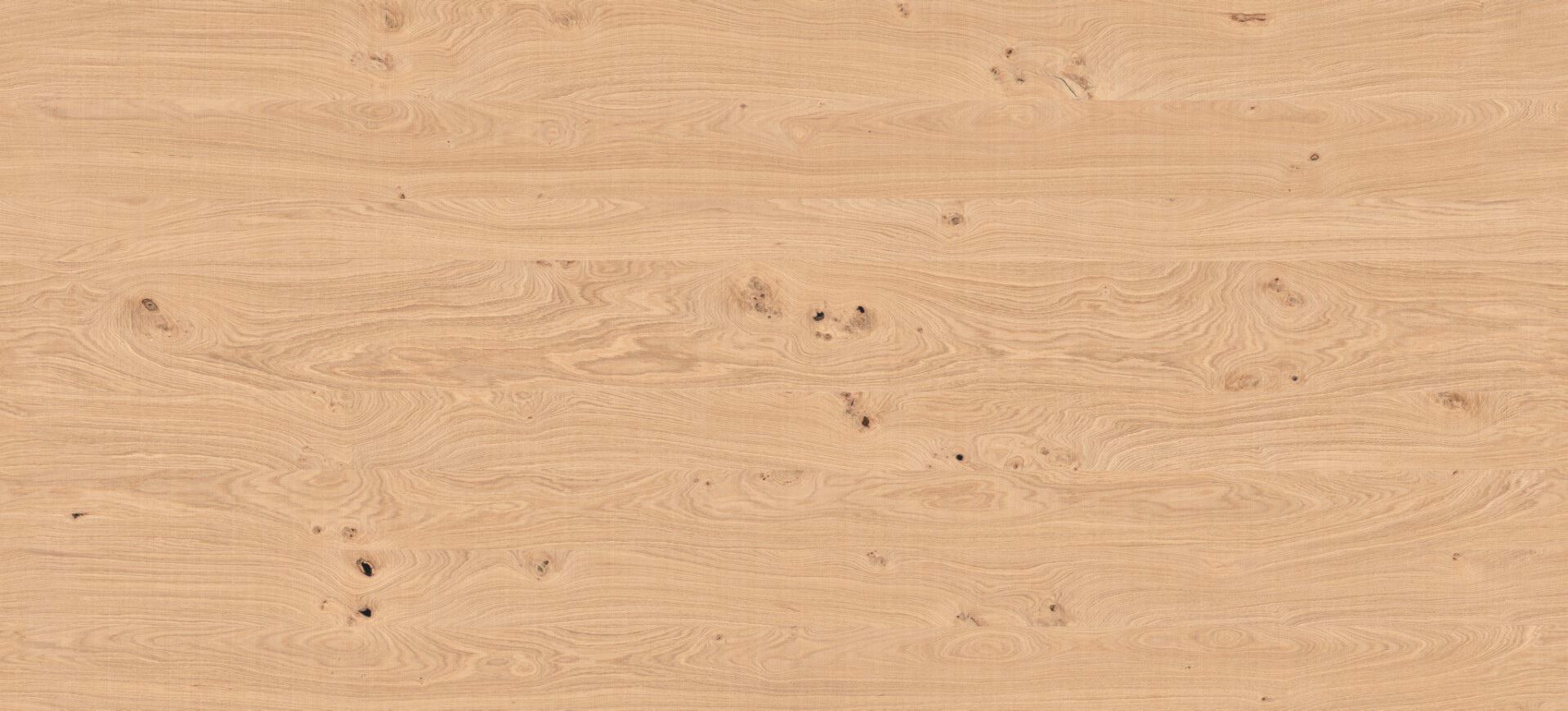
The wood brings its own honey to golden brown tones, with a pronounced open grain. No two tops are alike, because every board carries its own drawing. Over the years that colour deepens and grows warmer.
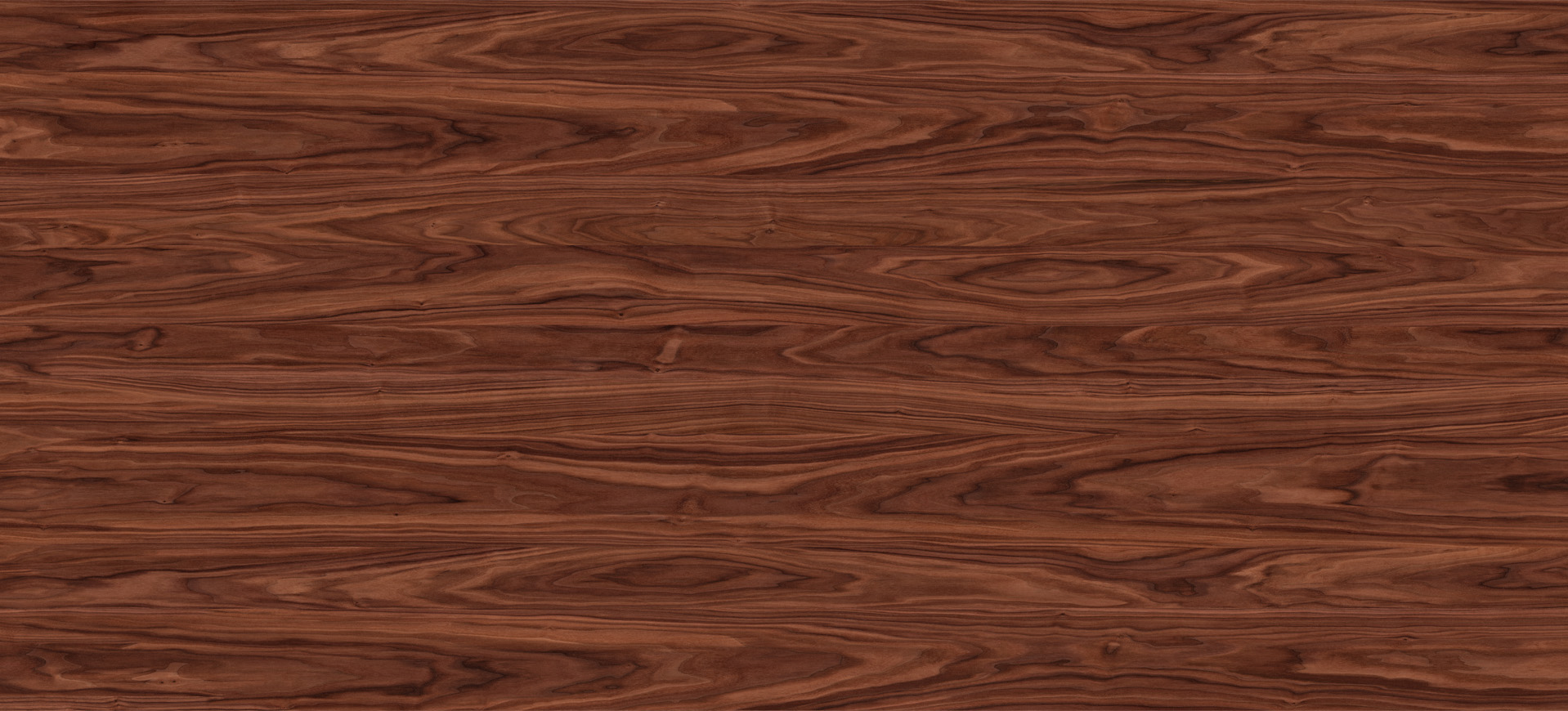
Dark stains make a long table look calmer, pale tones keep a small dining room airy. In an interior with a lot of white, a dark top works as the centre of the room. Against a pale floor a natural stain gives a soft transition instead.
With an almost black stain, pay attention to the light in the room. Dark wood shows dust and crumbs slightly sooner than a mid tone, while the open grain stays visible because the stain colours the wood rather than covering it. That difference from a closed paint film is exactly why oak still reads as wood.
Match the stain colour to the base deliberately. A dark top on a black base reads as one whole, while the same top on stainless steel gives contrast and seems to float. Both combinations can be placed next to each other in the configurator.
Order material samples before you settle on a stain colour. Material samples from €2.50, refunded on return, so you can judge the colour at home against your own floor and daylight. Have a look at the range on the colour sample page.
Prefer to see the real thing straight away? In the showroom in Maasbree tops and bases are set out next to each other. Anyone who wants to compare other timbers will also find walnut dining tables there, along with the wider range of wooden dining tables.
Oval or Danish oval: the difference
A classic oval curves along its whole circumference, while a Danish oval has straight long sides with strongly rounded ends. That difference is small on paper and noticeable at the table. The straight sides of the Danish model give slightly more usable seating space at the same length.
The classic oval looks softer and suits a family with small children, because the curve runs all the way round. The Danish oval fits more tightly into a modern interior with straight lines. Both shapes can be made in solid oak; compare them on the page with Danish oval dining tables.
The shape also changes how chairs sit along the edge. Against a straight long side chairs line up neatly, whereas a fully curved edge lets you shift a chair a little without it looking out of place. In a room where seats move around every day, that small freedom is worth having.
Looking for something more compact for a smaller dining room? A round top keeps the conversation close together, but it adds seats less readily than an oval. The options are set out under round oak dining tables.
Choosing a base: powder-coated steel or brushed stainless steel
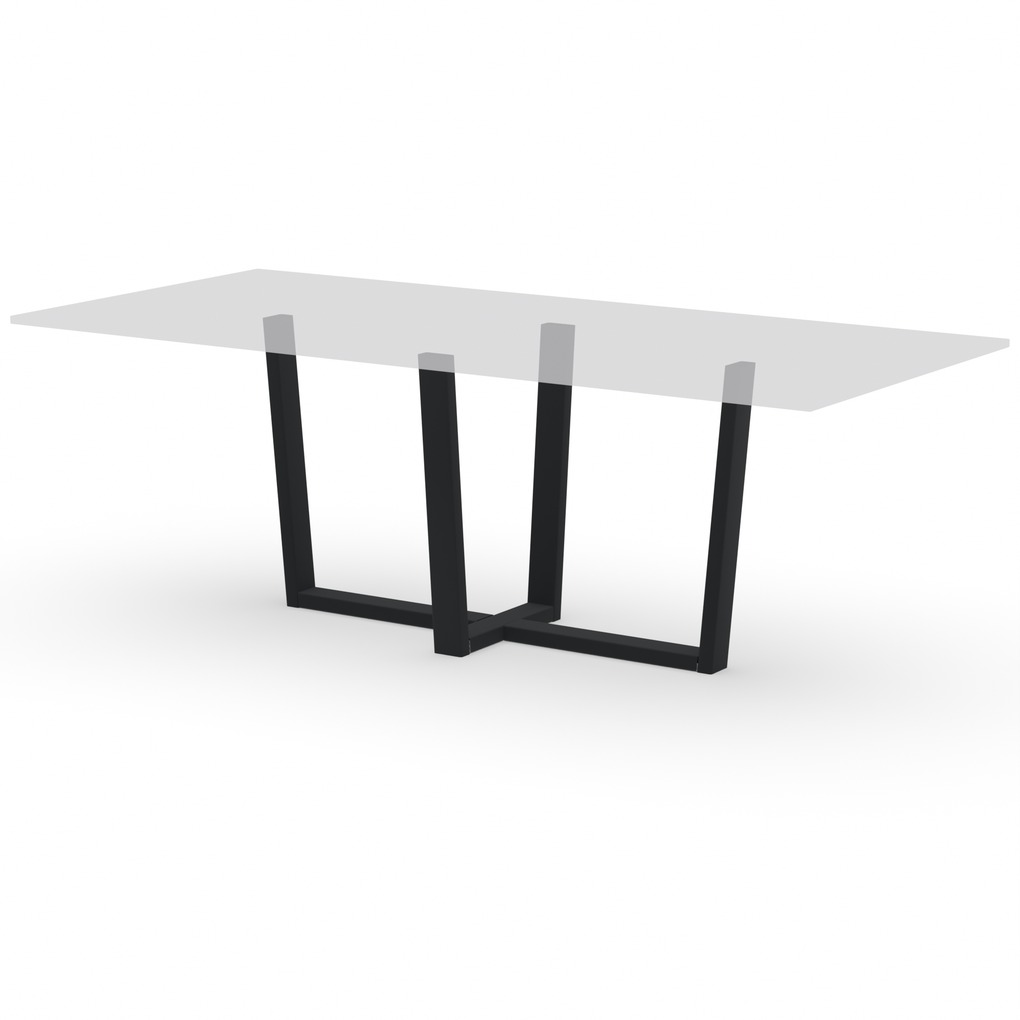
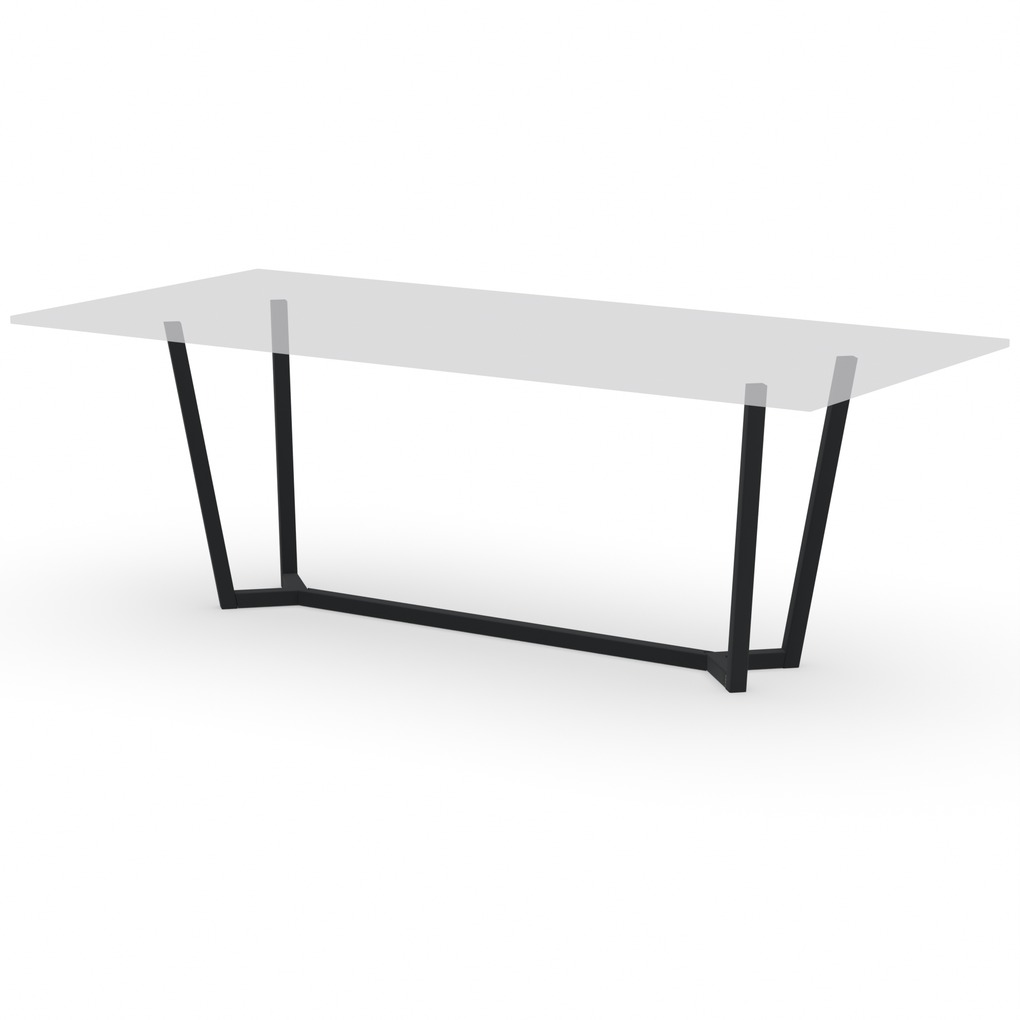
For the base you choose between powder-coated steel and brushed stainless steel 304. Both carry an oval oak top up to 300 cm; the choice is aesthetic rather than functional. Steel comes in any colour you like, stainless steel keeps its characteristic metallic sheen.
Powder-coated steel is given a fine-texture powder coating and is welded in our workshop in Maasbree, Netherlands. The drawback sits in that coating: heavy impact can damage it. A colour that follows the stain of the top keeps the picture calm, while a contrasting colour makes the base stand out.
Brushed stainless steel 304 is corrosion-resistant by nature and needs no coating at all. Fingerprints show on the brushed surface, but they wipe away easily. That makes stainless steel a quiet choice for anyone who would rather not have a coating down at floor level.
Both options carry the same top, so the decision is about the picture you want in the room. A base in the colour of the stain lets the table read as one piece of furniture, while a metal sheen draws a visible line under the top. Seeing the two side by side on screen usually settles it faster than reading about them.
- Powder-coated steel: any colour you like, fine texture, welded in our workshop in Maasbree, Netherlands
- Brushed stainless steel 304: corrosion-resistant in itself, fingerprints visible but wiped away in seconds
- Overview per version: steel table bases and stainless steel table bases
- All models together: table bases
Polish stainless steel along the direction of the brushed texture and never across it. Wipe a powder-coated base with a damp cloth and no abrasive, so the fine texture stays intact. Both versions carry a 2 year warranty on construction and finish.
Oval oak or oval ceramic: which suits your family
Oak and ceramic differ above all in how they feel and how they respond to daily use. Wood lives along with the household and can be repaired, ceramic stays crisp and hard. The table below sets the differences next to each other.
| Characteristic | Oval oak | Oval ceramic |
|---|---|---|
| Appearance | Warm, visible open grain, no two tops alike | Crisp and closed, calm colour field |
| Feel | Warm and soft under the hand | Cooler and harder |
| Hot pans | Always use trivets | Stands up well to heat |
| Scratches | Part of the material and lost in the grain | The hard surface does not scratch easily |
| Repair | Can be sanded back, even after years | Damage cannot be sanded out |
| Colour choice | 19 stain colours, from natural to almost black | Ceramic decors and colours per series |
| Care | Damp cloth, pH-neutral product on stains | Damp cloth |
| Suits | Families looking for warmth and repairability | Families who mainly want crisp, carefree meals |
Choose oak if the table is allowed to grow with the family and to be sanded back again in ten years. Choose ceramic if hot pans and busy mornings weigh more heavily than a warm wood grain. In that case have a look at oval ceramic dining tables or the wider range of ceramic dining tables.
Still torn between the two materials? Ask for a sample of each and leave them on your current table for a week. The difference in feel and in the way they catch the light is far clearer at home than on a screen.
Putting your oval oak dining table together
Build the table in the 3D configurator, where every choice shows a price straight away. Size, stain colour and base all change on screen, so the combination is visible before you decide. Dimensions go in down to the millimetre, up to 3000 × 1300 mm.
Seeing and touching happens in the showroom in Maasbree, where tops and bases stand next to each other. The tables are welded and finished in our workshop in Maasbree, Netherlands. Construction and finish carry a 2 year warranty.
Keep three pieces of information to hand while you configure: the measurements of your dining room, the number of people who sit down every day and the colour of your floor. With those three points the choice between 180 and 240 cm is usually made quickly. If you are still unsure, a colleague in Maasbree will lay the options out next to each other.
Delivery and warranty: free delivery on orders above €2500 within the Netherlands and Belgium. There is delivery throughout the Netherlands, Belgium and North Rhine-Westphalia (Germany). More background on made-to-measure work is in the article about a made-to-measure oak dining table.
Caring for a stained oak top
Wipe the top with a damp cloth and dry it afterwards. Use a pH-neutral product on stains and always stand hot pans on trivets. That keeps the matt 2K lacquer closed for years.
Never put an oak table outdoors; changing humidity and direct weather are too much for solid wood. Indoors, oak is medium-hard and therefore up to normal family wear. If the top does turn dull or marked after some years, sanding it back is possible.
Fresh marks are the easiest to deal with. Pick up spilled wine, oil or sauce straight away with a damp cloth rather than waiting until after dinner. Never let water stand on the top, not even under a plant pot or a wet coaster.
Full instructions are on the care and maintenance page and in the article on caring for an oak table top. If you want to carry the same tone through into the living room, matching wood is waiting at coffee tables.
Read moreRead less
Last updated: September 3, 2026