Wooden dining tables
Complete your dining area.
Choose chairs for your tableFilters0
Filters
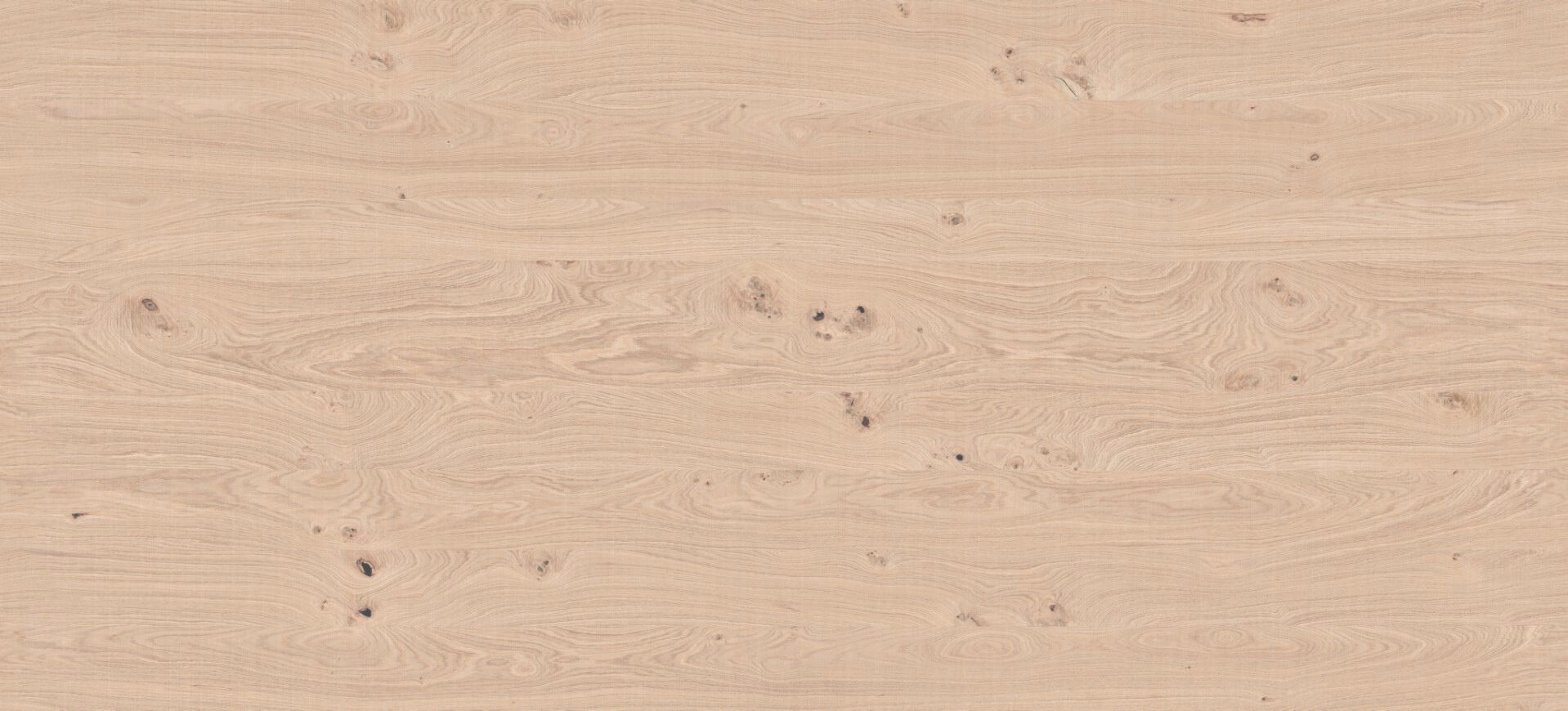
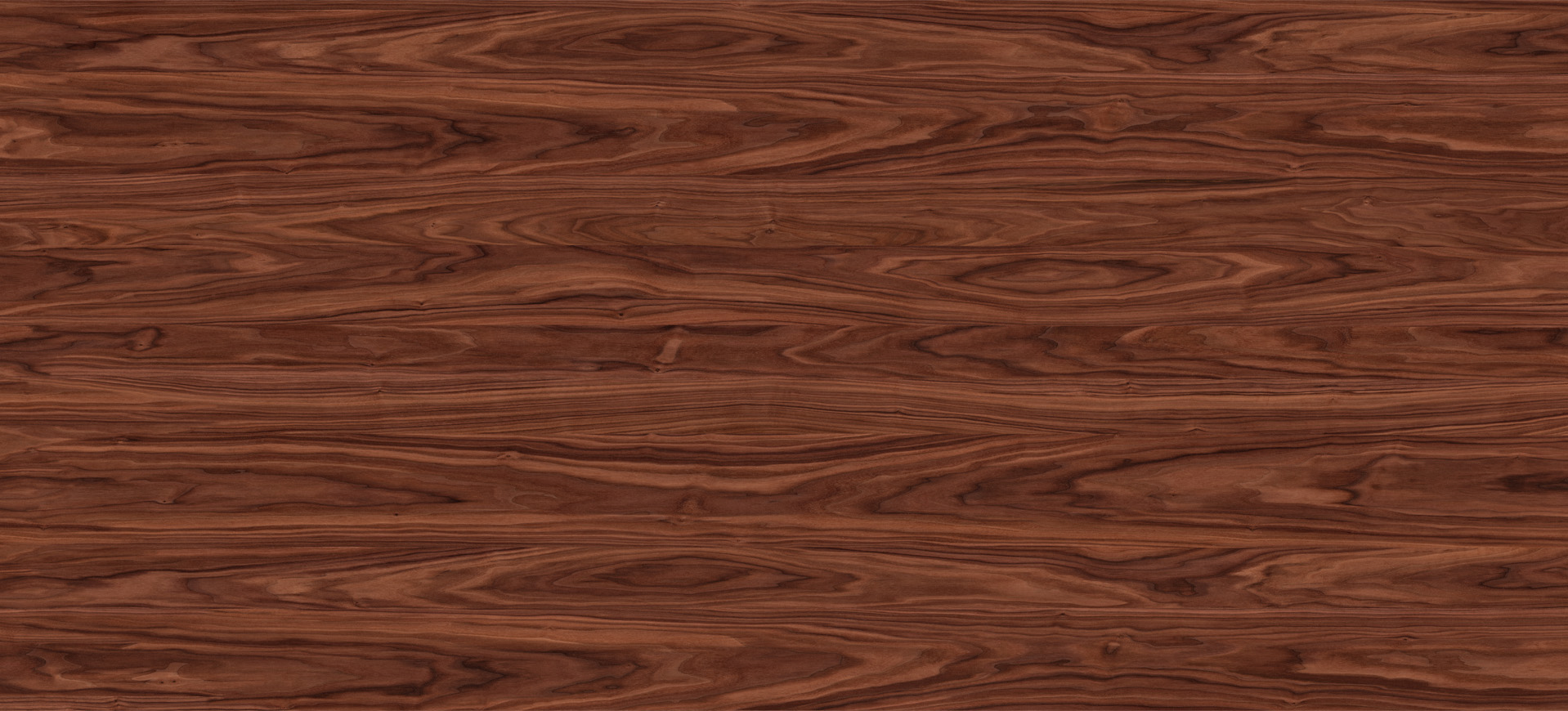
Table top shape


Base material
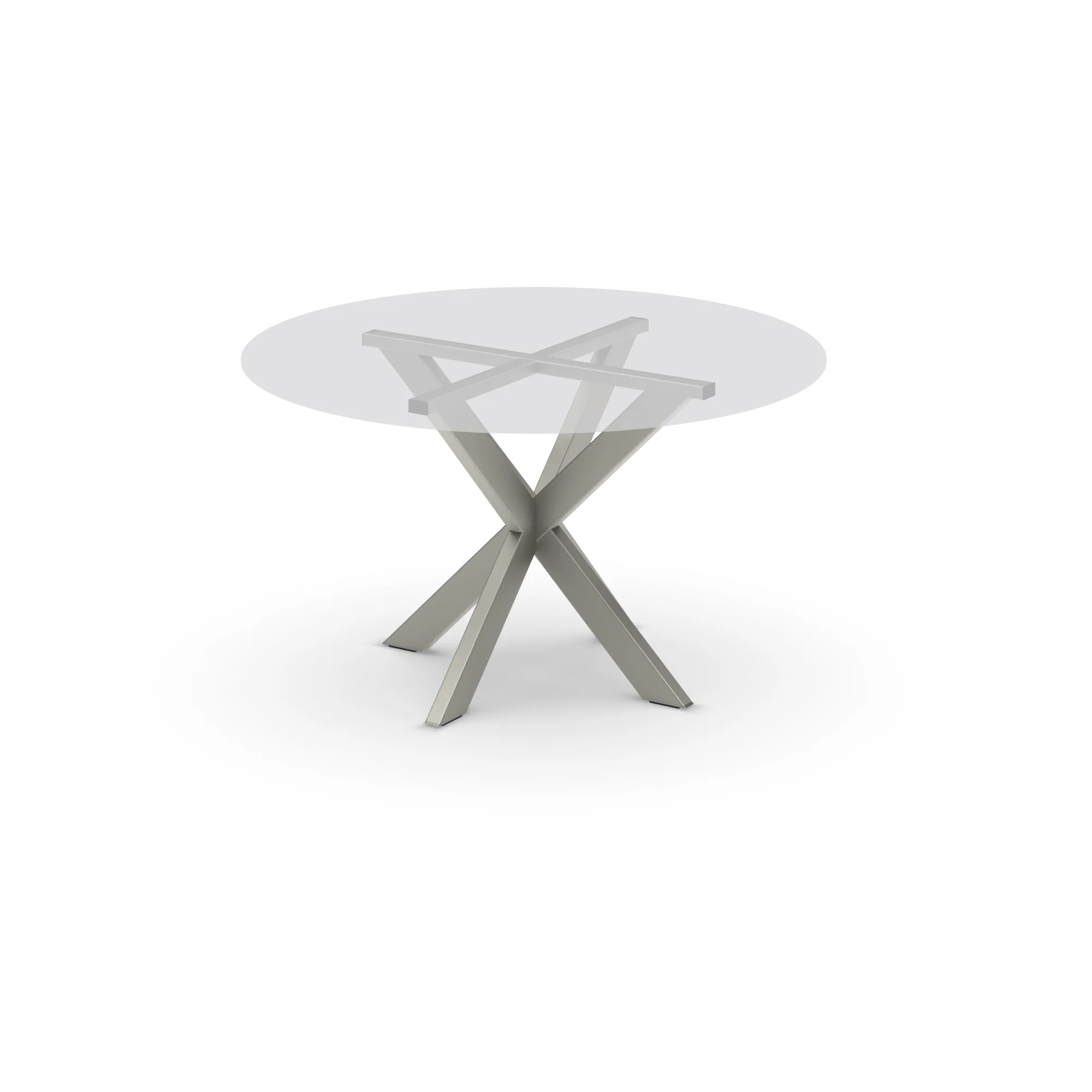
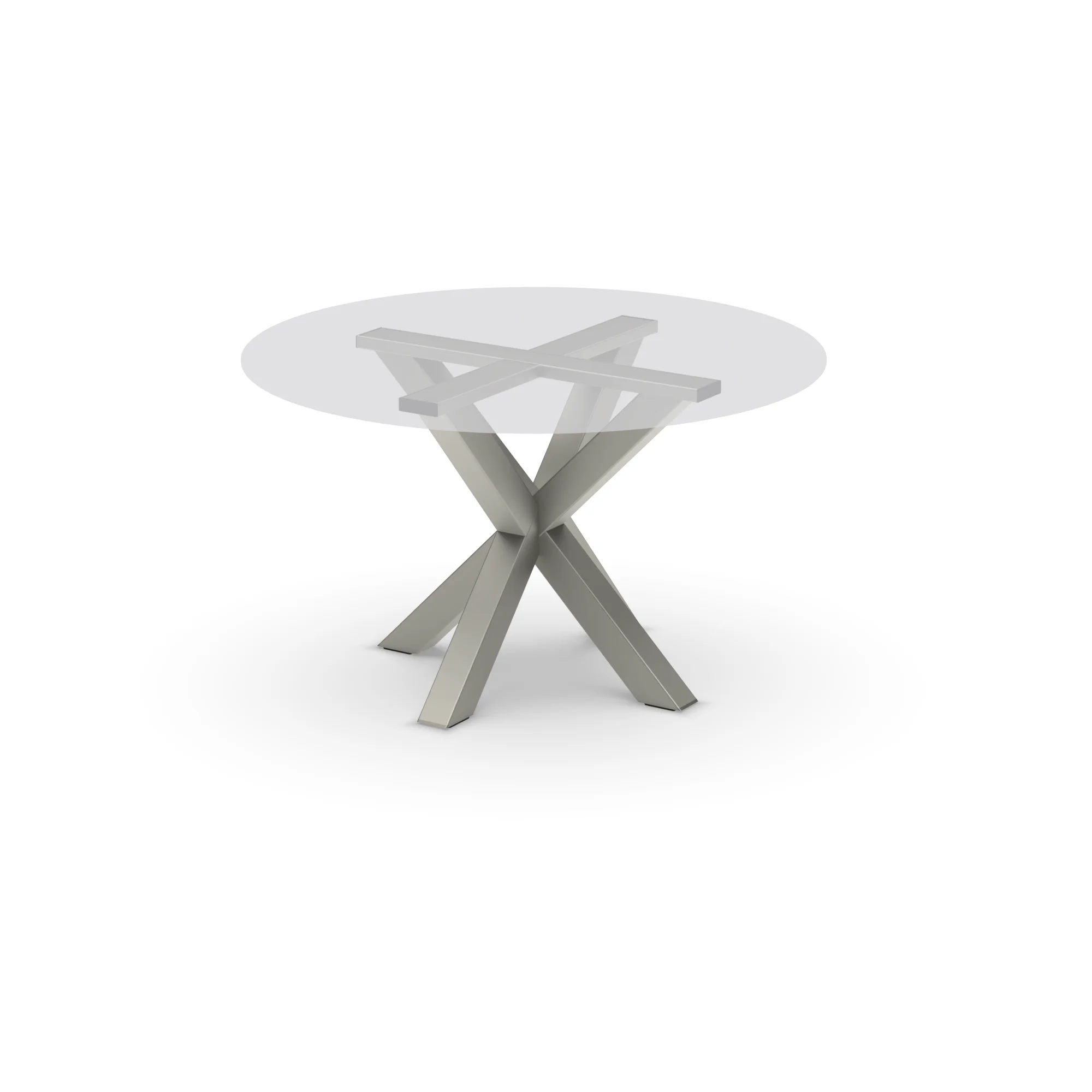
Steel base

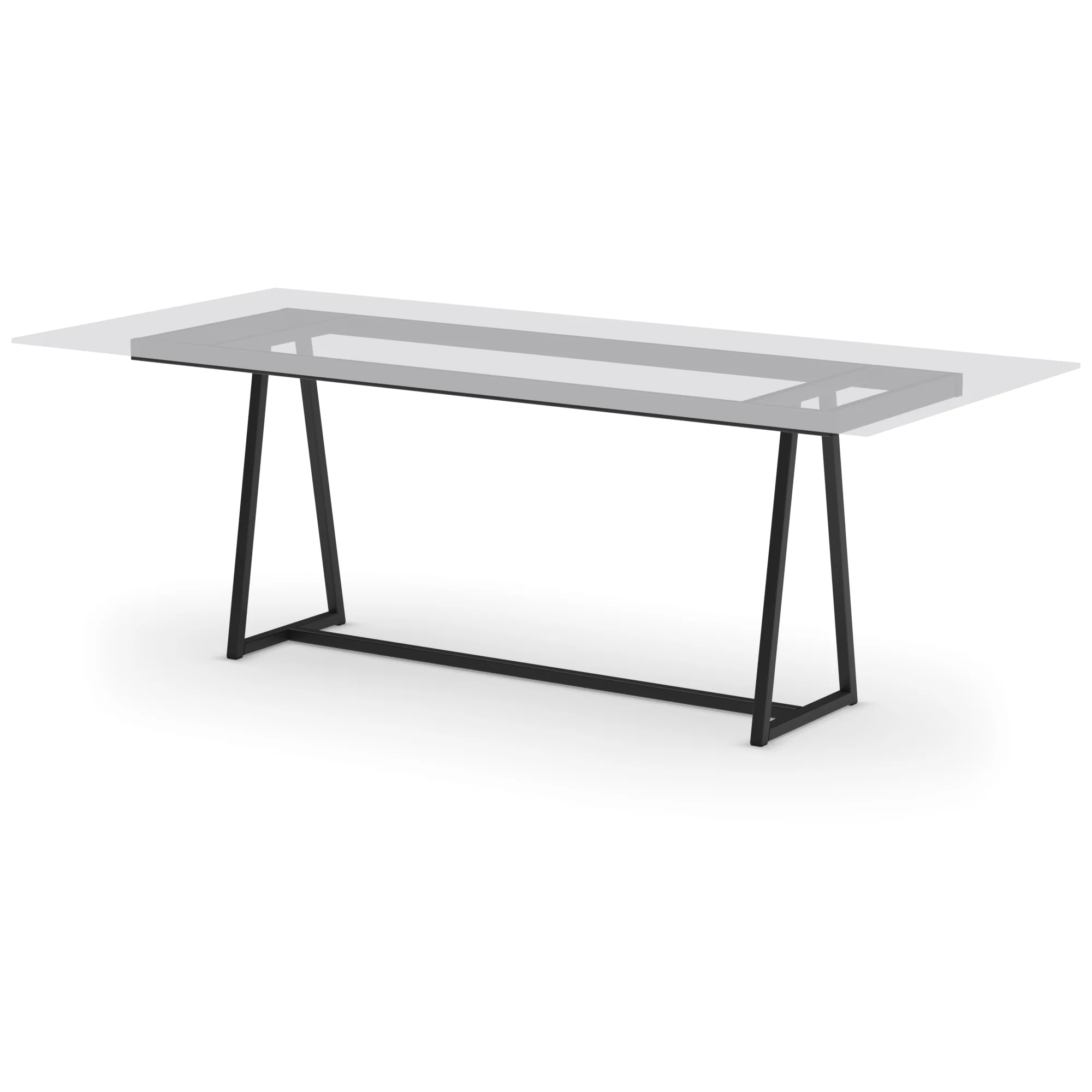
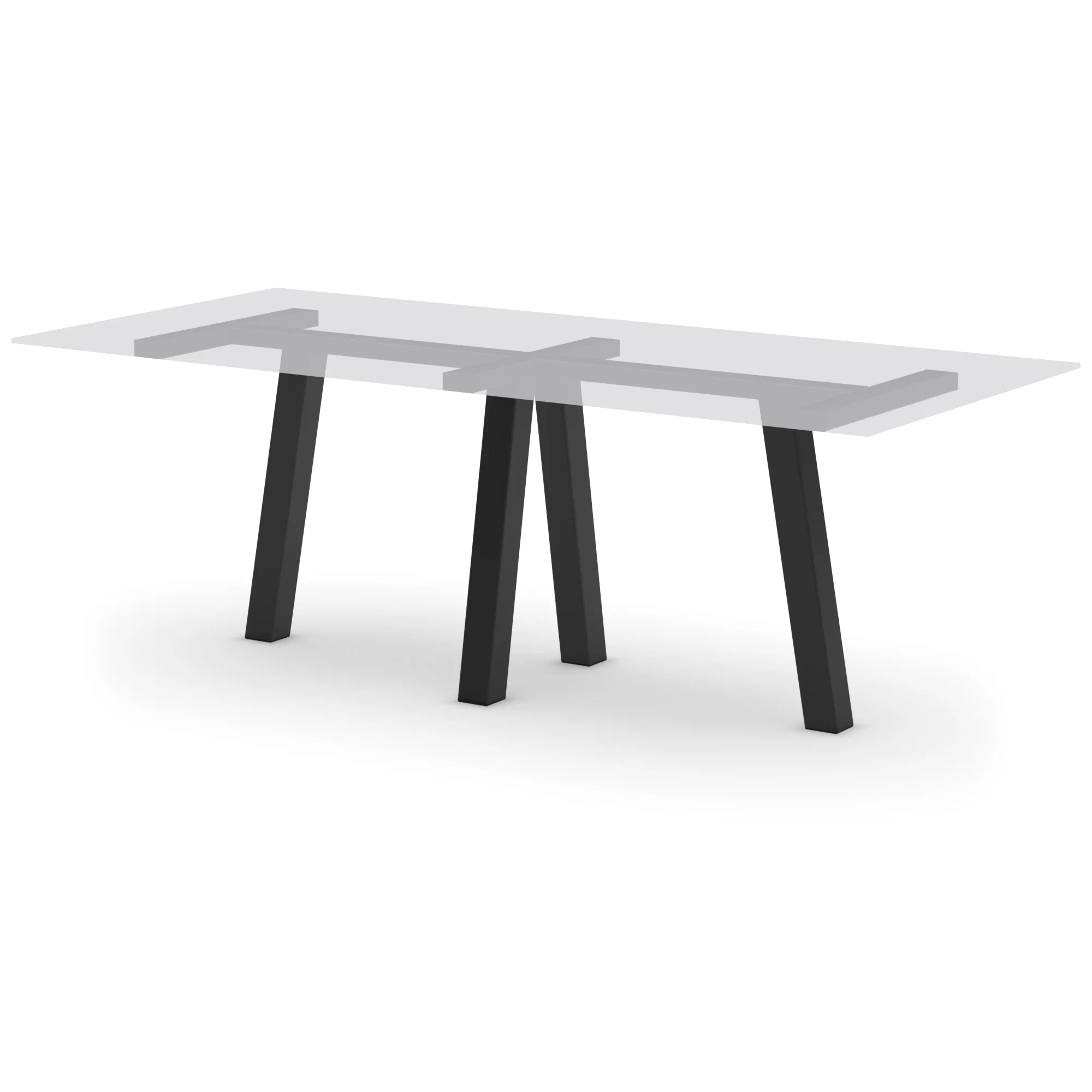
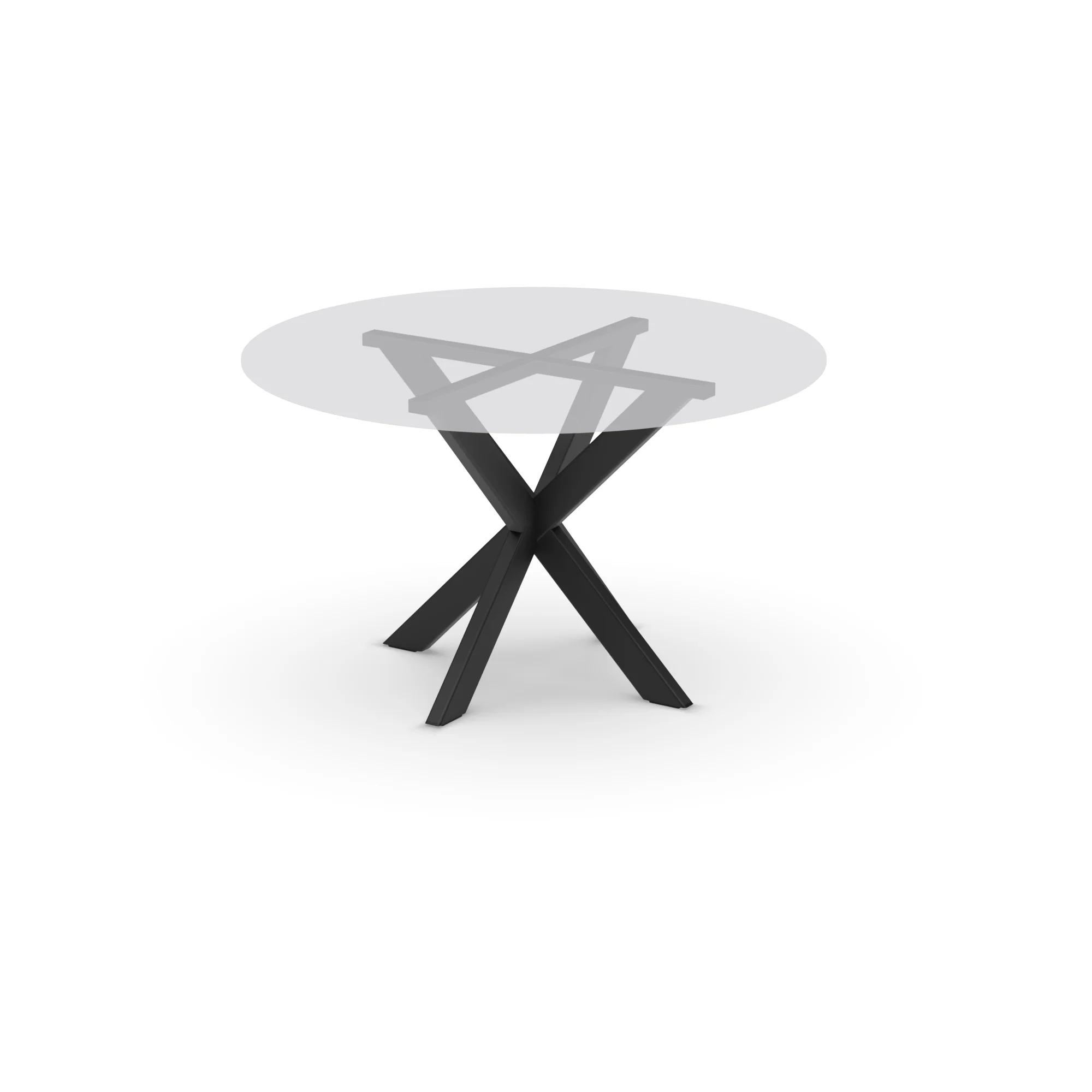
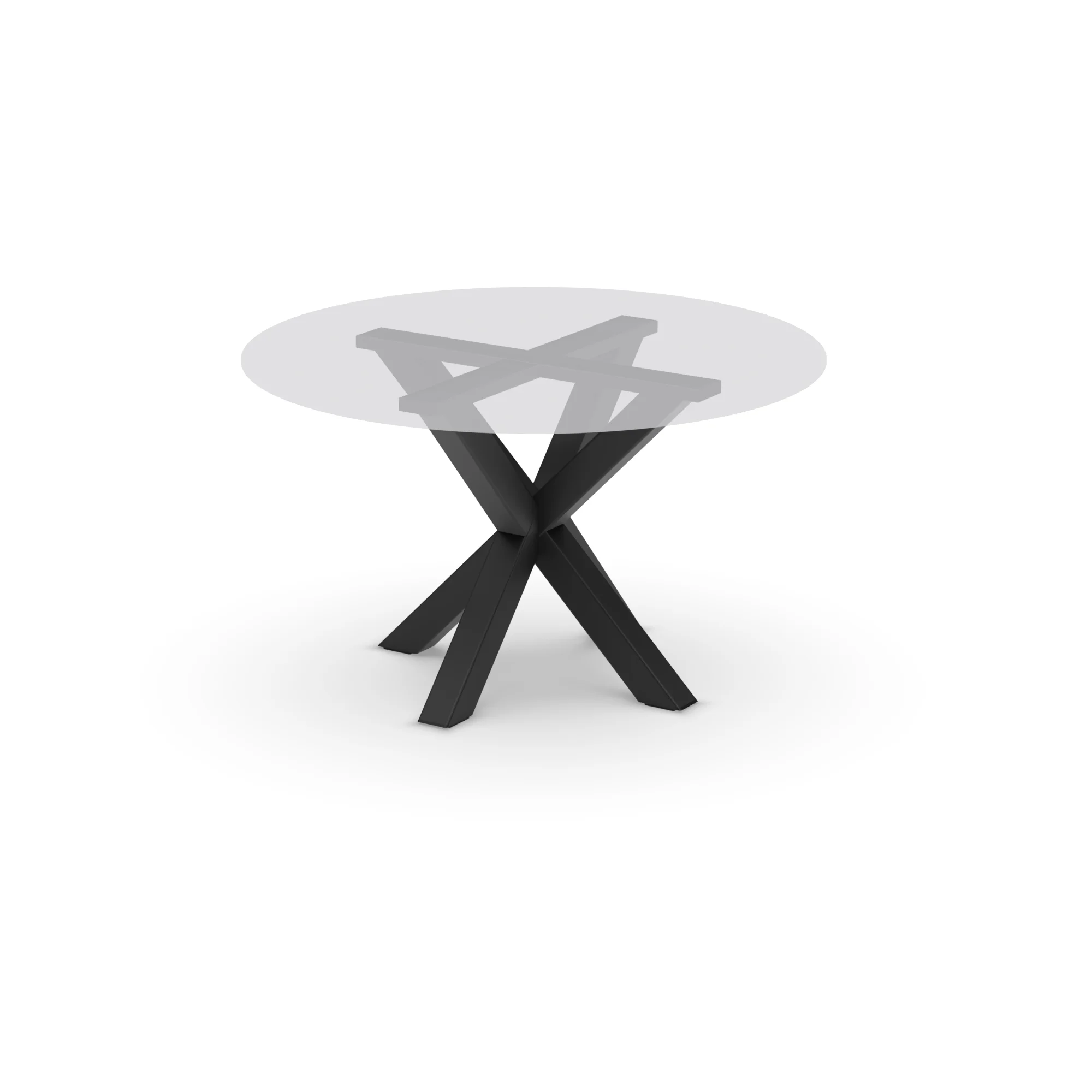
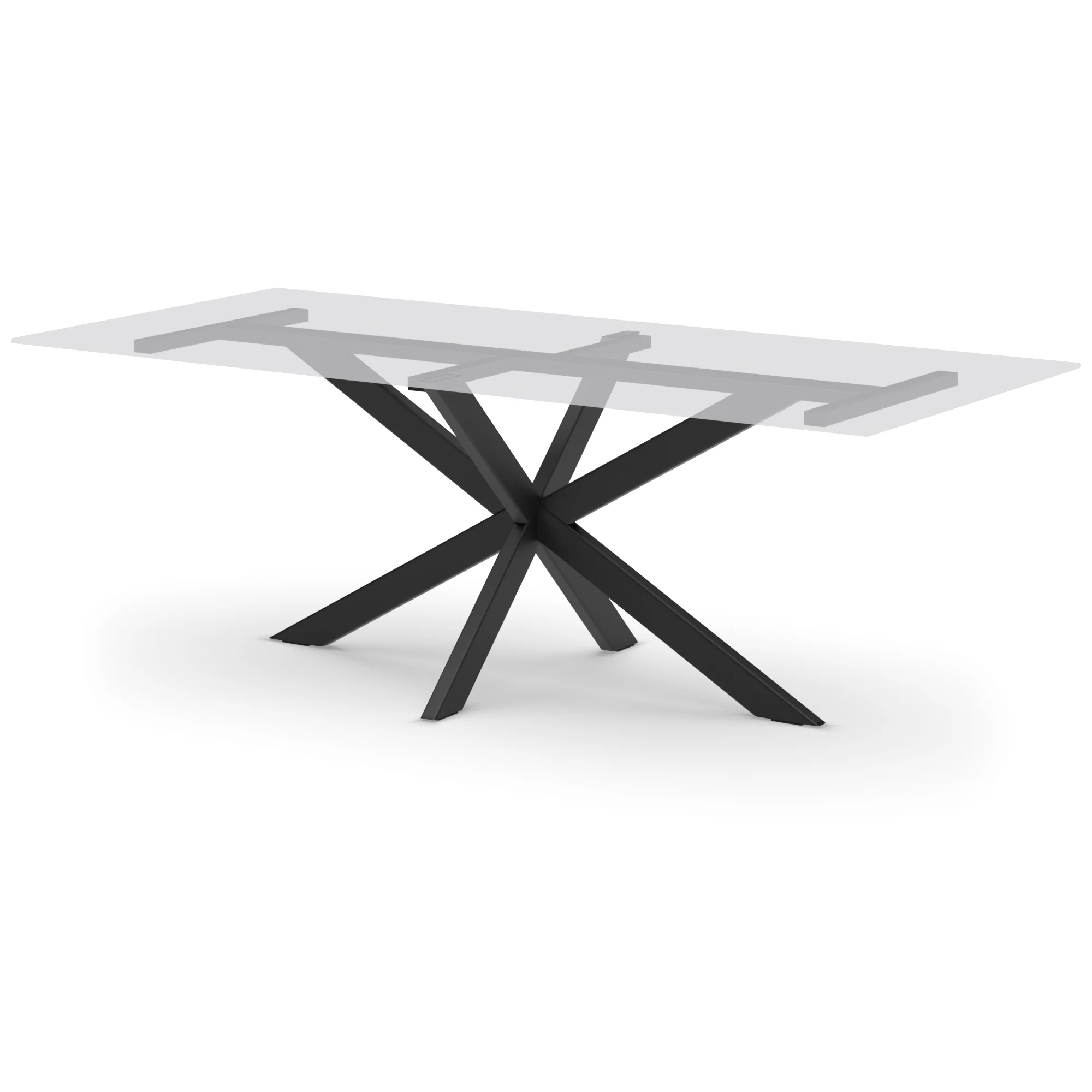
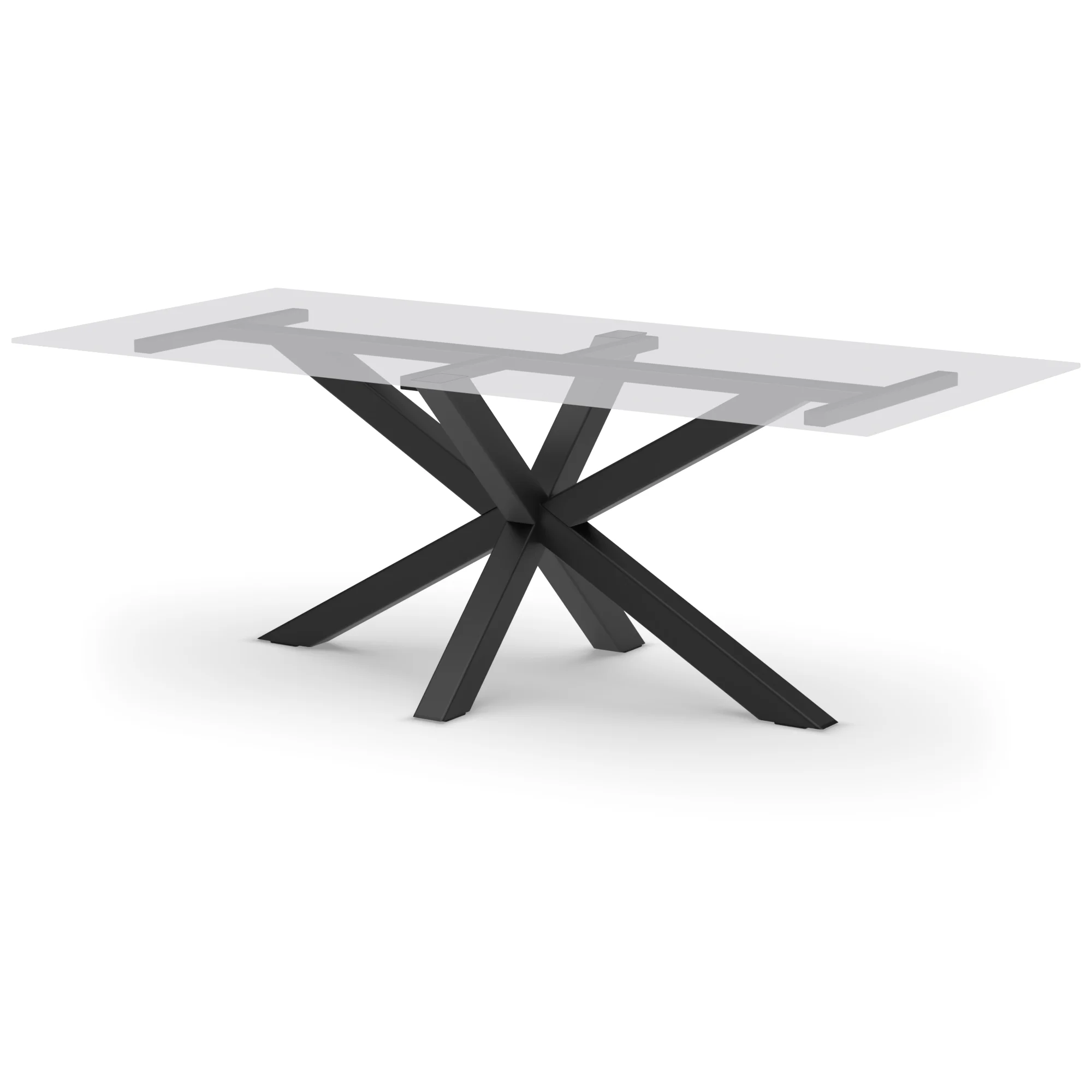
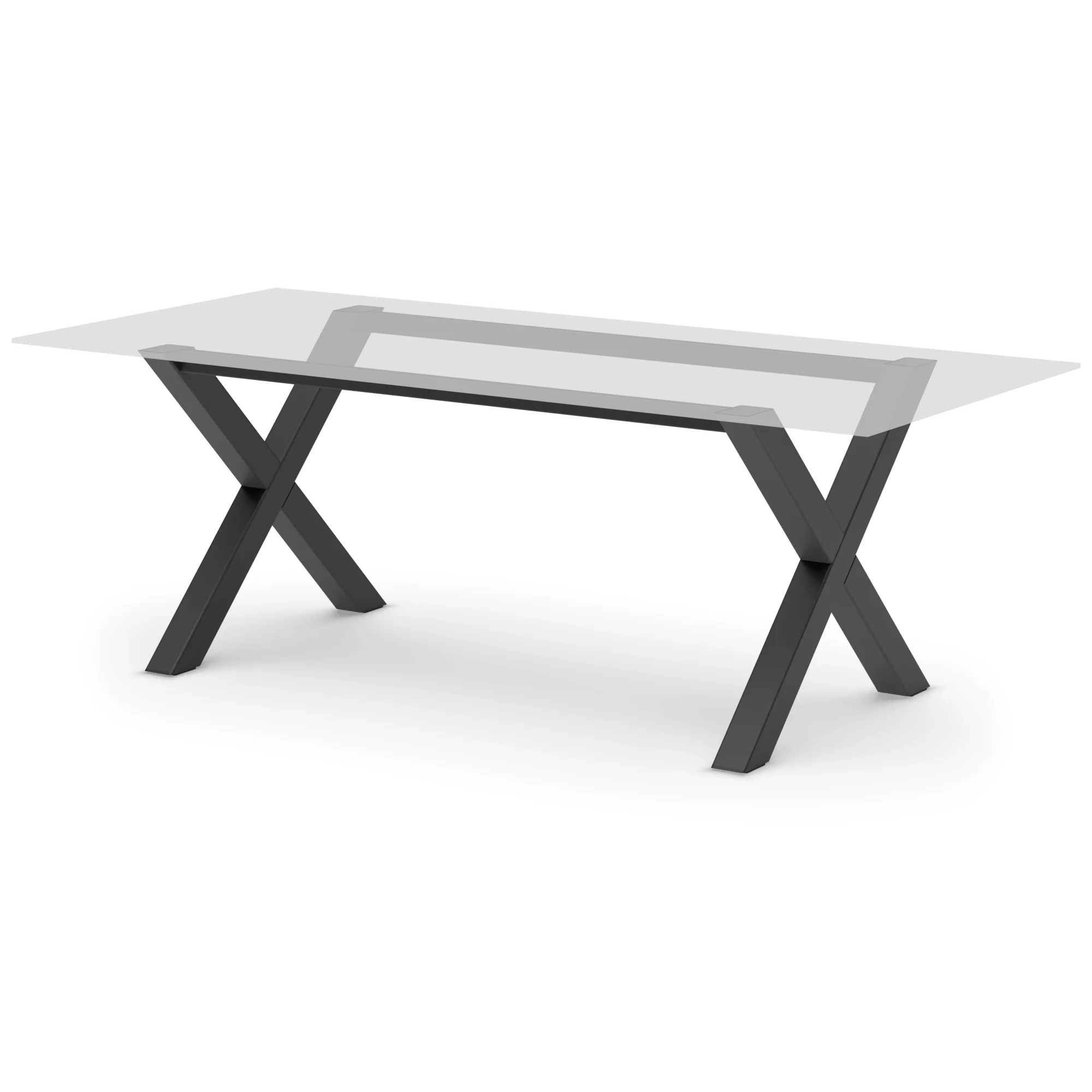

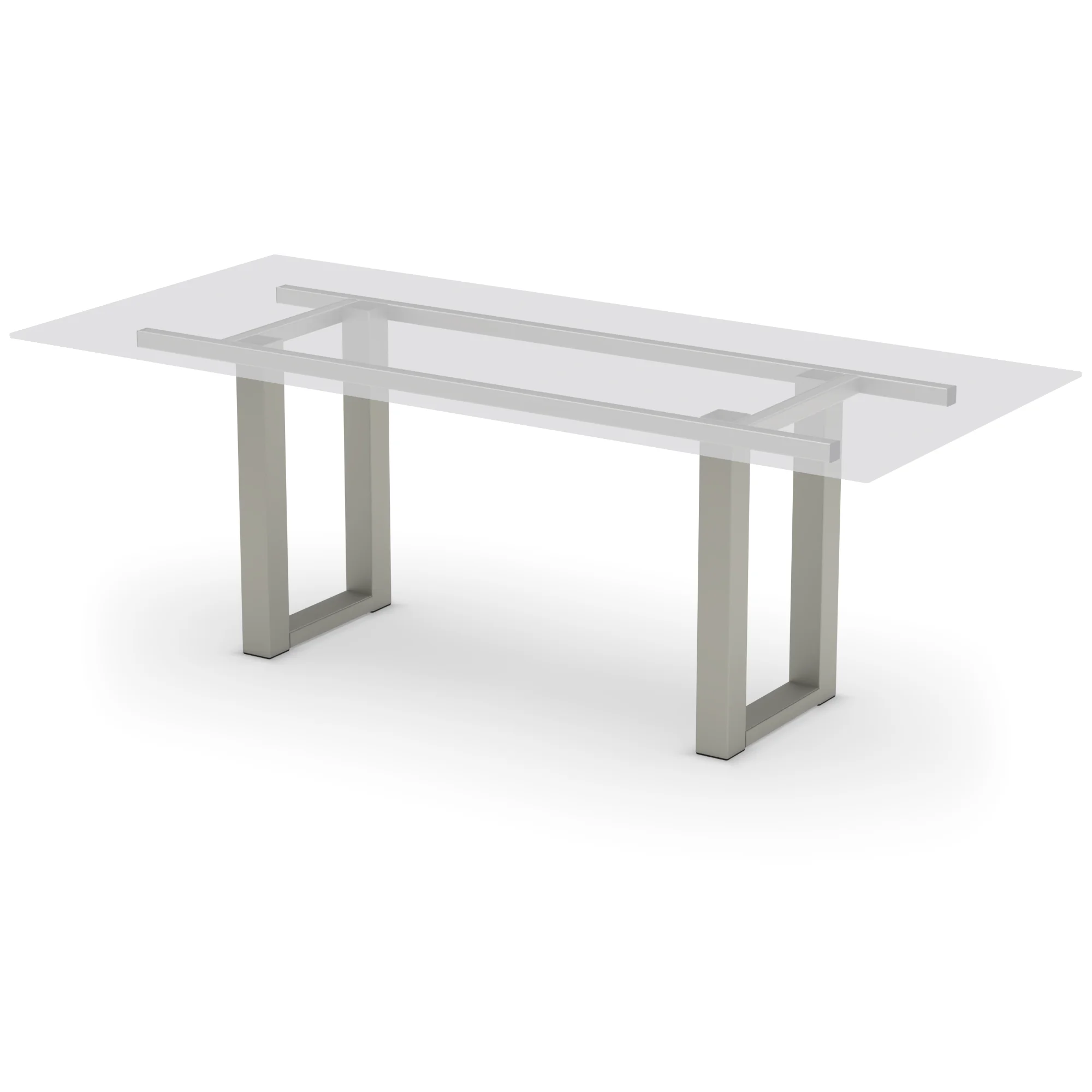
Stainless steel base
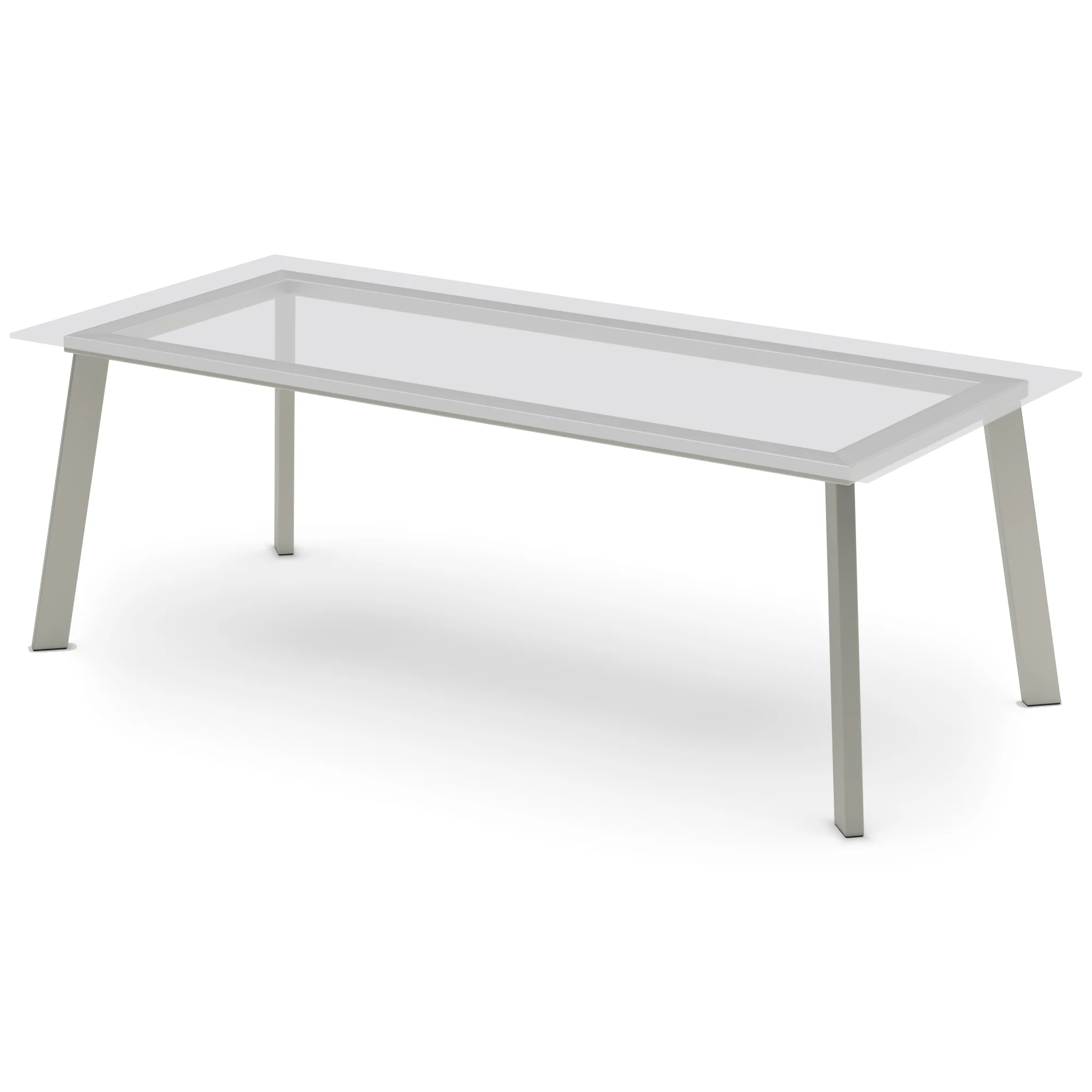
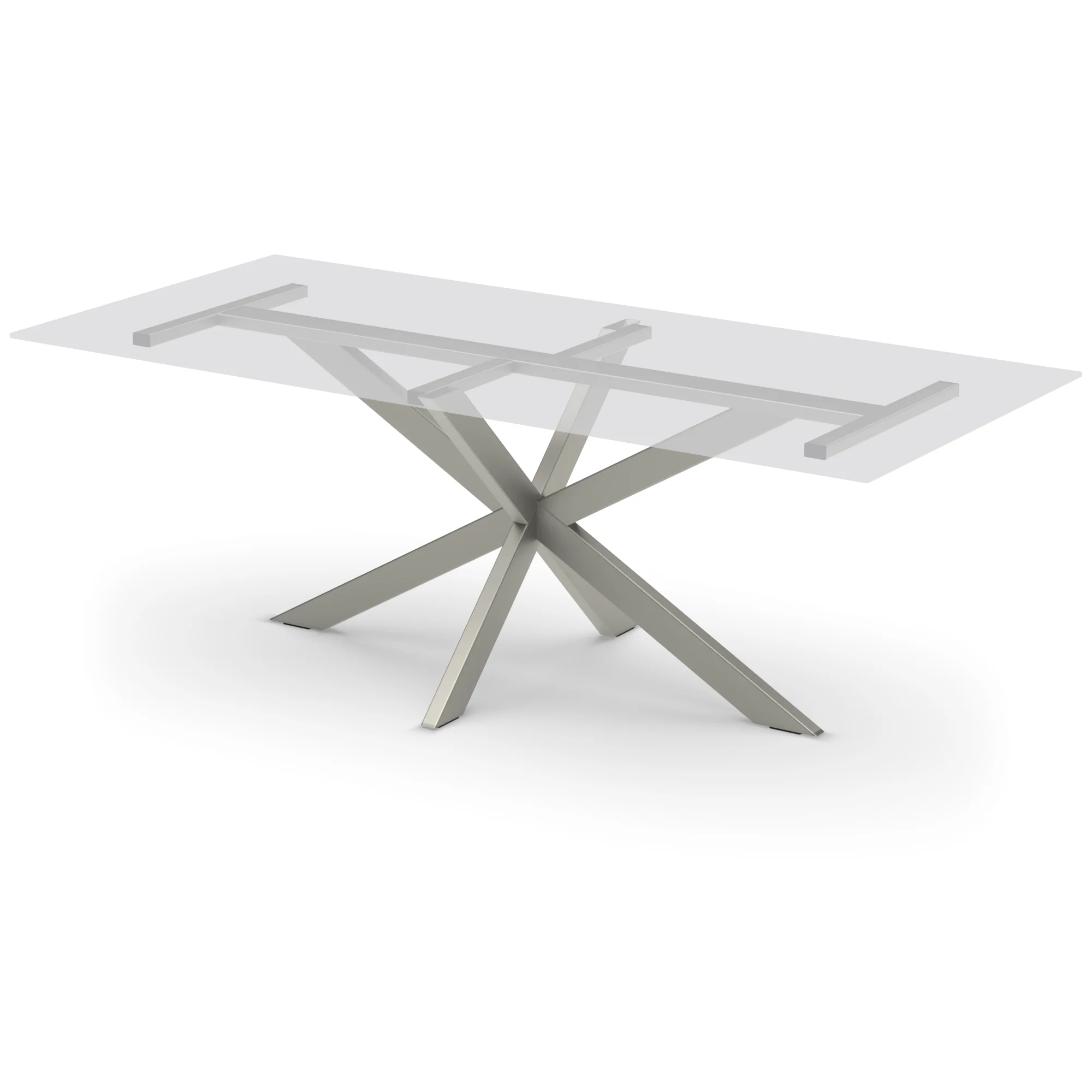
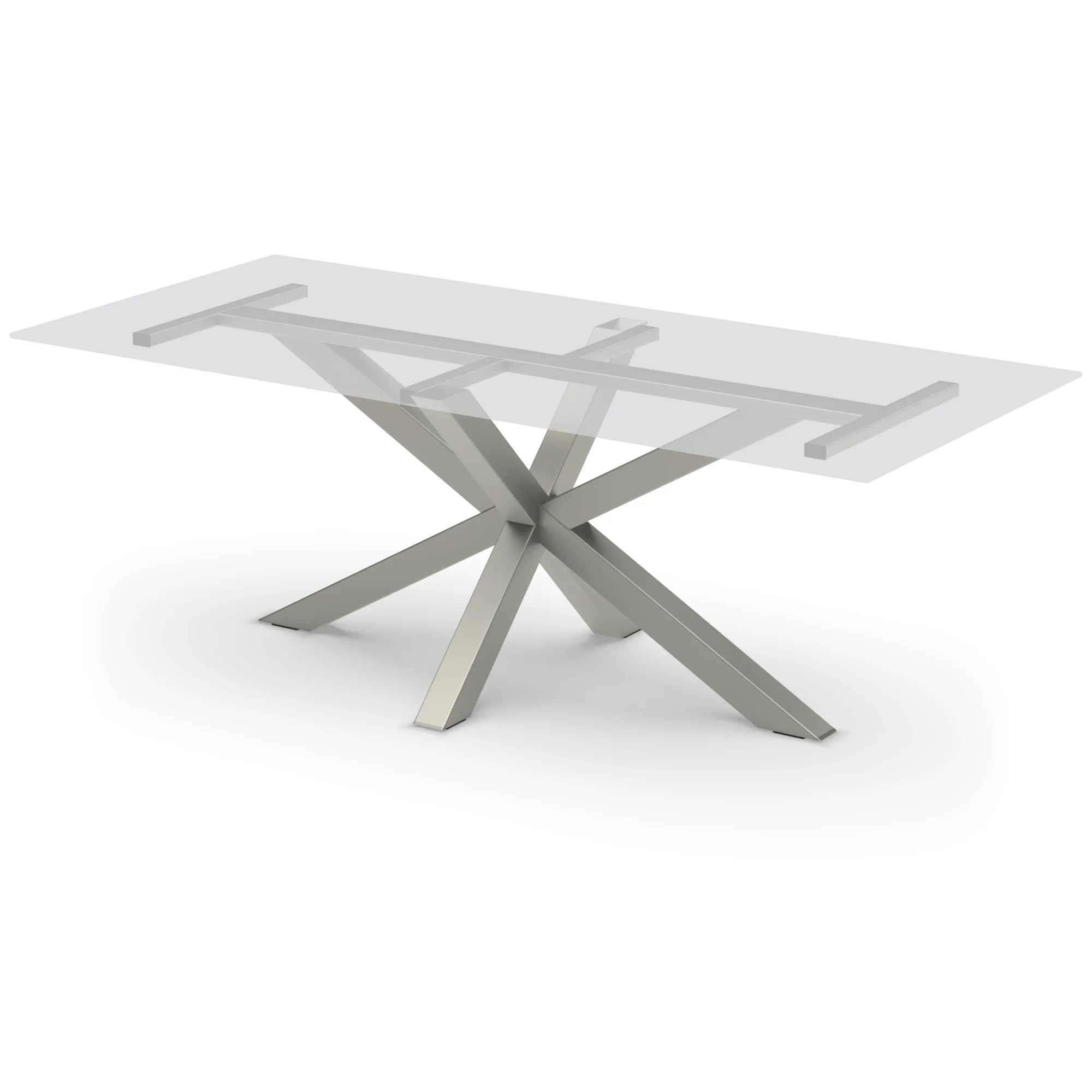
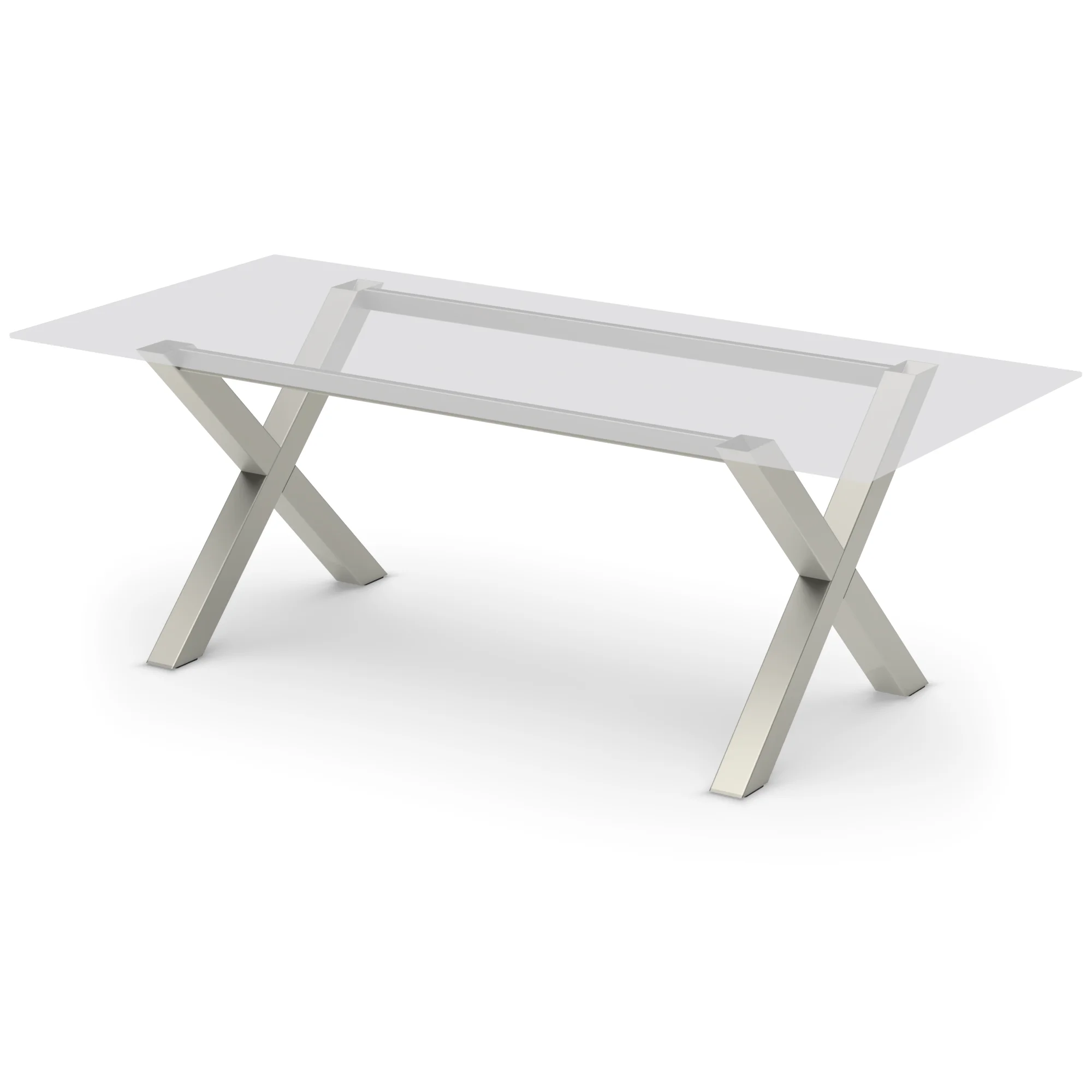
Availability
93 products
Sort byDefault




No products match this combination
Adjust or remove a filter to see results again.

Oak or walnut: which wooden dining table suits you?
Both woods are solid, 40 mm thick and made to measure to the millimetre. The difference lies in colour, grain, size and how the wood reacts to light.
Quick guide
- You want a light colour, or a stain that matches your floor: choose oak.
- You want dark wood without stain and a calm look: choose walnut.
- You want a table longer than 2600 mm: choose oak.
- The table has to stand outside: choose ceramic, not wood. See ceramic dining tables.
Oak dining table
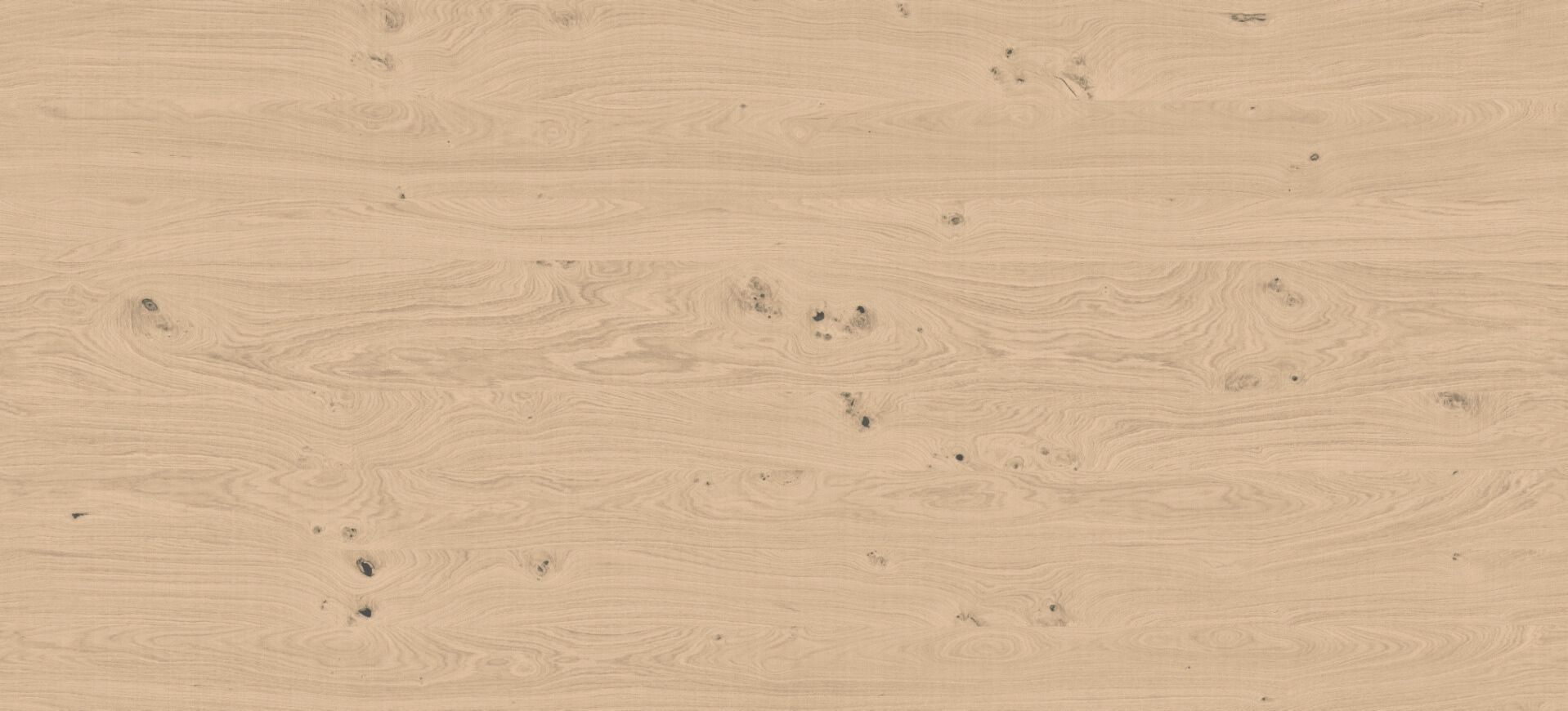
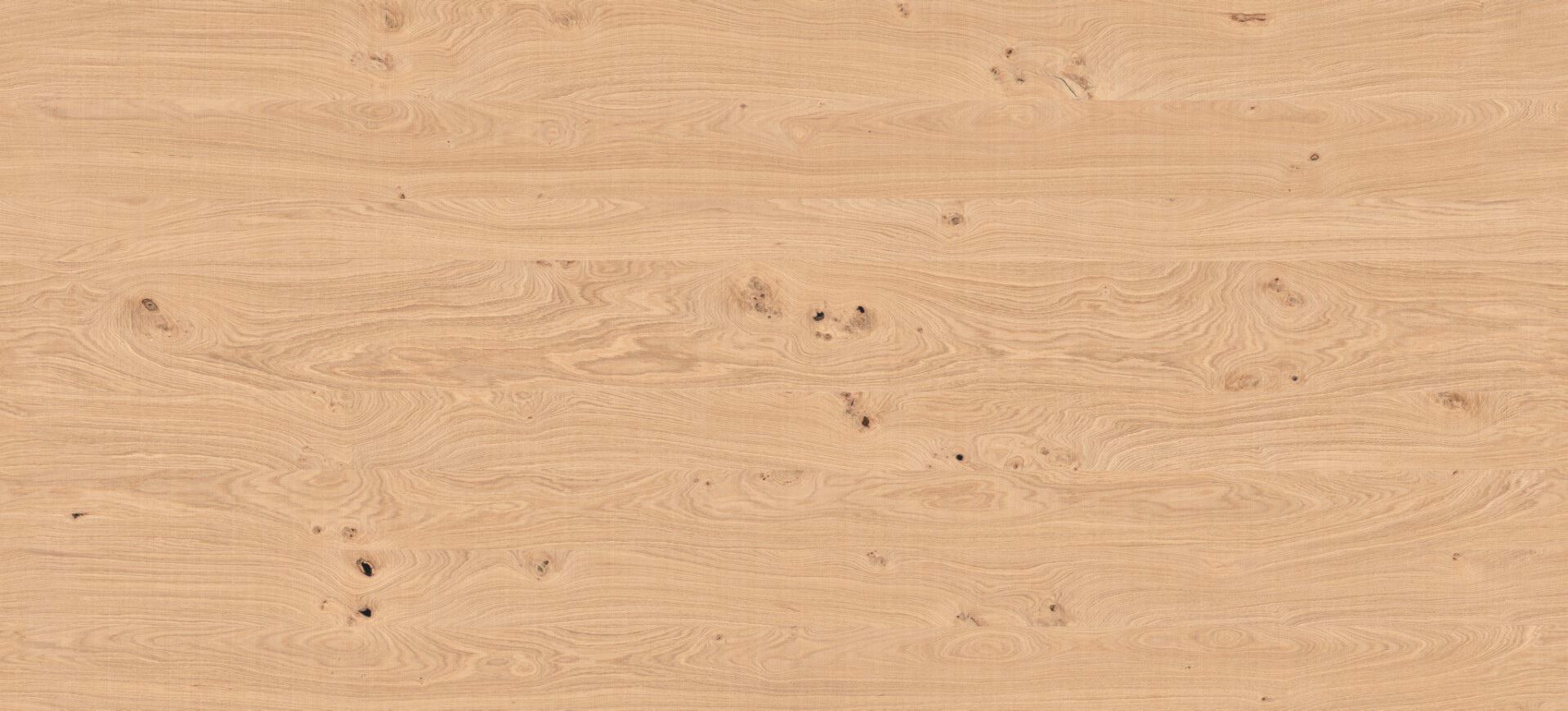
- Colour and grain: European oak, honey to golden brown with a pronounced open grain. No two tops are the same.
- Finish: stained in the colour you choose and finished with two coats of clear matt lacquer. Choose untreated and the top stays bare for you to finish yourself.
- Knots: filled with a two-component filler in a colour that suits the stain: light, dark or black.
- Size: up to 3000 × 1200 mm.
- Over the years: oak gains a deeper, warmer colour.
Walnut dining table
- Colour and grain: walnut is deep chocolate brown with purple undertones.
- Weight and stability: lighter than oak, yet dimensionally stable.
- Knots: always filled in black, also on an untreated top.
- Size: up to 2600 × 1200 mm.
- Light: in long periods of direct sunlight walnut can turn slightly lighter; UV blockers in the lacquer limit this.
What wood cannot do
Oak and walnut are not suitable for outdoors. Wood is a natural material and can move slightly with changes in temperature and humidity; ideally, do not place the table right next to a radiator.
Lacquer protects against stains and moisture, but it is not a heat shield. Put hot pans on a trivet. If you want a top that does not need that care, compare a ceramic dining table.
Caring for a wooden dining table
- Daily: wipe with a damp cloth. Do not use abrasives or harsh cleaners.
- Lacquered top: no periodic treatment needed.
- Untreated top: you finish it yourself, for example with oil, and maintain it yourself afterwards.
More tips are on the care page.
Solid wood or veneer
Every top here is solid: 40 mm of wood, all the way through. Veneer is a thin layer of wood on chipboard or MDF.
You notice the difference after years. A scratch in solid wood can be sanded out and refinished; with veneer you sand through the top layer.
What size wooden dining table?
Allow 700 to 750 mm of table edge per person and at least 800 mm of free space around the table. The standard table height is 760 mm.
- A 2000 mm table with a seat at each end: 6 people.
- A 2400 mm table: 8 people. Possible in oak and in walnut.
- A 3000 mm table: 10 people. Possible in oak only.
Shape and base
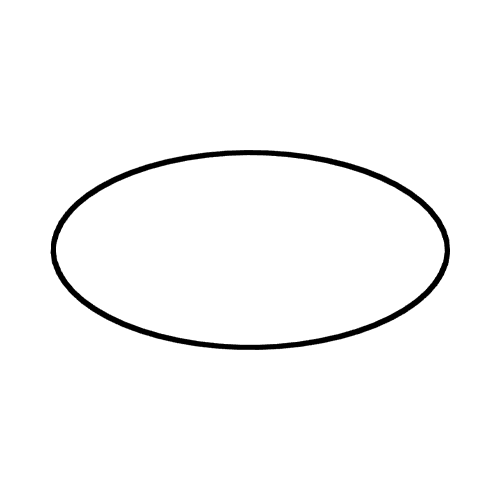
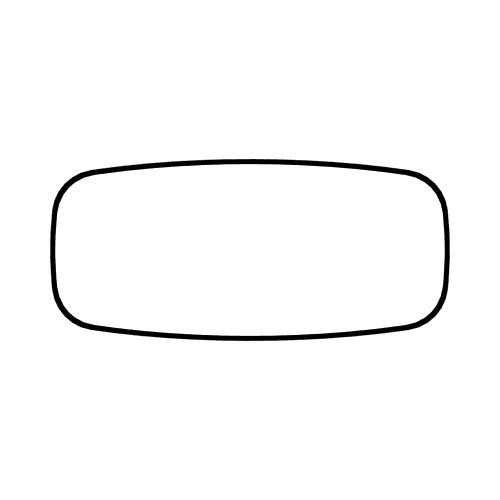
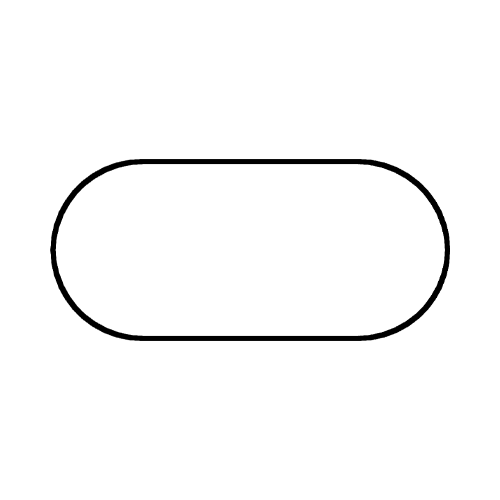
Both woods come in rectangular, round, oval, Danish oval and with semicircle ends. See round oak dining tables, oval oak dining tables and Danish oval dining tables.
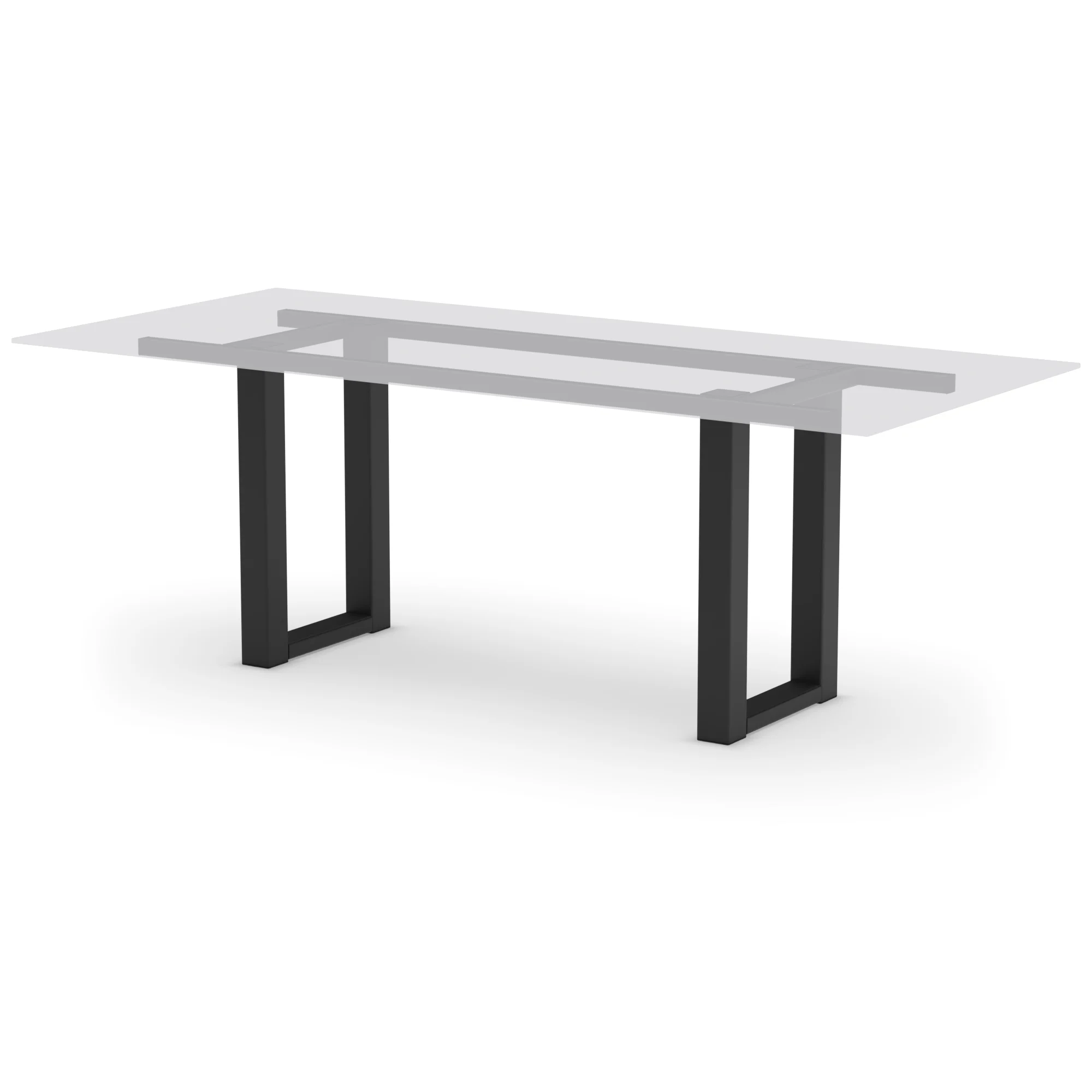
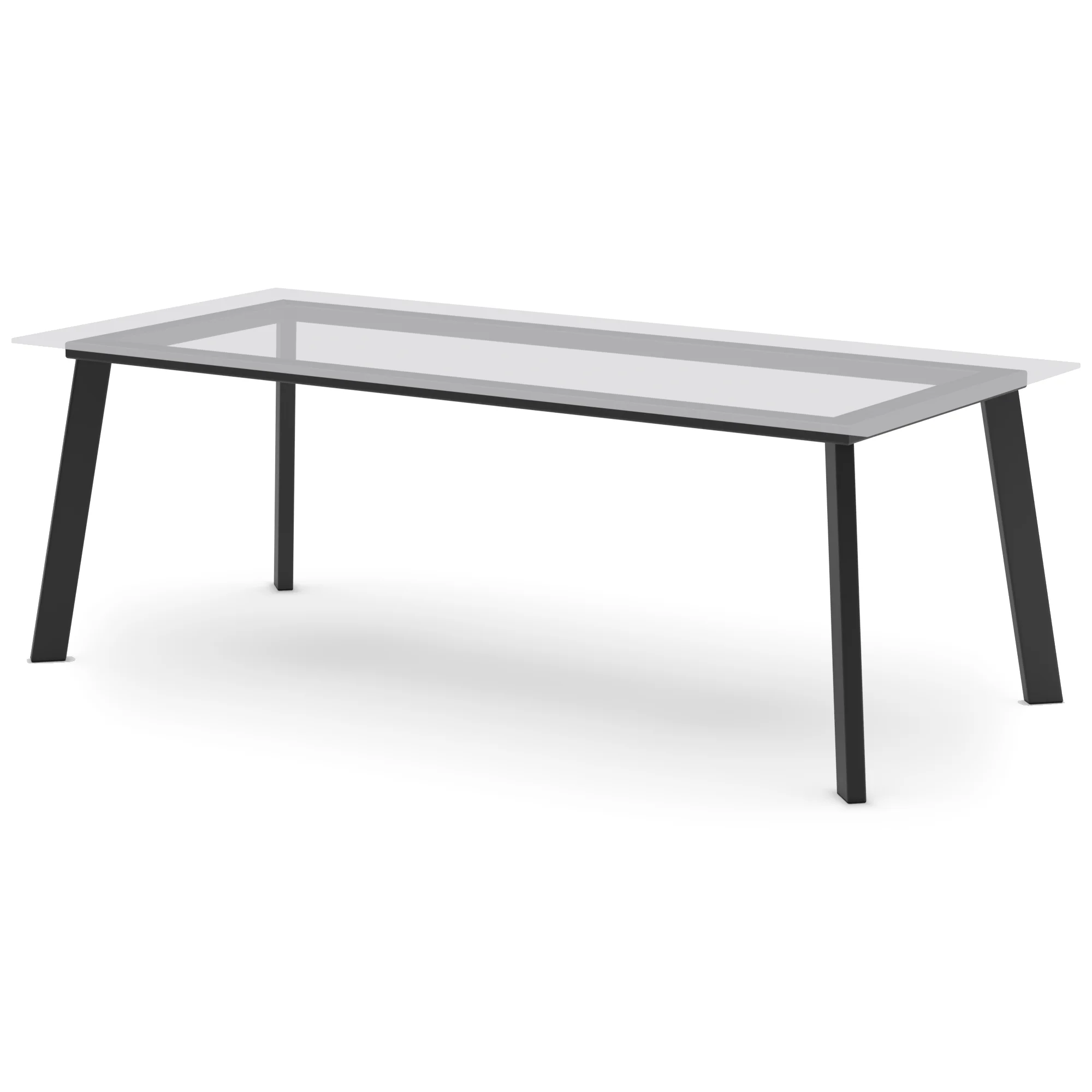
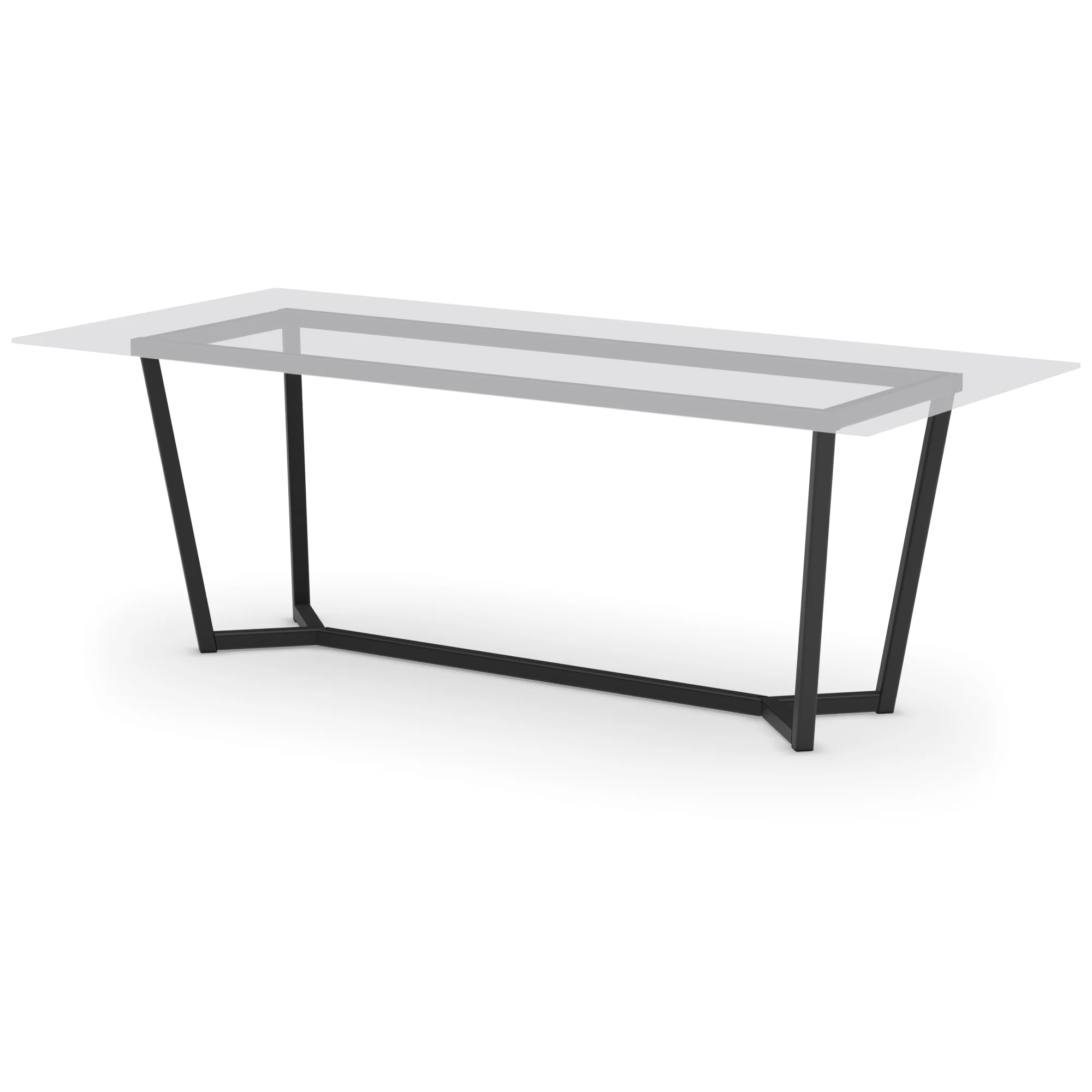
The base is steel or stainless steel. Steel is welded in Maasbree and powder-coated in one of 10 standard colours; grade 304 stainless steel is brushed as standard. It is a choice on looks: light oak with black steel gives contrast, walnut with brushed stainless steel looks cooler.
See it before you choose
Wood and stain look different on a screen than in your room. Material samples are ordered per piece and refunded when you return them. The showroom and workshop in Maasbree, the Netherlands, are also open on Saturdays.
Delivery within 4 weeks, or at a lower rate within 8 weeks; collection from Maasbree is also possible. You get a 2-year warranty on construction and finish.
Read moreRead less
Last updated: October 6, 2026